



Sunscreen Guide: Protect Your Skin from UV Damage
Have you ever walked outside on a cloudy day and thought your skin was safe from the sun? Many people assume that only bright summer days can damage their skin, but that’s far from the truth. Harmful ultraviolet (UV) rays penetrate clouds and even pass through windows, meaning your skin is exposed far more often than you realize. That daily exposure adds up over months and years, contributing to wrinkles, dark spots, uneven skin tone, and a higher risk of skin cancer.
Dermatologists continue to recommend wearing sunscreen every day, regardless of the season. Recent guidance from leading medical organizations recommends using a broad-spectrum SPF 30 or higher and reapplying every two hours during prolonged outdoor exposure. New sunscreen ingredients, including recently approved UV filters in the United States, are also expanding consumer options while improving protection.
From personal experience, one of the biggest skincare improvements comes from making sunscreen a daily habit instead of treating it as a beach accessory. After several months of consistent use, many people notice fewer sunspots, more even skin tone, and healthier-looking skin overall. The benefits may seem invisible at first, but sunscreen works quietly every single day by preventing damage before it occurs.
This guide explains how sunscreen works, how to choose the right formula, common mistakes to avoid, and the truth behind popular sunscreen myths.
Understanding UV Rays and Skin Damage
The sun produces several types of ultraviolet radiation, but the two that matter most are UVA and UVB rays.
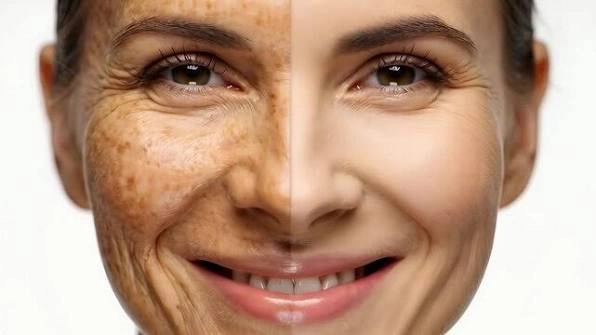
UVB rays are responsible for sunburn. They primarily affect the skin’s outer layers and play a major role in developing skin cancer. UVA rays penetrate much deeper into the skin, damaging collagen and elastin fibers that keep your skin firm and youthful. Over time, UVA exposure contributes to wrinkles, pigmentation, and premature aging.
One surprising fact is that UVA rays remain relatively constant throughout the day and throughout the year. They easily penetrate glass, which means you can still experience long-term skin damage while sitting near a sunny office window or driving your car.
According to dermatology experts, daily sunscreen use significantly reduces the risk of melanoma and other forms of skin cancer while slowing visible aging. Studies cited by dermatologists indicate that consistent sunscreen use can reduce melanoma risk by approximately 50% and squamous cell carcinoma by around 40%.
Think of your skin like the paint on a new car. Without protection, constant sunlight gradually fades the color, weakens the surface, and creates permanent damage. Sunscreen acts like a protective coating that helps preserve your skin’s appearance and health for years.
How Sunscreen Works to Protect Your Skin
Many people apply sunscreen without fully understanding what happens after it touches their skin. The truth is that modern sunscreen is the result of decades of scientific research designed to reduce the harmful effects of ultraviolet radiation. Instead of acting like a simple lotion, sunscreen forms a protective barrier that either absorbs or reflects UV rays before they can damage skin cells. This protection helps reduce sunburn, limits premature aging, and lowers the long-term risk of skin cancer. While no sunscreen blocks 100% of UV radiation, choosing the right product and applying it correctly can dramatically reduce daily sun damage.
There are two primary categories of sunscreen: chemical and mineral sunscreen. Chemical formulas contain UV filters that absorb ultraviolet rays and convert them into a tiny amount of heat before they reach deeper layers of the skin. Mineral sunscreens, usually made with zinc oxide or titanium dioxide, sit closer to the skin’s surface and primarily reflect and scatter UV rays while also absorbing some radiation. Both types can provide excellent protection when used correctly, and dermatologists generally recommend selecting one that feels comfortable enough for daily use. After all, the best sunscreen is the one you’ll actually wear every day.
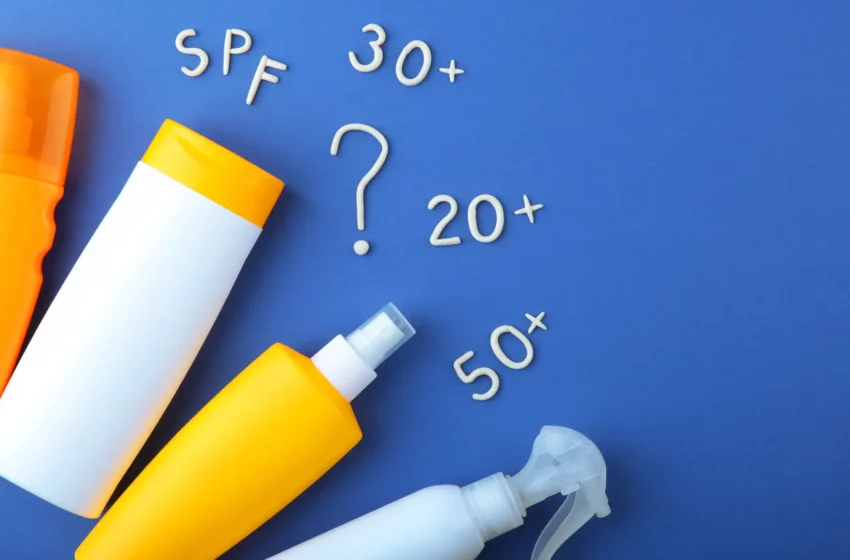
Another important factor is SPF, or Sun Protection Factor. SPF measures protection against UVB rays, which are responsible for sunburn. An SPF 30 sunscreen filters approximately 97% of UVB rays, while SPF 50 filters around 98%. The difference may seem small, but it can become meaningful during extended outdoor activities. However, higher SPF does not mean you can skip reapplication. Sweat, swimming, and even touching your face gradually remove sunscreen, making regular reapplication just as important as choosing the correct SPF.
Broad-spectrum protection is equally essential because it shields against both UVA and UVB radiation. Without broad-spectrum coverage, your skin may still experience premature aging despite avoiding sunburn. Modern formulations combine advanced UV filters with antioxidants, moisturizing ingredients, and lightweight textures that make daily use easier than ever. Whether you’re commuting to work, exercising outdoors, or relaxing on vacation, broad-spectrum sunscreen remains one of the simplest and most effective ways to preserve healthy skin.
Choosing the Right Sunscreen for Your Skin Type

Walking into a pharmacy can feel overwhelming when you’re faced with dozens of sunscreen options. Creams, gels, sprays, sticks, lotions, tinted formulas, water-resistant products, and facial sunscreens all promise excellent protection. Instead of buying the highest SPF available, it’s better to focus on finding a product that matches your skin type and lifestyle. A sunscreen that feels greasy or uncomfortable often ends up sitting unused in the cabinet, defeating its purpose.
If you have oily or acne-prone skin, look for lightweight, oil-free formulas labeled as non-comedogenic. Many dermatologists recommend products specifically designed as sunscreen for oily skin because they absorb quickly, reduce shine, and won’t clog pores. Gel-based and fluid sunscreens have become increasingly popular because they leave little residue while still delivering broad-spectrum protection. Ingredients like niacinamide can also help control excess oil while calming inflammation.
People with dry skin benefit from moisturizing sunscreens containing hyaluronic acid, glycerin, ceramides, or squalane. These ingredients help maintain the skin barrier while protecting against UV damage. Sensitive skin often responds better to mineral formulas since zinc oxide and titanium dioxide are less likely to cause irritation. Those with darker skin tones may prefer modern tinted mineral sunscreens that avoid leaving a white cast. Products such as black girl sunscreen have gained popularity because they provide invisible protection specifically formulated for melanin-rich skin without the chalky appearance associated with older mineral formulas.
For facial use, many skincare experts recommend selecting a product marketed as the best sunscreen for face, since these formulations are usually lighter, layer well under makeup, and include skincare ingredients like antioxidants or peptides. Popular products such as beauty of joseon sunscreen have attracted attention for combining effective UV protection with a lightweight, hydrating finish that works well in everyday skincare routines. Meanwhile, outdoor enthusiasts often appreciate water-resistant options like supergoop sunscreen, especially during sports or beach vacations where frequent exposure to water and sweat occurs.
Children require special consideration because their skin is more delicate than adult skin. Parents should choose the best sunscreen for kids, preferably broad-spectrum SPF 30 or higher, and apply it generously before outdoor activities. Protective clothing, hats, and shade remain important companions to sunscreen, particularly for infants who should generally avoid direct sunlight altogether.
Natural Ingredients, Daily Habits, and Smart Sun Protection

Many consumers today are interested in clean beauty and environmentally friendly skincare, leading to growing interest in natural sunscreen products. While the term “natural” has no universal regulatory definition, these sunscreens often rely on mineral UV filters combined with plant-based oils, botanical extracts, and fewer synthetic ingredients. Although these products appeal to people seeking gentler formulations, effectiveness should always remain the top priority. Regardless of marketing claims, a sunscreen must provide broad-spectrum protection and adequate SPF to truly safeguard your skin.
Daily habits matter just as much as choosing the right product. Sunscreen works best as part of a complete sun protection strategy rather than your only defense. Wearing wide-brimmed hats, UV-blocking sunglasses, lightweight long sleeves, and seeking shade during peak sunlight hours all contribute to healthier skin. These habits become especially important during vacations, outdoor sports, gardening, or long commutes where cumulative sun exposure can be surprisingly high.
One common question is does sunscreen prevent tanning? The answer is that sunscreen significantly reduces tanning because it blocks much of the UV radiation responsible for stimulating melanin production. However, no sunscreen blocks every ultraviolet ray, which means some tanning may still occur after prolonged exposure. The goal isn’t necessarily to eliminate all color change but to minimize the DNA damage that accompanies UV exposure.
Another widespread myth asks, does sunscreen cause cancer? Current scientific evidence does not support this claim. On the contrary, decades of research consistently show that regular sunscreen use helps reduce the risk of several forms of skin cancer by limiting harmful ultraviolet exposure. Health authorities around the world continue to recommend daily sunscreen use as one of the most effective preventive measures available. When combined with protective clothing and sensible sun habits, sunscreen remains one of the safest and most thoroughly studied skincare products available today.
Conclusion
Healthy skin is not the result of expensive skincare products alone—it starts with consistent protection from the sun. Whether you’re spending the day at the beach, walking your dog, driving to work, or simply sitting near a sunny window, UV rays are constantly affecting your skin. Over time, even small amounts of daily exposure can contribute to wrinkles, uneven skin tone, sunspots, and an increased risk of skin cancer. Fortunately, these effects are largely preventable with one simple habit: applying sunscreen every day.
Choosing a broad-spectrum sunscreen with SPF 30 or higher is one of the smartest investments you can make for your long-term skin health. Pair it with protective clothing, sunglasses, and shade whenever possible for even greater protection. Remember that sunscreen is not just for sunny summer days—it should be part of your daily skincare routine throughout the year. Consistency matters far more than perfection.
Think of sunscreen as a shield rather than a cure. It cannot reverse years of UV damage, but it can prevent much of the damage that would otherwise occur tomorrow, next month, and years from now. Small daily actions often create the biggest long-term results, and protecting your skin today is one of the easiest ways to maintain healthier, younger-looking skin for decades.
Frequently Asked Questions
1. Should I wear sunscreen every day, even when it’s cloudy?
Yes. Up to 80% of UV rays can penetrate clouds, meaning your skin is still exposed even when the sun isn’t visible. Daily sunscreen helps protect against both sunburn and long-term skin damage.
2. How much sunscreen should I apply to my face?
Most dermatologists recommend using about two finger lengths of sunscreen for your face and neck. Applying too little significantly reduces the protection listed on the SPF label.
3. How often should sunscreen be reapplied?
Reapply every two hours when outdoors. If you’re swimming, sweating heavily, or drying off with a towel, reapply immediately afterward—even if the product is labeled water-resistant.
4. Is a higher SPF always better?
Higher SPF offers slightly more UVB protection, but no sunscreen blocks 100% of UV rays. SPF 30 or higher is generally recommended for daily use, provided it’s applied generously and reapplied regularly.
5. Can sunscreen replace hats and protective clothing?
No. Sunscreen works best as one part of a complete sun protection strategy. Wearing hats, sunglasses, UV-protective clothing, and seeking shade during peak sunlight hours provides the best defense against harmful UV exposure.
⭐ Make MindLiva Your Preferred Source on Google
Get trusted health, wellness, and lifestyle articles from MindLiva.
Add MindLiva
Samie Babaei is a medical science student at Shahid Beheshti University of Medical Sciences with a strong interest in health, wellness, and medical research. As a health writer and researcher at MindLiva, she focuses on creating clear, evidence-based content that helps readers better understand health and well-being.