


What Foods Should I Avoid for Weight Loss? Easy Guide
Have you ever felt like you’re eating less but the scale still refuses to move? You’re not alone. Many people work hard to lose weight but unknowingly eat foods that make the process more difficult.
Understanding what foods should I avoid for weight loss? is one of the smartest steps toward reaching your health goals. Weight loss isn’t about avoiding every favorite meal. Instead, it’s about making informed choices and creating a balanced eating pattern that supports your body.
In this article, you’ll discover which foods can slow fat loss, why they affect your progress, healthier alternatives, and expert-backed strategies that are simple enough for everyday life.
What Foods Should I Avoid for Weight Loss?
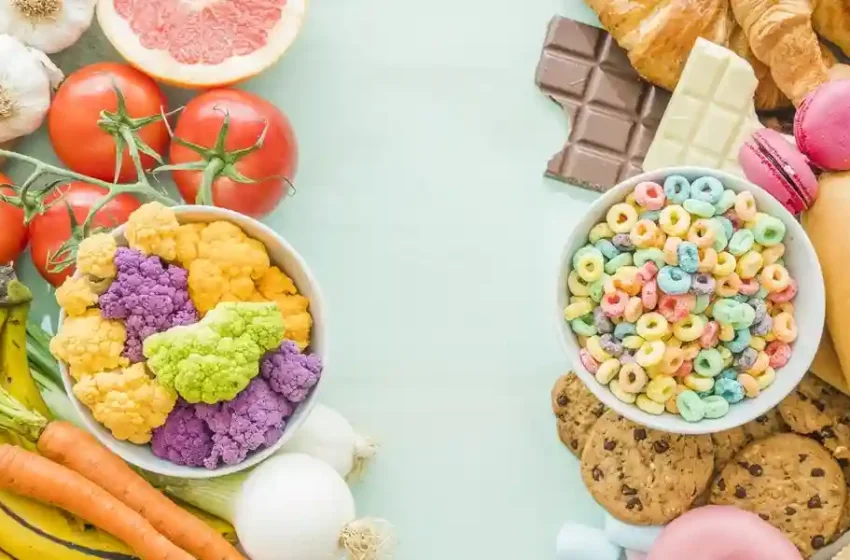
When trying to lose weight, some foods provide plenty of calories without keeping you full. Others can increase cravings, leading you to eat more than your body needs.
The goal isn’t perfection. Instead, focus on eating more whole foods while reducing foods high in added sugar, unhealthy fats, and refined carbohydrates.
Some of the biggest foods to limit include:
- Sugary drinks
- Fast food
- Candy
- Cakes and pastries
- Potato chips
- White bread
- Processed meats
- Sweet breakfast cereals
- Ice cream
- Alcohol
These foods aren’t “bad,” but eating them often can make weight loss much harder.
Why Food Quality Matters More Than Calories
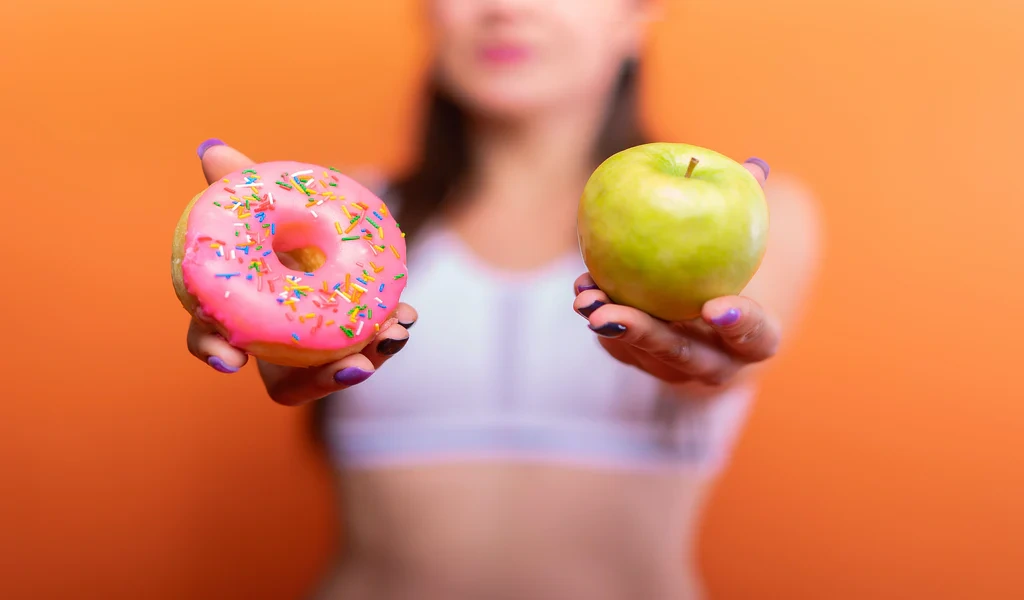
Many people believe weight loss is only about calories. While calorie balance matters, food quality also plays a huge role.
For example, 300 calories from grilled chicken and vegetables will usually keep you satisfied much longer than 300 calories from cookies.
Whole foods offer:
- More fiber
- More protein
- Essential vitamins
- Better digestion
- Improved energy levels
As a result, you’re less likely to overeat throughout the day.
Sugary Drinks: The Hidden Weight Gain Trap
Soft drinks are one of the easiest calories to consume because liquids don’t make us feel as full as solid food.
Common examples include:
- Soda
- Sweet tea
- Energy drinks
- Flavored coffee drinks
- Fruit punches
- Sweetened milkshakes
A single large soft drink may contain over 200 calories and many teaspoons of added sugar.
Better Choices
Instead, choose:
- Water
- Sparkling water
- Unsweetened tea
- Black coffee
- Lemon-infused water
These options support hydration without unnecessary sugar.
Processed Snacks That Slow Progress
Packaged snacks are convenient, but they’re often designed to be highly enjoyable, making it easy to keep eating.
Examples include:
- Chips
- Cheese crackers
- Pretzels
- Snack cakes
- Cookies
Many contain refined flour, unhealthy fats, and large amounts of salt.
Moreover, they usually provide very little fiber or protein.
Healthy Snack Alternatives
Consider replacing processed snacks with:
- Greek yogurt
- Apple slices with peanut butter
- Roasted chickpeas
- Mixed nuts
- Cottage cheese
- Fresh vegetables with hummus
These choices help you stay full for longer.
Fast Food and Fried Foods
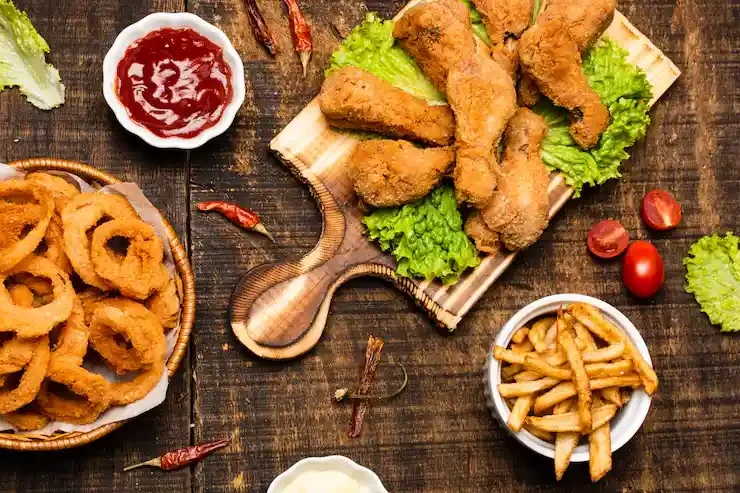
Fast food fits busy lifestyles, but frequent consumption may slow weight loss.
Popular menu items often contain:
- High calories
- Excess sodium
- Saturated fat
- Refined carbohydrates
For example, a burger meal with fries and soda can exceed half of an average adult’s daily calorie needs.
Better Restaurant Choices
When eating out, try to choose:
- Grilled chicken
- Salad with lean protein
- Vegetable sides
- Brown rice
- Water instead of soda
Small changes quickly add up over time.
Refined Carbohydrates and White Flour Products
Refined grains lose much of their natural fiber during processing.
Examples include:
- White bread
- White rice
- Regular pasta
- Pastries
- Doughnuts
Without fiber, these foods digest quickly, causing blood sugar spikes followed by hunger soon afterward.
Whole-Grain Alternatives
Choose:
- Whole wheat bread
- Brown rice
- Quinoa
- Oats
- Whole grain pasta
These foods digest more slowly and help maintain steady energy.
Sweet Breakfast Foods
Breakfast sets the tone for the day.
Unfortunately, many breakfast foods contain more sugar than people realize.
Watch out for:
- Frosted cereals
- Sweet muffins
- Doughnuts
- Pancakes with syrup
- Sugary granola bars
These meals often leave you hungry before lunchtime.
Better Breakfast Ideas
A balanced breakfast may include:
- Eggs with vegetables
- Oatmeal topped with berries
- Greek yogurt with nuts
- Whole grain toast and avocado
Protein and fiber help reduce hunger throughout the morning.
Desserts and Added Sugar
Desserts can absolutely fit into a healthy lifestyle, but portion size matters.
Common high-sugar foods include:
- Cakes
- Brownies
- Candy
- Chocolate bars
- Ice cream
Eating these daily may increase calorie intake without providing lasting fullness.
Instead of eliminating desserts completely, enjoy smaller portions occasionally.
Fresh fruit, dark chocolate, or homemade yogurt parfaits can satisfy sweet cravings with better nutrition.
What Foods Should I Avoid for Weight Loss? Fruits to Watch
Fruit is generally healthy because it provides vitamins, minerals, antioxidants, and fiber.
However, some fruit-based products contain added sugar.
These include:
- Canned fruit in syrup
- Sweetened dried fruit
- Fruit cocktails
- Sugary fruit juices
Some people also search for 5 fruits to avoid weight loss, but the truth is that whole fruits rarely cause weight gain on their own. Portion size and overall eating habits matter much more than avoiding nutritious fruits.
Instead of fruit juice, choose whole fruit whenever possible because the fiber helps you stay full longer.
Foods That Seem Healthy but Aren’t
Marketing can sometimes make processed foods appear healthier than they really are.
Be cautious with:
- Low-fat flavored yogurt
- Protein cookies
- Granola with added sugar
- Flavored oatmeal packets
- Smoothies loaded with syrups
Always read nutrition labels carefully. A product labeled “healthy” may still contain large amounts of sugar or calories.
What Foods Should I Avoid for Weight Loss? Smart Food Swaps
Knowing what to avoid is only half the solution. Replacing high-calorie foods with healthier options makes weight loss more sustainable.
Here are some simple swaps:
| Instead of | Choose |
| Soda | Sparkling water with lemon |
| Potato chips | Air-popped popcorn |
| White bread | Whole-grain bread |
| Ice cream | Greek yogurt with berries |
| Candy | Fresh fruit |
| French fries | Roasted sweet potatoes |
| Sugary cereal | Oatmeal with nuts |
| Processed meat | Grilled chicken or fish |
These changes reduce added sugar while increasing fiber and protein.
Build a Plate That Supports Weight Loss
Rather than focusing only on foods to avoid, think about creating balanced meals.
A simple plate can include:
- ½ vegetables
- ¼ lean protein
- ¼ whole grains or healthy carbohydrates
- A small amount of healthy fats
For example:
- Grilled chicken
- Brown rice
- Steamed broccoli
- A few slices of avocado
This combination provides lasting energy and helps control hunger.
Healthy Habits Matter Just as Much
Food choices are important, but daily habits also influence weight loss.
Try to:
- Eat slowly.
- Drink enough water.
- Sleep 7–9 hours each night.
- Stay physically active.
- Manage stress.
- Plan meals ahead.
- Avoid skipping meals.
Moreover, eating mindfully helps you recognize when you’re truly hungry versus eating out of boredom.
Common Mistakes That Slow Weight Loss
Many people unknowingly make small mistakes that affect their results.
Skipping Meals
Skipping breakfast or lunch often leads to overeating later in the day.
Drinking Calories
Fancy coffees, smoothies, and sugary drinks can add hundreds of calories without making you feel full.
Eating Large Portions
Even healthy foods can contribute to weight gain if portions are consistently too large.
Following Extreme Diets
Very restrictive diets may produce quick results at first, but they’re often difficult to maintain.
Instead, focus on steady, realistic progress.
Expert Tips for Long-Term Success
Health professionals generally recommend building habits you can maintain for years—not just weeks.
Some practical strategies include:
- Prepare meals at home more often.
- Read food labels before buying packaged products.
- Keep healthy snacks nearby.
- Limit highly processed foods.
- Include protein in every meal.
- Fill up on vegetables first.
- Enjoy treats occasionally without guilt.
These habits support gradual, lasting weight loss.
Foods to Enjoy More Often
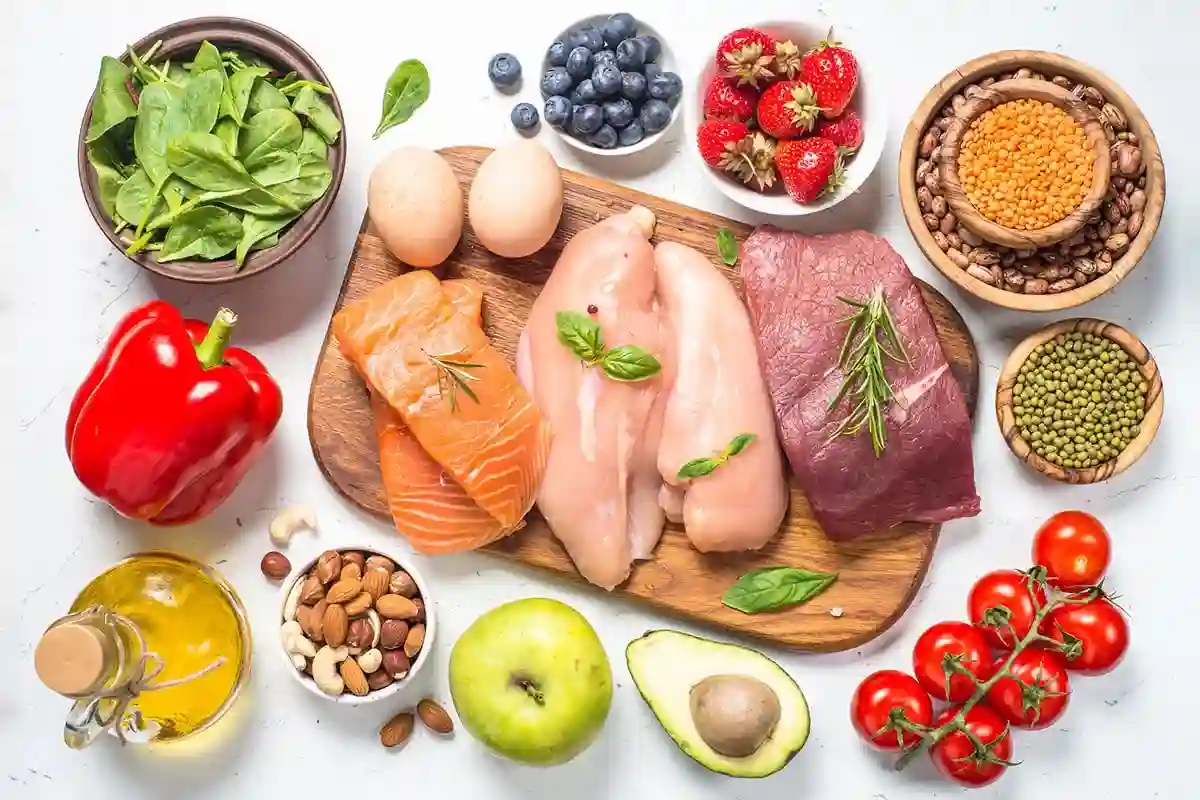
Instead of thinking only about restriction, remember there are many satisfying foods that support healthy weight management.
Some excellent choices include:
- Leafy greens
- Broccoli
- Cauliflower
- Carrots
- Berries
- Apples
- Oranges
- Eggs
- Chicken breast
- Fish
- Beans
- Lentils
- Oats
- Brown rice
- Quinoa
- Greek yogurt
- Cottage cheese
- Almonds
- Walnuts
- Olive oil (in moderation)
These foods provide nutrients while helping you stay full longer.
Why Consistency Beats Perfection
One slice of pizza won’t ruin your progress.
Likewise, one healthy salad won’t magically cause weight loss.
What matters most is what you eat consistently over weeks and months.
If you enjoy a treat at a party, simply return to your healthy routine at the next meal. This balanced mindset is easier to maintain than striving for perfection.
Recent Nutrition Trends Worth Watching
Nutrition science continues to evolve, but one message remains consistent: diets centered on minimally processed foods tend to support better health and weight management.
Current trends include:
- Higher protein meals
- More plant-based foods
- Better understanding of ultra-processed foods
- Personalized nutrition plans
- Mindful eating practices
These approaches focus on long-term health rather than quick fixes.
Conclusion
If you’ve been asking, what foods should i avoid for weight loss?, the answer isn’t about banning every favorite food. Instead, it’s about reducing foods high in added sugar, refined carbohydrates, unhealthy fats, and empty calories while choosing more whole, nutrient-rich options.
Small changes can produce meaningful results over time. Drinking more water instead of soda, choosing whole grains over refined grains, and eating more vegetables are realistic habits that support healthy weight loss.
Remember, lasting success comes from consistency—not perfection. Build habits you can enjoy, stay active, and celebrate progress one step at a time.
Frequently Asked Questions
How to lose 5 kg in a 7 day diet?
Losing 5 kg in seven days is generally not considered safe or realistic for most people. A balanced diet, regular exercise, and gradual weight loss are healthier and more sustainable.
What is the 3-3-3 rule for losing weight?
The meaning of the 3-3-3 rule varies depending on the program. Some versions encourage balanced meals, regular movement, and mindful eating. There is no single medically accepted definition, so focus on evidence-based habits instead.
What foods should a neurologist avoid?
Many neurologists recommend limiting highly processed foods, excess sugar, trans fats, and excessive alcohol, particularly for overall brain health. Individual advice depends on a person’s medical condition.
What are 20 foods that burn fat?
No food literally burns fat on its own. However, foods that support weight management include eggs, salmon, chicken breast, Greek yogurt, oats, beans, lentils, spinach, broccoli, cauliflower, apples, berries, oranges, almonds, walnuts, avocado, quinoa, brown rice, green tea, and chili peppers as part of a balanced diet.
Can I lose 10 kg in 2 months?
For some people, losing 10 kg in two months may be possible under medical supervision, especially if they have a higher starting weight. However, a gradual rate of about 0.5–1 kg per week is generally recommended for sustainable and healthy weight loss.
⭐ Make MindLiva Your Preferred Source on Google
Get trusted health, wellness, and lifestyle articles from MindLiva.
Add MindLiva
Samie Babaei is a medical science student at Shahid Beheshti University of Medical Sciences with a strong interest in health, wellness, and medical research. As a health writer and researcher at MindLiva, she focuses on creating clear, evidence-based content that helps readers better understand health and well-being.