



5 Fruits to Avoid Weight Loss: Stay Slim and Healthy
Trying to lose weight without giving up fruit? The secret isn’t avoiding fruit altogether—it’s choosing the right portions and knowing which fruits are higher in calories or sugar. This guide explains the 5 fruits to avoid weight loss, healthier alternatives, and practical tips to help you reach your goals while still enjoying nutritious foods.
Have you ever wondered why you’re eating plenty of fruit but the scale still isn’t moving? You’re not alone. Many people assume that because fruit is natural, they can enjoy as much as they want without affecting their weight. If you’ve been asking, what foods should I avoid for weight loss?, it’s worth understanding that while fruits are rich in vitamins, minerals, antioxidants, and fiber, some also contain higher amounts of natural sugar and calories than others.
This doesn’t mean these fruits are unhealthy or should be removed from your diet. Instead, portion size is what matters most. If your goal is to lose weight, regularly eating large servings of higher-calorie fruits can make it harder to stay in a calorie deficit. According to nutrition experts, no fruit needs to be completely avoided. Instead, focus on enjoying a variety of fruits in balanced portions as part of an overall healthy eating plan.
In this guide, you’ll discover the 5 fruits to avoid weight loss goals, why portion size matters more than elimination, healthier alternatives, and practical tips for making fruit work for your diet—not against it.
Why Fruit Choice Matters During Weight Loss
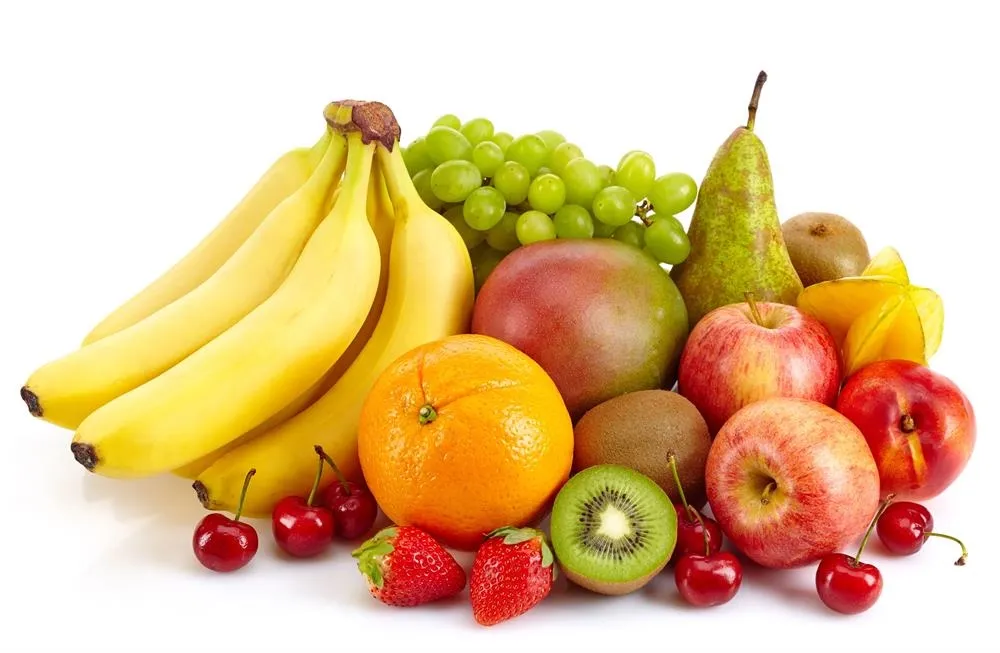
Weight loss is much more than simply eating “healthy” foods. Your body responds to your overall calorie intake, activity level, and nutritional balance. Fruits are naturally rich in vitamins, fiber, and antioxidants, making them far healthier than sugary desserts or processed snacks. However, not every fruit has the same nutritional profile.
Some fruits contain significantly more natural sugars, calories, or carbohydrates. Eating them occasionally is perfectly healthy, but consuming large servings several times a day can increase your calorie intake without you realizing it.
For example, two large mangoes may provide nearly the same calories as a complete balanced meal. Likewise, several handfuls of grapes can easily exceed 300 calories because they’re so easy to snack on mindlessly.
The important takeaway is simple: fruit supports weight loss when eaten wisely, not endlessly. Dietitians consistently recommend focusing on portion control instead of eliminating nutritious foods.
5 Fruits to Avoid for Weight Loss
1. Mangoes
Mangoes are delicious and packed with vitamin C, vitamin A, and antioxidants. However, they’re also among the sweeter fruits available.
One medium mango contains roughly 200 calories along with a large amount of natural sugar. Eating one occasionally isn’t a problem, but finishing multiple mangoes in one sitting can significantly increase your daily calorie intake.
Better approach:
- Eat half a mango.
- Pair it with Greek yogurt.
- Avoid adding mango to already sweet smoothies.
2. Grapes
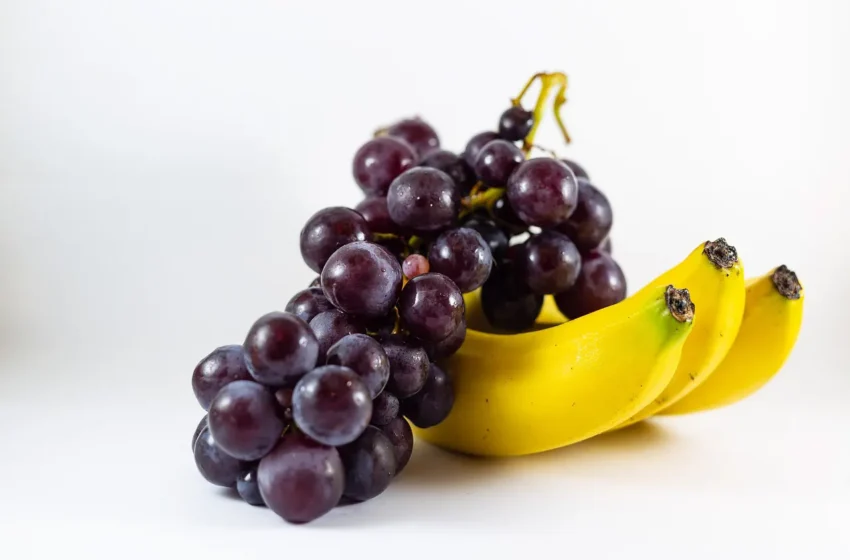
Grapes are incredibly easy to overeat. Because they’re small, most people don’t notice how many they’ve consumed.
One cup contains around 100 calories, but several handfuls quickly double or triple that amount.
Despite their sugar content, grapes remain nutritious. The goal isn’t to eliminate them but to enjoy measured portions.
3. Bananas
Bananas often receive criticism during weight-loss discussions, but they deserve a balanced perspective.
A medium banana provides around 100 calories plus potassium, vitamin B6, and fiber. They’re an excellent pre-workout snack because they provide sustained energy.
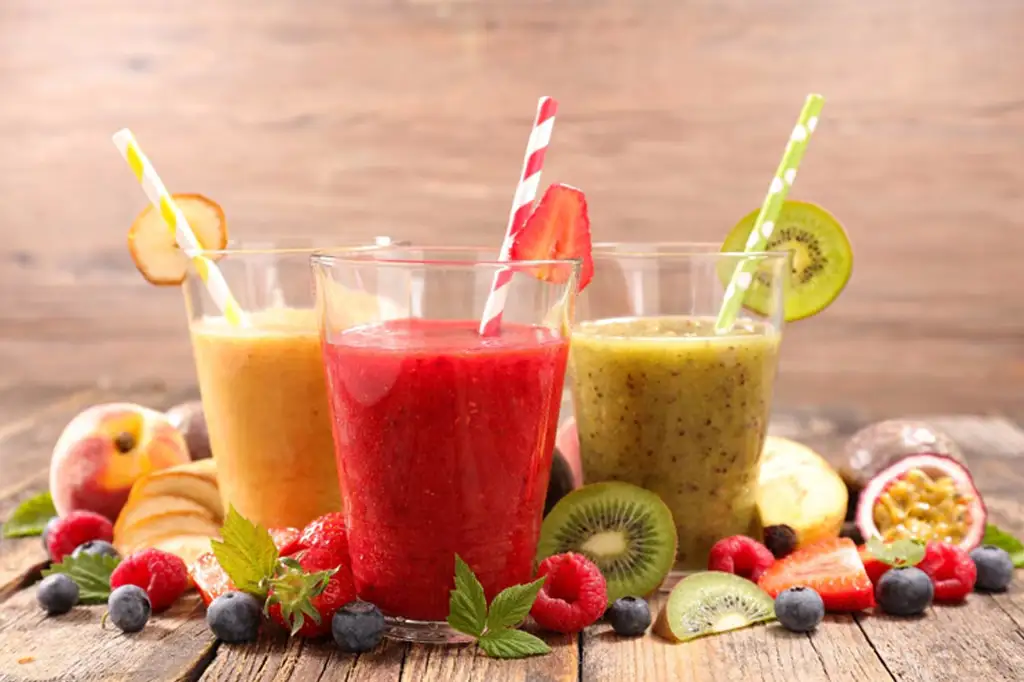
The issue arises when bananas are blended with peanut butter, honey, oats, chocolate, and protein powder into calorie-heavy smoothies.
Instead:
- Eat one banana as a snack.
- Pair it with peanut butter only if it fits your calorie goals.
Nutrition experts agree bananas can absolutely fit into a healthy weight-loss diet.
4. Dried Fruits
Dried fruits deserve special attention because they’re much easier to overeat than fresh fruit.
Removing water concentrates both calories and sugar into a much smaller serving.
For example:
| Fruit | Fresh | Dried |
| Grapes | ~104 calories per cup | Raisins ~430 calories per cup |
| Apricots | ~74 calories | Dried ~313 calories |
| Figs | ~37 calories each | Dried ~47 calories each |
Although dried fruits still contain fiber and nutrients, portion control becomes extremely important.
5. Avocados
Many people are surprised to see avocados on this list.
They’re full of healthy monounsaturated fats, fiber, potassium, and vitamins. Yet they’re also among the highest-calorie fruits.
One whole avocado contains approximately 240–320 calories depending on size.
That doesn’t make avocados unhealthy—it simply means eating an entire avocado every day may not suit every calorie-controlled diet.
A quarter or half avocado often provides plenty of nutrition while keeping calories manageable.
Should You Stop Eating These Fruits Completely?
Absolutely not.
One of the biggest myths surrounding weight loss is that certain fruits are “bad.” Modern nutrition research consistently shows that whole fruits support overall health, and their fiber helps people stay fuller for longer. The real issue is excessive portions or replacing balanced meals with large quantities of fruit.
Think of fruit like nuts or olive oil—healthy, but still worth enjoying in reasonable amounts.
Best Fruits to Eat Instead
If your goal is maximizing fullness while keeping calories lower, these fruits make excellent choices:
- Apples
- Strawberries
- Blueberries
- Raspberries
- Blackberries
- Grapefruit
- Kiwi
- Oranges
- Watermelon
These fruits generally provide more water and fiber relative to calories, helping you feel satisfied longer.
Smart Snack Combinations
Instead of eating fruit alone, combine it with protein for greater satiety:
- Apple + peanut butter
- Strawberries + Greek yogurt
- Blueberries + cottage cheese
- Orange + almonds
- Kiwi + plain yogurt
Common Weight Loss Mistakes with Fruit
Many people unknowingly consume extra calories through fruit without realizing it.
Common mistakes include:
- Drinking fruit juice instead of eating whole fruit.
- Consuming oversized smoothie bowls.
- Snacking on dried fruit by the handful.
- Assuming “natural sugar” doesn’t count toward calories.
- Eating fruit after already feeling full.
Whole fruit remains the healthier option because fiber slows digestion and improves fullness.
Expert Tips for Sustainable Weight Loss
Healthy weight loss isn’t about creating long lists of forbidden foods.
Instead:
- Eat mostly whole foods.
- Include lean protein with every meal.
- Prioritize vegetables.
- Choose whole fruit over juice.
- Watch serving sizes.
- Stay physically active.
- Sleep 7–9 hours each night.
- Stay hydrated.
One personal strategy that works well is using fruit as a replacement for dessert rather than adding it after meals. This simple habit satisfies sweet cravings while keeping overall calories under control.
Conclusion
The phrase “5 fruits to avoid weight loss” can be misleading because no fruit automatically causes weight gain. Fruits like mangoes, grapes, bananas, dried fruits, and avocados simply require a little more attention to portion size due to their higher calorie or sugar content.
The most successful weight-loss plans don’t eliminate nutritious foods—they teach moderation. Choosing whole fruits, controlling portions, pairing fruit with protein, and maintaining an overall calorie deficit will produce far better long-term results than cutting out fruit entirely.
Healthy eating is about balance, consistency, and making smart choices that you can maintain for life.
FAQs
1. Should I stop eating bananas to lose weight?
No. Bananas are nutritious and filling. Just enjoy moderate portions that fit your daily calorie needs.
2. Which fruit is best for burning belly fat?
No fruit specifically burns belly fat. High-fiber fruits like berries, apples, and grapefruit may help you feel full while supporting a calorie-controlled diet.
3. Are dried fruits bad for weight loss?
Not at all. They’re healthy but much more calorie-dense than fresh fruit, so smaller portions are recommended.
4. Can I eat fruit at night while dieting?
Yes. Overall calorie intake throughout the day matters more than the time you eat fruit.
5. Is fruit juice healthier than whole fruit?
Whole fruit is generally the better choice because it contains fiber, which helps slow sugar absorption and keeps you feeling full longer.
⭐ Make MindLiva Your Preferred Source on Google
Get trusted health, wellness, and lifestyle articles from MindLiva.
Add MindLiva
Samie Babaei is a medical science student at Shahid Beheshti University of Medical Sciences with a strong interest in health, wellness, and medical research. As a health writer and researcher at MindLiva, she focuses on creating clear, evidence-based content that helps readers better understand health and well-being.