




Weight Loss Surgery Before and After: Incredible Changes
Have you ever looked at a weight loss surgery before and after a photo and wondered what really happens between those two images? Those pictures often show dramatic transformations, but they tell only part of the story.
For many people living with obesity, weight loss surgery is more than a cosmetic change. It can improve mobility, reduce chronic disease risk, boost self-confidence, and create opportunities for a healthier future. The journey requires commitment, patience, and lifestyle changes, but the results can be remarkable.
In this article, you’ll learn what to expect before and after bariatric surgery, how the body changes over time, the health benefits involved, and how people maintain their results for years after surgery.
Why Weight Loss Surgery Is Changing Lives
Understanding Bariatric Surgery
Weight loss surgery, also known as bariatric surgery, includes medical procedures designed to help people lose significant amounts of weight by changing the digestive system. Common procedures include gastric sleeve surgery and gastric bypass surgery.
Unlike fad diets or short-term weight loss programs, bariatric surgery addresses obesity from a physiological perspective. It reduces stomach capacity, affects hunger hormones, and helps patients consume fewer calories while feeling satisfied with smaller portions.
Research continues to show that bariatric surgery is among the most effective treatments for severe obesity. Recent studies found that patients often experience substantial and sustained weight loss, and in many cases, concerns like apron belly after weight loss become more noticeable as the body adjusts. Even so, many individuals maintain significant long-term results years after surgery, especially when they follow proper lifestyle habits and medical guidance.
Who Can Benefit Most?
Weight loss surgery is generally recommended for individuals with severe obesity, especially when traditional methods such as diet and exercise have not provided lasting results.
Candidates often include:
- Individuals with a BMI of 40 or higher
- People with obesity-related conditions such as type 2 diabetes
- Patients experiencing sleep apnea
- Individuals facing obesity-related mobility challenges
The decision is always made with healthcare professionals who evaluate physical health, medical history, and readiness for lifestyle changes.
Weight Loss Surgery Before and After – What to Expect
Physical Changes in the First 3 Months
The first few months after surgery are often the most dramatic. Many patients notice rapid weight reduction as their calorie intake decreases significantly.
During this phase, people typically experience:
- Reduced appetite
- Smaller meal portions
- Increased energy levels
- Better blood sugar control
The body begins adapting quickly. Clothes become looser, movement becomes easier, and many patients notice changes in facial appearance and body shape.
However, this stage also requires adjustment. Patients must follow strict dietary guidelines and focus heavily on hydration and protein intake.
Changes After 6 to 12 Months
Between six and twelve months, the transformation becomes even more noticeable. This period often produces the most impressive weight loss surgery before and after photographs.
People commonly report:
- Significant reductions in body fat
- Improved physical fitness
- Better sleep quality
- Increased confidence
As weight decreases, activities that once felt difficult become easier. Climbing stairs, walking long distances, and participating in social activities often become more enjoyable.
Many patients also begin strength training to preserve muscle mass and improve body composition.
Long-Term Results After Several Years
Long-term success depends on consistency. Surgery provides a powerful tool, but maintaining results requires healthy habits.
Large-scale studies show that many bariatric surgery patients maintain substantial weight loss for five years or longer. Some procedures have demonstrated average total body weight loss exceeding 25% even after several years.
Patients who maintain healthy eating patterns, exercise regularly, and attend follow-up appointments generally experience the best outcomes.
Types of Weight Loss Surgery
Gastric Sleeve Surgery
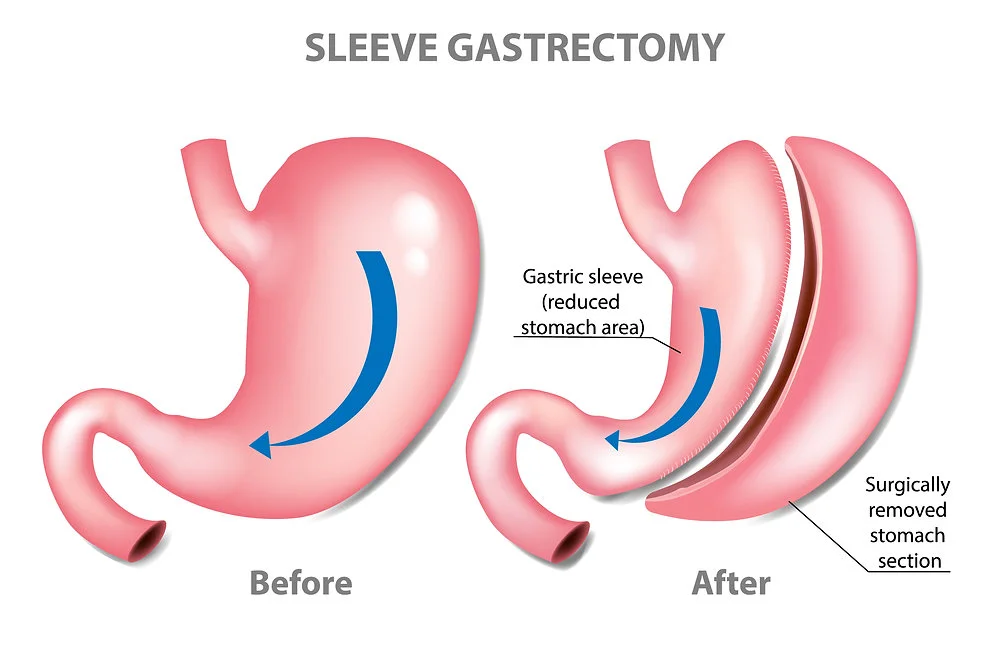
Gastric sleeve surgery, also called sleeve gastrectomy, is one of the most common bariatric procedures today.
During surgery, a large portion of the stomach is removed, leaving a smaller sleeve-shaped stomach. This limits food intake and influences hunger hormones.
Benefits include:
- Significant weight loss
- Shorter procedure time
- No intestinal rerouting
- Reduced hunger
Recent studies continue to show strong long-term outcomes for sleeve gastrectomy patients.
Gastric Bypass Surgery
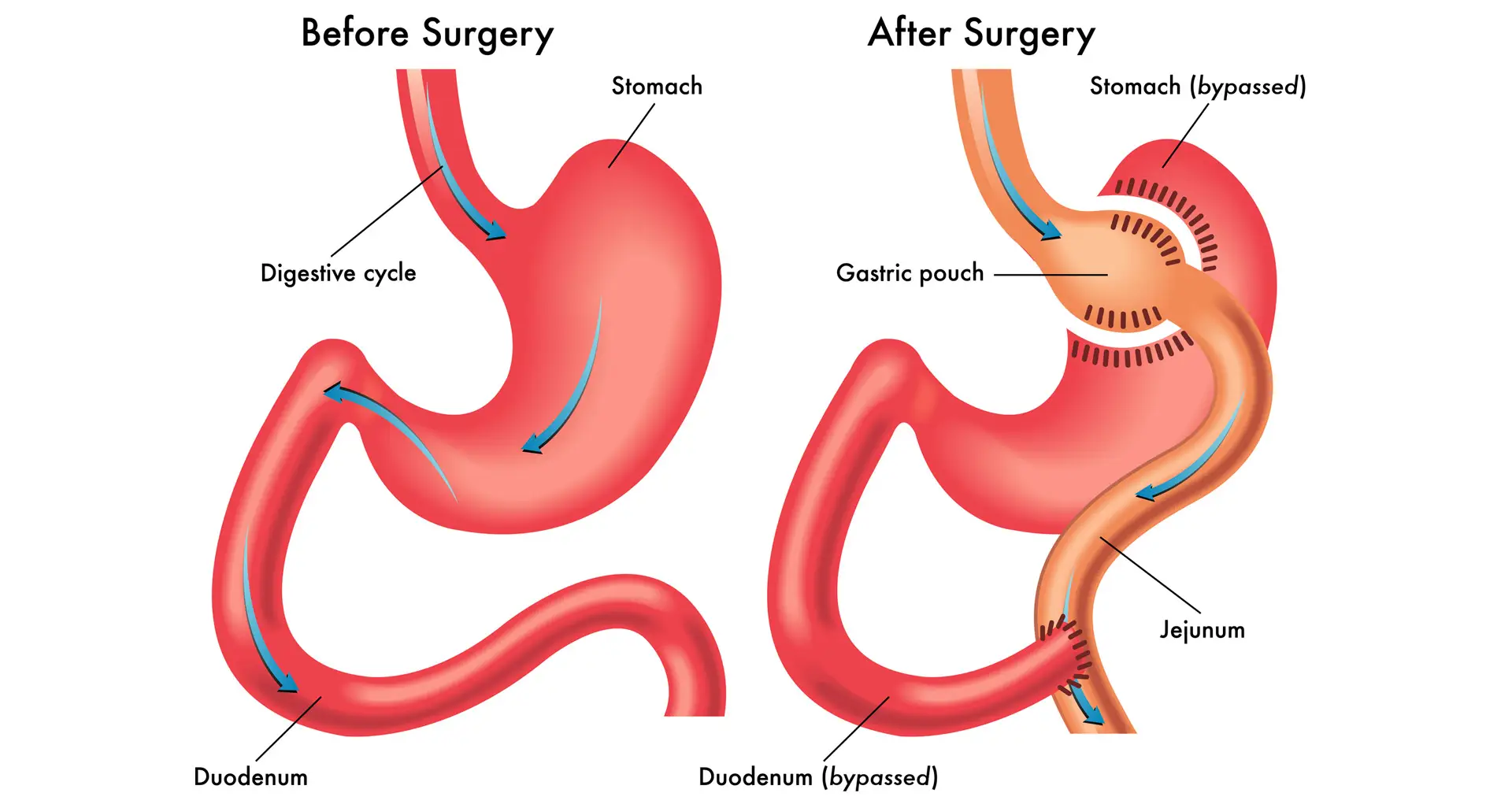
Gastric bypass is another highly effective procedure. It creates a small stomach pouch and reroutes part of the digestive tract.
Advantages include:
- Rapid weight loss
- Excellent diabetes improvement
- Long-term success rates
Research suggests gastric bypass may produce slightly greater weight loss than sleeve gastrectomy in some patient groups.
Other Bariatric Procedures
Less common procedures include:
- Adjustable gastric banding
- Duodenal switch surgery
- One-anastomosis gastric bypass
Each option has unique advantages and risks. A bariatric specialist can determine the most suitable approach based on individual needs.
Weight Loss Surgery Before and After Success Stories
Realistic Transformations
The internet is filled with inspiring transformation stories. Some individuals lose 100 pounds or more, while others experience smaller but equally meaningful improvements.
One common theme appears repeatedly: successful patients view surgery as a starting point rather than a magic solution.
They focus on:
- Healthy eating habits
- Regular physical activity
- Consistent follow-up care
- Mental health support
These habits help transform temporary weight loss into lifelong success.
Non-Scale Victories
The scale tells only part of the story.
Many patients celebrate achievements such as:
- Fitting into smaller clothing sizes
- Reduced joint pain
- Increased energy
- Improved relationships
- Better career confidence
These non-scale victories often provide greater motivation than the number displayed on a weighing scale.
Health Benefits Beyond Weight Loss
Diabetes Improvement
One of the most remarkable benefits of bariatric surgery involves type 2 diabetes.
Studies consistently demonstrate significant improvements in blood sugar control after surgery. Many patients reduce medications, while some experience remission.
This improvement often occurs before major weight loss happens, highlighting the metabolic effects of surgery.
Heart Health Benefits
Obesity increases the risk of cardiovascular disease.
After surgery, patients frequently experience:
- Lower blood pressure
- Improved cholesterol levels
- Reduced inflammation
- Better cardiovascular fitness
Research suggests bariatric surgery can lower long-term risks associated with heart disease and improve overall survival rates.
Mental and Emotional Changes
The emotional transformation can be just as powerful as the physical one.
Many patients report:
- Increased self-esteem
- Reduced anxiety related to body image
- Greater social participation
- Improved quality of life
Mental health support remains important because adjusting to rapid body changes can sometimes be emotionally challenging.
Challenges During the Journey
Weight Loss Plateaus
Nearly every patient experiences plateaus.
A plateau occurs when weight loss slows or temporarily stops despite continued effort. This is a normal biological response as the body adapts.
Strategies that help include:
- Tracking food intake
- Increasing protein consumption
- Strength training
- Reviewing eating habits with professionals
Patience is essential during these periods.
Lifestyle Adjustments
Surgery changes eating patterns permanently.
Patients must learn to:
- Eat slowly
- Prioritize protein
- Stay hydrated
- Avoid overeating
These habits may seem difficult initially, but they become routine over time.
Weight Loss Surgery Before and After Comparison Table
| Factor | Before Surgery | After Surgery |
| Weight | Often significantly elevated | Major reduction over time |
| Energy Levels | Frequently low | Often improved |
| Mobility | Limited movement | Increased activity |
| Diabetes Control | May require medication | Often improved |
| Sleep Quality | Common sleep issues | Better rest |
| Confidence | Frequently affected | Often increased |
| Clothing Size | Larger sizes | Smaller sizes |
| Physical Activity | Difficult | More manageable |
Tips for Maintaining Results

Nutrition Habits
Long-term success relies heavily on nutrition.
Focus on:
- Lean protein sources
- Vegetables and fruits
- Whole foods
- Adequate hydration
Limiting processed foods and sugary beverages helps prevent weight regain.
A personal insight shared by many successful patients is that meal planning becomes one of the most powerful habits for maintaining results.
Exercise and Strength Training
Exercise complements surgical results.
Strength training is particularly valuable because it:
- Preserves muscle mass
- Supports metabolism
- Improves body composition
- Enhances long-term weight maintenance
Even simple daily walks can make a significant difference.
Conclusion
The journey of weight loss surgery before and after extends far beyond dramatic photos. It represents a commitment to better health, improved mobility, and a higher quality of life.
While surgery provides a powerful tool, lasting success comes from combining medical treatment with healthy habits, consistent exercise, proper nutrition, and ongoing support. The most inspiring transformations are not simply about losing weight—they are about gaining freedom, confidence, and the ability to live life more fully.
Whether someone loses 50 pounds or 200 pounds, the greatest victory is creating sustainable changes that support long-term health and happiness.
FAQs
1. How much weight can you lose after weight loss surgery?
Most patients lose between 50% and 70% of their excess weight, although results vary depending on the procedure and lifestyle habits.
2. How long does it take to see noticeable results?
Many patients notice visible changes within the first month, with major transformations typically occurring during the first year.
3. Can weight come back after bariatric surgery?
Yes. Weight regain is possible if healthy habits are not maintained. Long-term success depends on nutrition, activity, and follow-up care.
4. Which weight loss surgery has the best results?
Both gastric bypass and gastric sleeve surgery produce excellent outcomes. The best choice depends on individual health needs and medical recommendations.
5. Is weight loss surgery safe?
Modern bariatric surgery is generally considered safe when performed by experienced surgeons. Like any surgery, it carries risks that should be discussed with healthcare professionals.
⭐ Make MindLiva Your Preferred Source on Google
Get trusted health, wellness, and lifestyle articles from MindLiva.
Add MindLiva
Samie Babaei is a medical science student at Shahid Beheshti University of Medical Sciences with a strong interest in health, wellness, and medical research. As a health writer and researcher at MindLiva, she focuses on creating clear, evidence-based content that helps readers better understand health and well-being.