



Apron Belly After Weight Loss: Causes & Best Fixes
Have you lost weight and improved your eating habits, yet still notice a fold of skin hanging over your lower abdomen? You are not alone. An apron belly after weight loss is a common concern, especially among people who have lost a significant amount of weight or experienced major body changes after pregnancy.
This fold, often called an abdominal pannus, can contain loose skin, remaining fat, or both. Although weight loss can reduce abdominal size, the skin does not always shrink enough to match the body’s new shape.
The good news is that several options can help. Depending on the cause, you may benefit from strength training, balanced nutrition, skin care, or a medical procedure. However, the best approach depends on whether the main issue is excess fat, loose skin, or another abdominal condition. This guide explains what causes an apron belly, what happens after weight loss, and how to choose a realistic treatment.
What Is an Apron Belly After Weight Loss?
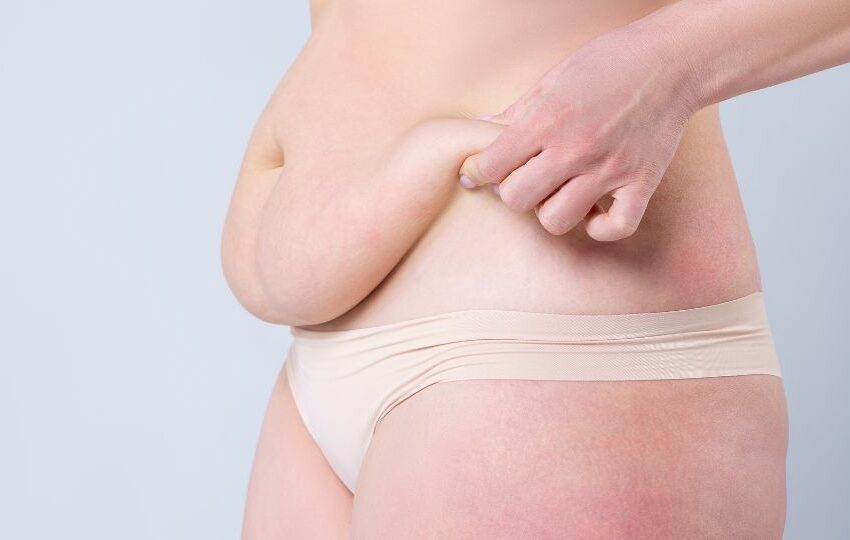
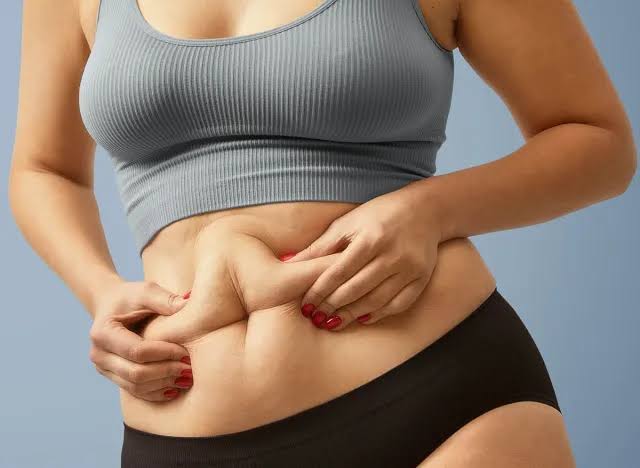
An apron belly is a fold of skin and fatty tissue that hangs down from the lower abdomen. It may cover part of the pubic area or extend farther toward the upper thighs.
Healthcare professionals often call this fold an abdominal pannus or panniculus. When it becomes large enough to interfere with movement, hygiene, or daily activities, it may require medical attention.
An apron belly is not a medical problem in every case. For some people, it is mainly a cosmetic concern. For others, the fold traps moisture, rubs against clothing, or causes repeated skin irritation.
Importantly, an apron belly does not automatically mean that someone is overweight. A person can reach a healthy weight and still have excess abdominal skin.
What Does an Apron Belly Look Like?
The appearance varies from person to person.
- Small abdominal fold: A small amount of skin and fat hangs below the navel.
- Moderate apron belly: The fold covers the pubic area and may cause friction during exercise.
- Large abdominal pannus: The fold extends over the groin or upper thighs and may interfere with walking, dressing, or personal hygiene.
These descriptions refer to appearance, not a formal grading system. A healthcare professional can assess the amount of excess tissue and any related health concerns.
What Causes an Apron Belly?
Several factors can contribute to the development of an apron belly. In many cases, more than one factor is involved.
1. Significant Weight Loss
When the body carries excess fat for a long time, the skin stretches to accommodate the larger body size. After substantial weight loss, the fat layer becomes smaller, but the skin may not fully retract.
This is especially common after losing a large amount of weight. The result can be a lower abdominal fold that remains even when the person’s overall body size has changed significantly.
2. Reduced Skin Elasticity With Age
Skin contains collagen and elastin, which help it stay firm and flexible. As people age, these structures gradually change, and the skin may become less able to return to its previous shape.
Genetics, sun exposure, smoking, and other factors can also affect skin quality.
Consequently, two people who lose the same amount of weight may have very different results. One may notice considerable skin tightening, while the other may retain a larger fold.
3. Pregnancy and Abdominal Changes
During pregnancy, the abdominal skin and muscles stretch to make room for the growing uterus. After delivery, some skin and muscle changes improve naturally, but others may remain.
Pregnancy can also contribute to diastasis recti, a separation of the abdominal muscles. This condition may cause a rounded or bulging abdomen even after the pregnancy weight has been lost.
4. Remaining Abdominal Fat
An apron belly may contain a layer of fat beneath the skin. If a person still has excess body fat, gradual fat loss may reduce the size of the fold.
However, fat loss and skin tightening are different processes. Reducing fat may make an existing skin fold smaller without eliminating it.
5. Repeated Weight Changes
Repeated cycles of weight gain and loss can affect the appearance of the abdomen. The amount of change depends on genetics, age, the degree of weight fluctuation, and skin elasticity.
Still, weight cycling is not the only cause of an apron belly. Some people develop one after a single period of major weight loss.
Apron Belly Before and After Weight Loss: What Really Changes?
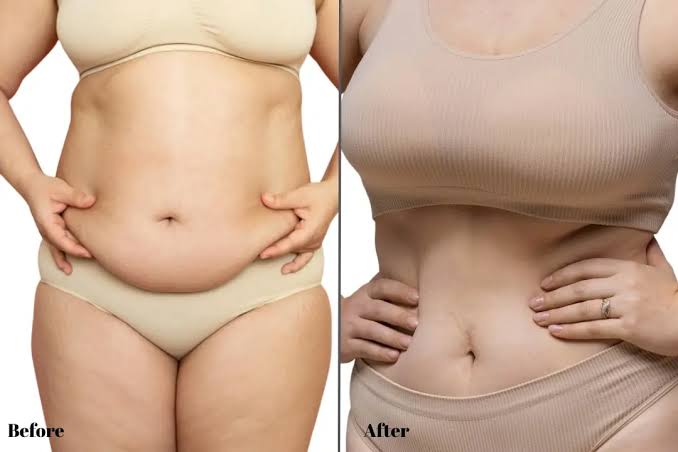
The phrase apron belly before and after weight loss often describes photographs showing a smaller waist and a changed abdominal shape. However, the results are not the same for everyone.
When body fat decreases, the abdomen may become smaller and the fold may contain less fat. At the same time, stretched skin can become more visible because there is less tissue underneath it to fill it out.
For example, imagine someone who loses 30 kilograms. Their waist measurement may decrease significantly, and their health markers may improve, but they may still have loose skin hanging below the navel.
This does not mean the weight loss failed. It means that changes in body fat and changes in skin are not identical.
What Influences Your Results?
| Factor | Possible effect |
| Amount of weight lost | Greater weight loss may leave more excess skin |
| Age and genetics | Influence skin elasticity and body shape |
| Remaining body fat | Can affect the size and weight of the fold |
| Muscle strength | Can improve abdominal function and posture |
| Time after weight loss | Helps reveal the longer-term skin changes |
| Surgery | Can remove excess skin when appropriate |
It is also important to interpret before-and-after photographs carefully. Lighting, posture, clothing, and camera angles can change how the abdomen looks.
In short, the most useful measure of progress is not a photograph alone. Comfort, mobility, strength, and overall health matter too.
How to Get Rid of Apron Belly After Weight Loss Fast: Realistic Options
The fastest effective treatment depends on what is causing the fold. There is no exercise, cream, or diet that can reliably remove a large amount of loose skin overnight.
However, the following strategies can help you make informed decisions.
1. Maintain a Healthy, Stable Weight
If remaining abdominal fat is contributing to the fold, gradual weight loss may help when additional weight loss is appropriate for your health.
Focus on sustainable habits rather than crash diets. Severe calorie restriction can make it harder to preserve muscle and meet your nutritional needs.
Try to:
- Eat balanced meals with vegetables, fruit, whole grains, and protein.
- Limit sugary drinks and frequent high-calorie snacks when they replace nutritious foods.
- Choose a realistic eating pattern you can maintain.
- Track your progress over several weeks rather than reacting to daily weight changes.
However, if you already have a healthy, stable weight and the fold mainly consists of loose skin, losing more weight may not improve it. Further weight loss can sometimes make the excess skin more noticeable.
2. Build Abdominal Strength
Core exercises strengthen the muscles beneath the abdominal fold. They may improve posture, stability, and everyday movement, but they do not remove loose skin or selectively burn lower belly fat.
Begin with exercises that feel comfortable and can be performed with good control.
Suitable beginner exercises include:
- Dead bugs: Lie on your back and slowly move the opposite arm and leg while keeping your trunk steady.
- Bird dogs: Extend one arm and the opposite leg from a hands-and-knees position.
- Pelvic tilts: Gently tighten your abdominal muscles while moving your pelvis.
- Modified planks: Support your body on your forearms and knees, keeping your back comfortable.
- Walking: Improve general fitness while supporting weight maintenance.
Start with a few repetitions and build gradually. If you notice pain, abdominal doming, pelvic pressure, or a worsening bulge, stop and seek advice from a qualified professional.
If you suspect diastasis recti, a physical therapist with experience in abdominal or pelvic health can help you choose appropriate exercises.
3. Eat Enough Protein and Essential Nutrients

Adequate nutrition helps preserve muscle during weight loss and supports normal tissue repair.
Include protein sources such as eggs, fish, poultry, yogurt, beans, lentils, and tofu. Also eat a variety of fruit and vegetables to obtain vitamin C and other nutrients involved in normal tissue health.
However, no food or supplement can remove an apron belly directly. Collagen supplements may affect certain measures of skin quality in some studies, but evidence that they can eliminate substantial excess abdominal skin remains limited.
If you have had bariatric surgery, ask your healthcare team about your individual protein and vitamin requirements.
4. Choose Regular, Low-Impact Activity
Walking, swimming, cycling, and suitable strength exercises can support overall fitness and weight maintenance.
Swimming may be especially comfortable if the abdominal fold rubs against clothing during other activities. Breathable clothing and a well-fitting support garment can also reduce friction.
For example, you could begin with a 15-minute walk and gradually increase the duration as your fitness improves.
The goal is not to force the fold to disappear through exercise. Instead, focus on improving health, preserving muscle, and choosing activities that you can continue comfortably.
5. Protect the Skin Under the Fold
Moisture and friction can build up beneath an apron belly, particularly in hot weather. This may cause redness, itching, unpleasant odors, and skin infections.
To protect the area:
- Wash gently with mild soap and water.
- Dry the fold carefully after bathing.
- Wear breathable clothing.
- Change out of sweaty clothes promptly.
- Use an appropriate barrier cream if friction is a problem.
Avoid harsh scrubbing, strongly scented products, or home remedies that irritate the skin.
If redness persists, the area becomes painful, or you develop open sores, discharge, or a spreading rash, seek medical advice.
Medical Treatments for Apron Belly After Weight Loss
When a fold contains substantial excess skin, lifestyle changes may not produce the result you want. Medical treatments can offer more direct solutions, but the right option depends on your health and the amount of tissue involved.
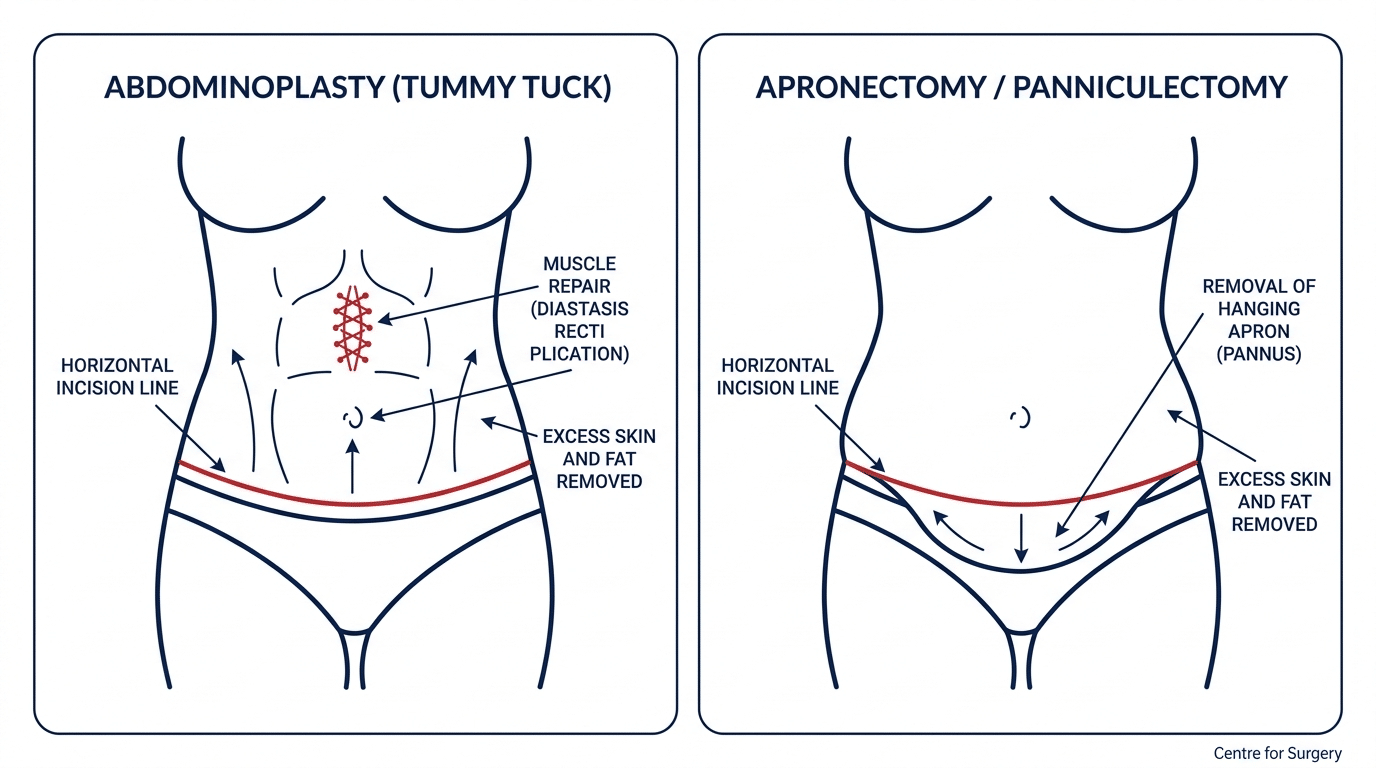
1. Panniculectomy
A panniculectomy is an operation that removes the hanging fold of excess skin and fat from the lower abdomen.
It may be considered when the fold causes recurrent skin irritation, infections, hygiene problems, or difficulty with daily activities.
However, a panniculectomy does not necessarily tighten abdominal muscles or create the same contour as a tummy tuck. The main goal is to remove the overhanging tissue.
2. Tummy Tuck (Abdominoplasty)
A tummy tuck removes excess skin and fat and may include tightening separated abdominal muscles when appropriate.
It is generally considered for people who want to improve abdominal contour and have enough loose skin to benefit from surgery.
The procedure involves recovery time, scars, and risks such as infection, bleeding, fluid collection, wound-healing problems, and blood clots.
Before deciding, discuss your expectations, medical history, recovery needs, and potential complications with a qualified plastic surgeon.
3. Liposuction
Liposuction removes selected areas of fat but does not remove a large hanging fold of skin.
If loose skin is the main concern, liposuction alone may not help and can sometimes make skin laxity more noticeable. In selected cases, a surgeon may combine liposuction with another body-contouring procedure.
4. Non-Surgical Skin-Tightening Treatments
Radiofrequency and certain ultrasound-based treatments are marketed for skin tightening. They may offer modest improvements in selected people with mild skin laxity.
However, these procedures generally cannot remove large amounts of hanging skin. Ask a qualified dermatologist or plastic surgeon about the expected benefits, limitations, costs, and risks before paying for treatment.
Apron Belly After Weight Loss Surgery: What to Expect
Bariatric procedures such as gastric bypass and sleeve gastrectomy can lead to major changes in body weight. Nevertheless, they do not guarantee that the skin will return to its previous shape.
Searches for weight loss surgery before and after often focus on dramatic differences in body size. Yet the photographs may not show excess skin, skin irritation, or the additional procedures some people consider after reaching a stable weight.
After major weight loss, some people find that their abdominal fold interferes with exercise, clothing, or personal hygiene.
When Is Surgery Usually Considered?
Before body-contouring surgery, surgeons commonly want patients to reach a stable weight and maintain it for several months. A period of around six months or longer may be recommended, depending on the person’s situation and the surgeon’s advice.
Stable weight can make it easier to assess the remaining skin and reduce the chance that further weight changes will affect the results.
People who have had bariatric surgery may also need assessment for nutritional deficiencies before an operation. Adequate protein, vitamins, and minerals are important for healing.
Does Insurance Cover Apron Belly Removal?
Coverage varies by country, insurer, and procedure. If the fold causes documented medical problems, such as recurrent infections or skin breakdown, removal may qualify for coverage in some healthcare systems.
Purely cosmetic surgery is often excluded. Ask your insurer and surgeon which records, photographs, examinations, or other documentation may be required.
Apron Belly or Lipedema: How Are They Different?
The search term lipedema before and after weight loss often appears in discussions about stubborn body fat. However, lipedema and an apron belly are different conditions.
An apron belly refers to a fold of skin and fatty tissue around the lower abdomen. Lipedema is a chronic disorder involving abnormal fat distribution, usually affecting both legs and sometimes the arms.
Lipedema may cause tenderness, pain, easy bruising, and disproportionate enlargement of the affected limbs. The feet are often less affected than the lower legs.
Weight loss may reduce overall body fat in someone with lipedema, but it may not fully resolve the condition or its symptoms.
If you have painful legs, easy bruising, or persistent swelling, seek an assessment from a healthcare professional familiar with lipedema. Not every area of stubborn fat is caused by this condition, and an appropriate diagnosis matters.
When Should You Seek Medical Advice for an Apron Belly?
An apron belly does not always need medical treatment. However, a healthcare professional can help if the fold causes recurring problems or you are unsure what is contributing to the bulge.
Arrange an assessment if you experience:
- Repeated rashes or skin infections
- Open sores or persistent skin breakdown
- Pain or difficulty walking and exercising
- A new or rapidly growing abdominal bulge
- A fold that interferes with hygiene or daily activities
A sudden or painful abdominal bulge may have another cause, such as a hernia. Seek urgent medical care if you develop severe abdominal pain with vomiting or a painful bulge that cannot be pushed back in.
A clinician can assess whether the problem involves excess skin, remaining fat, muscle separation, a hernia, or another condition.
How Long Does It Take to Improve an Apron Belly?
There is no universal timeline because each treatment addresses a different problem.
| Treatment | Realistic expectation |
| Gradual fat loss | Changes may appear over weeks or months |
| Strength training | Strength may improve within weeks; visible changes often take longer |
| Skin care | May improve comfort but does not remove excess tissue |
| Non-surgical tightening | Results vary and are usually modest |
| Surgery | Results develop during recovery, with healing continuing for weeks or months |
If you have reached a healthy weight and still have a large fold, waiting longer or exercising harder may not remove it. A professional assessment can help you decide whether further lifestyle changes or a medical procedure is more suitable.
Conclusion: The Best Way to Treat an Apron Belly After Weight Loss
An apron belly after weight loss can be frustrating, particularly when you have worked hard to improve your health. However, it does not mean your progress has failed.
The first step is to understand what is causing the fold. Remaining fat may respond to gradual weight loss, while core exercises can improve strength and posture. Good skin care can reduce irritation, and surgery may be the most effective option when substantial excess skin remains.
There is no single solution for everyone. Choose an approach that supports your health, fits your circumstances, and offers realistic results. Your weight-loss journey is about more than your abdominal shape, and you deserve to feel comfortable and confident in your body.
Frequently Asked Questions
1. Can an apron belly go away naturally after weight loss?
A small fold may become less noticeable as body composition changes and the skin gradually retracts. However, substantial excess skin often does not disappear completely without surgery.
2. What is the fastest way to get rid of an apron belly?
If the fold contains excess fat, gradual weight loss may help when appropriate. If it consists mainly of loose skin, a panniculectomy or tummy tuck may provide a more substantial change after medical assessment.
3. Do ab exercises remove apron belly fat?
No. Abdominal exercises strengthen the underlying muscles but do not specifically burn fat from the lower abdomen or remove loose skin. Overall fat loss, when appropriate, may reduce the fatty part of the fold.
4. Does an apron belly mean I am still overweight?
No. People at a healthy weight can have an apron belly because stretched skin may not fully retract after weight loss. A clinician can help distinguish excess skin from remaining fat or other causes of abdominal bulging.
5. Will my apron belly return after surgery?
The removed skin does not grow back in the same way, but significant weight gain, pregnancy, and aging can change the abdomen’s appearance. Maintaining a stable weight can help preserve surgical results.
⭐ Make MindLiva Your Preferred Source on Google
Get trusted health, wellness, and lifestyle articles from MindLiva.
Add MindLiva
Samie Babaei is a medical science student at Shahid Beheshti University of Medical Sciences with a strong interest in health, wellness, and medical research. As a health writer and researcher at MindLiva, she focuses on creating clear, evidence-based content that helps readers better understand health and well-being.