



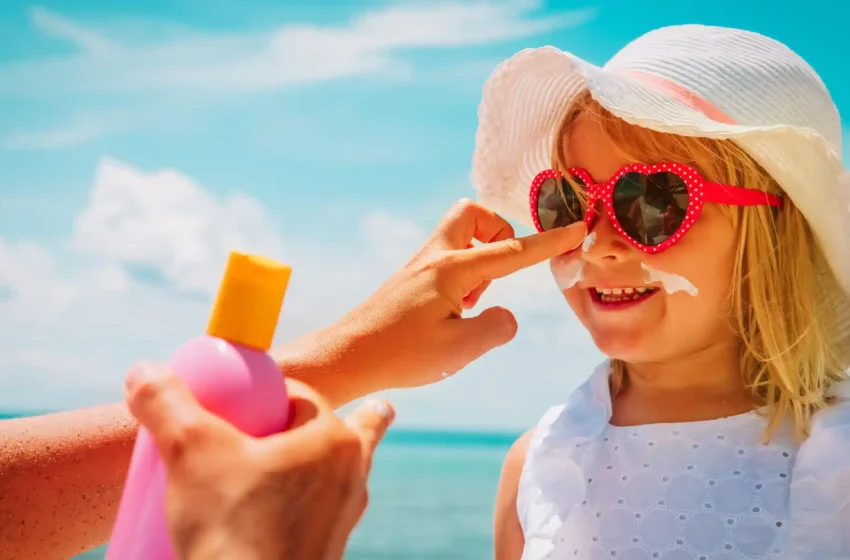
Best Sunscreen for Kids That Provides All-Day Sun Defense
Children love spending time outdoors, whether they’re building sandcastles at the beach, playing soccer, or exploring the backyard. However, all that fun comes with one important responsibility—protecting their delicate skin from the sun.
Finding the best sunscreen for kids isn’t always easy. Parents are often faced with countless products, different SPF levels, confusing labels, and conflicting advice. Should you choose SPF 30 or SPF 50? Is a lotion better than a spray? Are natural ingredients safer?
This guide answers those questions and more. You’ll learn how children’s skin reacts to sunlight, what ingredients matter most, how to apply sunscreen properly, and how to build healthy sun protection habits that last a lifetime.
Why Choosing the Best Sunscreen for Kids Matters
Children’s skin is thinner and more sensitive than adult skin. Because of this, it absorbs UV radiation more easily, increasing the risk of sunburn and long-term skin damage.
According to dermatology research, experiencing several severe sunburns during childhood can significantly increase the likelihood of developing skin cancer later in life.
Fortunately, this risk can be reduced with proper sun protection.
The best sunscreen for kids does much more than prevent painful sunburns. It also helps:
- Reduce UV damage
- Protect developing skin cells
- Lower the risk of premature skin aging
- Support long-term skin health
- Allow children to enjoy outdoor activities safely
Moreover, teaching children good sun protection habits early encourages healthier choices throughout adulthood.
How UV Rays Affect Children’s Skin

Before choosing a sunscreen, it’s important to understand what you’re protecting against.
The sun produces two main types of ultraviolet rays that reach the earth.
UVA Rays
UVA rays penetrate deeply into the skin.
They contribute to:
- Wrinkles
- Skin aging
- Long-term skin damage
- Certain types of skin cancer
These rays remain strong throughout the year, even on cloudy days.
UVB Rays
UVB rays mainly affect the skin’s surface.
They are responsible for:
- Sunburn
- Skin redness
- Blistering
- DNA damage
Because children spend more time outdoors, they receive higher UV exposure than many adults.
What Makes the Best Sunscreen for Kids?
Not every sunscreen is designed for children’s sensitive skin.
When shopping, look for these essential features.
Broad-Spectrum Protection
Broad-spectrum formulas protect against both UVA and UVB rays.
Without this feature, sunscreen only offers partial protection.
Always check the label before purchasing.
SPF 30 or Higher
Most dermatologists recommend SPF 30 as the minimum for children.
Higher SPF products provide slightly more protection but should never replace regular reapplication.
For example:
- SPF 30 blocks about 97% of UVB rays.
- SPF 50 blocks about 98%.
The difference seems small, but it may help during extended outdoor activities.
Water Resistance
Children rarely stay dry.
Swimming, sweating, and water play quickly reduce sunscreen effectiveness.
Choose products labeled as water-resistant for either:
- 40 minutes
- 80 minutes
Even then, sunscreen should always be reapplied after swimming or towel drying.
Gentle Ingredients
Children with sensitive skin often react to fragrances, dyes, or harsh preservatives.
Instead, choose products labeled:
- Fragrance-free
- Hypoallergenic
- Pediatrician tested
- Dermatologist tested
These options reduce the chance of irritation.
Mineral vs Chemical Sunscreen
One of the biggest decisions parents face is choosing between different sunscreen types.
A mineral sunscreen uses zinc oxide or titanium dioxide to create a protective barrier that reflects UV rays away from the skin.
Benefits include:
- Works immediately after application
- Less likely to irritate sensitive skin
- Excellent choice for babies over six months
Chemical sunscreens absorb UV rays before they damage the skin.
They usually feel lighter and blend more easily.
Both types are considered safe when used correctly, but many pediatric dermatologists recommend mineral formulas for younger children.
Ingredients Parents Should Look For
Reading sunscreen labels can feel overwhelming.
Instead of focusing on marketing claims, pay attention to the active ingredients.
The most trusted options include:
- Zinc oxide
- Titanium dioxide
- Broad-spectrum UV filters
- Water-resistant technology
- Moisturizing ingredients like glycerin
These ingredients provide reliable protection while keeping skin comfortable throughout the day.
Ingredients to Avoid When Possible
Although many sunscreens are safe, some ingredients may increase irritation in sensitive children.
Parents often choose products without:
- Strong perfumes
- Artificial coloring
- Alcohol-heavy formulas
- Excessive essential oils
Simple formulas usually work best.
However, every child has unique skin, so testing a small amount before full application is always a smart idea.
How Much Sunscreen Should You Apply?
Using enough sunscreen is just as important as choosing the right one.
Many families accidentally apply far less than recommended.
General guidelines include:
- One teaspoon for the face and neck
- One teaspoon per arm
- Two teaspoons for each leg
- Two teaspoons for the torso
- Two teaspoons for the back
Don’t forget commonly missed areas like:
- Ears
- Feet
- Back of the neck
- Hands
- Scalp (if exposed)
Generous application provides the protection listed on the label.
When Should Sunscreen Be Applied?
Timing matters.
Apply sunscreen 15–30 minutes before heading outdoors so it forms an even protective layer.
Reapply every:
- Two hours
- Immediately after swimming
- After heavy sweating
- After towel drying
Even the highest SPF loses effectiveness over time.
Consistency matters more than simply choosing a higher SPF.
Common Mistakes Parents Make
Even experienced parents sometimes make simple mistakes.
These include:
Only Applying Sunscreen Once
One morning application isn’t enough for an entire day outside.
Missing Cloudy Days
Up to 80% of UV rays can pass through clouds.
Children still need protection.
Forgetting Certain Areas
Ears, lips, shoulders, and feet burn surprisingly fast.
Pay extra attention to these spots.
Using Expired Products
Sunscreen loses effectiveness after its expiration date.
Replace old bottles every season if necessary.
Building Healthy Sun Habits Beyond Sunscreen
Although sunscreen is essential, it’s only one part of complete sun safety.
Parents should also encourage children to:
- Wear wide-brim hats.
- Use UV-protective sunglasses.
- Choose lightweight long sleeves.
- Stay in the shade during peak sunlight hours.
- Drink plenty of water to stay hydrated.
Together, these habits offer much stronger protection than sunscreen alone.
Can Kids Wear Sunscreen Every Day?
Absolutely.
Daily sunscreen use isn’t just for vacations or beach trips.
Children receive UV exposure while:
- Walking to school
- Playing outside
- Riding bicycles
- Sitting near sunny windows
- Participating in sports
Daily protection helps prevent cumulative skin damage over time.
How to Choose the Best Sunscreen for Kids by Age
Children of different ages have different skincare needs. Choosing a sunscreen based on your child’s age can improve comfort and protection.
Babies Under 6 Months
Most pediatricians recommend keeping babies younger than six months out of direct sunlight whenever possible.
Instead of relying on sunscreen, protect them by:
- Keeping them in the shade
- Using lightweight, long-sleeved clothing
- Wearing a wide-brimmed hat
- Avoiding outdoor activities during peak UV hours
If small areas of skin are exposed, consult your pediatrician before applying any product.
Babies Over 6 Months
Once babies reach six months, sunscreen becomes an important part of daily outdoor protection.
Choose products that are:
- Broad-spectrum
- SPF 30 or higher
- Water-resistant
- Gentle on sensitive skin
Many parents also prefer natural sunscreen formulas because they often contain fewer added fragrances and ingredients.
Lotion, Spray, or Stick: Which Type Is Best?
Sunscreen comes in several forms, and each has advantages.
Lotion
Lotions provide the most even coverage.
They are ideal for:
- Beach days
- Swimming
- Everyday outdoor play
Many dermatologists consider lotions the easiest way to ensure full-body protection.
Spray
Sprays are convenient for active children.
However, they should never be sprayed directly onto the face. Instead, spray the product into your hands first, then apply it carefully.
Always rub spray sunscreen into the skin to avoid missing areas.
Stick
Stick sunscreens work well around:
- The nose
- The cheeks
- The ears
- Around the eyes
They’re also convenient for quick touch-ups throughout the day.
Understanding SPF: Is Higher Always Better?
Parents often assume that the highest SPF provides dramatically better protection.
In reality, the difference is relatively small.
| SPF | Approximate UVB Protection |
| SPF 15 | 93% |
| SPF 30 | 97% |
| SPF 50 | 98% |
| SPF 100 | 99% |
The key difference comes from reapplication, not simply choosing a higher SPF.
A properly applied SPF 30 usually performs better than an SPF 100 applied only once.
Does Sunscreen Work in Water?
Water-resistant products continue protecting the skin while children swim or sweat.
However, no sunscreen is completely waterproof.
Parents should always:
- Reapply after swimming
- Dry the skin gently before reapplying
- Check the product’s water-resistance time
This simple habit greatly improves protection during outdoor activities.
Common Sunscreen Myths Parents Should Ignore
Many sunscreen myths continue to circulate online.
Let’s separate fact from fiction.
Myth 1: Kids Don’t Need Sunscreen on Cloudy Days
False.
Ultraviolet rays easily pass through clouds, meaning children can still experience sun damage.
Myth 2: Darker Skin Doesn’t Need Sunscreen
False.
Every skin tone benefits from daily sun protection.
Although darker skin naturally contains more melanin, UV damage can still occur.
Myth 3: Sunscreen Prevents Vitamin D
False.
Most children still receive enough sunlight for vitamin D production while wearing sunscreen because no product blocks 100% of UV rays.
Myth 4: Does sunscreen cause cancer?
This concern frequently appears online, but current scientific evidence does not support the claim that approved sunscreen ingredients cause cancer. In fact, dermatologists recommend regular sunscreen use because it helps reduce the risk of skin cancers caused by excessive UV exposure.
Helpful Products for the Whole Family
Although children’s sunscreen should be selected specifically for young skin, adults often ask about other popular options.
For example, some people enjoy using beauty of joseon sunscreen as part of their daily skincare routine because of its lightweight texture.
Others prefer supergoop sunscreen for everyday facial protection.
People with deeper skin tones sometimes choose black girl sunscreen because it blends without leaving a noticeable white cast.
Adults searching for the best sunscreen for face or sunscreen for oily skin should remember that facial products are formulated differently from children’s sunscreens and should be chosen based on skin type.
Does Sunscreen Stop You From Getting a Tan?
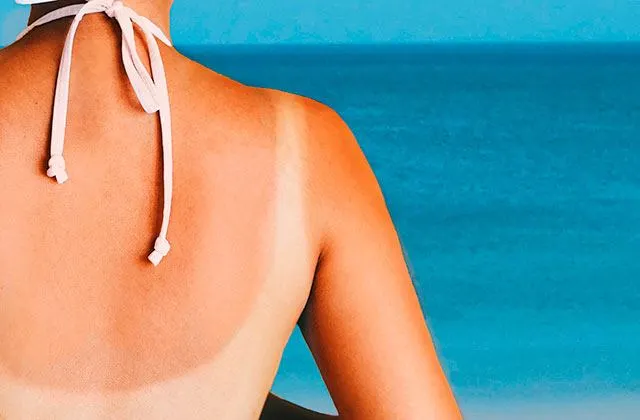
Many parents wonder whether sunscreen completely blocks tanning.
The answer is no.
If you’ve ever asked, does sunscreen prevent tanning, the answer is that sunscreen reduces UV exposure and lowers the chance of sunburn, but some tanning may still occur after extended time outdoors.
Expert Tips for Better Sun Protection
Dermatologists recommend combining sunscreen with other protective habits.
Here are some practical tips:
- Apply sunscreen every day, even when it’s cloudy.
- Reapply every two hours outdoors.
- Wear UV-protective clothing.
- Use hats with wide brims.
- Keep children in the shade whenever possible.
- Encourage hydration during hot weather.
- Replace expired sunscreen products.
These simple habits work together to provide stronger protection than sunscreen alone.
Conclusion
Protecting children’s skin today helps safeguard their health for years to come.
The best sunscreen for kids should offer broad-spectrum protection, SPF 30 or higher, water resistance, and gentle ingredients suitable for sensitive skin. Equally important is applying enough sunscreen, reapplying it regularly, and combining it with hats, shade, and protective clothing.
Small daily habits can make a lasting difference. By making sun safety part of your family’s routine, you help children enjoy outdoor adventures while reducing the risk of long-term skin damage.
Frequently Asked Questions
Which sunscreen is best for kids?
The best choice is a broad-spectrum, SPF 30 or higher, water-resistant sunscreen designed for sensitive skin. Mineral-based formulas are often recommended for younger children.
Which is the number one sunscreen for kids?
There isn’t one product that’s best for every child. Dermatologist-recommended sunscreens with zinc oxide, broad-spectrum protection, and gentle ingredients are generally excellent options.
Is SPF 30 or 50 better for kids?
Both provide strong protection. SPF 50 blocks slightly more UVB rays, but proper application and regular reapplication are more important than choosing the highest SPF.
Which are the top 3 best sunscreens?
Many dermatologist-recommended options include mineral-based lotions, water-resistant sports formulas, and fragrance-free sunscreens designed specifically for children.
Which sunblock is best for children?
A broad-spectrum sunscreen with SPF 30 or higher, water resistance, and ingredients suitable for sensitive skin is generally considered the best option for most children.
⭐ Make MindLiva Your Preferred Source on Google
Get trusted health, wellness, and lifestyle articles from MindLiva.
Add MindLiva
Samie Babaei is a medical science student at Shahid Beheshti University of Medical Sciences with a strong interest in health, wellness, and medical research. As a health writer and researcher at MindLiva, she focuses on creating clear, evidence-based content that helps readers better understand health and well-being.