



Does Sunscreen Cause Cancer? Myths and Facts Explained
Have you ever looked at the ingredients on a sunscreen bottle and wondered whether they are truly safe? With social media posts, online rumors, and conflicting headlines, it’s easy to question whether products designed to protect your skin could actually be harmful.
The question does sunscreen cause cancer has become increasingly popular in recent years. While some online claims suggest that certain ingredients are dangerous, medical experts and scientific organizations continue to recommend daily sun protection as one of the best ways to reduce skin damage and lower the risk of skin cancer.
In this guide, you’ll discover what the research really says, why these myths continue to spread, how sunscreen ingredients are tested, and what dermatologists recommend today. You’ll also learn how to choose the right product for your skin type while understanding the difference between facts and misinformation.
Does Sunscreen Cause Cancer? Understanding the Debate
The simple answer is no reliable scientific evidence shows that approved sunscreen products cause cancer.
However, the conversation is more complicated than a simple yes or no. Researchers continue to study sunscreen ingredients to ensure they remain safe, especially when products are used every day over many years.
This ongoing research sometimes creates confusing headlines. A study may find that an ingredient enters the bloodstream after application, but that does not automatically mean it causes cancer. Detecting an ingredient in the body is very different from proving it is harmful.
Moreover, health authorities around the world continue to recommend daily sunscreen use because the benefits greatly outweigh any known risks.
Why People Ask “Does Sunscreen Cause Cancer”
Several factors have contributed to public concern.
1. Viral Social Media Claims
Videos often spread faster than scientific facts.
A short clip claiming that sunscreen is dangerous can receive millions of views before experts have time to explain the full context.
As a result, many people become worried without seeing the complete scientific evidence.
2. Confusing Research Headlines
Scientific studies are often misunderstood.
For example, researchers sometimes investigate whether sunscreen ingredients are absorbed into the bloodstream. These studies help improve safety standards rather than prove the products are dangerous.
Unfortunately, headlines can make early findings sound far more alarming than they actually are.
3. Ingredient Names Sound Scary
Many sunscreen ingredients have long chemical names.
That alone does not make them harmful. In fact, everything around us—including water—has a chemical name.
Understanding the science behind these ingredients helps reduce unnecessary fear.
Does Sunscreen Cause Cancer? What Science Says
Medical organizations have spent decades studying sunscreen safety.
Current evidence consistently shows that sunscreen helps protect the skin from harmful ultraviolet (UV) radiation, one of the leading causes of skin cancer.
Experts continue monitoring ingredients through ongoing safety reviews. If new evidence ever showed meaningful health risks, regulations would change accordingly.
This careful monitoring is one reason consumers can trust products approved for sale.
The Biggest Cause of Skin Cancer
Ultraviolet radiation from the sun remains the primary environmental cause of most skin cancers.
Too much UV exposure can damage DNA inside skin cells.
Over time, repeated damage increases the chance that healthy cells develop into cancer.
Therefore, reducing UV exposure remains one of the most effective prevention strategies.
How UV Rays Damage Skin
Sunlight contains different types of ultraviolet rays.
The most important include:
- UVA: Causes premature aging and contributes to skin cancer.
- UVB: Causes sunburn and directly damages skin cell DNA.
- UVC: Mostly blocked by Earth’s atmosphere.
Together, UVA and UVB rays accelerate skin aging and increase long-term health risks.
Common Myths About Sunscreen
Let’s separate myths from facts.
Myth 1: Sunscreen Causes Cancer
Scientific evidence does not support this claim.
Researchers continue studying ingredients, but approved products remain considered safe when used as directed.
Myth 2: You Only Need Sunscreen at the Beach
Many people receive significant UV exposure while:
- Driving
- Walking the dog
- Gardening
- Sitting near windows
- Playing outdoor sports
Daily protection matters because UV damage builds over time.
Myth 3: Dark Skin Doesn’t Need Protection
People with darker skin naturally have more melanin, which provides some protection.
However, everyone can experience sun damage.
Skin cancer may also be detected later in people with darker skin because warning signs are often overlooked.
Understanding Sunscreen Ingredients
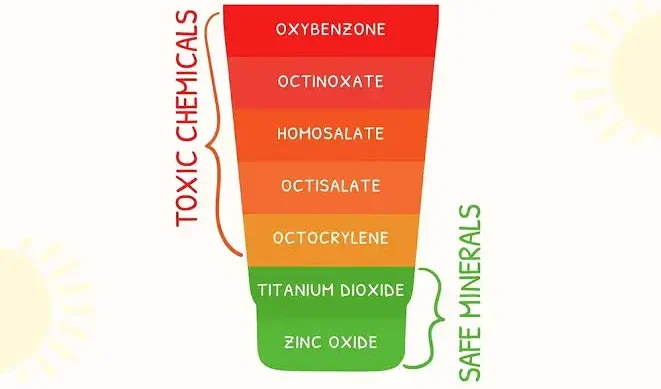
Most products fall into two major categories.
Chemical Filters
These ingredients absorb UV rays before they damage the skin.
Some people worry because certain ingredients can be detected in blood after heavy application.
However, experts explain that detection alone does not indicate harm.
More research continues to improve our understanding and strengthen safety standards.
Physical Filters
Products containing mineral sunscreen ingredients such as zinc oxide and titanium dioxide sit on the skin’s surface and reflect or scatter much of the UV radiation.
Many dermatologists recommend these formulas for sensitive skin because they are gentle and effective.
How Safety Testing Works
Before products reach store shelves, manufacturers must evaluate safety, stability, and effectiveness.
Health authorities also continue reviewing scientific evidence after products become available.
This process includes:
- Laboratory testing
- Ingredient safety reviews
- Human studies
- Ongoing monitoring
- Updated recommendations when necessary
This layered approach helps ensure public safety.
Choosing the Right Product for Your Skin
Not every sunscreen works equally well for every person.
Different skin types benefit from different formulas.
For example, someone with acne-prone skin may prefer a lightweight sunscreen for oily skin that feels comfortable without clogging pores.
Meanwhile, parents often search for the best sunscreen for kids, focusing on gentle ingredients and water resistance for outdoor play.
Some consumers also look for natural sunscreen options, although it’s important to remember that “natural” does not automatically mean safer or more effective. Always choose products that provide broad-spectrum protection and meet established safety standards.
Similarly, if you’re selecting a daily facial product, the best sunscreen for face is one that you enjoy wearing consistently, as regular use is more important than chasing trends.
Finally, many people ask does sunscreen prevent tanning. The answer is that it reduces UV exposure and can limit tanning, but no sunscreen blocks 100% of UV rays. Some tanning may still occur, especially if the product is not applied correctly or reapplied as recommended.
Latest Research on Sunscreen Safety
Scientists continue to study UV filters to ensure they remain safe for long-term use. This is a normal part of public health research and does not mean approved products have been proven harmful.
Several studies have examined whether certain ingredients are absorbed into the bloodstream after repeated application. Researchers found measurable levels of some ingredients, but they also noted that more research was needed to understand whether those levels pose any health risk.
Moreover, organizations such as the U.S. Food and Drug Administration (FDA), the American Academy of Dermatology (AAD), and the World Health Organization (WHO) continue to recommend sun protection because the dangers of excessive UV exposure are well established.
The current scientific consensus is clear: preventing UV damage is one of the most effective ways to lower the risk of skin cancer.
Why Experts Still Recommend Daily Sun Protection
Dermatologists see the effects of sun damage every day.
Years of repeated UV exposure can lead to:
- Premature wrinkles
- Age spots
- Uneven skin tone
- Sunburn
- Weakened skin elasticity
- Increased risk of skin cancer
Because UV damage builds slowly over time, protecting your skin every day can make a significant difference.
How to Apply Sunscreen Correctly
Even the best product cannot provide full protection if it is used incorrectly.
Follow these simple steps:
- Apply about 15 minutes before going outdoors.
- Cover all exposed skin, including ears and neck.
- Reapply every two hours.
- Reapply sooner after swimming or heavy sweating.
- Check the expiration date before use.
Many people simply do not use enough product, reducing the level of protection shown on the label.
Additional Ways to Protect Your Skin
Sun protection involves more than one habit.
For the best results:
- Wear wide-brimmed hats.
- Use UV-protective sunglasses.
- Seek shade during peak sunlight hours.
- Wear lightweight long sleeves when possible.
- Avoid indoor tanning beds.
Together, these habits provide stronger protection than relying on one method alone.
Choosing a Product That Fits Your Lifestyle

Today’s market offers many excellent options designed for different skin needs.
For example, beauty of joseon sunscreen has become popular among skincare enthusiasts for its lightweight texture and comfortable daily wear.
Similarly, black girl sunscreen is well known for moisturizing formulas that blend well without leaving a noticeable white cast on deeper skin tones.
Another widely recognized option is supergoop sunscreen, which offers a variety of formulas suited to different lifestyles and personal preferences.
The best choice is the one you will use consistently, while ensuring it offers broad-spectrum UVA and UVB protection.
Common Mistakes People Make
Avoiding these common mistakes can improve your protection.
Forgetting Cloudy Days
Up to a large percentage of UV rays can still reach your skin through clouds.
Missing Easy-to-Forget Areas
People often forget:
- Lips
- Ears
- Back of the neck
- Hands
- Feet
- Hairline
Applying Too Little
Using only a thin layer reduces protection significantly.
Never Reapplying
Protection gradually decreases with sweat, water, and normal daily activity.
Comparing Facts and Myths
| Myth | Fact |
| Sunscreen causes cancer. | Current scientific evidence does not support this claim. |
| You only need protection during summer. | UV rays are present throughout the year. |
| Darker skin never burns. | Everyone can experience UV damage. |
| One morning application lasts all day. | Reapplication is essential for continued protection. |
| Higher SPF means unlimited protection. | No SPF blocks 100% of UV radiation. |
Why Misinformation Spreads So Quickly
Health topics often become popular online because they affect nearly everyone.
Unfortunately, short videos and social media posts sometimes present early scientific findings without explaining the full context.
As a result, people may become concerned before experts have completed years of additional research.
Learning from trusted medical organizations instead of sensational headlines helps people make informed decisions.
Conclusion
The question does sunscreen cause cancer continues to generate debate online, but today’s scientific evidence tells a reassuring story. Health authorities around the world consistently conclude that approved sunscreen products help protect against harmful ultraviolet radiation, which is a major cause of skin damage and many skin cancers.
While researchers continue studying ingredients to improve safety standards, there is no reliable evidence that approved sunscreen products cause cancer. Instead, experts recommend using broad-spectrum protection as part of a complete sun safety routine that also includes protective clothing, shade, and avoiding excessive sun exposure.
In short, making informed choices based on credible research—not internet myths—can help you protect your skin for years to come.
Frequently Asked Questions
Is it safe to wear sunscreen every day?
Yes. Dermatologists recommend daily use because regular UV exposure occurs even during routine outdoor activities. Daily protection can reduce long-term skin damage.
What is 90% of melanoma cancer caused by?
Melanoma has several causes, but excessive exposure to ultraviolet (UV) radiation from sunlight and indoor tanning is one of the biggest preventable risk factors.
What are the top 3 cancer causing carcinogens?
Some of the best-known carcinogens include tobacco smoke, ultraviolet radiation from the sun, and asbestos. The level of risk depends on the type and amount of exposure.
What is the best sunscreen to not get cancer?
No product can guarantee cancer prevention. However, experts recommend using a broad-spectrum SPF 30 or higher product correctly and combining it with other sun protection habits.
What is responsible for 90% of all skin cancers?
Research shows that prolonged exposure to ultraviolet radiation, including sunlight and tanning beds, contributes to the vast majority of preventable skin cancer cases.
⭐ Make MindLiva Your Preferred Source on Google
Get trusted health, wellness, and lifestyle articles from MindLiva.
Add MindLiva
Samie Babaei is a medical science student at Shahid Beheshti University of Medical Sciences with a strong interest in health, wellness, and medical research. As a health writer and researcher at MindLiva, she focuses on creating clear, evidence-based content that helps readers better understand health and well-being.