

The Future of AI-Driven Healthcare Solutions in Medicine
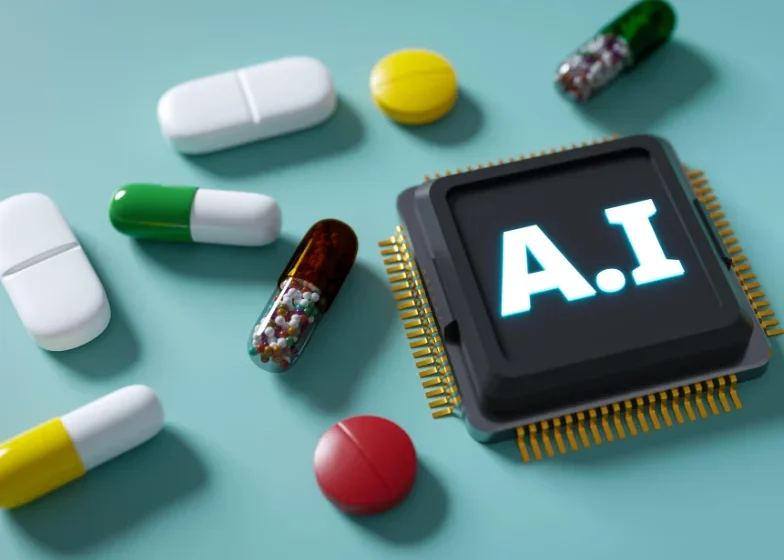
Have you ever wondered how hospitals can detect diseases faster while reducing human error? The answer increasingly lies in ai-driven healthcare solutions. Artificial intelligence is no longer a concept of the future—it is already changing how doctors diagnose illnesses, how hospitals manage patients, and how researchers develop new treatments.
Today, healthcare organizations around the world use AI to improve patient outcomes, reduce operational costs, and provide more personalized care. From medical imaging to virtual assistants, AI is helping healthcare professionals make faster and more informed decisions.
In this article, you’ll discover how AI is transforming medicine, its biggest benefits, real-world applications, future trends, common challenges, and why experts believe this technology will become one of healthcare’s most valuable tools over the coming decade.
Why AI-Driven Healthcare Solutions Matter More Than Ever
Healthcare systems face growing pressure. Populations are aging, chronic diseases are increasing, and medical professionals often experience heavy workloads.
Fortunately, ai-driven healthcare solutions help solve many of these problems by analyzing enormous amounts of medical information in seconds.
Some major advantages include:
- Earlier disease detection
- Improved patient safety
- Faster clinical decisions
- Reduced healthcare costs
- Better workflow management
- Personalized treatment plans
Moreover, AI allows doctors to spend more time with patients instead of paperwork.
The Growing Demand for Smarter Healthcare
Healthcare generates massive amounts of information every day. Electronic health records, laboratory reports, MRI scans, X-rays, prescriptions, and wearable device data create more information than humans can easily analyze.
AI helps transform this data into useful insights that improve patient care.
How AI-Driven Healthcare Solutions Work
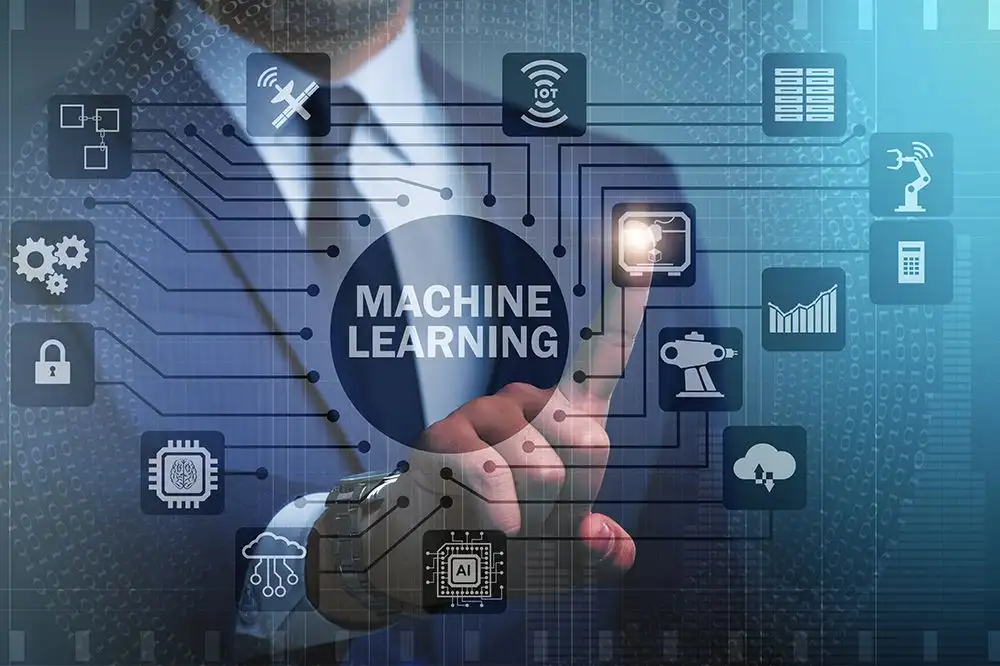
Artificial intelligence combines several technologies that work together.
Machine Learning
Machine learning identifies patterns from millions of medical records. Over time, these systems improve their accuracy by learning from new data.
For example, AI can recognize early warning signs of diabetes before symptoms become severe.
Natural Language Processing
Doctors write thousands of clinical notes every day.
Natural Language Processing (NLP) helps AI understand medical language and convert unstructured notes into searchable information.
As a result, hospitals can find patient histories much faster.
Computer Vision
Computer vision enables AI to interpret medical images.
This technology powers many ai-driven healthcare diagnostics systems that assist radiologists in identifying tumors, fractures, strokes, and lung diseases more quickly.
Major Applications of AI-Driven Healthcare Solutions
Healthcare organizations now use AI across nearly every department.
1. Medical Imaging
AI assists radiologists by highlighting suspicious areas in:
- CT scans
- MRI images
- Mammograms
- Chest X-rays
Rather than replacing doctors, AI serves as an intelligent second opinion.
2. Personalized Medicine
Every patient responds differently to treatment.
AI studies genetics, lifestyle, medical history, and laboratory results to recommend individualized care plans.
Consequently, treatment becomes more effective.
3. Drug Discovery
Developing new medicines traditionally takes years.
Today, AI helps researchers identify promising drug compounds much faster by analyzing millions of molecular combinations.
This speeds up clinical research while reducing development costs.
4. Virtual Health Assistants
AI-powered assistants help patients:
- Schedule appointments
- Receive medication reminders
- Monitor symptoms
- Answer health questions
These tools improve patient engagement while reducing administrative work.
5. Predictive Analytics
Hospitals increasingly use AI to predict:
- Disease outbreaks
- Patient deterioration
- Hospital readmissions
- Emergency room demand
Therefore, healthcare providers can prepare resources before problems become serious.
Benefits of AI-Driven Healthcare Solutions

The advantages extend beyond hospitals.
Improved Accuracy
AI processes huge datasets without fatigue.
This reduces diagnostic mistakes and supports evidence-based decisions.
Faster Diagnosis
Time matters in medicine.
AI analyzes medical images in seconds, allowing doctors to begin treatment sooner.
Lower Costs
Hospitals reduce unnecessary testing and improve operational efficiency through automation.
Consequently, healthcare becomes more affordable.
Better Patient Experience
Patients enjoy:
- Faster appointments
- Personalized care
- Shorter waiting times
- Continuous health monitoring
Overall, satisfaction improves significantly.
Real-World Examples Changing Healthcare
Many healthcare organizations already benefit from AI.
Cancer Detection
AI systems identify tiny abnormalities that may be difficult for the human eye to detect.
Early diagnosis often leads to better survival rates.
Heart Disease Prediction
AI evaluates ECG results alongside patient history to estimate future cardiovascular risks.
Doctors can then recommend preventive treatments earlier.
Diabetes Management
Wearable devices continuously collect blood sugar information.
AI analyzes these patterns and recommends lifestyle adjustments or medication changes.
Robotic Surgery
Modern robotic systems assist surgeons with precision during complex procedures.
Although surgeons remain in control, AI improves accuracy and reduces recovery time.
Challenges Facing AI in Medicine
Despite remarkable progress, AI also faces important challenges.
Data Privacy
Healthcare data contains highly sensitive personal information.
Organizations must follow strict security standards to protect patient privacy.
Ethical Concerns
AI recommendations should always remain transparent.
Doctors must understand why AI suggests specific diagnoses or treatments.
Bias in Data
If training data lacks diversity, AI may perform less accurately for certain populations.
Developers continue working to reduce these biases.
Human Oversight
AI should support—not replace—medical professionals.
Clinical expertise remains essential when making final decisions.
Emerging Trends in AI-Driven Healthcare Solutions
Healthcare continues evolving rapidly.
Several exciting developments are expected over the next decade.
Remote Patient Monitoring
Wearable devices now monitor:
- Heart rate
- Blood pressure
- Oxygen levels
- Sleep quality
AI instantly alerts healthcare providers when abnormal patterns appear.
Digital Twins
Researchers are developing virtual patient models that simulate treatment outcomes before real-world therapies begin.
This could significantly improve personalized medicine.
Smart Hospitals
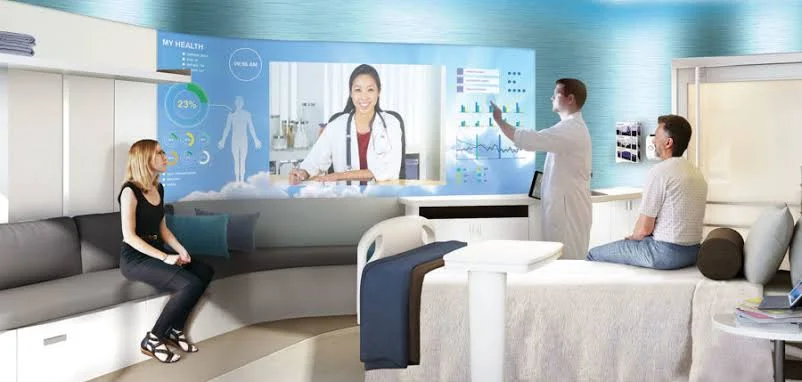
Hospitals increasingly automate:
- Patient scheduling
- Bed management
- Medical inventory
- Emergency triage
AI improves efficiency while reducing administrative burden.
Generative AI
Generative AI assists clinicians by summarizing patient histories, drafting documentation, and supporting medical research.
However, medical professionals always verify the final information.
The Role of AI-Driven Healthcare Innovations
Healthcare innovation continues accelerating because AI improves both research and patient care.
Current ai-driven healthcare innovations include:
- Intelligent surgical robotics
- Predictive hospital management
- AI-assisted pathology
- Personalized cancer therapies
- Automated clinical documentation
- Precision genomics
These breakthroughs help healthcare systems deliver safer and more effective treatment.
Comparing Traditional Healthcare and AI-Powered Healthcare
| Traditional Healthcare | AI-Powered Healthcare |
| Manual record review | Instant data analysis |
| Longer diagnosis time | Faster diagnosis |
| Limited predictive ability | Predictive analytics |
| Reactive treatment | Preventive care |
| Higher administrative workload | Automated workflows |
This comparison highlights why many healthcare organizations continue investing in AI technologies.
Expert Perspective
From my observation of healthcare technology developments over recent years, one of the greatest strengths of AI is not replacing physicians—it is enhancing their ability to make informed decisions. Experienced clinicians combine medical knowledge with AI-generated insights, leading to better patient outcomes than either could achieve alone. The future belongs to collaborative intelligence, where technology supports human expertise rather than replacing it.
Choosing the Right AI Platform
Healthcare organizations should evaluate several factors before adopting AI.
Important considerations include:
- Clinical accuracy
- Data security
- Regulatory compliance
- Ease of integration
- Scalability
- Vendor support
- User-friendly design
Many hospitals also compare top-rated systems for ai-driven healthcare tasks before selecting a platform that matches their clinical needs.
Future Outlook
Experts expect AI investment in healthcare to continue growing rapidly.
Future developments may include:
- Earlier disease prediction
- Personalized vaccines
- Fully integrated smart hospitals
- Faster drug development
- Improved rural healthcare access
- AI-assisted mental health support
As computing power increases, AI will likely become an everyday tool for healthcare professionals worldwide.
The future of medicine will depend on collaboration between doctors, researchers, engineers, and policymakers working together to create safe, ethical, and effective healthcare technologies.
Conclusion
The future of medicine is becoming increasingly intelligent. ai-driven healthcare solutions are already helping doctors diagnose diseases faster, personalize treatments, improve hospital efficiency, and enhance patient experiences.
Although challenges such as privacy, ethics, and data quality remain, ongoing innovation continues to strengthen trust in AI-powered healthcare. Rather than replacing healthcare professionals, AI provides valuable support that enables better clinical decisions and improved patient outcomes.
Organizations that responsibly adopt AI today will be better prepared to meet tomorrow’s healthcare challenges while delivering safer, smarter, and more personalized care.
Frequently Asked Questions
How is AI used in medical healthcare?
AI helps doctors analyze medical images, predict diseases, automate paperwork, monitor patients remotely, and recommend personalized treatments based on health data.
What are the different types of AI solutions in healthcare?
Common AI solutions include machine learning, natural language processing, computer vision, predictive analytics, robotic surgery assistance, and virtual health assistants.
What are the top seven AI examples in healthcare?
Examples include medical imaging analysis, predictive diagnostics, drug discovery, robotic surgery, virtual assistants, personalized medicine, and remote patient monitoring.
Which AI tool is best for healthcare?
The best tool depends on the healthcare need. Hospitals often use specialized AI platforms for imaging, clinical decision support, electronic health records, and predictive analytics.
What is the most common AI in healthcare?
Machine learning is the most widely used AI technology because it analyzes large medical datasets to improve diagnosis, treatment recommendations, and operational efficiency.
⭐ Make MindLiva Your Preferred Source on Google
Get trusted health, wellness, and lifestyle articles from MindLiva.
Add MindLiva
Samie Babaei is a medical science student at Shahid Beheshti University of Medical Sciences with a strong interest in health, wellness, and medical research. As a health writer and researcher at MindLiva, she focuses on creating clear, evidence-based content that helps readers better understand health and well-being.