



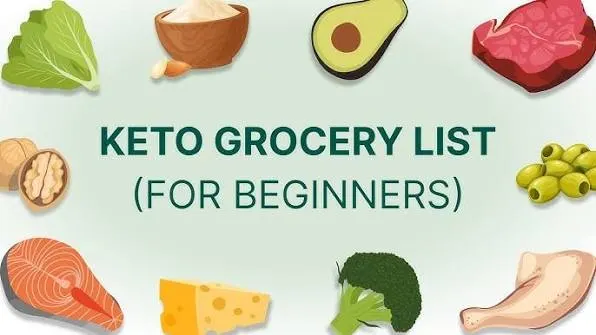
Ultimate Keto Diet Grocery List for Beginners to Start Right
Have you ever walked into a grocery store excited to start keto, only to leave feeling confused about what belongs in your cart?
You’re not alone. Many people begin the ketogenic diet with strong motivation but struggle because they don’t know which foods truly support ketosis. The good news is that success starts with smart grocery shopping—not expensive supplements or complicated recipes.
A carefully planned keto diet grocery list for beginners helps you avoid unhealthy choices, save money, and prepare satisfying meals at home. For anyone focused on weight loss, building healthy habits begins long before cooking. It starts with choosing fresh, nutrient-rich foods.
In this guide, you’ll learn exactly what to buy, what to skip, practical shopping tips, expert insights, and simple strategies to make keto easier from day one.
Personal Insight: One of the biggest improvements I have seen among successful beginners is their shopping routine. People who shop with a clear list usually spend less, waste less food, and stick to their eating plan much longer.
Why Your Grocery List Matters on Keto
Many diets fail because people rely on willpower instead of preparation.
A well-planned keto diet grocery list for beginners removes guesswork. Instead of wondering what to eat, you’ll already have healthy ingredients waiting at home.
Moreover, shopping with a list helps you:
- Avoid impulse purchases
- Reduce sugar intake
- Save money
- Prepare meals faster
- Stay consistent with weight loss goals
Research has shown that meal planning is linked with healthier food choices and better diet quality. When nutritious foods are available at home, making healthier decisions becomes much easier.
How Keto Supports Weight Loss
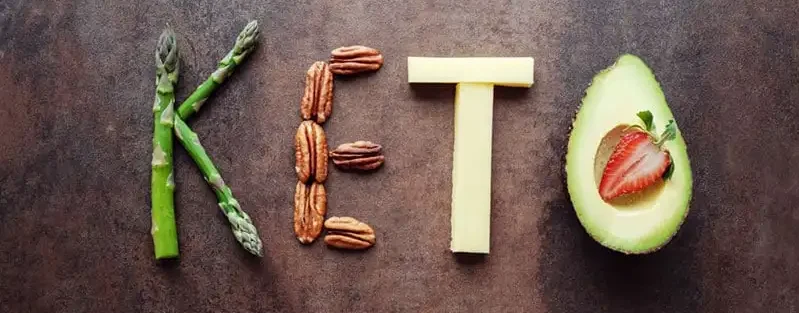
The ketogenic diet works by significantly reducing carbohydrate intake while increasing healthy fats.
As carbohydrates decrease, your body gradually enters ketosis, a natural metabolic state where fat becomes the primary fuel instead of glucose.
Many beginners notice several benefits, including:
- Better appetite control
- More stable energy
- Fewer sugar cravings
- Improved portion control
- Gradual fat loss
However, food quality still matters. Filling your cart with whole foods rather than processed “keto” products often leads to better long-term results.
Keto Diet Grocery List for Beginners: Essential Foods to Buy
Building your shopping list doesn’t have to be complicated.
Focus on fresh, simple ingredients that provide healthy fats, moderate protein, and low-carbohydrate vegetables.
Healthy Protein Sources
Protein helps preserve muscle while supporting weight loss.
Choose foods such as:
- Eggs
- Chicken breast
- Chicken thighs
- Turkey
- Lean beef
- Ground beef
- Salmon
- Tuna
- Sardines
- Shrimp
These foods provide important nutrients while keeping carbohydrates naturally low.
Healthy Fats That Keep You Full
Healthy fats are the foundation of a ketogenic lifestyle.
Include:
- Extra virgin olive oil
- Avocados
- Coconut oil
- Butter (in moderation)
- Ghee
- Olives
- Cheese
- Heavy cream (occasionally)
These foods improve meal satisfaction and help maintain energy levels throughout the day.
Low-Carb Vegetables
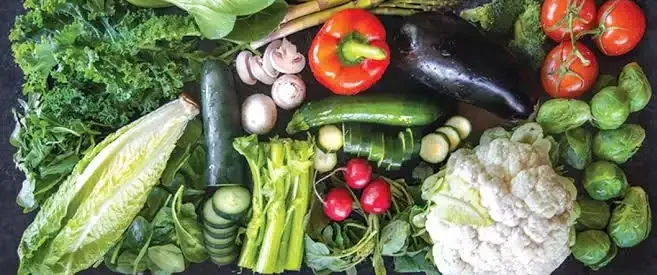
Vegetables provide vitamins, minerals, antioxidants, and fiber.
Excellent keto-friendly choices include:
- Spinach
- Kale
- Broccoli
- Cauliflower
- Cabbage
- Zucchini
- Mushrooms
- Bell peppers
- Cucumbers
- Asparagus
- Green beans
Aim to include several colorful vegetables each day to improve nutritional balance.
Healthy Nuts and Seeds
Nuts make convenient snacks while adding healthy fats and minerals.
Good options include:
- Almonds
- Walnuts
- Pecans
- Macadamia nuts
- Chia seeds
- Flaxseeds
- Pumpkin seeds
Eat them in moderate portions because calories can add up quickly.
Dairy Products to Choose Carefully
Some dairy products fit well into keto, while others contain hidden sugars.
Better choices include:
- Cheddar cheese
- Mozzarella
- Parmesan
- Cream cheese
- Greek yogurt (unsweetened and limited)
Always check nutrition labels before purchasing flavored dairy products.
Keto Diet Grocery List for Beginners: Foods to Avoid
Creating a successful ketogenic lifestyle is not only about knowing what to buy. It is equally important to understand which foods can slow your progress.
Many common grocery items contain hidden carbohydrates, added sugars, or highly processed ingredients that can make maintaining ketosis difficult.
When following a keto diet grocery list for beginners, try to limit or avoid these foods:
- Sugary drinks: Soda, sweetened coffee drinks, energy drinks, and fruit juices.
- Refined grains: Bread, pasta, white rice, crackers, and cereals.
- High-sugar snacks: Cookies, cakes, candy, and pastries.
- Starchy vegetables: Potatoes, corn, and large portions of sweet potatoes.
- Processed sauces: Many ketchup, barbecue sauces, and salad dressings contain added sugar.
- Low-fat products: These often replace fat with extra carbohydrates or additives.
Moreover, always check food labels. A product may look healthy but still contain ingredients that increase your daily carb intake.
How to Shop Smarter With a Keto Diet Shopping List for Beginners
Walking into a grocery store without a plan can make keto feel difficult.
A clear keto diet shopping list for beginners helps you focus on foods that support your goals instead of products that create confusion.
Use these simple shopping strategies:
1. Shop Around the Outside Sections First
Fresh foods are usually located around the edges of most grocery stores.
Start with:
- Fresh vegetables
- Meat and seafood
- Eggs
- Dairy products
Then move toward packaged sections only when necessary.
2. Read Nutrition Labels Carefully
Not every product labeled “low-carb” or “keto-friendly” is automatically a healthy choice.
Check:
- Total carbohydrates
- Fiber content
- Added sugars
- Artificial ingredients
- Serving size
A smart shopper understands what goes into their body rather than trusting marketing claims.
3. Buy Ingredients, Not Just Snacks
Keto snacks can be convenient, but whole foods should remain the foundation.
For example:
Instead of buying expensive keto cookies every week, purchase:
- Almonds
- Eggs
- Cheese
- Avocados
- Fresh vegetables
These foods provide better nutrition and are usually more affordable.
Building a Simple Keto Meal Plan From Your Grocery List
Many beginners feel overwhelmed because they think keto requires complicated recipes.
It does not.
If you are searching for how to start a keto diet for beginners meal plan, begin with simple combinations.
A balanced keto plate usually includes:
Half the plate:
- Low-carb vegetables
One-quarter of the plate:
- Protein
One-quarter of the plate:
- Healthy fats
Example meals:
Breakfast
- Omelet with spinach, cheese, and avocado
Lunch
- Grilled chicken salad with olive oil dressing
Dinner
- Salmon with roasted broccoli and cauliflower mash
Snack Options
- Boiled eggs
- Nuts
- Cheese slices
- Celery with natural peanut butter
Simple meals make healthy habits easier to maintain.
Free Printable Keto Diet Menu for Beginners: A Simple Weekly Example
Many people stay consistent when they have a clear plan.
A free printable keto diet menu for beginners can help organize meals, create a shopping routine, and reduce daily decision-making.
Example weekly structure:
| Day | Breakfast | Lunch | Dinner |
| Monday | Eggs and avocado | Chicken salad | Salmon with vegetables |
| Tuesday | Greek yogurt with nuts | Turkey lettuce wraps | Beef with cauliflower rice |
| Wednesday | Cheese omelet | Tuna salad | Chicken with broccoli |
| Thursday | Scrambled eggs | Egg salad bowl | Shrimp with zucchini noodles |
| Friday | Avocado eggs | Beef salad | Grilled chicken vegetables |
The goal is not perfection. The goal is creating a repeatable system.
What to Eat on Keto Diet for Beginners: Practical Food Choices
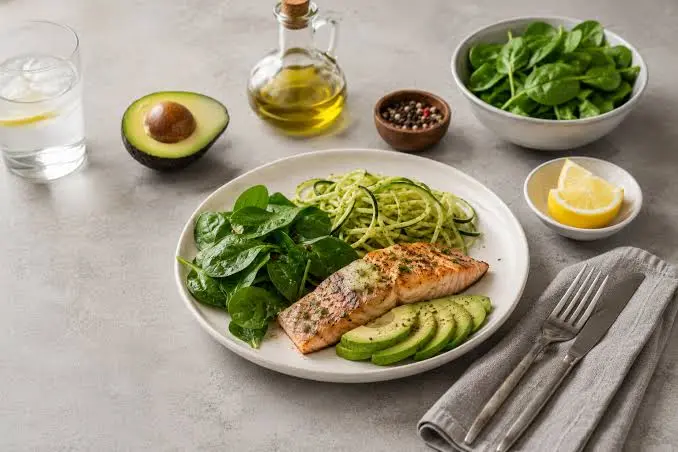
A common beginner question is what to eat on keto diet for beginners.
The answer is simple: focus on nutrient-rich foods that keep you satisfied.
Great choices include:
- Eggs for affordable protein
- Fatty fish for omega-3 fats
- Leafy greens for fiber
- Avocados for healthy fats
- Nuts for convenient snacks
- Olive oil for cooking
- Meat and poultry for protein
However, remember that individual needs vary. Someone who exercises regularly may require different portions compared with someone focusing mainly on weight loss.
Expert Tips for Creating Healthy Keto Habits
A successful keto journey is not built on short-term restriction. It is built on daily habits.
Here are practical habits that improve consistency:
Prepare Food Ahead
Cooking several meals in advance reduces the temptation to choose unhealthy options.
For example, preparing grilled chicken, boiled eggs, and chopped vegetables on Sunday can make weekday meals much easier.
Keep Healthy Foods Visible
Store keto-friendly foods where you can easily see them.
A bowl of nuts on the counter or prepared vegetables in the refrigerator creates better choices throughout the day.
Track Progress Beyond the Scale
Weight loss is important, but other improvements matter too.
Notice changes in:
- Energy levels
- Hunger control
- Clothing fit
- Workout performance
- Sleep quality
These signs often show progress before the scale changes.
Common Grocery Shopping Mistakes Beginners Make
Avoiding mistakes can save time and frustration.
Mistake 1: Buying Too Many Keto Products
Many packaged keto foods are expensive and highly processed.
Mistake 2: Ignoring Fiber
Vegetables, seeds, and nuts help support digestion.
Mistake 3: Forgetting Meal Variety
Eating the same meal every day can lead to boredom.
Mistake 4: Not Planning Snacks
Unexpected hunger often leads to poor food choices.
Conclusion
A successful keto lifestyle begins with a smart grocery cart.
The right keto diet grocery list for beginners makes healthy eating easier by providing the ingredients needed for satisfying meals, better planning, and long-term habit building.
Focus on whole foods, choose quality proteins, include healthy fats, and keep low-carb vegetables available.
Remember, the goal is not simply following a diet for a few weeks. The real goal is creating a sustainable lifestyle that supports weight management and overall wellness.
Small choices made consistently can create meaningful results over time.
Frequently Asked Questions
What is a good keto grocery list?
A good keto grocery list includes eggs, meat, seafood, avocados, olive oil, nuts, seeds, cheese, and low-carb vegetables like spinach and broccoli.
What should I buy to start a keto diet?
Start with basic foods such as eggs, chicken, salmon, vegetables, healthy oils, nuts, and low-carb dairy products. These create simple beginner meals.
Is there a keto food list for beginners?
Yes. A beginner keto food list usually includes low-carb vegetables, healthy fats, moderate protein sources, and foods with minimal added sugar.
What are the 9 rules of keto?
The main rules include reducing carbs, eating healthy fats, choosing quality protein, staying hydrated, getting enough electrolytes, avoiding sugar, planning meals, eating whole foods, and staying consistent.
What is forbidden in keto?
Foods generally avoided include sugar, bread, pasta, rice, sugary drinks, most processed snacks, and high-carb desserts because they can prevent ketosis.