



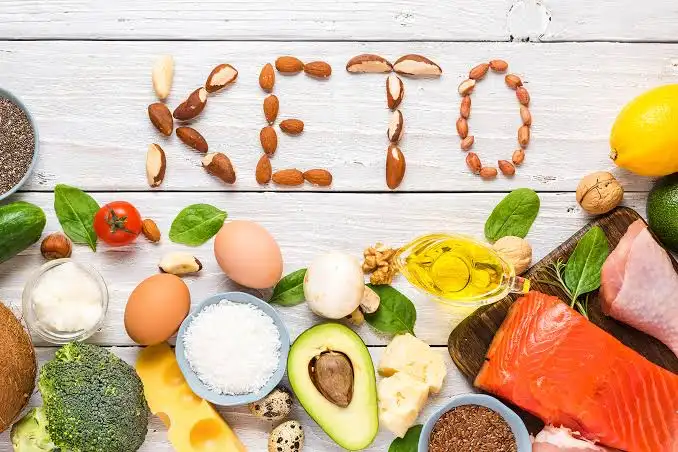
What to Eat on Keto Diet for Beginners: Easy Food Guide
Have you ever wondered why so many people are talking about the ketogenic diet? Maybe you’ve heard friends mention losing weight without constantly feeling hungry, or you’ve seen recipes filled with butter, eggs, and avocado instead of bread and pasta. If you’re curious about what to eat on keto diet for beginners, you’re in the right place.
Starting keto can seem confusing because it changes the way your body uses energy. Instead of relying mainly on carbohydrates, your body learns to burn fat as its primary fuel. That shift doesn’t happen overnight, but choosing the right foods makes the process much smoother.
This guide explains exactly what foods belong on a beginner’s keto plate, which foods to avoid, and how to make your first weeks enjoyable rather than overwhelming.
Understanding the Keto Diet
The ketogenic diet is a very low-carbohydrate, high-fat eating plan designed to encourage your body to enter a natural metabolic state called ketosis. During ketosis, your body produces ketones from fat and uses them for energy instead of glucose.
For most beginners, daily carbohydrate intake is limited to around 20–50 grams of net carbs. That means you’ll replace bread, rice, pasta, and sugary foods with healthy fats, quality proteins, and low-carb vegetables.
One of the reasons keto has become popular is that many people report reduced hunger after adapting to it. Healthy fats digest more slowly than refined carbohydrates, helping many individuals feel satisfied for longer periods.
Keep in mind that keto isn’t simply about eating large amounts of bacon or cheese. A balanced keto diet focuses on nutrient-rich foods that provide vitamins, minerals, healthy fats, and adequate protein while keeping carbohydrates low.
How Ketosis Works
Think of your body like a hybrid car. Normally, it runs mostly on carbohydrates. When carbohydrate intake drops significantly, your body switches to another fuel source—stored fat.
Your liver converts fat into ketones, which supply energy to your brain and muscles. This metabolic change usually takes several days, depending on your activity level, carbohydrate intake, and individual metabolism.
Many beginners experience temporary symptoms during this transition, sometimes called the “keto flu.” Drinking enough water, increasing electrolytes, and eating sufficient healthy fats often helps reduce these symptoms.
Why Beginners Choose Keto
People begin keto for different reasons. Some want to lose weight, while others hope to reduce cravings or improve blood sugar management under medical supervision.
Common reasons include:
- Weight management
- Reduced appetite
- Stable energy levels
- Lower sugar cravings
- Improved metabolic health
Success usually comes from consistency rather than perfection. Small daily habits often produce better long-term results than extreme restrictions.
What to Eat on Keto Diet for Beginners
Knowing what to eat on keto diet for beginners becomes much easier once you focus on whole, minimally processed foods.
Your meals should include:
- Healthy fats
- Moderate protein
- Plenty of low-carb vegetables
These three food groups form the foundation of a successful keto lifestyle.
Healthy Fats
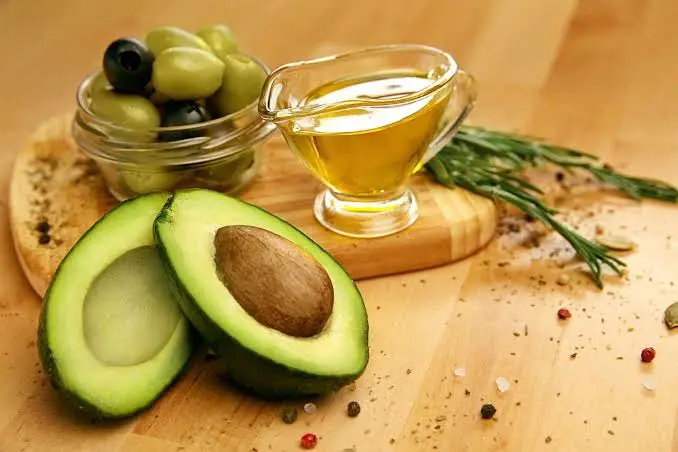
Healthy fats provide most of your daily calories on keto. They’re essential because they replace the carbohydrates your body previously used for energy.
Excellent choices include:
- Avocados
- Olive oil
- Coconut oil
- Butter
- Ghee
- Avocado oil
- Olives
Instead of fearing fat, learn to choose quality sources. For example, drizzle olive oil over salads, cook vegetables in butter, or add sliced avocado to almost any meal.
These foods also contain valuable nutrients, including vitamin E and heart-healthy monounsaturated fats.
Protein Sources
Protein helps preserve muscle while keeping you full.
Choose high-quality options such as:
- Chicken
- Turkey
- Beef
- Lamb
- Pork
- Salmon
- Tuna
- Sardines
- Eggs
- Shrimp
Fatty fish deserves special attention because it provides omega-3 fatty acids that support heart and brain health.
Remember that keto is moderate—not extremely high—in protein. Eating balanced portions alongside healthy fats generally works best.
Low-Carb Vegetables
Vegetables remain an important part of keto because they supply fiber, vitamins, antioxidants, and minerals.
The best options include:
- Spinach
- Kale
- Broccoli
- Cauliflower
- Zucchini
- Cabbage
- Lettuce
- Mushrooms
- Bell peppers (in moderation)
- Asparagus
These vegetables can be roasted, steamed, grilled, or sautéed in butter or olive oil for flavorful, satisfying meals.
Dairy Products
Many dairy foods fit well into keto, provided they contain little added sugar.
Good options include:
- Cheddar cheese
- Mozzarella
- Parmesan
- Cream cheese
- Heavy cream
- Greek yogurt (unsweetened, in moderation)
Always check nutrition labels because flavored dairy products often contain hidden sugars.
Nuts and Seeds
Nuts and seeds make convenient snacks and add healthy fats to meals.
Popular keto-friendly choices include:
- Almonds
- Pecans
- Walnuts
- Macadamia nuts
- Chia seeds
- Flaxseeds
- Pumpkin seeds
Even healthy snacks contain calories, so portion control remains important.
Foods to Avoid on Keto
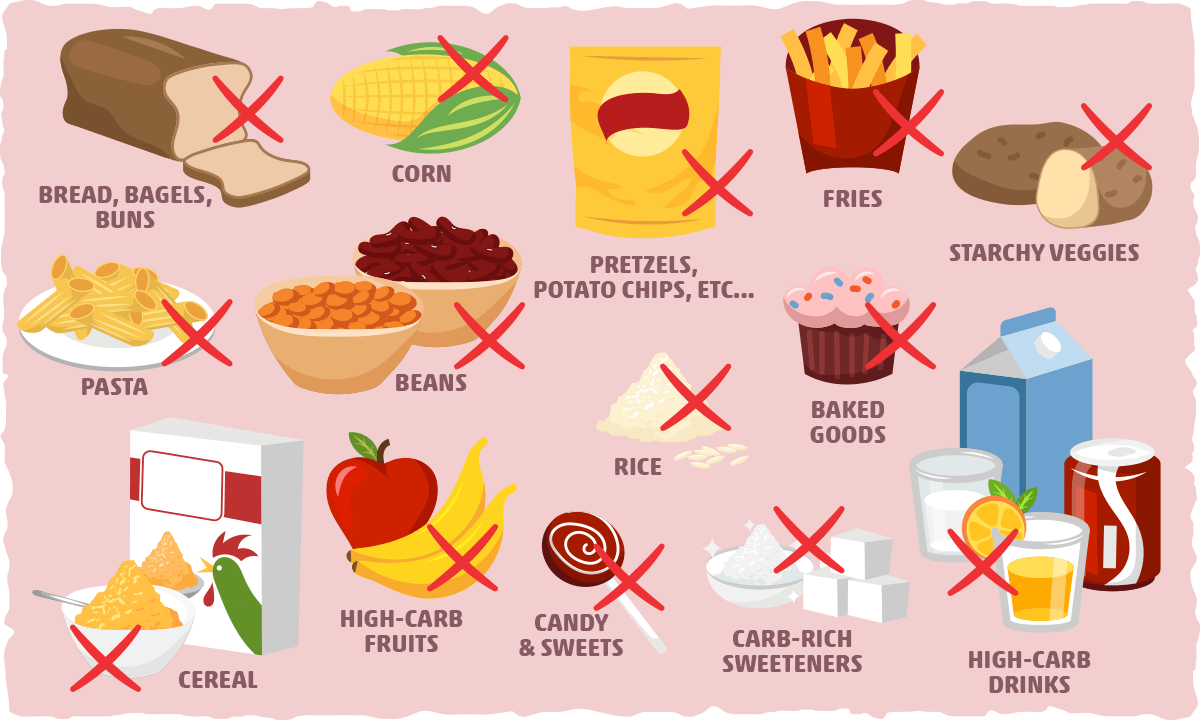
Understanding what to eat on keto diet for beginners is only half the battle. Knowing which foods to limit or avoid is just as important because even small amounts of high-carb foods can make it harder to stay in ketosis. The good news is that once you identify these foods, shopping and meal planning become much easier.
The biggest sources of carbohydrates are refined grains, sugary snacks, sweetened drinks, and many processed foods. These products digest quickly, causing blood sugar spikes and providing little lasting fullness. Replacing them with whole, nutrient-dense foods is one of the simplest ways to improve your overall diet, whether your goal is weight loss or better metabolic health.
Sugary Foods
Avoid foods and drinks with added sugar, including:
- Candy
- Cakes
- Cookies
- Ice cream
- Soft drinks
- Fruit juice
- Sweetened coffee drinks
- Energy drinks
Sugar is one of the quickest ways to exceed your daily carbohydrate limit. Even foods marketed as “healthy” can contain surprising amounts of added sugar, so always read nutrition labels.
Grains and Starches
These foods are generally too high in carbohydrates for a ketogenic diet:
- Bread
- Rice
- Pasta
- Oats
- Breakfast cereals
- Crackers
- Tortillas
- Potatoes
- Sweet potatoes
- Corn
Many beginners replace these with cauliflower rice, zucchini noodles, or mashed cauliflower. These alternatives provide a similar texture while keeping carbohydrate intake much lower.
High-Carb Fruits
Although fruit is nutritious, many varieties contain enough natural sugar to interfere with ketosis.
Limit or avoid:
- Bananas
- Grapes
- Mangoes
- Pineapple
- Apples
- Dried fruit
Instead, enjoy small portions of berries such as strawberries, raspberries, or blackberries, which are lower in carbohydrates and rich in antioxidants.
Building Your First Keto Plate
Creating balanced meals doesn’t have to be complicated. A simple way to build a keto-friendly plate is to combine healthy fats, moderate protein, and low-carb vegetables.
For example:
| Meal | Protein | Healthy Fat | Low-Carb Vegetable |
| Breakfast | Eggs | Avocado | Spinach |
| Lunch | Grilled Chicken | Olive Oil | Mixed Salad |
| Dinner | Salmon | Butter | Broccoli |
This simple formula keeps meals satisfying while helping you stay within your carbohydrate goals.
Breakfast Ideas
Breakfast can be one of the easiest meals on keto. Instead of cereal or toast, focus on protein and healthy fats.
Some easy ideas include:
- Scrambled eggs with spinach and cheese
- Omelet with mushrooms and peppers
- Greek yogurt with chia seeds and a few raspberries
- Smoked salmon with avocado
- Egg muffins prepared in advance
These breakfasts are filling, nutritious, and quick enough for busy mornings.
Lunch Ideas
Lunch should keep your energy steady throughout the afternoon.
Great options include:
- Chicken Caesar salad (without croutons)
- Tuna salad wrapped in lettuce
- Grilled chicken with roasted broccoli
- Turkey lettuce wraps
- Beef burger served without the bun
Adding olive oil or avocado increases healthy fat intake while making meals more satisfying.
Dinner Ideas
Dinner offers plenty of opportunities to enjoy flavorful keto meals.
Try dishes such as:
- Baked salmon with asparagus
- Steak with garlic butter mushrooms
- Chicken thighs with roasted cauliflower
- Pork chops with sautéed cabbage
- Shrimp cooked in garlic butter with zucchini noodles
These meals are rich in protein, vitamins, and healthy fats without relying on refined carbohydrates.
Keto Diet Grocery List for Beginners
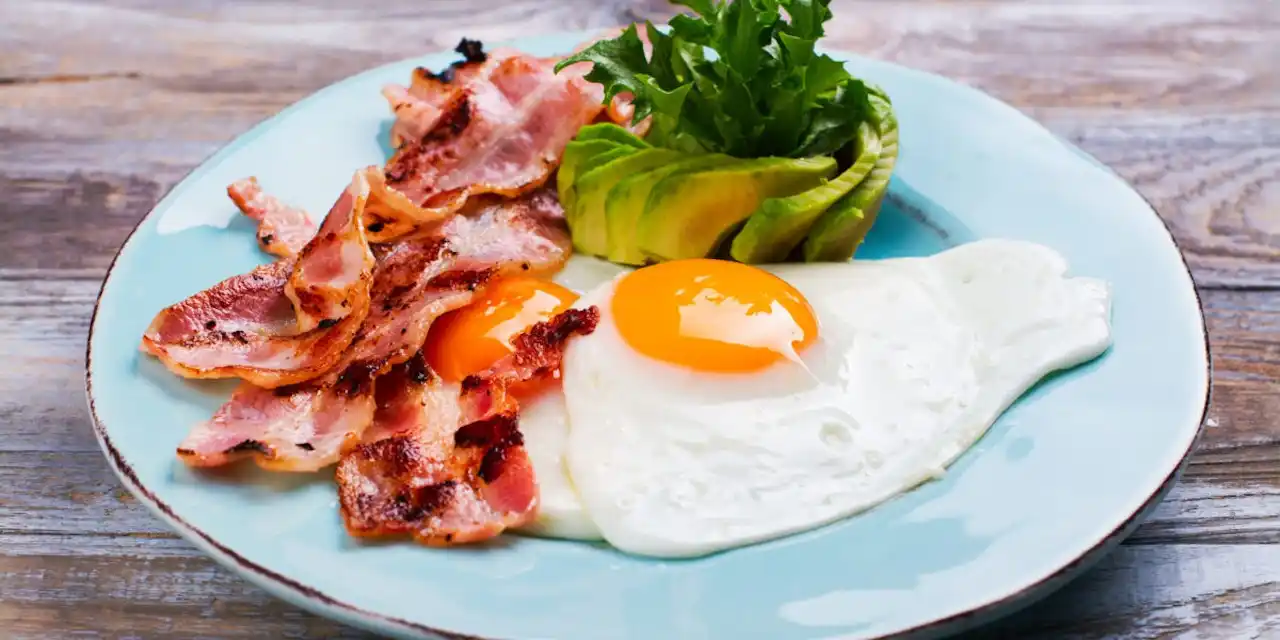
Planning ahead makes keto much easier. A well-stocked kitchen helps reduce the temptation to reach for high-carb convenience foods.
A simple keto diet grocery list for beginners includes:
Proteins
- Eggs
- Chicken
- Beef
- Turkey
- Salmon
- Tuna
- Shrimp
Healthy Fats
- Olive oil
- Coconut oil
- Butter
- Ghee
- Avocados
- Olives
Vegetables
- Spinach
- Broccoli
- Cauliflower
- Zucchini
- Kale
- Lettuce
- Cucumber
Dairy
- Cheddar cheese
- Mozzarella
- Parmesan
- Heavy cream
- Cream cheese
Snacks
- Almonds
- Walnuts
- Pecans
- Pumpkin seeds
- Pork rinds (occasionally)
Keeping these foods available makes healthy choices much more convenient.
How to Start a Keto Diet for Beginners Meal Plan
If you’re wondering how to start a keto diet for beginners meal plan, begin with simple meals instead of complicated recipes.
Day 1 Example
Breakfast
- Two scrambled eggs
- Half an avocado
Lunch
- Grilled chicken salad with olive oil dressing
Snack
- A handful of almonds
Dinner
- Baked salmon
- Steamed broccoli with butter
Dessert
- Sugar-free whipped cream with a few berries
Repeating simple meals during your first week reduces decision fatigue and makes the transition much easier.
Keto Diet Tips for Beginners
Starting a new eating plan can feel overwhelming, but a few practical habits can make a big difference. These keto diet tips for beginners are simple, realistic, and easy to follow.
- Drink plenty of water every day.
- Increase your electrolyte intake.
- Read nutrition labels carefully.
- Cook more meals at home.
- Avoid hidden sugars in sauces.
- Don’t fear healthy fats.
- Plan meals before shopping.
- Give your body time to adapt.
- Prioritize sleep.
- Stay physically active.
Remember that consistency matters more than perfection. One imperfect meal doesn’t erase your progress.
Common Beginner Mistakes to Avoid
Many people start keto with enthusiasm but become frustrated because of a few avoidable mistakes. Fortunately, understanding these challenges before you begin can save you time and help you stay motivated.
One of the most common mistakes is eating too many carbohydrates without realizing it. Hidden carbs often appear in salad dressings, ketchup, flavored yogurt, protein bars, and packaged snacks. Reading nutrition labels carefully is one of the best habits you can develop.
Another mistake is not eating enough healthy fats. Since carbohydrates are greatly reduced, healthy fats become your primary energy source. Foods like avocados, olive oil, fatty fish, nuts, and seeds help you stay full while supporting ketosis.
Some beginners also forget about hydration and electrolytes. During the first week of keto, your body loses water more quickly, which can lead to headaches, fatigue, or muscle cramps. Drinking enough water and consuming sodium, potassium, and magnesium-rich foods can help reduce these symptoms.
Finally, avoid expecting overnight results. Every person enters ketosis at a different pace depending on age, activity level, metabolism, and carbohydrate intake. Focus on building healthy habits rather than chasing quick results.
Conclusion
Learning what to eat on keto diet for beginners doesn’t have to be confusing. The key is to build your meals around healthy fats, quality proteins, and low-carb vegetables while limiting sugar, grains, and processed foods. Keeping your meals simple during the first few weeks makes the transition much easier and increases your chances of long-term success.
Instead of aiming for perfection, focus on consistency. Plan your meals, drink enough water, and choose whole foods whenever possible. Small, steady improvements often lead to lasting results. Whether your goal is weight management, better energy, or improved eating habits, a well-planned ketogenic diet can be an effective and enjoyable lifestyle.
Frequently Asked Questions
1. What do I eat when I first start keto?
Start with simple whole foods such as eggs, chicken, salmon, beef, leafy greens, broccoli, cauliflower, avocado, olive oil, cheese, and nuts. Avoid bread, rice, pasta, sugary drinks, and sweets.
2. What are the 9 rules of keto?
- Keep carbs low.
- Eat healthy fats.
- Choose quality protein.
- Drink plenty of water.
- Replace electrolytes.
- Avoid added sugar.
- Read food labels.
- Plan meals ahead.
- Stay consistent.
3. What are the easiest foods to eat on a keto diet?
Eggs, cheese, avocado, grilled chicken, salmon, leafy greens, broccoli, cauliflower, olives, almonds, and Greek yogurt are among the easiest keto-friendly foods.
4. What is the keto diet for beginners?
The ketogenic diet is a low-carbohydrate, high-fat eating plan that encourages the body to burn fat for energy instead of carbohydrates. Beginners usually consume 20–50 grams of net carbs per day while eating healthy fats and moderate protein.
5. What are 7 signs your body is in ketosis?
Common signs include:
- Reduced appetite
- Increased energy
- Weight loss
- Fruity-smelling breath
- Mental clarity
- Reduced sugar cravings
- Increased ketones in blood or urine