



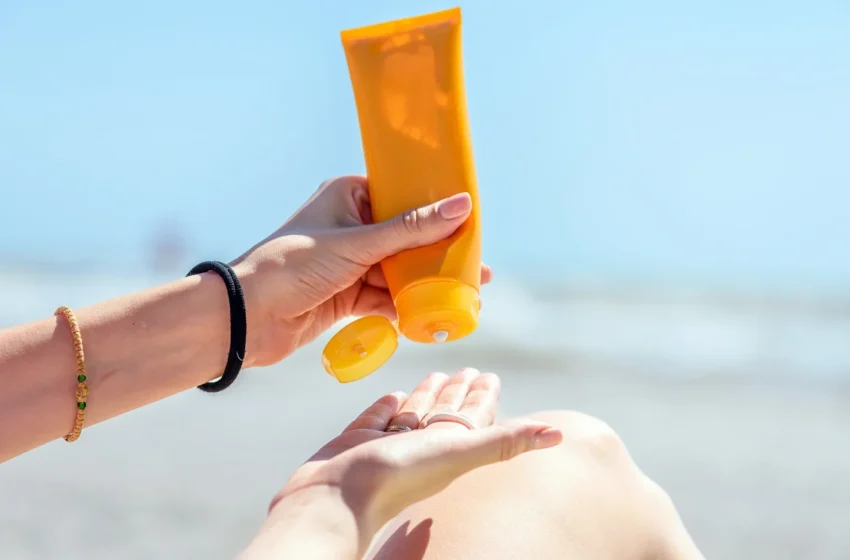
Sunscreen for Oily Skin: Myths and Facts You Should Know
Have you ever skipped sunscreen because you thought it would make your face look greasy or trigger breakouts? If so, you’re not alone. Many people with oily skin avoid daily sun protection because they believe it will worsen shine or clog pores.
However, dermatologists continue to emphasize that protecting your skin from ultraviolet (UV) rays is one of the most effective ways to reduce premature aging and lower the risk of sun damage. The key is choosing the right formula for your skin type.
In this guide, you’ll discover how to choose the best products, separate myths from facts, and build a simple skincare routine that keeps oily skin comfortable while protecting it every day.
Why Sunscreen for Oily Skin Matters More Than You Think
People with oily skin often believe they are naturally protected from the sun because their skin produces more oil. Unfortunately, this is a myth.
Excess oil does not block harmful UV rays. Without proper protection, the skin can still experience sunburn, uneven pigmentation, dark spots, and premature wrinkles.
Moreover, repeated UV exposure can damage the skin’s natural barrier, making it more sensitive over time.
Using a lightweight daily formula helps reduce these risks while keeping your complexion balanced.
Understanding Oily Skin
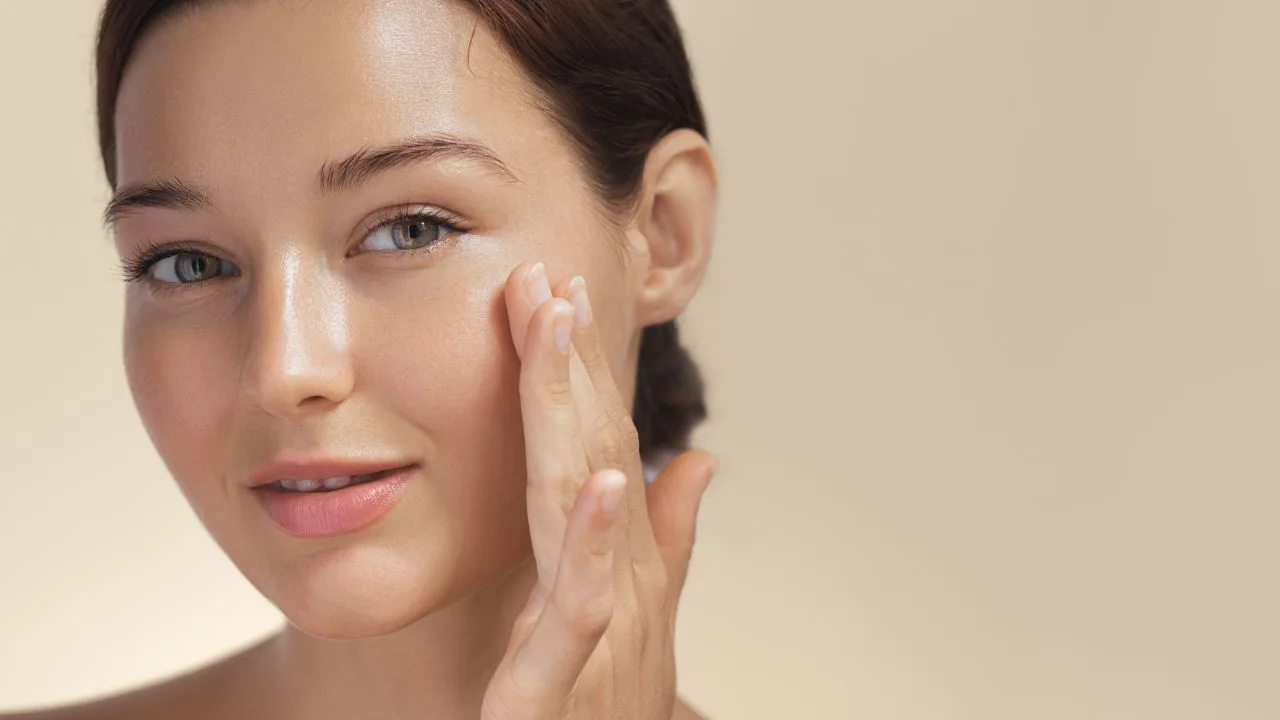
Oily skin produces more sebum than other skin types.
Sebum is important because it keeps the skin moisturized. However, excessive production can lead to:
- Shiny skin
- Enlarged pores
- Blackheads
- Whiteheads
- Acne breakouts
Environmental factors, hormones, genetics, and skincare habits all influence how much oil your skin produces.
Choosing products specifically designed for oily skin can help control shine without stripping away essential moisture.
Common Myths About Sunscreen for Oily Skin
Many misconceptions continue circulating online.
Let’s separate fact from fiction.
Myth 1: It Always Causes Breakouts
Modern products are very different from older formulations.
Many lightweight gels and fluids are labeled non-comedogenic, meaning they are designed not to clog pores.
Selecting the right texture often makes a significant difference.
Myth 2: Oily Skin Doesn’t Need Sun Protection
Every skin type benefits from daily UV protection.
Whether your skin is oily, dry, combination, or sensitive, ultraviolet radiation can still cause long-term damage.
Healthy skin begins with prevention.
Myth 3: Higher SPF Means All-Day Protection
A higher SPF extends protection but does not eliminate the need for reapplication.
Experts generally recommend reapplying every two hours during prolonged outdoor exposure.
Sweating and swimming also reduce effectiveness.
How to Choose the Right Sunscreen for Oily Skin
Finding the right product becomes much easier when you know what ingredients and textures to look for.
Look for Lightweight Formulas
Gel-based and water-based products usually feel lighter than thick creams.
Many people with oily skin prefer these textures because they absorb quickly.
Choose Non-Comedogenic Products
This label indicates the product is less likely to clog pores.
Although no product guarantees zero breakouts, non-comedogenic formulas are often better choices.
Consider a Matte Finish
Matte products help reduce shine throughout the day.
This can improve comfort and make makeup application easier.
Broad-Spectrum Protection
Choose products that protect against both UVA and UVB rays.
Broad-spectrum coverage helps reduce the effects of long-term sun exposure.
Chemical vs. Mineral Sunscreen
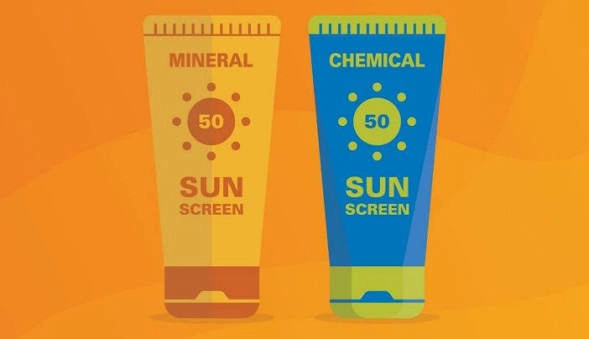
One of the biggest decisions shoppers face is choosing between chemical and mineral sunscreen formulas.
Each offers effective UV protection but works differently.
Mineral Formulas
Mineral formulas use ingredients such as zinc oxide or titanium dioxide to reflect and scatter UV rays.
They are often recommended for sensitive skin because they begin working immediately after application.
Advantages
- Suitable for sensitive skin
- Less likely to cause irritation
- Broad-spectrum protection
Disadvantages
- May leave a white cast on deeper skin tones
- Can feel slightly thicker depending on the formula
Chemical Formulas
Chemical filters absorb UV energy before it damages the skin.
Modern formulas are often lightweight and nearly invisible after application.
Many people with oily skin enjoy these products because they spread easily and leave little residue.
Ingredients That Benefit Oily Skin
Some ingredients help improve both protection and skin comfort.
Look for products containing:
- Niacinamide
- Hyaluronic acid
- Green tea extract
- Vitamin E
- Silica
- Oil-absorbing powders
These ingredients may help control shine while supporting the skin barrier.
Avoid heavy oils if they make your skin feel greasy.
Should You Wear It Every Day?
Yes.
Dermatologists recommend daily protection even on cloudy days.
Ultraviolet rays can pass through clouds and even windows.
If you spend time indoors near large windows or drive frequently, your skin still receives UV exposure.
Making daily application a habit is one of the simplest ways to support long-term skin health.
Does Sunscreen Prevent Tanning?
A common question people ask is, does sunscreen prevent tanning?
Not completely.
No product blocks 100% of ultraviolet rays.
However, using the correct SPF significantly reduces UV exposure, helping minimize tanning, sunburn, and long-term skin damage.
Reapplying regularly remains just as important as choosing the right SPF.
Is It True That Does Sunscreen Cause Cancer?
Another question frequently seen online is, does sunscreen cause cancer?
Current evidence from major health organizations does not support the claim that approved sunscreens cause cancer when used as directed.
In fact, consistent sun protection helps reduce the risk of skin cancers caused by excessive UV exposure.
Health authorities, including dermatology organizations, continue to recommend daily sun protection as part of a healthy skincare routine.
Choosing the Best Sunscreen for Face
When selecting the best sunscreen for face, focus on more than just SPF.
Consider these features:
- Lightweight texture
- Broad-spectrum protection
- Oil-free formula
- Non-comedogenic ingredients
- Matte finish
- Water resistance if needed
Testing a small amount before regular use can help determine whether a product suits your skin.
Expert Tips for Better Results
As someone who regularly reviews skincare research, I often notice that people focus too much on finding the “perfect” product while forgetting consistent use.
The truth is that applying the right amount every day usually provides more benefits than buying expensive products that remain unused.
Healthy skincare is built through simple daily habits, not occasional treatments.
Popular Products Worth Knowing
The skincare market continues to introduce innovative formulas for different skin types. While no single product is perfect for everyone, several well-known options are frequently recommended by dermatologists, skincare experts, and users.
Beauty of Joseon Sunscreen
The beauty of joseon sunscreen has gained popularity because of its lightweight texture and comfortable finish. Many users with combination and oily skin appreciate that it blends easily without leaving a heavy feeling.
Its modern formula also layers well under makeup, making it a practical choice for daily use.
Black Girl Sunscreen
One of the biggest concerns for people with deeper skin tones is the white cast left by some products. Black girl sunscreen was developed with this issue in mind and is known for leaving little to no visible residue on darker complexions.
It also contains moisturizing ingredients that help support the skin barrier.
Supergoop Sunscreen
Another well-known option is supergoop sunscreen, which offers several lightweight formulas suitable for different skin types. Many people choose these products because they feel comfortable during daily wear and work well beneath foundation or tinted moisturizers.
Remember that the “best” product is the one you enjoy using consistently.
Can a Natural Sunscreen Be Effective?
Many shoppers look for a natural sunscreen because they prefer products with fewer synthetic ingredients.
In general, mineral-based formulas containing zinc oxide or titanium dioxide are often considered closer to this category. These ingredients provide broad-spectrum UV protection and are commonly recommended for sensitive skin.
However, “natural” does not automatically mean better or safer. The most important factors are effectiveness, proper application, and regular reapplication.
Daily Skincare Routine for Oily Skin
Building a simple routine is often more effective than using too many products.
Morning Routine
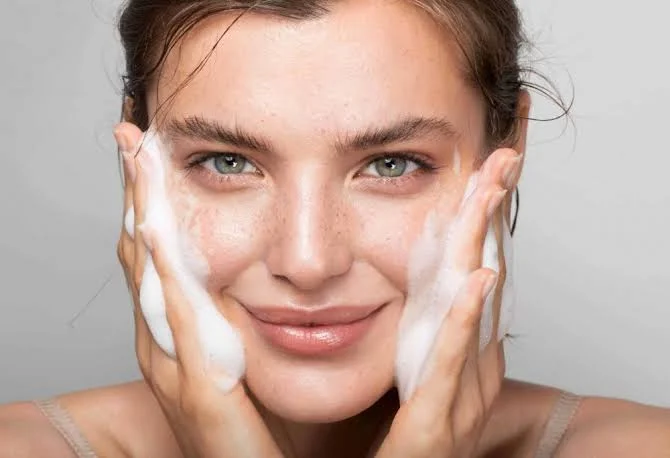
- Cleanse with a gentle foaming cleanser.
- Apply a lightweight serum if needed.
- Use a moisturizer suitable for oily skin.
- Apply sun protection generously.
- Finish with makeup if desired.
Afternoon
If you spend time outdoors, reapply every two hours.
Blotting papers can help remove excess shine without disturbing your skincare.
Evening
- Remove makeup thoroughly.
- Cleanse your skin.
- Apply treatment products if recommended.
- Finish with a lightweight moisturizer.
Consistency matters more than using a large number of products.
Common Mistakes to Avoid
Even the best skincare products cannot work properly if they are used incorrectly.
Avoid these common mistakes:
Applying Too Little
Most adults apply much less than the recommended amount.
Using too little significantly reduces protection.
Forgetting Reapplication
One morning application does not last all day.
Outdoor activities, sweating, and touching your face gradually reduce effectiveness.
Skipping Cloudy Days
Up to 80% of UV rays can pass through clouds.
Protection is still important even when the sun is not visible.
Ignoring Your Neck and Ears
These areas are frequently forgotten but receive significant sun exposure.
What About Children?
Parents often ask whether adults and children should use the same products.
The best sunscreen for kids is usually one that is broad-spectrum, gentle on sensitive skin, and easy to apply consistently. Pediatricians often recommend fragrance-free formulas and encourage additional sun-protective measures such as hats, sunglasses, and protective clothing.
Always follow age-specific recommendations and consult your child’s healthcare provider if you have concerns.
Healthy Habits That Protect Your Skin
Daily protection involves more than applying one product.
Combine skincare with healthy habits such as:
- Wearing wide-brimmed hats
- Using UV-protective sunglasses
- Seeking shade during peak sunlight hours
- Drinking enough water
- Eating antioxidant-rich fruits and vegetables
- Avoiding excessive sun exposure
Together, these habits help support healthier skin over time.
Conclusion
Finding the right sunscreen for oily skin does not have to be difficult. Modern formulations are lighter, more comfortable, and better suited to oily complexions than ever before.
By choosing a non-comedogenic, broad-spectrum product with a lightweight finish, you can protect your skin without increasing shine or clogging pores. Combined with a consistent skincare routine, regular reapplication, and healthy lifestyle habits, daily sun protection becomes one of the easiest ways to maintain healthy-looking skin.
The biggest takeaway is simple: don’t let myths keep you from protecting your skin. Small daily habits today can make a noticeable difference in your skin’s appearance and health for years to come.
Frequently Asked Questions
Which sunscreen is best for oily skin?
Look for lightweight, oil-free, non-comedogenic formulas with a matte finish and broad-spectrum SPF. Gel or fluid textures are often popular choices.
Do oily skin need sunscreen?
Yes. Oily skin is still vulnerable to UV damage, pigmentation, and premature aging. Daily protection is recommended regardless of skin type.
Which sunblock is best for oily skin?
Products designed specifically for oily or acne-prone skin with lightweight, fast-absorbing formulas are generally the most comfortable for everyday use.
Is water-based sunscreen good for oily skin?
Yes. Water-based formulas often feel lighter than rich creams and can help reduce greasy residue while maintaining effective UV protection.
Which brand is best for oily skin?
There is no single best brand for everyone. The ideal choice depends on your skin’s sensitivity, preferred texture, climate, and personal comfort. Selecting a reputable product that you will use every day is more important than following trends.
⭐ Make MindLiva Your Preferred Source on Google
Get trusted health, wellness, and lifestyle articles from MindLiva.
Add MindLiva
Samie Babaei is a medical science student at Shahid Beheshti University of Medical Sciences with a strong interest in health, wellness, and medical research. As a health writer and researcher at MindLiva, she focuses on creating clear, evidence-based content that helps readers better understand health and well-being.