



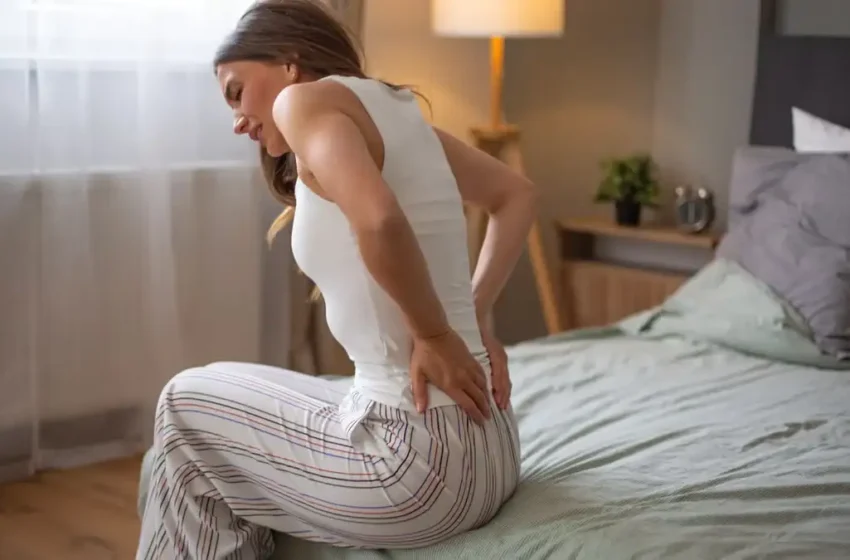
Can Constipation Cause Back Pain? Top Causes You Should Know
Have you noticed a dull ache in your lower back at the same time as hard, difficult bowel movements? It is natural to wonder, can constipation cause back pain, or whether the two symptoms point to separate problems.
A buildup of hard stool can sometimes create pressure in the abdomen, pelvis, and lower back. Repeated straining may also tighten muscles that support the spine. However, lower-back discomfort can have many causes, including muscle strain, urinary problems, nerve pressure, pregnancy, and spinal conditions.
This article explains how bowel problems may affect the back, where the discomfort is commonly felt, and which practical steps may help. More importantly, it shows when the combination of bowel changes and back pain requires medical care instead of another home remedy.
Medical warning: Seek prompt care when back pain occurs with vomiting, fever, abdominal swelling, bleeding, inability to pass gas, leg weakness, numbness around the groin, or loss of bladder or bowel control.
Can Constipation Cause Back Pain Directly?
Yes, it can be linked to lower-back discomfort in some cases, especially when a large amount of hard stool becomes trapped in the rectum or colon.
A severe stool buildup, known as fecal impaction, may cause abdominal cramping, bloating, bladder pressure, and lower-back pain. However, this is more serious than simply missing one normal bowel movement.
There are several ways bowel difficulty may contribute to an aching back:
- A full bowel may create pressure in the lower abdomen and pelvis.
- Bloating can alter posture and make the abdominal area feel heavy.
- Repeated straining can tighten back, abdominal, and pelvic-floor muscles.
- Long periods spent sitting on the toilet may aggravate an existing back problem.
- Reduced movement during digestive discomfort may make the back stiff.
- Impacted stools may press against nearby pelvic structures.
Still, the connection should not be assumed. NIDDK advises seeing a doctor promptly when difficult bowel movements occur with lower-back pain because the combination can sometimes signal another medical issue.
What Does Constipation-Related Back Pain Feel Like?
When bowel pressure contributes to discomfort, the pain is often described as a dull ache, heaviness, or pressure in the lower back.
It may occur together with bloating, lower abdominal cramps, rectal pressure, or a feeling that stool has not fully passed. The discomfort may improve after a complete bowel movement or after trapped gas is released.
Typical constipation symptoms can include:
- Fewer than three bowel movements per week
- Dry, hard, or pellet-like stool
- Pain or straining while passing stool
- A feeling that the rectum has not emptied
- Abdominal pressure or bloating
- The need to change position to pass stool
However, pain that travels down one or both legs, causes numbness, wakes you repeatedly at night, or continues after your bowel habits return to normal is less likely to be explained by stool pressure alone.
A useful practical clue is timing. When the backache rises as bloating and bowel difficulty worsen, then improves after passing stool, a digestive connection is more likely. It is not proof, but it is useful information to share with a clinician.
Where Is the Back Pain Usually Located?
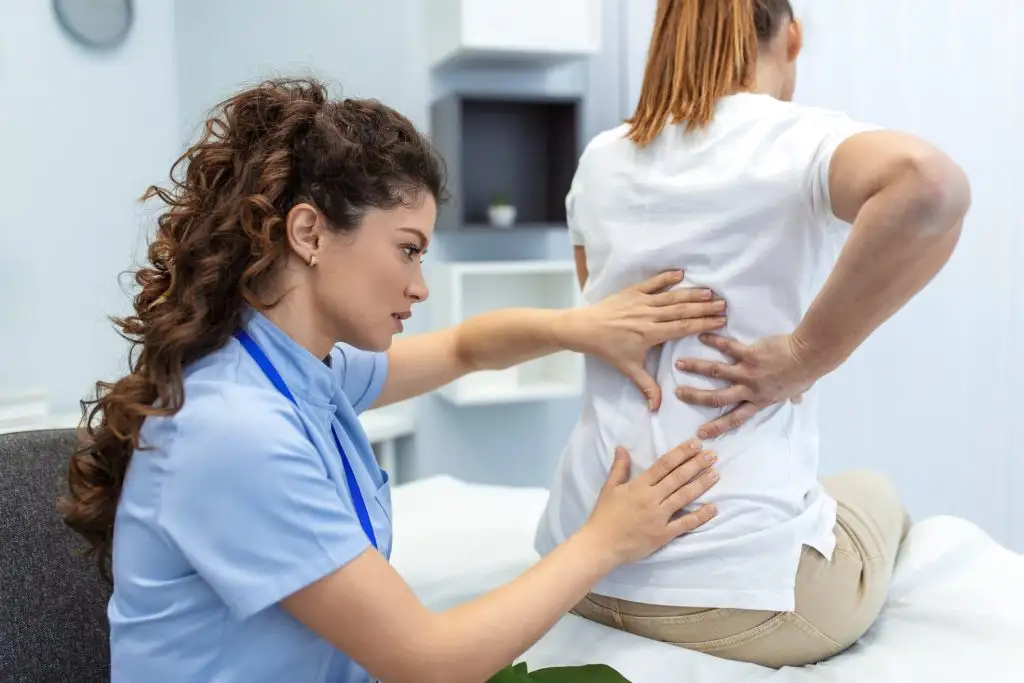
Bowel-related discomfort is usually felt around the lower back, pelvis, or sacral area near the base of the spine.
Some people feel more pressure on the left side because the lower part of the colon passes through that area. Others experience a general ache across the whole lower back.
Upper-back pain between the shoulder blades is unlikely to result from a full bowel. It should be assessed based on other possible causes.
Likewise, one-sided pain near the ribs or flank may involve the kidneys or urinary system rather than the digestive tract. Fever, painful urination, blood in the urine, or nausea makes medical evaluation more important.
What Causes Constipation and Back Pain Together?
The two symptoms may share a common trigger rather than one directly causing the other.
Possible shared causes include:
- Low physical activity
- Dehydration
- Pregnancy
- Medication side effects
- Pelvic-floor dysfunction
- Nerve or spinal conditions
- Prolonged sitting
- Pain that limits normal movement
- An underlying digestive disorder
For example, someone with a back injury may become less active and begin taking an opioid painkiller. Both reduced movement and opioid use can slow bowel activity.
Similarly, someone who develops abdominal bloating may change posture to protect the stomach. That posture may then strain the lower back.
People searching what causes constipation should therefore review recent changes in meals, fluids, physical activity, travel, stress, supplements, prescriptions, and bathroom habits. NIDDK also lists diabetes, low thyroid function, pelvic-floor disorders, intestinal blockage, neurological disease, and several medications among possible causes.
When the Back May Be Causing the Bowel Problem
The relationship can sometimes work in the opposite direction. A spinal or nerve problem may affect bowel function and cause back pain at the same time.
Nerves in the lower spine help control the bladder, bowel, legs, and sensation around the groin. Serious compression of these nerves can interfere with normal emptying.
Go to emergency care when back pain occurs with:
- New numbness around the genitals, anus, or inner thighs
- Weakness or loss of feeling in both legs
- Sudden difficulty starting urination
- Loss of bladder control
- Loss of bowel control
- Severe pain spreading down both legs
- Rapidly worsening neurological symptoms
These may be signs of cauda equina syndrome, a rare but serious condition requiring emergency assessment.
Do not assume that every bowel change during a back-pain episode comes from diet. New neurological symptoms need urgent investigation.
What Helps With Constipation and Lower-Back Pressure?
Mild symptoms without warning signs may respond to gradual changes in food, fluid, movement, and bathroom habits.
The goal is to soften the stool and support normal movement without causing more cramping.
1. Increase Fiber Gradually

Fiber helps stool hold water and adds volume that can support bowel movement. Adults generally need about 22 to 34 grams per day, depending on age and sex.
Good sources include:
- Oats
- Lentils
- Chickpeas
- Berries
- Pears
- Apples with the skin
- Broccoli
- Whole-grain bread
- Nuts and seeds
However, adding a large amount of fiber overnight may worsen gas, bloating, and pressure. Increase it over several days.
Do not load up on bran or fiber supplements when your abdomen is severely swollen, you cannot pass gas, or you may have an impaction. Seek medical advice first.
2. Drink Suitable Amounts of Fluid
Fluid helps fiber work and reduces the chance that stool will become dry and difficult to pass.
Water is a practical choice, but soups and other suitable drinks also count. Your needs depend on your health, activity, climate, and diet.
People with kidney or heart disease may have specific fluid limits. Follow your clinician’s advice instead of forcing large amounts of water.
3. Walk and Change Position Regularly
Regular activity may support bowel function and prevent stiffness caused by prolonged sitting. NIDDK includes physical activity among the standard self-care steps for improving bowel regularity.
Start with a gentle 10- to 20-minute walk. Avoid a hard workout when you have significant abdominal pain or feel unwell.
Moreover, stand and move for a few minutes each hour if you work at a desk. This can support digestion while reducing muscular back tension.
4. Use Better Toilet Positioning
Place your feet on a small stool so that your knees sit slightly higher than your hips.
Lean forward, keep your abdomen relaxed, and breathe out slowly. Avoid holding your breath and pushing with maximum force.
Do not remain on the toilet for long periods. If nothing happens after several relaxed minutes, get up, walk around, and try again later.
5. Try a Regular Bathroom Time
Eating stimulates movement in the colon. A calm bathroom visit after breakfast may therefore help build a more predictable routine.
Respond when you feel the urge to go. Repeated delays allow the colon more time to remove water from stool, making it harder.
6. Use Gentle Heat for Muscle Tension
A warm compress or heating pad may help relax tight lower-back muscles. Use a low setting and protect your skin with a towel.
Heat may ease muscular discomfort, but it will not treat an impaction, obstruction, infection, or nerve emergency.
Stop if the pain increases. Pregnant people should ask their maternity care professional about safe heat use.
High-Fiber Foods Chart for Constipation
| Food | Simple serving idea | Why it may help |
| Oats | Cooked oatmeal at breakfast | Provides soluble fiber |
| Lentils | Add to soup or salad | Fiber and plant protein |
| Pears | Eat with the skin | Fiber and natural moisture |
| Raspberries | Mix into yogurt | High-fiber fruit |
| Chickpeas | Blend into hummus | Easy legume option |
| Broccoli | Steam or roast | Adds fiber and food volume |
| Whole-grain bread | Replace white bread | Simple daily swap |
| Chia seeds | Add gradually to oats | Forms a moisture-holding gel |
| Prunes | Eat a measured serving | Provides fiber and sorbitol |
A varied diet is usually easier to maintain than relying on one food. Moreover, spreading fiber across meals may cause less bloating than eating a large amount at once.
How to Relieve Constipation Without Worsening Back Pain
Choose gentle steps that support both the bowel and spine.
- Begin the morning with a suitable drink and a fiber-containing breakfast.
- Take a short walk instead of sitting immediately after eating.
- Try a calm bathroom visit without forceful straining.
- Use a footstool to improve your position.
- Apply gentle heat to tight back muscles if appropriate.
- Change sitting positions regularly.
- Ask a pharmacist about an over-the-counter option when lifestyle steps are not enough.
- Seek care if the pain is constant, severe, or associated with warning signs.
When learning how to relieve constipation, avoid taking several laxatives at once. Combining products can cause diarrhea, dehydration, and stronger abdominal cramps.
An osmotic laxative may be considered for hard stool, while stimulant products are often used as short-term rescue. The right choice depends on age, pregnancy, kidney health, other medications, and the likely cause.
For safe constipation relief for adults, speak with a pharmacist when you are unsure which active ingredient fits your symptoms.
Could Fecal Impaction Be Causing Pain?
Fecal impaction occurs when a large, hardened mass of stool becomes trapped, usually in the rectum.
Possible signs include:
- Long-standing bowel difficulty
- Abdominal cramping and bloating
- Repeated straining
- Small pieces of stool
- Rectal discomfort
- Lower-back pressure
- Bladder pressure or leakage
- Watery stool leaking around the hard mass
The watery leakage is sometimes mistaken for diarrhea. However, it may occur when liquid stool moves around an impaction.
Do not try to pull out visible stool with an object. Do not repeatedly use enemas without medical guidance.
Impaction may require a rectal examination and clinician-directed treatment. Older adults, people with limited mobility, and those taking opioid painkillers may be at higher risk.
Does Iron Cause Constipation and Back Discomfort?
Oral iron supplements can cause hard stool, stomach cramps, nausea, and other digestive side effects.
The resulting bloating or straining may occur alongside lower-back discomfort. However, iron does not automatically explain new or severe back pain.
Do not stop prescribed iron without advice. Ask whether a different dose, product, schedule, or supportive treatment may be suitable.
Dark stool can be expected with many iron products. Black tar-like stool, red blood, dizziness, or severe abdominal pain requires prompt medical advice.
Do Steroids Cause Constipation?
Prednisone and other corticosteroids have reported digestive side effects that can include abdominal discomfort and bowel slowing. However, the underlying illness, reduced activity, dehydration, or another drug may also contribute.
Corticosteroids may also affect muscles and bones during prolonged treatment, creating additional reasons for back discomfort.
Never stop a steroid suddenly without medical supervision. Some treatment plans require a gradual dose reduction to prevent serious withdrawal effects.
Constipation During Pregnancy and Back Pain
Pregnancy can cause both bowel changes and backache through separate but overlapping processes.
Hormonal changes may slow the digestive system. Meanwhile, the growing uterus shifts the center of gravity, stretches abdominal muscles, and increases stress on the lower back.
ACOG recommends gradually increasing fiber, drinking water as fiber intake rises, and aiming for about 25 grams of fiber per day. Approved physical activity may also ease bowel difficulty and reduce back pain during a normal pregnancy.
Contact your obstetric care professional for severe pain, fever, painful urination, vaginal bleeding, contractions, vomiting, or pain that continues for more than two weeks.
Do not assume that backache in pregnancy is always muscular. It can also occur with urinary infections or preterm labor.
When Back Pain Is Probably Not From the Bowel
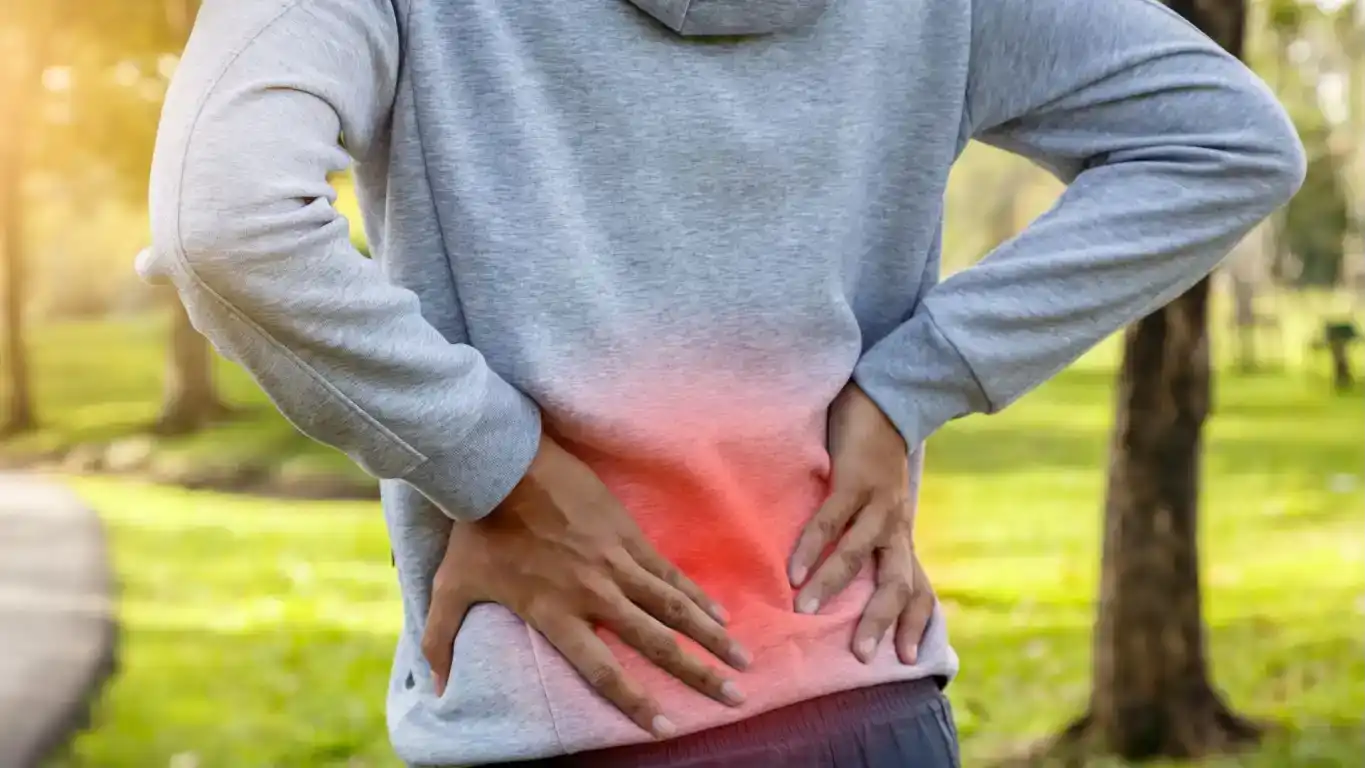
Consider another cause when the pain:
- Continues after normal bowel movements return
- Travels down the leg
- Causes tingling, weakness, or numbness
- Becomes worse at night
- Began after lifting, twisting, or falling
- Is located high in the back
- Occurs with painful urination
- Comes with fever or unexplained weight loss
- Is severe and worsening quickly
Back pain is common and is often muscular. However, it may also involve a disc, spinal joint, kidney, urinary tract, or another organ.
A clinician can assess strength, reflexes, sensation, abdominal tenderness, and bowel history to decide which tests are needed.
Warning Signs You Should Not Ignore
Seek prompt medical care when lower-back discomfort and bowel difficulty occur with:
- Constant abdominal pain
- Inability to pass gas
- Repeated vomiting
- Fever
- Rectal bleeding
- Blood mixed into stool
- Unexplained weight loss
- Severe abdominal swelling
- Rapidly worsening back pain
- Weakness or numbness in both legs
- Loss of feeling around the groin or anus
- New loss of bladder or bowel control
NIDDK specifically lists lower-back pain among the symptoms that warrant prompt medical attention when it accompanies difficult bowel movements.
These symptoms do not prove that a dangerous condition is present. However, they should not be managed only with fiber, heat, or stronger laxatives.
A Simple Three-Day Self-Care Plan
This short plan is suitable only for mild symptoms without warning signs.
Day One: Observe and Hydrate
Record your last bowel movement, stool texture, pain location, meals, fluids, and medications.
Drink suitable fluids and take a short walk. Add one moderate fiber source rather than changing your entire diet.
Day Two: Improve the Routine
Eat breakfast, walk for several minutes, and try a relaxed bathroom visit afterward.
Use a footstool and avoid forceful straining. Apply gentle heat to the lower back when the muscles feel tight.
Day Three: Review the Pattern
Consider whether stool became softer, bloating decreased, and the backache changed after a bowel movement.
If both symptoms continue, worsen, or repeatedly return, contact a healthcare professional. A persistent pattern may require a medication review, physical examination, blood tests, imaging, or tests of bowel and pelvic-floor function.
Conclusion
So, can constipation cause back pain? It can sometimes contribute to a dull lower-back ache, especially when hard stool, bloating, straining, or fecal impaction creates pressure around the pelvis.
However, the two symptoms may also share another cause, or the back problem may be affecting bowel function. Timing, stool changes, pain location, and associated symptoms all provide useful clues.
In short, begin with gentle habits when symptoms are mild: increase fiber slowly, drink suitable fluids, walk, improve toilet posture, and avoid straining.
Do not ignore persistent or severe pain. Back discomfort with vomiting, fever, inability to pass gas, bleeding, leg weakness, groin numbness, or loss of bladder or bowel control requires prompt medical care.
Frequently Asked Questions
Can a Full Bowel Put Pressure on Your Back?
A large stool buildup or impaction may cause pelvic pressure and a lower-back ache. However, new back pain should not automatically be blamed on the bowel.
Will the Back Pain Stop After I Poop?
It may improve when pressure, bloating, or straining cause discomfort. Pain that continues after normal bowel movements return deserves further assessment.
How Long Can Constipation-Related Back Pain Last?
Mild discomfort may ease after stool passes. Pain lasting several days, becoming stronger, or occurring with other warning signs should be discussed with a clinician.
What Is the Best Constipation Relief?
The best approach depends on whether the main problem is hard stool, slow bowel movement, medication effects, impaction, or pelvic-floor dysfunction. Persistent symptoms require individual assessment.
When Is Back Pain With Constipation an Emergency?
Seek emergency care for leg weakness, groin numbness, loss of bladder or bowel control, severe swelling, repeated vomiting, inability to pass gas, or rapidly worsening pain.
⭐ Make MindLiva Your Preferred Source on Google
Get trusted health, wellness, and lifestyle articles from MindLiva.
Add MindLiva
Samie Babaei is a medical science student at Shahid Beheshti University of Medical Sciences with a strong interest in health, wellness, and medical research. As a health writer and researcher at MindLiva, she focuses on creating clear, evidence-based content that helps readers better understand health and well-being.