



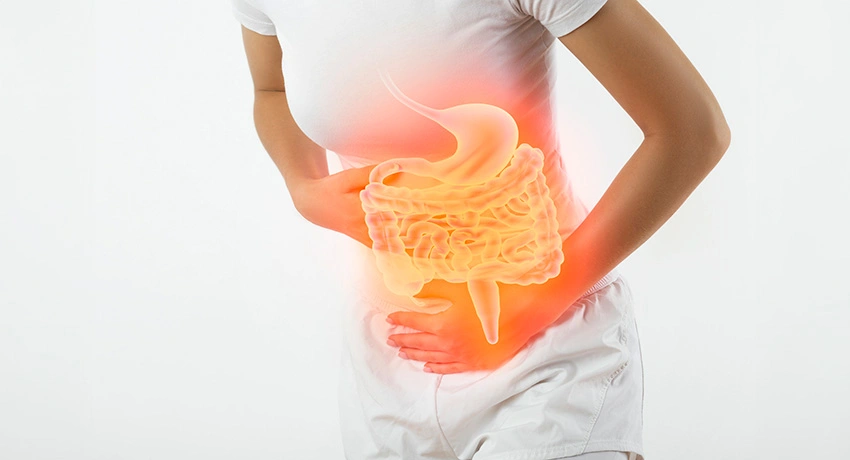
What Causes Constipation? Secrets to Maintaining Regularity
Have you ever wondered why your digestion suddenly slows down, even though your daily routine seems unchanged? You’re not alone. Millions of people experience digestive discomfort every year, often without realizing that small lifestyle habits can have a significant impact on bowel health.
Understanding what causes constipation is the first step toward maintaining regular bowel movements and supporting overall digestive wellness. While occasional digestive slowdowns are common, persistent problems can affect energy levels, appetite, comfort, and quality of life.
In this guide, you’ll discover the most common causes of digestive slowdown, learn how diet, hydration, exercise, medications, and daily habits influence your gut, and explore practical strategies that experts recommend for maintaining healthy digestion.
Why Understanding What Causes Constipation Matters
Many people think digestive problems happen only because they do not eat enough vegetables. In reality, the digestive system is much more complex.
Your intestines depend on a combination of healthy bacteria, enough water, dietary fiber, regular movement, hormones, and even your daily schedule. When one or more of these factors changes, bowel movements can become slower.
Research suggests that digestive complaints are among the most common reasons people visit primary healthcare providers. Fortunately, many contributing factors are manageable through simple lifestyle improvements.
Moreover, recognizing the early warning signs allows you to make adjustments before symptoms become more uncomfortable.
What Causes Constipation? The Most Common Everyday Reasons
Several factors can contribute to slower bowel movements. Often, more than one factor is involved.
1. Not Eating Enough Fiber
Fiber plays an essential role in digestive health because it helps move waste through the intestines.
People who eat mostly processed foods often consume far less fiber than recommended.
Foods naturally rich in fiber include:
- Whole grains
- Oats
- Beans
- Lentils
- Apples
- Pears
- Berries
- Broccoli
- Carrots
- Leafy green vegetables
For example, replacing white bread with whole-grain bread or adding beans to salads can gradually increase daily fiber intake.
However, increasing fiber too quickly may lead to temporary gas or bloating. Experts recommend increasing fiber gradually while also drinking enough water.
2. Poor Hydration

Water is just as important as fiber.
When your body does not receive enough fluids, the large intestine absorbs more water from waste material. As a result, stool becomes harder and more difficult to pass.
Simple ways to improve hydration include:
- Carry a reusable water bottle.
- Drink water throughout the day instead of all at once.
- Eat fruits with high water content.
- Include soups and vegetables in meals.
Even mild dehydration may influence digestion in some people.
3. Lack of Physical Activity
Movement supports many body functions, including digestion.
Physical activity helps stimulate the muscles that move food through the digestive tract.
People who spend most of the day sitting often notice slower digestion than those who stay active.
Fortunately, exercise does not need to be intense.
Helpful activities include:
- Walking after meals
- Cycling
- Swimming
- Stretching
- Light strength training
Even a 20-minute walk can encourage healthier digestive function.
The Connection Between Daily Habits and Digestive Health
Healthy digestion depends on consistency.
Small habits repeated every day often matter more than dramatic short-term changes.
Ignoring the Urge to Go
One surprisingly common habit is delaying bathroom visits.
Ignoring the body’s natural signals allows stool to remain longer in the colon, where additional water is absorbed.
Over time, this may make bowel movements more difficult.
Listening to your body’s signals is one of the easiest ways to support regular digestion.
Irregular Eating Patterns
Skipping meals or eating at inconsistent times can affect digestive rhythms.
Your digestive system responds to regular eating schedules.
For example, many people naturally experience bowel activity after breakfast due to the body’s gastrocolic reflex.
Eating balanced meals at similar times each day may encourage more regular bowel movements.
Stress and Emotional Health
Your brain and digestive system constantly communicate.
This connection is sometimes called the “gut-brain axis.”
Periods of stress may slow or alter digestion in some individuals.
Simple stress-management strategies include:
- Deep breathing
- Walking outdoors
- Meditation
- Quality sleep
- Talking with supportive friends
Taking care of mental well-being often benefits digestive health as well.
Foods That Can Slow Digestion

Not every food affects everyone in the same way.
However, diets high in processed foods and low in plant-based ingredients may contribute to slower bowel movements.
Examples include:
- Fast food
- Fried foods
- Highly processed snacks
- Excess sweets
- Refined grains
These foods are not necessarily harmful when enjoyed occasionally, but eating them frequently while consuming little fiber may influence bowel health.
Instead, aim for a colorful plate that includes fruits, vegetables, whole grains, legumes, and healthy fats.
Medical Conditions That May Affect Digestion
Although lifestyle factors are common, certain health conditions may also influence bowel function.
Examples include:
- Thyroid disorders
- Diabetes
- Neurological conditions
- Digestive disorders
- Pelvic floor dysfunction
This does not mean every digestive change indicates a medical condition.
However, persistent symptoms should always be discussed with a healthcare professional.
Early evaluation helps identify possible underlying causes and appropriate treatment options.
Can Medications Cause Digestive Changes?
Yes.
Many prescription and over-the-counter medications may affect bowel habits.
Common examples include:
- Certain pain medications
- Some antidepressants
- Calcium supplements
- Iron supplements
- Some blood pressure medications
Never stop a prescribed medication without consulting your healthcare provider.
Instead, ask whether dietary changes or alternative treatments may reduce digestive side effects.
Does Iron Cause Constipation?
Many people ask, does iron cause constipation?
Iron supplements are well known for causing digestive side effects in some individuals.
Hard stools, bloating, and changes in bowel habits are among the most frequently reported concerns.
Fortunately, healthcare professionals can often recommend different formulations or dosing schedules that improve tolerance while maintaining healthy iron levels.
Do Steroids Cause Constipation?
Another frequently searched question is do steroids cause constipation?
Steroid medications are not among the most common causes of digestive slowdown. However, individual responses vary depending on the medication, dosage, treatment duration, and overall health.
Anyone experiencing ongoing digestive changes while taking medication should discuss their symptoms with a healthcare provider rather than stopping treatment independently.
Age and Digestive Changes
Digestive function naturally changes over time.
Older adults may experience slower bowel movement due to:
- Reduced physical activity
- Lower fluid intake
- Medication use
- Changes in muscle strength
- Chronic medical conditions
However, healthy eating habits and regular movement remain beneficial at every stage of life.
Maintaining muscle strength through gentle exercise may also support digestive function.
Personal Insight: Small Changes Often Make the Biggest Difference
One of the most common patterns healthcare professionals observe is that digestive health rarely depends on a single factor. Instead, it reflects daily routines over weeks and months.
For example, someone who begins drinking more water, adds an extra serving of vegetables each day, and takes a 20-minute walk after dinner may notice gradual improvements within a short period. While results vary from person to person, consistent habits are often more effective than searching for quick fixes.
Constipation During Pregnancy: Why It Happens
Hormonal changes affect nearly every system in the body, including digestion. Constipation during pregnancy is common because higher progesterone levels relax the muscles of the digestive tract, allowing food to move more slowly.
As the baby grows, the uterus also puts pressure on the intestines, which may further slow bowel movements.
To support digestive health during pregnancy:
- Drink enough water throughout the day.
- Eat more fruits, vegetables, and whole grains.
- Stay physically active if your healthcare provider approves.
- Avoid delaying bathroom visits.
Always speak with your healthcare provider before using any medication or supplement during pregnancy.
Recognizing Constipation Symptoms Early
Knowing the early warning signs can help you take action before discomfort becomes more serious.
Common constipation symptoms include:
- Hard or dry stools
- Straining during bowel movements
- Feeling that the bowel does not empty completely
- Fewer bowel movements than usual
- Bloating or abdominal discomfort
Occasional digestive changes are normal. However, symptoms that continue for several weeks should be evaluated by a healthcare professional.
What Helps With Constipation? Practical Daily Solutions
Many people search online for what helps with constipation because they want natural, long-lasting solutions rather than temporary fixes.
The following habits are supported by digestive health experts:
1. Eat More Plant-Based Foods
Fiber helps add bulk to stool and supports healthy gut bacteria.
Excellent choices include:
- Apples
- Pears
- Berries
- Beans
- Lentils
- Broccoli
- Spinach
- Oats
- Brown rice
Aim to increase fiber gradually while maintaining good hydration.
2. Drink Enough Water
Water helps soften stool and supports smoother movement through the digestive tract.
If you increase fiber without increasing fluids, digestive discomfort may actually worsen.
A practical tip is to keep a water bottle nearby and sip regularly throughout the day.
3. Stay Active
Regular movement stimulates intestinal muscles.
Helpful activities include:
- Walking
- Cycling
- Swimming
- Yoga
- Light stretching
Even short periods of movement after meals may support healthier digestion.
4. Build a Consistent Bathroom Routine
Your digestive system responds well to routine.
Try using the bathroom at approximately the same time every day, especially after breakfast, when the body’s natural digestive reflex is strongest.
How to Relieve Constipation Safely
If you’re wondering how to relieve constipation, start with gentle lifestyle changes before considering medications.
Experts commonly recommend:
- Increase fiber slowly.
- Drink more water.
- Walk every day.
- Avoid delaying bowel movements.
- Reduce highly processed foods.
- Get enough sleep.
- Manage daily stress.
If symptoms persist despite these changes, consult your healthcare provider for further evaluation.
Natural Constipation Relief Through Food
Many people prefer food-first approaches to constipation relief.
Several foods naturally support bowel health because they provide fiber, water, or compounds that encourage regular bowel movements.
Examples include:
- Prunes
- Kiwi
- Chia seeds
- Flaxseed
- Oatmeal
- Beans
- Lentils
- Pears
- Apples with skin
- Broccoli
Combining several fiber-rich foods throughout the day usually works better than relying on a single “superfood.”
High-Fiber Foods Chart for Constipation
Below is a simple high-fiber foods chart for constipation that can help you plan balanced meals.
| Food | Approximate Fiber | Benefit |
| Lentils | High | Supports stool bulk |
| Black beans | High | Promotes healthy digestion |
| Oats | Moderate | Feeds beneficial gut bacteria |
| Chia seeds | Very high | Absorbs water and softens stool |
| Pears | Moderate | Rich in natural fiber |
| Apples (with skin) | Moderate | Adds bulk to stool |
| Broccoli | Moderate | Supports digestive health |
| Raspberries | High | Excellent fruit source of fiber |
| Almonds | Moderate | Healthy fats plus fiber |
| Sweet potatoes | Moderate | Rich in nutrients and fiber |
Eating a variety of fiber-rich foods is generally more effective than depending on only one source.
Constipation Relief for Adults: Long-Term Strategies

Successful constipation relief for adults usually focuses on prevention rather than quick fixes.
Experts recommend building healthy habits such as:
- Eating balanced meals regularly
- Drinking enough fluids
- Exercising most days of the week
- Limiting highly processed foods
- Sleeping seven to nine hours each night
- Managing stress effectively
These habits support overall digestive health while also benefiting heart health, metabolism, and general well-being.
When Should You See a Doctor?
Most digestive slowdowns improve with lifestyle changes.
However, seek medical advice if you experience:
- Blood in your stool
- Severe abdominal pain
- Vomiting
- Unexplained weight loss
- Persistent symptoms lasting several weeks
- Sudden changes in bowel habits without a clear reason
Early medical evaluation helps identify underlying conditions and ensures appropriate treatment.
Expert Perspective
Digestive health is rarely determined by one meal or one day of habits. In clinical practice, healthcare professionals often see the best results when patients make small, consistent improvements over time.
For example, replacing refined grains with whole grains, drinking an extra glass of water each morning, and taking a short walk after dinner may seem simple, but together they can have a meaningful impact on bowel regularity. Sustainable habits are far more effective than relying on occasional quick fixes.
Conclusion
Understanding what causes constipation empowers you to make informed choices that support long-term digestive health. Factors such as low fiber intake, poor hydration, inactivity, stress, medications, and certain medical conditions can all contribute to slower bowel movements.
Fortunately, many cases improve with simple lifestyle adjustments. Eating a balanced diet, staying active, drinking enough water, and maintaining a regular routine can make a noticeable difference over time.
In short, healthy digestion starts with consistent daily habits. Listen to your body, make gradual improvements, and seek professional advice whenever symptoms become persistent or severe.
Frequently Asked Questions
What are the most common causes of constipation?
The most common causes include a low-fiber diet, dehydration, lack of exercise, certain medications, stress, and ignoring the urge to have a bowel movement.
What foods help improve bowel regularity?
Fiber-rich foods such as beans, oats, fruits, vegetables, whole grains, chia seeds, and flaxseeds support healthy digestion and regular bowel movements.
Can drinking more water improve digestion?
Yes. Water helps soften stool and allows fiber to work more effectively, making bowel movements easier for many people.
How much fiber should adults eat daily?
Most adults benefit from approximately 25–38 grams of fiber each day, depending on age and sex. Increasing fiber gradually is generally recommended.
When should I seek medical advice?
If digestive symptoms last several weeks, become severe, or are accompanied by blood in the stool, weight loss, fever, or intense abdominal pain, consult a healthcare professional promptly.
⭐ Make MindLiva Your Preferred Source on Google
Get trusted health, wellness, and lifestyle articles from MindLiva.
Add MindLiva
Samie Babaei is a medical science student at Shahid Beheshti University of Medical Sciences with a strong interest in health, wellness, and medical research. As a health writer and researcher at MindLiva, she focuses on creating clear, evidence-based content that helps readers better understand health and well-being.