



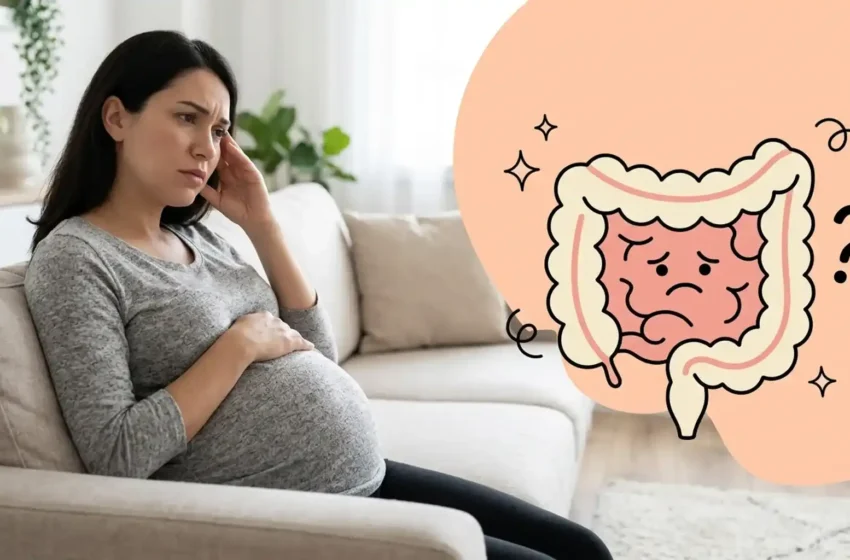
Constipation During Pregnancy: Safe Relief Tips You Should Know
Pregnancy is filled with exciting milestones, but it also brings unexpected physical changes. One of the most common—and often frustrating—changes is constipation during pregnancy. If you’ve ever found yourself wondering why going to the bathroom suddenly became difficult after becoming pregnant, you’re certainly not alone. Studies suggest that between 16% and 39% of pregnant women experience constipation at some point during pregnancy, making it one of the most frequent digestive complaints.
The good news is that pregnancy-related constipation is usually temporary and manageable. Understanding why it happens is the first step toward finding relief. Hormonal changes slow the digestive system, your growing uterus puts pressure on the intestines, and prenatal vitamins containing iron may make bowel movements even more difficult. While these changes are completely normal, they don’t mean you have to suffer through them.
This comprehensive guide explains what causes constipation, safe home remedies, foods that improve digestion, medical treatments considered safe during pregnancy, and warning signs that require immediate medical attention. Whether you’re in your first trimester or approaching your due date, these expert-backed tips can help you stay comfortable while protecting both your health and your baby’s well-being.
Why Does Constipation During Pregnancy Happen?
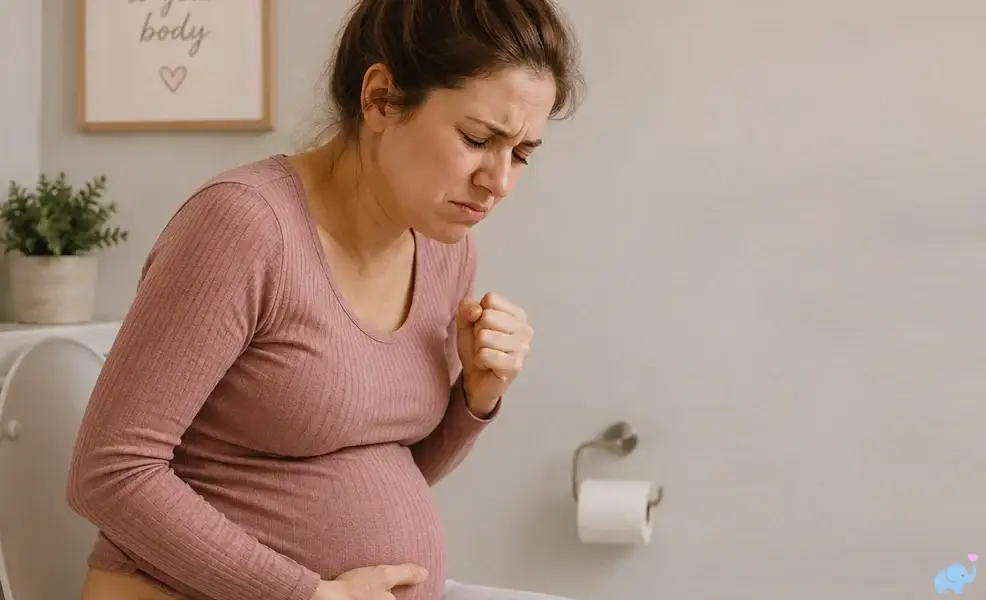
Several physical and hormonal changes work together to slow your digestive system. The primary reason is the dramatic increase in progesterone, a hormone that relaxes smooth muscles throughout the body. While this relaxation helps support a healthy pregnancy by preventing premature uterine contractions, it also slows intestinal contractions that normally move waste through the colon.
As pregnancy progresses, the uterus gradually expands and begins pressing against the intestines. This physical pressure slows stool movement even further, particularly during the third trimester. Reduced physical activity due to fatigue or pregnancy discomfort can also contribute to sluggish digestion.
Many women also ask, does iron cause constipation? The answer is yes. Iron supplements found in many prenatal vitamins can harden stools and make bowel movements less frequent. However, pregnant women should never stop taking prenatal vitamins without consulting their healthcare provider because iron plays a vital role in preventing anemia and supporting healthy fetal development.
Hydration is another important factor. Pregnancy increases the body’s fluid requirements, and if enough water isn’t consumed, the colon absorbs more water from stool, making it dry and difficult to pass.
Common Constipation Symptoms During Pregnancy
Recognizing constipation symptoms early allows you to make dietary and lifestyle adjustments before the problem becomes severe.
Typical symptoms include:
- Fewer than three bowel movements per week
- Hard, dry, or lumpy stools
- Straining during bowel movements
- Feeling that the bowel hasn’t completely emptied
- Abdominal bloating
- Excess gas
- Mild stomach discomfort
Occasionally, constipation may also lead to hemorrhoids because repeated straining increases pressure on rectal veins. Although uncomfortable, hemorrhoids usually improve after delivery with proper care and treatment.
It is important to remember that every woman’s bowel habits are different. Some women naturally have bowel movements daily, while others go every other day. The key concern is any noticeable change from your normal pattern combined with discomfort or difficulty passing stool.
How to Relieve Constipation During Pregnancy Naturally
If you’re wondering how to relieve constipation, you’ll be happy to know that most pregnant women can improve their symptoms with simple lifestyle changes. In fact, doctors usually recommend natural approaches before considering medications. These methods not only improve bowel movements but also support a healthier pregnancy overall.
The first step is increasing your daily fiber intake. Fiber works like a sponge, absorbing water and adding bulk to stool, making it easier to pass. However, increase fiber gradually. Suddenly eating large amounts of fiber without drinking enough water may actually make constipation worse. Aim for about 25–30 grams of fiber daily, spread across meals and snacks.
Hydration is equally important. Water helps soften stool and allows fiber to work properly. Most pregnant women benefit from drinking 8–12 cups of fluids each day, although your healthcare provider may recommend more depending on your individual needs. Warm drinks in the morning, such as warm lemon water or herbal tea approved during pregnancy, may also gently stimulate bowel movements.
Physical activity can also make a remarkable difference. Even a 20- to 30-minute walk most days of the week encourages your intestines to move naturally. Prenatal yoga, swimming, and gentle stretching are also excellent options if your healthcare provider approves.
Many women notice improvement after establishing a consistent bathroom routine. Try visiting the bathroom at the same time each day, especially after breakfast when the body’s natural digestive reflex is strongest. Never ignore the urge to have a bowel movement because delaying can make stools harder over time.
What Helps With Constipation During Pregnancy?
Many expecting mothers search online for what helps with constipation, hoping to find safe solutions that work quickly. While there isn’t a single magic remedy, combining several healthy habits often provides the best results.
Foods naturally rich in soluble and insoluble fiber should become part of your daily meals. Fresh fruits, vegetables, whole grains, legumes, seeds, and nuts all contribute to better digestion. Prunes remain one of the best-known natural remedies because they contain both fiber and sorbitol, a natural sugar alcohol that gently encourages bowel movements.
Probiotic-rich foods may also support digestive health by promoting beneficial gut bacteria. Yogurt with live cultures, kefir, and certain fermented foods can improve bowel regularity in some pregnant women. Although research continues, many healthcare professionals recommend including probiotic foods as part of a balanced pregnancy diet.
Stress management should not be overlooked either. Pregnancy can be emotionally overwhelming, and stress may slow digestion even further. Deep breathing exercises, adequate sleep, and relaxation techniques can positively affect both your mental well-being and digestive function.
Above all, avoid relying on over-the-counter laxatives without medical advice. Some products are considered safe during pregnancy, while others should only be used under professional supervision.
High-Fiber Foods Chart for Constipation
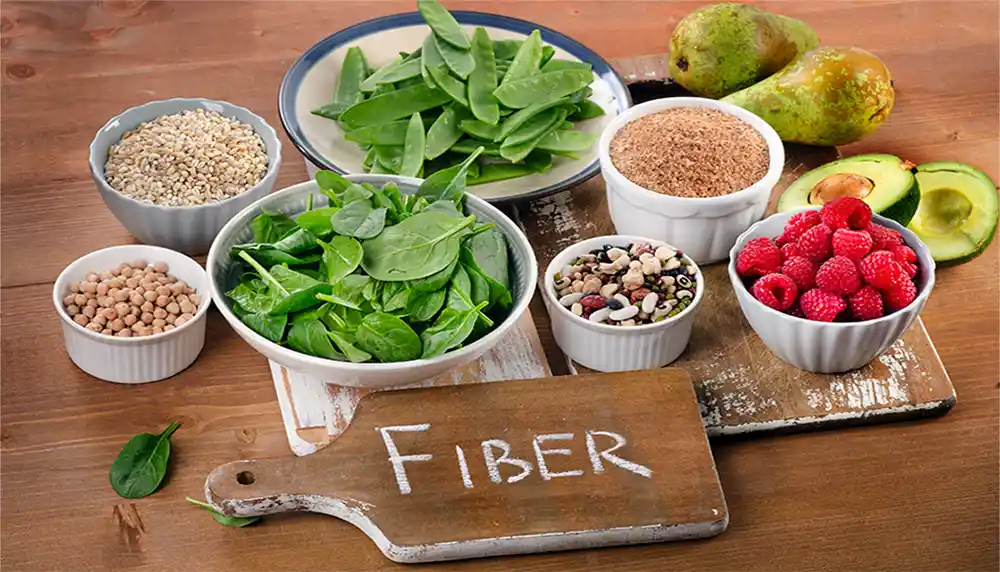
One of the simplest ways to improve digestion is by choosing foods naturally high in fiber. The following high-fiber foods chart for constipation can help you build meals that support healthy bowel movements.
| Food | Serving Size | Fiber (Approx.) |
| Raspberries | 1 cup | 8 g |
| Pear (with skin) | 1 medium | 6 g |
| Apple (with skin) | 1 medium | 4.5 g |
| Avocado | Half fruit | 7 g |
| Oatmeal | 1 cup cooked | 4 g |
| Lentils | 1 cup cooked | 15 g |
| Black beans | 1 cup cooked | 15 g |
| Broccoli | 1 cup cooked | 5 g |
| Sweet potato (with skin) | 1 medium | 4 g |
| Chia seeds | 2 tablespoons | 10 g |
Building meals around these foods makes constipation prevention much easier. For example, start your morning with oatmeal topped with berries, enjoy lentil soup for lunch, and include steamed vegetables with dinner. Small changes like these often produce noticeable improvements within a few days.
Safe Medical Treatments During Pregnancy
Although lifestyle changes solve most cases of constipation during pregnancy, some women may still require medication. Always consult your obstetrician or midwife before taking any treatment.
Doctors often recommend bulk-forming fiber supplements as the first option because they mimic natural dietary fiber. Stool softeners may also be prescribed when hard stools become painful. Osmotic laxatives are sometimes appropriate for short-term use if dietary measures have not worked.
Stimulant laxatives are generally reserved for specific situations because frequent use may cause abdominal cramping or dependency. Every pregnancy is different, so treatment should always be individualized.
Many people also ask about constipation relief for adults and whether those same products are appropriate during pregnancy. The answer is not always. Some products commonly used by non-pregnant adults may not be recommended for pregnant women. This is why professional medical guidance is essential before using any medication.
Can Certain Medications Cause Constipation?
Pregnancy itself is usually responsible for constipation, but some medications may contribute as well.
One frequently searched question is does iron cause constipation. Yes, iron supplements can slow bowel movements and produce harder stools. However, they are prescribed because they help prevent iron-deficiency anemia, which is important for both mother and baby. Instead of stopping your supplement, speak with your healthcare provider about changing the dosage or trying another formulation if constipation becomes severe.
Another common online question is do steroids cause constipation. Steroids are not considered a common direct cause of constipation. While some individuals taking corticosteroids report digestive changes, constipation is generally less common than stomach irritation or changes in appetite. If constipation develops after starting any medication, your healthcare provider can determine whether another factor is responsible.
Keeping an updated list of medications and supplements helps your healthcare team identify possible contributors to digestive problems.
When Should You Seek Medical Help for Constipation During Pregnancy?
Although constipation during pregnancy is usually harmless, there are times when medical evaluation is necessary. Mild constipation that improves with diet, hydration, and gentle exercise is common. However, severe or persistent symptoms should never be ignored because they may signal a more serious digestive issue or another underlying condition.
Contact your healthcare provider if constipation lasts longer than one week despite lifestyle changes, or if you experience severe abdominal pain, vomiting, fever, or significant bloating. Blood in the stool, unexplained weight loss, or painful hemorrhoids that continue to worsen also require medical attention. While small amounts of bright red blood may occur from hemorrhoids or anal fissures caused by hard stools, persistent bleeding should always be evaluated.
Seek emergency care immediately if constipation is accompanied by severe abdominal pain, inability to pass gas, or repeated vomiting, as these symptoms may indicate an intestinal blockage. Fortunately, these situations are rare during pregnancy.
Remember that your obstetrician or midwife expects questions about digestive health. Never feel embarrassed about discussing bowel habits—your healthcare team has heard these concerns many times before and can recommend safe, effective treatments tailored to your pregnancy.
How to Prevent Constipation During Pregnancy
Prevention is often easier than treatment. By adopting healthy habits early in pregnancy, many women can significantly reduce the risk of constipation before it becomes uncomfortable.
Here are the most effective prevention strategies:
- Eat fiber-rich foods every day. Include fruits, vegetables, beans, whole grains, nuts, and seeds in your meals.
- Drink enough water. Aim for at least 8–12 cups of fluids daily unless your healthcare provider recommends otherwise.
- Stay physically active. Walking, prenatal yoga, and swimming help stimulate natural bowel movements.
- Respond to the urge to go. Delaying bowel movements allows stools to become harder.
- Review your prenatal vitamins. If iron supplements worsen constipation, ask your healthcare provider whether another formulation may be appropriate.
- Maintain a consistent eating schedule. Regular meals encourage healthy digestive rhythms.
These simple habits support not only digestive health but also your overall pregnancy wellness.
Myths vs. Facts About Constipation During Pregnancy
Many myths circulate online, making it difficult to know what is actually true. Let’s separate fact from fiction.
| Myth | Fact |
| Constipation always harms the baby. | In most cases, constipation affects the mother, not the baby. |
| You should stop taking prenatal vitamins if they cause constipation. | Never stop supplements without medical advice. |
| Laxatives are always dangerous during pregnancy. | Some are considered safe when recommended by a healthcare provider. |
| Drinking coffee is the best solution. | Water and fiber are much safer and more effective choices. |
| Constipation is unavoidable. | Healthy lifestyle habits can greatly reduce the risk. |
Understanding these facts helps reduce unnecessary anxiety and encourages informed decisions throughout pregnancy.
Conclusion
Constipation during pregnancy is one of the most common digestive challenges expectant mothers face, but it doesn’t have to become a constant source of discomfort. Hormonal changes, reduced intestinal movement, growing pressure from the uterus, and iron supplements all contribute to slower digestion. Fortunately, simple daily habits—such as increasing fiber intake, drinking plenty of water, staying active, and maintaining a regular bathroom routine—can provide meaningful relief for most women.
Although natural remedies are often effective, persistent or severe constipation deserves medical attention. Never hesitate to discuss digestive concerns with your healthcare provider, especially if symptoms become painful or are accompanied by bleeding, vomiting, or severe abdominal pain. With the right combination of healthy habits and professional guidance, you can support a more comfortable pregnancy while protecting both your own health and your baby’s well-being.
Frequently Asked Questions
When to worry about constipation during pregnancy?
You should contact your healthcare provider if constipation lasts more than a week despite lifestyle changes, or if you develop severe abdominal pain, vomiting, fever, or rectal bleeding.
What is the best fiber for pregnancy?
Natural sources such as oats, lentils, apples, pears, berries, broccoli, chia seeds, and whole grains provide excellent fiber along with important vitamins and minerals.
How to avoid constipation during pregnancy?
Drink plenty of water, eat fiber-rich foods every day, stay physically active, avoid delaying bowel movements, and follow your healthcare provider’s recommendations regarding prenatal vitamins.
Why am I struggling to poop while pregnant?
Pregnancy hormones slow digestion, your growing uterus places pressure on the intestines, and iron supplements may make stools harder to pass.
Can constipation hurt a baby in pregnancy?
In most cases, constipation does not harm the baby. However, severe symptoms or prolonged constipation should be evaluated by your healthcare provider to ensure there are no underlying complications.
⭐ Make MindLiva Your Preferred Source on Google
Get trusted health, wellness, and lifestyle articles from MindLiva.
Add MindLiva
Samie Babaei is a medical science student at Shahid Beheshti University of Medical Sciences with a strong interest in health, wellness, and medical research. As a health writer and researcher at MindLiva, she focuses on creating clear, evidence-based content that helps readers better understand health and well-being.