



Constipation: Effective Natural Remedies That Really Work
Have you ever felt uncomfortable, bloated, or frustrated because you couldn’t have a normal bowel movement? If so, you’re certainly not alone. Constipation is one of the most common digestive problems, affecting people of all ages. Although it often seems like a minor issue, ongoing constipation can interfere with daily life, reduce energy levels, and affect overall well-being.
The good news is that, in many cases, simple changes in diet, hydration, exercise, and daily habits can make a significant difference. Moreover, understanding the real cause of constipation helps you choose the most effective solution instead of relying only on temporary fixes.
In this guide, you’ll learn what contributes to constipation, natural treatment options supported by experts, foods that promote healthy digestion, lifestyle strategies that work, and warning signs that should never be ignored.
Why Constipation Happens
Most healthcare professionals define constipation as having fewer than three bowel movements each week or experiencing stools that are hard, dry, or difficult to pass.
However, everyone’s digestive system works differently. Some healthy people naturally have bowel movements every day, while others may go every other day without any problem. What matters most is whether your normal pattern has changed.
Common Signs
Many people notice several symptoms at the same time, including:
- Hard or dry stools
- Difficulty passing stool
- Feeling that the bowel isn’t completely empty
- Abdominal discomfort
- Bloating
- Needing to strain frequently
These are among the most common constipation symptoms reported by adults during routine medical visits.
What Causes Constipation?
Many readers wonder what causes constipation, and the answer is rarely just one thing. Instead, several lifestyle, dietary, and medical factors often work together.
Low Fiber Intake
Fiber adds bulk to stool and helps it move through the digestive tract more efficiently. Unfortunately, many modern diets contain far less fiber than recommended.
People who frequently eat processed foods often consume very little:
- Fresh fruit
- Vegetables
- Whole grains
- Beans
- Lentils
Over time, this can slow digestion considerably.
Not Drinking Enough Water
Water keeps stool soft and easier to pass. Even mild dehydration may contribute to constipation, especially during hot weather or after illness.
A simple habit like drinking a glass of water after waking up may encourage healthy bowel movement in some individuals.
Lack of Physical Activity
Movement stimulates intestinal muscles.
For example, walking for 20–30 minutes each day has been shown to improve digestive health in many adults.
People who sit for long periods often report slower bowel function compared with active individuals.
Ignoring the Urge
Sometimes work schedules, travel, or busy routines cause people to delay using the bathroom.
Repeatedly ignoring the body’s signals may gradually make bowel movements more difficult.
Natural Ways to Improve Constipation
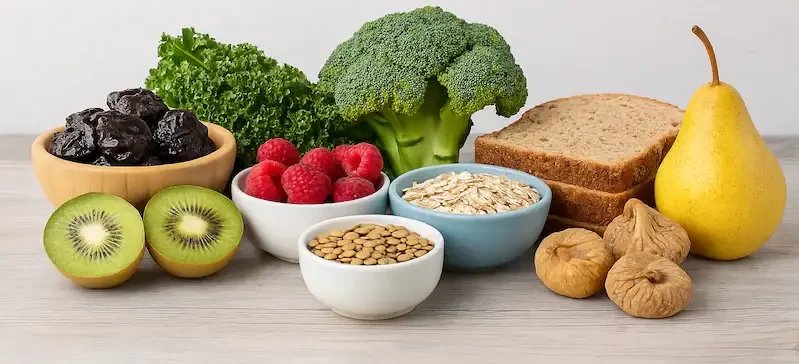
Fortunately, many people experience improvement without needing strong medications.
1. Increase Fiber Slowly
Experts generally recommend between 25 and 38 grams of fiber daily depending on age and sex.
Excellent choices include:
- Apples
- Pears
- Kiwi
- Oats
- Brown rice
- Lentils
- Chickpeas
- Black beans
- Broccoli
- Carrots
Increasing fiber too quickly may cause gas or bloating. Therefore, increase intake gradually while drinking enough water.
2. Stay Well Hydrated
Water works together with fiber.
Without enough fluids, extra fiber may actually make stools harder.
Many health experts recommend aiming for pale yellow urine as a practical sign of adequate hydration.
3. Exercise Regularly
Exercise benefits far more than heart health.
Walking, swimming, cycling, and light strength training all stimulate digestive movement.
Consistency matters much more than intensity.
4. Build a Bathroom Routine
Try visiting the bathroom at the same time each day, especially after breakfast.
Morning meals activate the body’s natural gastrocolic reflex, encouraging bowel movement.
Over time, this routine can help train your digestive system.
Best Foods That Help Fight Constipation
Food remains one of the most powerful natural tools for digestive health.
Some foods naturally contain both fiber and water, making them especially effective.
Fruits
- Prunes
- Kiwi
- Pears
- Apples
- Oranges
- Berries
Prunes deserve special attention because they contain both fiber and sorbitol, a natural sugar alcohol that helps soften stool.
Vegetables
Choose vegetables with high fiber content, including:
- Spinach
- Kale
- Broccoli
- Brussels sprouts
- Sweet potatoes
- Green peas
Colorful vegetables also provide antioxidants that support overall digestive wellness.
Whole Grains
Whole grains help maintain healthy bowel function.
Examples include:
- Oatmeal
- Quinoa
- Brown rice
- Whole wheat bread
- Barley
Replacing refined grains with whole grains often produces noticeable improvements after several weeks.
High-Fiber Foods Chart for Constipation
A simple high-fiber foods chart for constipation can help people choose meals that support digestive health every day.
| Food | Approximate Fiber |
| Pear | 6 g |
| Apple | 4 g |
| Oats (1 cup cooked) | 4 g |
| Lentils (1 cup) | 15 g |
| Black Beans (1 cup) | 15 g |
| Broccoli (1 cup) | 5 g |
| Chia Seeds (2 tbsp) | 10 g |
| Avocado | 10 g |
Including a variety of these foods throughout the week supports both digestive health and overall nutrition.
Natural Remedies for Constipation That May Help
Many people look for natural options before trying medication. While no single remedy works for everyone, several approaches have strong scientific support.
Eat More Probiotic Foods
Your gut contains trillions of helpful bacteria that play an important role in digestion. Foods rich in probiotics may help maintain a healthy balance of these bacteria.
Good options include:
- Yogurt with live cultures
- Kefir
- Sauerkraut
- Kimchi
- Miso
Pairing probiotic foods with high-fiber meals can support overall digestive health.
Add Healthy Fats
Healthy fats help food move more smoothly through the digestive system.
Consider adding:
- Olive oil
- Avocados
- Nuts
- Seeds
These foods also provide important vitamins and minerals that support general health.
Drink Warm Liquids
Some people find that a warm drink in the morning encourages bowel movement. Warm water, herbal tea, or coffee may stimulate the digestive tract for certain individuals. However, everyone’s body responds differently, so it’s helpful to observe what works best for you.
Lifestyle Habits That Support Long-Term Digestive Health
Healthy digestion depends on consistent daily habits rather than occasional treatments.
Here are a few simple practices that make a difference:
- Eat meals at regular times.
- Avoid skipping breakfast.
- Stay physically active most days of the week.
- Drink water throughout the day.
- Manage stress through relaxation techniques or hobbies.
- Get enough sleep each night.
These habits support regular bowel function and improve overall wellness.
Special Considerations
Constipation During Pregnancy
Constipation during pregnancy is common because hormonal changes slow the movement of food through the digestive tract. In addition, the growing uterus places pressure on the intestines, making bowel movements more difficult.
Pregnant individuals should focus on drinking enough water, eating fiber-rich foods, staying active as advised by their healthcare provider, and discussing any supplements or medications with a medical professional before using laxatives.
Can Certain Medicines Cause Constipation?

Yes. Several medications may slow bowel movements.
Does Iron Cause Constipation?
Many people ask, does iron cause constipation? The answer is yes—iron supplements can contribute to harder stools in some individuals. If this becomes a problem, a healthcare provider may recommend adjusting the dosage, switching formulations, or increasing dietary fiber and fluids.
Do Steroids Cause Constipation?
Another common question is, do steroids cause constipation? Steroids are not a frequent direct cause, but they may contribute indirectly through changes in activity, hydration, or by interacting with other medications. If constipation begins after starting any new medicine, speak with your healthcare provider.
What Helps With Constipation?
If you’re wondering what helps with constipation, the most effective approach is usually a combination of healthy habits rather than one single remedy.
The following strategies often provide the best results:
- Eat plenty of fruits and vegetables.
- Choose whole grains instead of refined grains.
- Drink enough water every day.
- Stay physically active.
- Respond promptly when you feel the urge to have a bowel movement.
- Limit highly processed foods.
Making these changes consistently often improves bowel regularity over time.
How to Relieve Constipation Safely
Many people search for how to relieve constipation quickly. While occasional over-the-counter laxatives may be appropriate, they should not become a long-term solution unless recommended by a healthcare professional.
Instead, try these safer first steps:
- Increase fiber gradually.
- Drink extra water.
- Walk for 20–30 minutes daily.
- Eat prunes or kiwi.
- Establish a regular bathroom routine.
These methods are gentle and support healthy digestion naturally.
Constipation Relief for Adults
Finding effective constipation relief for adults often depends on identifying the underlying cause.
For occasional constipation, lifestyle changes may be enough. However, chronic constipation sometimes requires medical evaluation to rule out conditions such as thyroid disorders, irritable bowel syndrome, or other digestive diseases.
If symptoms continue for several weeks despite healthy habits, schedule an appointment with a healthcare professional.
When Should You See a Doctor?
Although constipation is usually harmless, some symptoms require prompt medical attention.
Seek medical advice if you experience:
- Blood in the stool
- Severe abdominal pain
- Persistent vomiting
- Unexplained weight loss
- Fever
- Constipation lasting several weeks despite treatment
- Pencil-thin stools or sudden changes in bowel habits
Early evaluation can help identify underlying medical conditions before they become more serious.
Common Myths About Constipation
Myth 1: Everyone Should Have One Bowel Movement Every Day
Not true. Normal bowel frequency varies from person to person.
Myth 2: Coffee Always Fixes Constipation
Coffee may stimulate bowel movements for some people, but it is not a guaranteed solution.
Myth 3: Laxatives Are Safe to Use Every Day
Regular use without medical advice can lead to dependence or electrolyte imbalances. Always follow product instructions or your healthcare provider’s guidance.
Conclusion
Constipation is a common digestive concern, but it is often manageable with consistent, healthy lifestyle choices. Eating more fiber-rich foods, staying hydrated, exercising regularly, and developing good bathroom habits can significantly improve bowel health over time.
While occasional constipation is usually not serious, persistent or severe symptoms deserve medical attention. Listening to your body and making small, sustainable changes can lead to lasting improvements in digestive comfort and overall well-being.
Remember, better digestion is rarely achieved through one quick fix. Instead, it comes from everyday habits that support your health for years to come.
Frequently Asked Questions
How do I relieve constipation?
Start by increasing your fiber intake, drinking more water, staying physically active, and maintaining a regular bathroom routine. If symptoms continue, consult a healthcare professional.
What drinks are good for constipation?
Water is the best choice. Warm water, herbal teas, prune juice, and other fluids can also support healthy bowel movements in some people.
What are 5 symptoms of constipation?
Common symptoms include hard stools, fewer than three bowel movements per week, straining, bloating, and the feeling that the bowel has not emptied completely.
What foods trigger constipation?
Highly processed foods, excessive fast food, refined grains, and diets low in fruits, vegetables, and whole grains may contribute to constipation in some individuals.
What is the red flag for constipation?
Seek medical attention if constipation is accompanied by severe abdominal pain, blood in the stool, unexplained weight loss, persistent vomiting, fever, or a sudden change in bowel habits that does not improve.
⭐ Make MindLiva Your Preferred Source on Google
Get trusted health, wellness, and lifestyle articles from MindLiva.
Add MindLiva
Samie Babaei is a medical science student at Shahid Beheshti University of Medical Sciences with a strong interest in health, wellness, and medical research. As a health writer and researcher at MindLiva, she focuses on creating clear, evidence-based content that helps readers better understand health and well-being.