




Constipation Relief: Effective Home Tips That Really Work
Have you ever felt bloated, uncomfortable, or frustrated because your digestive system simply refused to cooperate? You’re certainly not alone. Millions of people experience digestive problems every year, making the search for effective constipation relief one of the most common health topics online. Fortunately, many cases can be improved with simple lifestyle adjustments, healthier eating habits, and proper hydration before medication is even considered.
This guide explains practical, science-backed strategies that can help support healthy digestion naturally. You’ll learn which foods work best, which habits can unintentionally slow digestion, and how small daily changes often produce long-term benefits. Whether you’re dealing with occasional discomfort or looking for preventive strategies, these recommendations can help you develop healthier digestive habits.
Why Constipation Is More Common Than You Think
Digestive health affects nearly every aspect of daily life. From your energy level to your mood, your digestive system plays a surprisingly important role in overall well-being. Many people assume bowel movements should occur every single day, but the truth is that healthy bowel habits vary from person to person. Some individuals naturally have bowel movements several times per day, while others may go every other day without experiencing discomfort.
The problem begins when bowel movements become difficult, painful, or infrequent enough to interfere with everyday life. This is where constipation may become a concern. Modern lifestyles contribute significantly to digestive issues. Long working hours, processed foods, insufficient water intake, chronic stress, and lack of physical activity all combine to slow normal intestinal movement.
Research from major digestive health organizations continues to show that increasing dietary fiber, drinking enough fluids, and staying physically active remain the first-line recommendations for improving bowel regularity. These simple habits not only support digestion but also contribute to heart health, weight management, and improved overall wellness.
Understanding Normal Bowel Habits
One of the biggest misconceptions is believing everyone should follow the same digestive schedule. In reality, normal bowel frequency varies widely. What’s more important is consistency and comfort rather than achieving a specific number each week.
Healthy bowel movements should generally be easy to pass without excessive straining. Stool should remain soft but formed, and the process shouldn’t cause pain. If you frequently experience hard stools, abdominal discomfort, or a feeling that your bowels haven’t completely emptied, your digestive system may be signaling that changes are needed.
Listening to your body’s natural urges also matters. Ignoring the urge to have a bowel movement repeatedly can eventually make stools harder and more difficult to pass. Developing a regular bathroom routine, particularly after breakfast when the digestive system is naturally more active, often helps improve consistency over time.
what Causes Digestive Slowdowns?
Many people ask what causes constipation, expecting one simple answer. In reality, digestion is influenced by numerous interconnected factors. Diet remains one of the largest contributors. Low fiber intake means there is less bulk in the stool, making it more difficult for the intestines to move waste efficiently. At the same time, inadequate water consumption allows stools to become dry and hard.
Physical inactivity also plays a major role. Regular movement stimulates intestinal muscles, encouraging food to travel through the digestive tract more effectively. This explains why even a brisk 20–30 minute walk each day can noticeably improve bowel regularity for many people.
Stress should not be overlooked either. The digestive system and brain communicate constantly through the gut-brain axis. High stress levels may alter digestive function, slow intestinal movement, and contribute to irregular bowel habits. Prioritizing sleep, relaxation, and stress management often benefits digestive health as much as dietary improvements.
Common Lifestyle Factors
Several everyday habits quietly affect digestive performance:
- Eating too few fruits and vegetables.
- Drinking insufficient water.
- Sitting for extended periods.
- Frequently delaying bathroom visits.
- Consuming excessive processed foods.
- Sudden dietary changes.
- Traveling across different time zones.
These factors may seem minor individually, but together they can significantly influence digestive health.
Medical Conditions and Medications
Sometimes digestive issues are linked to underlying medical conditions rather than lifestyle alone. Thyroid disorders, diabetes, neurological diseases, and digestive conditions can all contribute to slower bowel function. Certain medications may also have constipation as a side effect.
Many people ask, does iron cause constipation? Yes. Iron supplements can sometimes slow digestion and make stools harder. Healthcare providers often recommend increasing fluid intake, eating more fiber-rich foods, or adjusting supplementation if symptoms become bothersome.
Another frequent question is do steroids cause constipation? Steroids are not among the most common direct causes, but some people may experience digestive changes depending on the specific medication, dosage, underlying illness, and accompanying treatments. Anyone experiencing persistent digestive symptoms while taking prescription medication should consult a healthcare professional before making any changes.
Early Signs You Should Never Ignore
Digestive issues often develop gradually rather than appearing overnight. Recognizing constipation symptoms early allows people to make simple adjustments before discomfort becomes more severe. Common warning signs include fewer bowel movements than usual, hard or dry stools, excessive straining, bloating, abdominal fullness, and the feeling that the bowel has not emptied completely.
Ignoring these signs may increase discomfort over time. Small changes—such as drinking an extra glass of water with every meal, adding fresh fruit to breakfast, and taking a short walk after dinner—can often produce noticeable improvements within days. These practical habits are inexpensive, sustainable, and beneficial for overall health, making them an excellent first step for most adults.
Best Foods for Constipation Relief
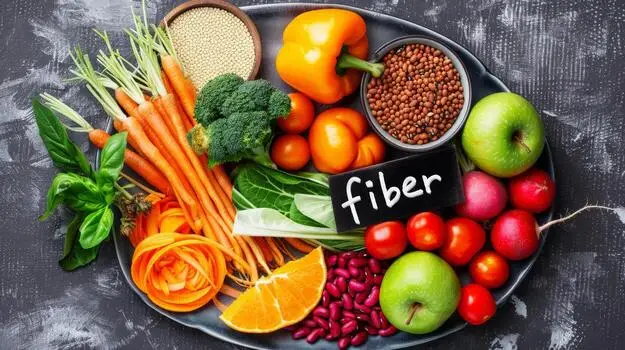
Food is often the first and most effective place to start when improving digestive health. What you eat directly affects the speed at which food moves through your digestive system, the amount of water your stool retains, and the balance of beneficial bacteria in your gut. Rather than relying on quick fixes, building a diet rich in fiber and fluids creates lasting improvements that support healthy bowel movements.
Experts generally recommend gradually increasing fiber instead of making sudden changes. Adding too much fiber too quickly can lead to bloating or gas, especially if you don’t increase your water intake at the same time. Aim for a variety of plant-based foods instead of depending on a single “superfood.” Different fruits, vegetables, whole grains, nuts, and seeds provide different types of fiber, each offering unique digestive benefits.
Fiber-Rich Fruits
Many fruits contain both soluble and insoluble fiber, making them excellent choices for digestive health. Some also contain natural sugars that gently encourage bowel movements.
Some of the best options include:
- Apples (with the skin)
- Pears
- Kiwi
- Oranges
- Berries
- Figs
- Prunes
- Papaya
Prunes deserve special attention because they naturally contain sorbitol, a sugar alcohol that draws water into the intestines and helps soften stool. Eating a few prunes daily or drinking prune juice may help many people improve bowel regularity naturally.
Vegetables That Promote Regularity
Vegetables add bulk, moisture, vitamins, and minerals to your meals while supporting healthy digestion. Leafy greens also provide magnesium, which helps intestinal muscles function properly.
Excellent vegetables include:
- Broccoli
- Spinach
- Kale
- Brussels sprouts
- Sweet potatoes
- Carrots
- Green beans
- Pumpkin
Roasting or lightly steaming vegetables often makes them easier to digest while preserving most of their nutrients.
Whole Grains and Legumes
Replacing refined carbohydrates with whole grains can dramatically increase daily fiber intake.
Good choices include:
| Food | Approximate Fiber (per serving) |
| Oatmeal | 4 g |
| Brown rice | 3.5 g |
| Whole wheat bread | 2–3 g |
| Lentils | 15 g |
| Black beans | 15 g |
| Chickpeas | 12 g |
If you’re searching for a high-fiber foods chart for constipation, this table offers an excellent starting point for planning balanced meals that naturally support digestive health.
Drinks That Support Healthy Digestion

Hydration is every bit as important as fiber. Fiber absorbs water, so without adequate fluids it can actually make stools harder instead of softer. Many adults underestimate how much water they drink during the day, especially when busy at work.
Plain water remains the best choice for most people. Herbal teas, clear soups, and water-rich fruits also contribute to daily fluid intake. Warm beverages in the morning may stimulate the digestive tract and encourage a bowel movement shortly after waking.
Coffee affects people differently. For some individuals, it stimulates bowel activity, while others experience little effect. Moderation is key because excessive caffeine may contribute to dehydration if water intake is inadequate.
Lifestyle Habits That Improve Constipation Relief
Healthy digestion depends on much more than food alone. Daily habits influence how efficiently the intestines move waste through the body. Fortunately, many of these habits are easy to adopt and cost nothing.
Regular physical activity is one of the simplest ways to support digestion. Walking, swimming, cycling, and yoga all encourage intestinal movement. Even 20 to 30 minutes of moderate exercise most days can make a noticeable difference.
Equally important is establishing a bathroom routine. Try not to ignore the urge to have a bowel movement. Delaying it repeatedly allows more water to be absorbed from the stool, making it harder to pass later. Many healthcare professionals recommend sitting on the toilet for a few minutes after breakfast, when the body’s natural digestive reflex is strongest.
Healthy Bathroom Habits
Small adjustments in posture can also help.
Consider these tips:
- Relax and avoid rushing.
- Keep your feet slightly elevated on a small stool if possible.
- Avoid excessive straining.
- Give yourself enough time each morning.
- Stay consistent with your routine.
These simple habits encourage a more natural position that may make bowel movements easier.
Natural Home Remedies That May Help
People often search for what helps with constipation because they prefer natural solutions before using medications. Fortunately, several evidence-based home remedies can provide gentle support.
Helpful natural options include:
- Drinking enough water throughout the day.
- Eating kiwi or prunes regularly.
- Adding flaxseed or chia seeds to yogurt or oatmeal.
- Increasing daily walking.
- Drinking warm lemon water in the morning if it encourages hydration.
- Consuming probiotic-rich foods such as yogurt or kefir.
Some individuals also benefit from magnesium-rich foods like spinach, almonds, and pumpkin seeds. However, magnesium supplements should only be taken under medical advice, particularly if kidney disease is present.
From personal observation, one of the biggest improvements often comes from consistency rather than dramatic changes. A daily routine of hydration, fiber, and movement usually delivers better long-term results than relying on occasional remedies.
Special Considerations During Pregnancy
Digestive changes are especially common during constipation during pregnancy. Hormonal changes naturally slow the movement of food through the intestines, allowing the body to absorb more nutrients for the growing baby. At the same time, the expanding uterus places additional pressure on the digestive tract.
Iron supplements, commonly prescribed during pregnancy, may further contribute to digestive discomfort. Fortunately, many pregnant women find relief by increasing water intake, eating fiber-rich foods, remaining physically active as recommended by their healthcare provider, and responding promptly to the urge to have a bowel movement.
Because pregnancy requires special medical consideration, laxatives and supplements should only be used after discussing them with an obstetrician or healthcare provider.
Constipation Relief for Adults
When lifestyle changes alone aren’t enough, healthcare providers may recommend over-the-counter treatments. These include bulk-forming fiber supplements, stool softeners, osmotic laxatives, or stimulant laxatives. Each works differently and should be used according to package instructions or medical advice.
For most people seeking constipation relief for adults, experts recommend beginning with dietary improvements and hydration before turning to medication. Laxatives can be helpful for short-term relief, but frequent or prolonged use without medical supervision may mask an underlying condition.
Learning how to relieve constipation naturally remains the safest long-term strategy for maintaining digestive health and preventing future episodes
When Should You See a Doctor?

Although occasional digestive discomfort is common and often improves with healthy lifestyle changes, persistent symptoms should never be ignored. If constipation lasts for several weeks despite increasing fiber, drinking enough water, and staying physically active, it’s time to consult a healthcare professional. Early evaluation can identify underlying causes and prevent complications.
Seek immediate medical attention if constipation is accompanied by severe abdominal pain, vomiting, unexplained weight loss, blood in the stool, persistent fever, or an inability to pass gas. These symptoms may indicate a more serious medical condition that requires prompt treatment.
Adults over the age of 50 who experience a sudden and unexplained change in bowel habits should also speak with their healthcare provider. While most digestive problems are not serious, a proper evaluation provides reassurance and helps rule out conditions that require medical care.
Small Daily Habits That Keep Your Digestive System Healthy
Healthy digestion isn’t about following strict diets or relying on miracle remedies. Instead, it’s built on simple habits repeated consistently. Many people notice significant improvements after making only a few practical lifestyle changes.
Here are some habits worth adopting:
- Drink plenty of water throughout the day.
- Eat vegetables and fruit with every meal.
- Choose whole grains over refined grains.
- Exercise for at least 30 minutes most days.
- Don’t ignore the urge to use the bathroom.
- Limit highly processed foods.
- Manage stress through relaxation, walking, or mindfulness.
- Get adequate sleep every night.
These habits not only improve digestive health but also support heart health, blood sugar control, and overall well-being.
Conclusion
Healthy digestion is one of the foundations of overall wellness, yet it’s often overlooked until discomfort appears. The encouraging news is that most cases of occasional constipation respond well to practical lifestyle improvements. Eating more fiber-rich foods, drinking enough water, exercising regularly, and maintaining consistent bathroom habits can dramatically improve digestive function without relying heavily on medication.
Rather than searching for a single miracle cure, think of digestive health as a long-term investment. Every healthy meal, every glass of water, and every daily walk contributes to a stronger digestive system. Small improvements made consistently often produce the greatest results over time.
If symptoms become persistent, severe, or are accompanied by concerning warning signs, don’t hesitate to seek professional medical advice. Early evaluation helps ensure that any underlying condition is identified and treated appropriately.
Frequently Asked Questions
How to relieve constipation quickly?
Start by drinking plenty of water, eating fiber-rich foods such as prunes or kiwi, and taking a short walk. If symptoms persist, consult a healthcare provider before using laxatives.
How do you unblock constipation quickly?
Increasing fluids, gentle physical activity, and consuming natural sources of fiber may help stimulate bowel movements. Severe or prolonged constipation requires medical evaluation.
How to relieve constipation in 30 minutes?
There is no guaranteed method that works for everyone within 30 minutes. Drinking warm fluids, walking, and responding promptly to the urge to have a bowel movement may help some individuals.
What simple trick empties your bowels immediately?
There isn’t a scientifically proven trick that works instantly for everyone. Consistent hydration, dietary fiber, and healthy bathroom posture are safer and more effective long-term strategies.
What is the 7 second poop trick?
The “7 second poop trick” is a popular social media claim rather than an evidence-based medical technique. While proper toilet posture and relaxed breathing may make bowel movements easier, no scientific research supports a seven-second method for relieving constipation.
⭐ Make MindLiva Your Preferred Source on Google
Get trusted health, wellness, and lifestyle articles from MindLiva.
Add MindLiva
Samie Babaei is a medical science student at Shahid Beheshti University of Medical Sciences with a strong interest in health, wellness, and medical research. As a health writer and researcher at MindLiva, she focuses on creating clear, evidence-based content that helps readers better understand health and well-being.