




Do Steroids Cause Constipation? Natural Remedies That Help
Have you started taking steroids and noticed your digestion feels different? You may be wondering, do steroids cause constipation, especially if your bowel habits changed after beginning a new medication.
Steroids are commonly prescribed for inflammation, allergies, autoimmune conditions, and other health concerns. While they can be helpful treatments, some people experience digestive side effects that may affect comfort and daily routines.
In this article, you will learn how steroids may influence digestion, what factors increase the chance of bowel changes, how diet and lifestyle can support digestive health, and when it is important to contact a healthcare professional.
Do Steroids Cause Constipation? Understanding the Connection
The question do steroids cause constipation does not have a simple yes-or-no answer.
Steroids are not considered one of the most common direct causes of constipation. However, some people may experience changes in bowel habits while using steroid medications because of several related factors.
For example, steroids may affect the body in ways that indirectly influence digestion. Changes in appetite, fluid balance, activity levels, stress, and other medications taken alongside steroids can all play a role.
Moreover, every person responds differently. One individual may notice digestive changes, while another may have no issues at all.
How Steroids May Affect Your Digestive System
Steroid medications work by reducing inflammation and changing immune system activity. These effects can be helpful for many conditions, but they may also influence other body processes.
Possible reasons someone taking steroids may experience constipation include:
1. Changes in Fluid Balance
Some steroids can affect how the body handles salt and water.
When fluid balance changes, stool may become harder in some individuals, making bowel movements less comfortable.
2. Changes in Eating Habits
Steroids can sometimes increase appetite.
A person may start eating more calorie-dense foods while consuming fewer fiber-rich options like fruits, vegetables, and whole grains.
A diet lower in fiber may contribute to digestive problems.
3. Reduced Physical Activity
People prescribed steroids may be managing health conditions that already limit movement.
Less physical activity can slow normal digestive movement.
Simple activities like walking can support healthy bowel function when medically appropriate.
Common Digestive Changes People Notice While Taking Steroids

Digestive experiences vary widely.
Some people report:
- Changes in appetite
- Bloating
- Stomach discomfort
- Changes in bowel frequency
- Feeling less comfortable after meals
These changes do not always mean steroids are the only cause.
Healthcare professionals usually consider the complete picture, including:
- The specific steroid medication
- Dosage
- Length of treatment
- Other medicines
- Diet and lifestyle habits
Understanding Constipation Symptoms
Recognizing changes early can help you make better decisions.
Common constipation symptoms may include:
- Hard or dry stools
- Difficulty passing stool
- Straining during bowel movements
- Feeling that your bowel has not fully emptied
- Abdominal discomfort
- Fewer bowel movements than normal
Occasional digestive changes are common, but ongoing symptoms should be discussed with a healthcare provider.
What Causes Constipation While Taking Steroids?
People often ask what causes constipation during medication use, but several factors may be involved.
Possible contributors include:
Low Fiber Intake
Fiber helps add bulk to stool and supports regular movement through the digestive tract.
Foods such as beans, vegetables, fruits, and whole grains are important sources.
Not Drinking Enough Water
Fluids help keep stool softer.
If someone increases fiber but does not drink enough water, they may not experience the expected benefits.
Other Medications
People taking steroids may also use other medicines that influence digestion.
For example, some pain medicines, supplements, or certain treatments may contribute to constipation.
Stress and Health Conditions
The condition requiring steroid treatment may itself affect digestion.
Stress, reduced mobility, and illness can all influence bowel habits.
Do Steroids Cause Constipation More Than Other Medications?
When people search for medication-related digestive problems, they often compare different drugs.
A common question is does iron cause constipation.
Iron supplements are well known to cause constipation in some people, especially certain forms used for treating iron deficiency.
Compared with iron supplements, steroids are less commonly associated with constipation as a direct side effect.
However, individual reactions vary.
Diet Changes That May Support Better Digestion
Food choices can make a major difference in digestive comfort.
A balanced eating pattern should include:
- Fruits
- Vegetables
- Whole grains
- Legumes
- Nuts and seeds
A practical high-fiber foods chart for constipation can help people identify foods that provide more dietary fiber.
Examples include:
| Food | Digestive Benefit |
| Oats | Provides soluble fiber |
| Lentils | Adds fiber and plant protein |
| Apples | Contains fiber and water |
| Chia seeds | High in fiber |
| Broccoli | Supports a fiber-rich diet |
However, increase fiber slowly to avoid temporary bloating.
Natural Lifestyle Habits That May Help

Many people want to know what helps with constipation when dealing with medication-related digestive changes.
Helpful habits include:
Stay Hydrated
Drink enough fluids throughout the day.
Water supports the body’s normal digestive processes.
Move Regularly
Walking and gentle exercise may encourage normal bowel activity.
Even short periods of movement can be beneficial.
Create a Bathroom Routine
Avoid ignoring the urge to use the bathroom.
Giving yourself enough time can support healthier habits.
Choose Fiber-Rich Meals
Instead of focusing on one food, build balanced meals.
For example:
Breakfast:
- Oatmeal with berries
Lunch:
- Vegetable soup with beans
Dinner:
- Whole grains with vegetables and lean protein
Can Steroid-Related Constipation Be Prevented?
Prevention usually involves addressing multiple areas.
Helpful steps include:
- Eat enough fiber.
- Drink sufficient water.
- Stay active when possible.
- Monitor changes after starting medication.
- Discuss side effects with your healthcare provider.
Do not stop prescribed steroids suddenly unless your doctor instructs you to do so.
How to Relieve Constipation While Taking Steroids
Many people want to know how to relieve constipation when digestive changes appear after starting steroid treatment.
The best approach usually combines healthy habits, careful monitoring, and communication with your healthcare provider.
Simple strategies may include:
- Increasing fiber gradually
- Drinking enough water
- Staying physically active
- Eating regular meals
- Avoiding excessive processed foods
These steps support normal digestion and may reduce discomfort.
However, if symptoms become severe or continue for a long time, medical advice is important.
Constipation Relief Strategies That Support Gut Health
Finding effective constipation relief often requires looking at daily habits rather than relying on one solution.
The digestive system responds to consistency.
Add More Fiber-Rich Foods
Fiber helps create softer, easier-to-pass stools.
Good options include:
- Oatmeal
- Pears
- Berries
- Beans
- Lentils
- Vegetables
- Whole grains
A balanced diet provides both soluble and insoluble fiber, which work together to support digestion.
Drink Fluids Regularly
Hydration is especially important when increasing fiber.
Try these habits:
- Drink water throughout the day.
- Include water-rich fruits and vegetables.
- Avoid relying only on caffeinated drinks for hydration.
Good hydration supports the natural movement of waste through the digestive system.
Stay Active When Possible
Movement can help stimulate normal intestinal activity.
Depending on your health condition, consider:
- Walking
- Gentle stretching
- Light exercise
- Regular daily movement
Even small amounts of activity may support digestive comfort.
Constipation Relief for Adults Using Long-Term Habits
For constipation relief for adults, long-term strategies are usually more helpful than quick fixes.
A sustainable routine may include:
- Eating fiber at every meal.
- Drinking enough fluids.
- Exercising regularly.
- Maintaining a consistent bathroom schedule.
- Tracking symptoms and possible triggers.
For example, replacing a low-fiber breakfast with oatmeal, fruit, and seeds may improve daily fiber intake without requiring major diet changes.
Can Stool Softeners or Laxatives Be Used With Steroids?
Some people taking steroids may wonder whether additional digestive treatments are safe.
The answer depends on your health situation, medications, and the reason you are taking steroids.
A healthcare professional can help determine whether options such as:
- Fiber supplements
- Stool softeners
- Osmotic laxatives
are appropriate.
Avoid starting frequent laxative use without medical guidance, especially if symptoms are new or unexplained.
Constipation During Pregnancy and Medication Considerations
Digestive changes can be more noticeable during pregnancy.
Constipation during pregnancy may happen because hormonal changes slow digestion and physical changes affect bowel movement patterns.
If steroid medication is also involved, it is especially important to discuss symptoms with a healthcare provider.
Helpful habits may include:
- Eating fiber-rich foods
- Drinking enough water
- Staying active if approved by a doctor
- Following medical advice carefully
Pregnancy-related medication decisions should always be personalized.
When Steroid-Related Digestive Problems Need Medical Attention
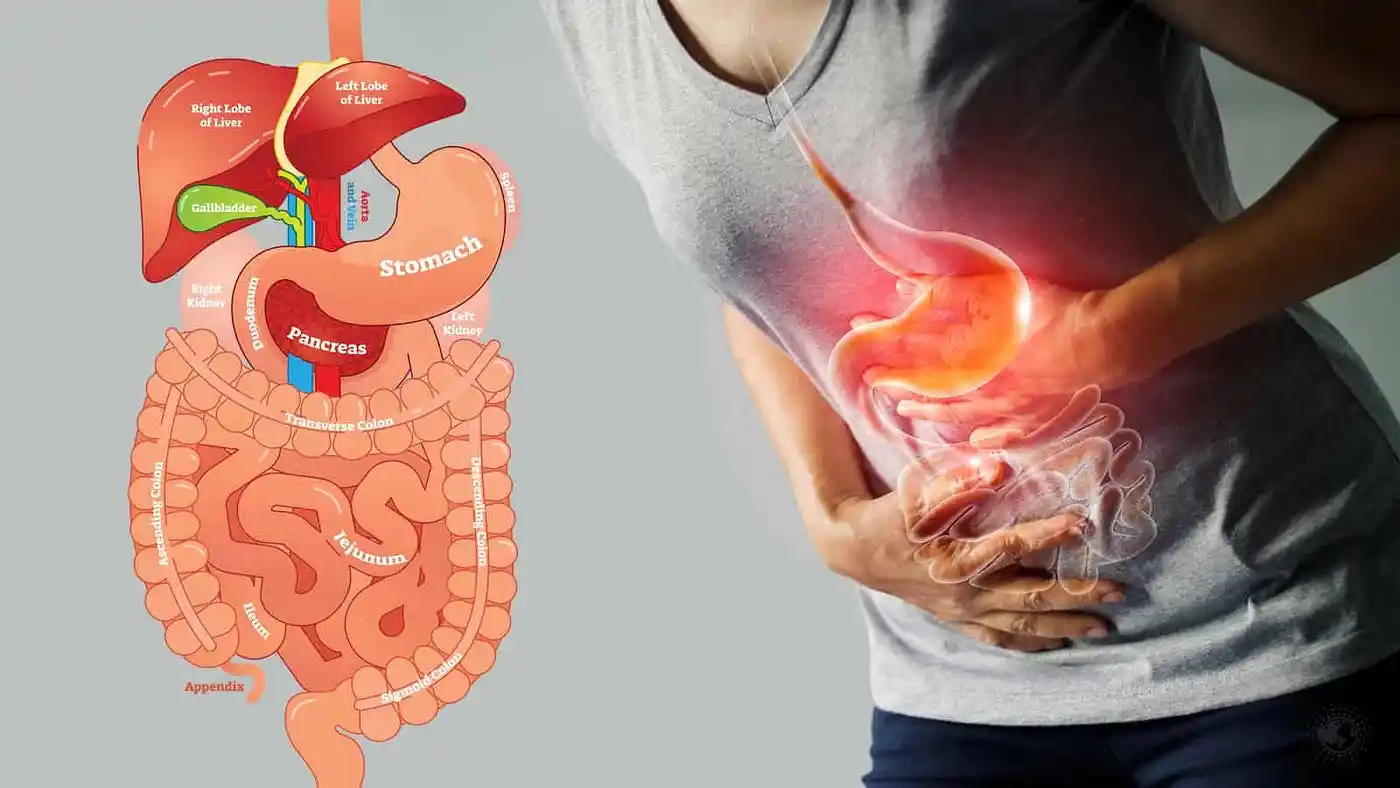
Not every change requires urgent care, but some symptoms should not be ignored.
Contact a healthcare professional if you experience:
- Severe abdominal pain
- Vomiting
- Blood in stool
- Sudden changes in bowel habits
- Unexplained weight loss
- Inability to pass gas or stool
These symptoms may indicate a condition that requires evaluation.
Common Mistakes to Avoid While Managing Constipation
Even healthy strategies can become less effective when used incorrectly.
Avoid these mistakes:
Increasing Fiber Too Quickly
A sudden increase may cause:
- Gas
- Bloating
- Abdominal discomfort
Increase fiber slowly and drink enough water.
Ignoring Medication Side Effects
If symptoms begin after starting a new medication, make a note of the timing.
This information can help your healthcare provider understand possible connections.
Stopping Steroids Without Medical Advice
Steroids often need careful dose adjustments.
Stopping suddenly may create health risks depending on the medication and treatment length.
Always follow your prescribed plan.
Simple Daily Routine for Better Digestion
A practical routine can make healthy choices easier.
Morning
- Drink water after waking.
- Eat a fiber-rich breakfast.
- Take medication exactly as prescribed.
Afternoon
- Include vegetables and whole grains.
- Move around regularly.
Evening
- Eat a balanced dinner.
- Avoid large amounts of low-fiber processed foods.
Small habits repeated consistently often create better results.
Conclusion
So, do steroids cause constipation? Steroids are not usually considered a major direct cause of constipation, but they may contribute to digestive changes in some people through factors such as appetite changes, reduced activity, fluid balance, or other medications.
The most effective approach includes a balanced diet, enough hydration, regular movement, and communication with a healthcare professional when symptoms appear.
If you are experiencing digestive discomfort while taking steroids, pay attention to your body’s signals and avoid making medication changes without medical guidance.
In short, understanding the connection between medications and digestion can help you make safer choices and support better long-term health.
Frequently Asked Questions
What are 5 common side effects of steroids?
Common steroid side effects may include increased appetite, mood changes, sleep problems, fluid retention, and changes in blood sugar. Effects vary depending on the medication and dose.
What helps constipation from prednisone?
Helpful steps may include increasing fiber slowly, drinking enough water, staying active, and discussing safe options with a healthcare provider if symptoms continue.
Can you take a stool softener with a steroid?
Some people may be able to use stool softeners while taking steroids, but it is best to confirm with a healthcare professional first.
Which medication is most likely to cause constipation?
Some pain medicines, certain supplements, and specific medications are more commonly linked with constipation than steroids. Individual reactions can vary.
What simple trick empties your bowels?
There is no guaranteed instant method, but drinking water, eating fiber-rich foods, moving your body, and maintaining a regular bathroom routine may support bowel movement.
⭐ Make MindLiva Your Preferred Source on Google
Get trusted health, wellness, and lifestyle articles from MindLiva.
Add MindLiva
Samie Babaei is a medical science student at Shahid Beheshti University of Medical Sciences with a strong interest in health, wellness, and medical research. As a health writer and researcher at MindLiva, she focuses on creating clear, evidence-based content that helps readers better understand health and well-being.