



Top Remedies for Constipation Pain You Can Try Today
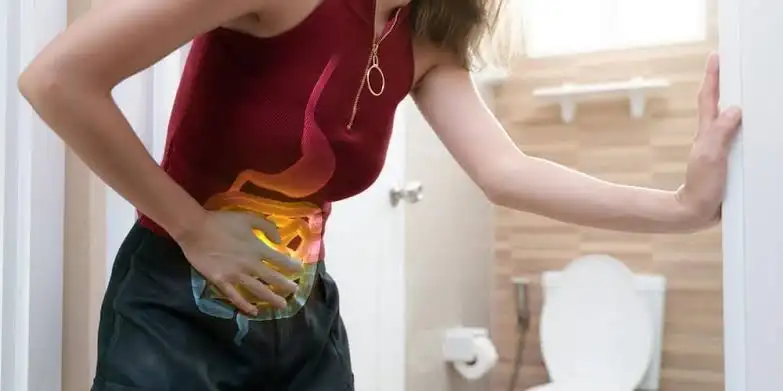
Does your stomach feel tight, heavy, or painfully full even though you need to use the bathroom? Constipation pain can range from mild pressure to strong abdominal cramps, and the discomfort may interfere with eating, sleeping, working, or exercising.
The pain often develops when dry stool moves slowly through the colon or becomes difficult to pass. Gas, bloating, straining, and pressure near the rectum can make the experience feel even worse.
Fortunately, mild cases often improve with gradual fiber changes, suitable fluid intake, movement, better toilet posture, or short-term treatment. However, severe or constant pain may signal a blockage or another medical problem. This guide explains practical remedies, common causes, medication triggers, prevention tips, and the warning signs you should never ignore.
Medical note: Seek urgent care for severe or worsening abdominal pain, repeated vomiting, fever, heavy bleeding, a swollen abdomen, or an inability to pass gas.
What Does Constipation Pain Feel Like?
The discomfort does not feel the same for everyone. Some people notice a dull ache across the lower abdomen, while others experience waves of cramping.
You may also feel pressure in the rectum, fullness after small meals, or tenderness that improves after passing stool or gas.
Common constipation symptoms include:
- Hard, dry, or pellet-like stool
- Fewer than three bowel movements per week
- Straining during a bowel movement
- A feeling that stool remains inside
- Lower abdominal cramping
- Bloating or excess gas
- Pressure near the rectum
- Pain when passing a large stool
About 16 in every 100 adults experience this digestive problem, and the rate rises to roughly 33 in 100 among adults aged 60 or older. However, bowel schedules differ, so a change from your normal pattern can matter more than a specific number.
Where Is the Pain Usually Located?
Discomfort may appear in the lower left abdomen because part of the colon runs through that area. However, gas and stool can create pressure across the entire abdomen.
Pain near the anus may result from a hard stool, hemorrhoids, or a small tear called an anal fissure. Sharp, localized pain should not automatically be blamed on slow bowel movement.
What Causes Constipation Pain?
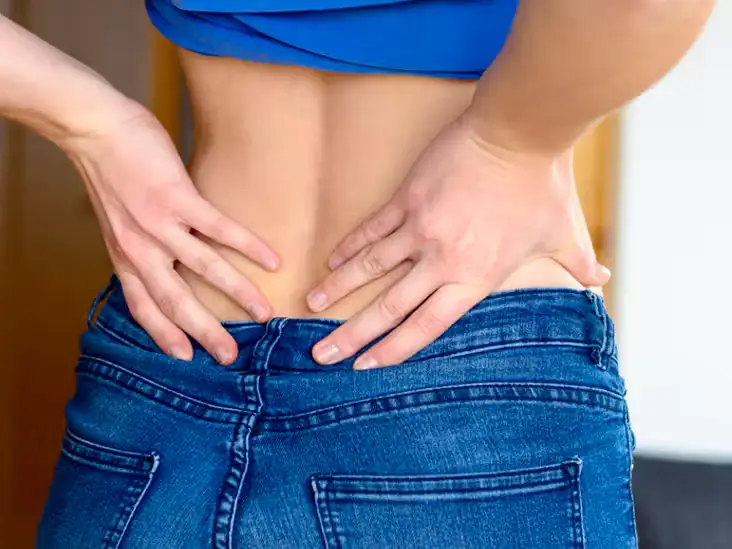
Pain usually develops because stool remains in the colon longer than usual. The colon continues to absorb water, leaving the stool harder and more difficult to move.
Straining then increases pressure in the abdomen and around the rectum. Moreover, trapped gas may stretch the bowel and create cramping or bloating.
People searching what causes constipation should consider several possible triggers:
- Low fiber intake
- Inadequate fluid
- Long periods of sitting
- Travel or schedule changes
- Ignoring the urge to go
- Stress or poor sleep
- Pregnancy
- Iron supplements
- Opioid painkillers
- Some antidepressants
- Diabetes or low thyroid function
- Irritable bowel syndrome
- Pelvic-floor problems
The cause is often a combination rather than one isolated issue. For example, a road trip may involve less water, fast food, limited movement, and repeated delays in using the bathroom.
Remedies for Constipation Pain You Can Try Today
Home remedies are most suitable when the discomfort is mild, you can still pass gas, and you do not have vomiting, fever, bleeding, or significant abdominal swelling.
Introduce changes gradually. Using several remedies at once may cause diarrhea, cramps, or dehydration.
1. Drink Suitable Amounts of Fluid
Fluid helps stool remain softer, especially when you are increasing dietary fiber.
Water is a practical first choice. Soup, milk, and other drinks may also contribute to total fluid intake, although sugary drinks should not become the main source.
There is no single amount that suits every person. Your needs depend on body size, activity, climate, pregnancy, and medical conditions.
People with heart or kidney disease may have fluid restrictions. In that situation, follow the plan provided by your healthcare professional rather than simply drinking as much as possible.
2. Add Fiber Slowly
Fiber adds bulk and helps stool hold water. Adults generally need about 22 to 34 grams each day, depending on age and sex.
However, increasing fiber too quickly can worsen gas and abdominal pressure. Add one new source every few days and monitor your comfort.
Good options include:
- Oatmeal
- Lentils
- Chickpeas
- Pears
- Berries
- Broccoli
- Whole-grain bread
- Chia seeds
- Prunes
Fiber may not be suitable as an immediate remedy when the abdomen is severely swollen or you cannot pass gas. Those symptoms require medical assessment.
3. Take a Gentle Walk
Physical activity may support normal bowel movement and reduce long periods of sitting. Even a 10- to 20-minute walk can be a practical starting point.
Try walking after breakfast or dinner. Keep the pace comfortable, especially when your abdomen feels tender.
The goal is not an intense workout. Regular gentle movement is often easier to maintain and less likely to worsen cramping.
4. Use a Warm Compress
A warm heating pad or wrapped hot-water bottle may relax tense abdominal muscles and reduce mild cramping.
Apply gentle warmth for approximately 15 to 20 minutes. The temperature should feel comfortable, not hot enough to burn the skin.
A warm compress may improve comfort, but it does not remove a blockage or treat an underlying disease. Stop using it if the pain becomes stronger.
5. Try a Calm Bathroom Routine
Eating naturally encourages the colon to move. Therefore, sitting on the toilet 15 to 45 minutes after breakfast may help establish a more regular pattern.
Give yourself several quiet minutes without rushing. However, do not sit and strain for a long time.
Use the bathroom when the urge appears. Repeatedly delaying a bowel movement gives the colon more time to remove water from the stool.
6. Improve Your Toilet Position
Place your feet on a small stool so your knees are slightly higher than your hips.
Lean forward, rest your elbows on your thighs, and keep your abdomen relaxed. Breathe out gently instead of holding your breath and pushing with maximum force.
This position may make the path through the rectum more direct and reduce unnecessary straining.
7. Consider Prunes or Prune Juice
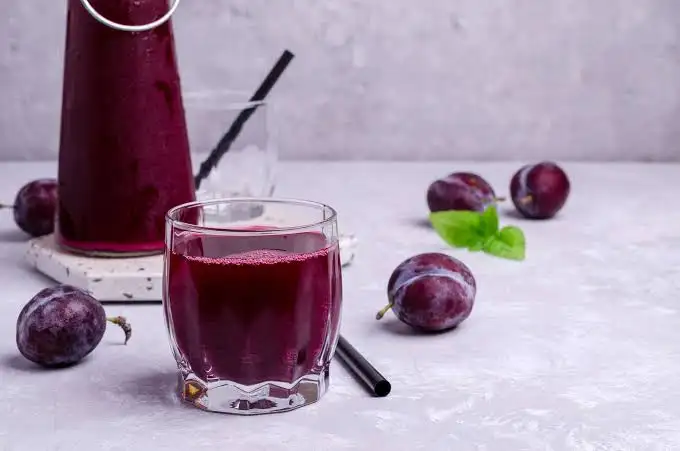
Prunes contain fiber and sorbitol, a natural sugar alcohol that can draw water into the bowel.
Begin with a modest serving. Eating a large amount may cause gas, urgency, cramps, or diarrhea.
Whole prunes generally contain more fiber than juice. However, juice may be easier for some people to tolerate.
8. Ask About a Short-Term Laxative
When food, fluid, movement, and routine changes are not enough, a pharmacist may recommend a suitable over-the-counter product.
Common categories include:
- Bulk-forming fiber products
- Osmotic laxatives
- Stool softeners
- Stimulant laxatives
- Suppositories
These products work differently. Osmotic options bring water into the bowel, while stimulants encourage intestinal contractions.
Stimulant products are usually better suited to short-term rescue than repeated self-treatment. Do not combine several laxatives unless a clinician or pharmacist recommends a clear plan.
A High-Fiber Foods Chart for Constipation
| Food | Easy serving idea | Why it may help |
| Oats | Cooked oatmeal for breakfast | Provides soluble fiber |
| Lentils | Add to soup or salad | Fiber and plant protein |
| Pears | Eat with the skin | Fiber and natural moisture |
| Raspberries | Mix into yogurt | High-fiber fruit |
| Chickpeas | Blend into hummus | Easy legume option |
| Broccoli | Steam or roast | Adds fiber and volume |
| Whole-grain bread | Replace white bread | Simple daily swap |
| Chia seeds | Mix gradually into oats | Forms a moisture-holding gel |
| Prunes | Eat a small serving | Contains fiber and sorbitol |
A varied diet is usually better than relying on one “miracle” food. Moreover, eating several smaller fiber sources across the day may feel more comfortable than consuming a large amount at once.
What Helps With Constipation Pain Overnight?
Some people want relief before sleeping or by the following morning. A gentle evening routine may include a warm drink, a short walk, and a comfortably warm compress.
An oral stimulant laxative may work overnight, but it can also cause strong cramps or urgency. Follow the label and ask a pharmacist whether it is suitable for you.
Avoid taking extra doses simply because the first one has not worked yet. The product may still be active, and repeated doses can lead to diarrhea or dehydration.
For safe constipation relief for adults, consider the likely cause rather than choosing only by speed. Hard stool may respond to an osmotic product, while repeated difficulty may require a broader medical review.
When Fiber Can Make the Pain Worse
Fiber helps many people, but it is not always the correct immediate response.
Adding more bulk may increase pressure when stool is already impacted, the bowel is blocked, or the pelvic-floor muscles do not relax correctly.
Stop self-treatment and seek medical advice if additional fiber causes:
- Increasing abdominal swelling
- Stronger pain
- Nausea or vomiting
- Inability to pass gas
- Worsening rectal pressure
Persistent difficulty with emptying may involve pelvic-floor dysfunction. In these cases, biofeedback therapy may be more useful than repeatedly adding fiber or stronger laxatives.
How to Relieve Constipation Pain Without Straining
People often push harder when stool does not move. However, excessive straining can contribute to hemorrhoids, dizziness, and small tears around the anus.
A safer approach is to:
- Raise your feet on a stool.
- Lean forward slightly.
- Relax your shoulders and abdomen.
- Breathe into your lower stomach.
- Exhale slowly while applying gentle pressure.
- Stop after several minutes if nothing happens.
- Walk around and try again later.
Learning how to relieve constipation should focus on softer stool and better positioning rather than force.
If stool appears stuck in the rectum, do not try to remove it with an object. A healthcare professional can advise whether a suppository, enema, or other treatment is appropriate.
Medicine and Supplement Triggers
Bowel discomfort sometimes begins after a new prescription, vitamin, or supplement.
Possible triggers include iron, opioids, certain antidepressants, some antacids, anticholinergic drugs, diuretics, and selected blood pressure treatments.
Does Iron Cause Constipation?
Yes, oral iron supplements can make stool harder and may also cause abdominal discomfort, nausea, diarrhea, or dark stool.
Do not stop prescribed iron on your own. Ask the prescriber whether a different dose, schedule, formulation, or supportive treatment may be appropriate.
Black stool can be expected with iron. However, tar-like stool, red streaks, or sharp stomach pain should be reported promptly.
Do Steroids Cause Constipation?
Prednisone labeling includes bowel slowing among its reported digestive side effects. However, the underlying illness, reduced movement, changes in appetite, dehydration, or another drug may also contribute.
Never stop a long-term steroid suddenly. Some corticosteroids must be reduced gradually under medical supervision.
Bring a full list of prescriptions, supplements, vitamins, and nonprescription products when discussing new digestive pain with a clinician.
Constipation During Pregnancy
Hormonal changes can slow the digestive system, while prenatal iron and pressure from the growing uterus may add to the problem.
Gradually increasing fiber, drinking suitable amounts of water, and maintaining approved physical activity are common first steps. ACOG recommends aiming for approximately 25 grams of dietary fiber each day during pregnancy.
Ask an obstetrician, midwife, pharmacist, or doctor before starting a laxative. A product being sold without a prescription does not automatically mean it is appropriate for every pregnancy.
Seek prompt advice for strong abdominal pain, bleeding, vomiting, fever, contractions, or an inability to pass gas.
When Constipation Pain Needs Medical Care
Mild cramping that improves after passing stool is different from constant, severe, or rapidly worsening pain.
Seek urgent medical attention when discomfort occurs with:
- Repeated vomiting
- Fever
- A hard or swollen abdomen
- Inability to pass gas
- Significant rectal bleeding
- Blood mixed into the stool
- Fainting or marked weakness
- Severe tenderness
- Unexplained weight loss
- Black, tar-like stool
- Sudden pain that continues to worsen
These signs may indicate an obstruction, inflammation, bleeding, or another condition that should not be treated only with home remedies.
Long-lasting or repeated symptoms also deserve a routine medical assessment. A doctor may review your diet, activity, medications, family history, and stool pattern before deciding whether tests are needed.
How Doctors Investigate Ongoing Pain

A medical evaluation usually begins with questions about frequency, stool appearance, straining, bleeding, weight changes, operations, and current treatments.
Keeping a bowel diary for one or two weeks may help. Record:
- Time and date of bowel movements
- Stool texture
- Pain level
- Meals and fluids
- Exercise
- Treatments used
- Any blood or mucus
Depending on the symptoms, a doctor may order blood tests for anemia, thyroid problems, or celiac disease. Stool tests, imaging, colonoscopy, or tests of the pelvic-floor muscles may also be considered.
Testing is not always required. When warning signs are absent, a clinician may begin with a structured treatment plan and monitor the response.
Common Mistakes to Avoid
Taking Too Much Fiber at Once
A sudden fiber increase can cause more bloating and gas. Build your intake slowly over several days.
Combining Several Laxatives
Mixing stimulants, magnesium products, suppositories, and fiber powders may lead to severe cramps or diarrhea.
Ignoring the Urge
Waiting allows stool to become drier and harder. Use the bathroom when your body signals that it is ready.
Straining for Long Periods
Forceful pushing can worsen hemorrhoids and anal pain. Improve your position and try again later.
Treating Every Stomachache as Constipation
Appendicitis, gallstones, kidney stones, infections, and other conditions can also cause abdominal pain. Seek assessment when the location, intensity, or pattern is unusual.
Using Painkillers Without Checking the Cause
Some painkillers, especially opioids, can further slow the bowel. Ask a healthcare professional which pain treatment is suitable.
Conclusion
Constipation pain often improves when stool becomes softer and the bowel can move without heavy straining. Gradual fiber, suitable fluid, walking, warmth, better toilet posture, and a regular routine may provide meaningful comfort.
However, pain is also an important warning signal. Constant discomfort, vomiting, fever, bleeding, abdominal swelling, or an inability to pass gas requires medical assessment.
In short, start gently and change one habit at a time. The goal is not merely to force a bowel movement today but to create a safer, more predictable digestive routine.
Frequently Asked Questions
How Can I Relieve Constipation Pain Quickly?
Try gentle walking, a warm compress, suitable fluids, and relaxed toilet positioning. Do not stack several laxatives, and seek care when the pain is severe or worsening.
Where Is Constipation Pain Usually Felt?
It may occur across the lower abdomen, especially on the left side, or near the rectum. However, abdominal pain has many possible causes, so location alone cannot confirm the reason.
Can Trapped Gas Make the Pain Worse?
Yes. Slow stool movement may make gas harder to pass, creating bloating and cramping. Walking and gentle movement may help when no warning signs are present.
Why Does My Stomach Hurt After Taking Fiber?
A sudden fiber increase can produce gas and pressure. Reduce the amount, increase it gradually, and drink suitable fluids unless your doctor has restricted them.
What Is the Best Constipation Relief?
The best approach depends on whether the problem involves hard stool, slow bowel movement, medication effects, or pelvic-floor dysfunction. Repeated symptoms should be assessed rather than managed with stronger home treatments.
⭐ Make MindLiva Your Preferred Source on Google
Get trusted health, wellness, and lifestyle articles from MindLiva.
Add MindLiva
Samie Babaei is a medical science student at Shahid Beheshti University of Medical Sciences with a strong interest in health, wellness, and medical research. As a health writer and researcher at MindLiva, she focuses on creating clear, evidence-based content that helps readers better understand health and well-being.