

How Do You Manage Employee Wellbeing? Expert Guide
Employee wellbeing is now a core business priority, not a luxury. In this guide, we explore how do you manage employee wellbeing? with practical strategies, modern workplace trends, and expert-backed methods. You’ll learn how companies build healthier teams, improve productivity, and reduce burnout through proven wellbeing initiatives and structured programs designed for long-term success.
How Do You Manage Employee Wellbeing for Long-Term Success?
Employee wellbeing is no longer just an HR trend—it is a business necessity. Many leaders today ask, how do you manage employee wellbeing? because the answer directly affects productivity, retention, and workplace culture.
When employees feel supported physically, mentally, and emotionally, they perform better. Moreover, companies with strong wellbeing strategies see lower absenteeism and higher engagement.
In this article, you’ll discover practical, research-backed ways to manage workplace wellbeing effectively. You’ll also learn modern tools, real examples, and actionable steps you can apply immediately.
Why Employee Wellbeing Matters More Than Ever
Work has changed significantly in recent years. Remote work, hybrid models, and digital overload have reshaped employee expectations.
Studies show that organizations with strong wellbeing systems experience up to 23% higher productivity and significantly lower turnover rates. This proves that wellbeing is not optional—it is strategic.
Moreover, employees now expect more than a salary. They want balance, purpose, and mental safety at work.
So, when we ask how do you manage employee wellbeing?, we are really asking how to build a sustainable, human-centered workplace.
Core Principles: How Do You Manage Employee Wellbeing?

To understand how do you manage employee wellbeing?, we must break it into key principles that guide successful organizations.
1. Build Psychological Safety
Employees should feel safe to speak, share ideas, and even make mistakes without fear.
For example, Google’s internal research found that psychological safety is the #1 factor in high-performing teams.
Moreover, leaders who listen actively build stronger trust and engagement.
2. Encourage Work-Life Balance
Overworking leads to burnout, which reduces productivity over time.
Simple actions like flexible schedules, remote options, and protected downtime make a huge difference.
In short, balance is not a perk—it is a performance driver.
3. Promote Physical and Mental Health
Companies should offer mental health support, fitness incentives, and stress management resources.
For instance, mindfulness sessions or counseling access can significantly reduce workplace stress.
This is where organizations often introduce employee wellbeing coaching to provide structured support.
Modern Strategies to Boost Employee Wellbeing
To effectively boost employee wellbeing, organizations need structured and consistent strategies rather than one-time actions.
1. Hybrid Work Support Systems
A well-designed hybrid employee wellbeing program ensures employees feel equally supported whether they work remotely or on-site.
This includes:
- Virtual check-ins
- Flexible schedules
- Digital wellness tools
- Clear communication channels
Moreover, hybrid models must avoid isolation by encouraging team connection.
2. Employee Wellbeing Workshops
Regular employee wellbeing workshops help educate staff on stress management, resilience, and emotional intelligence.
For example, workshops may include:
- Mindfulness training
- Time management skills
- Burnout prevention strategies
These sessions improve awareness and encourage healthier habits.
3. Leadership Training
Managers play a crucial role in wellbeing. Poor leadership often leads to stress and disengagement.
Training leaders on empathy, communication, and conflict resolution directly improves team morale.
Moreover, leaders should regularly check in with employees—not just on performance, but on wellbeing.
How to Boost Employee Wellbeing in Daily Practice
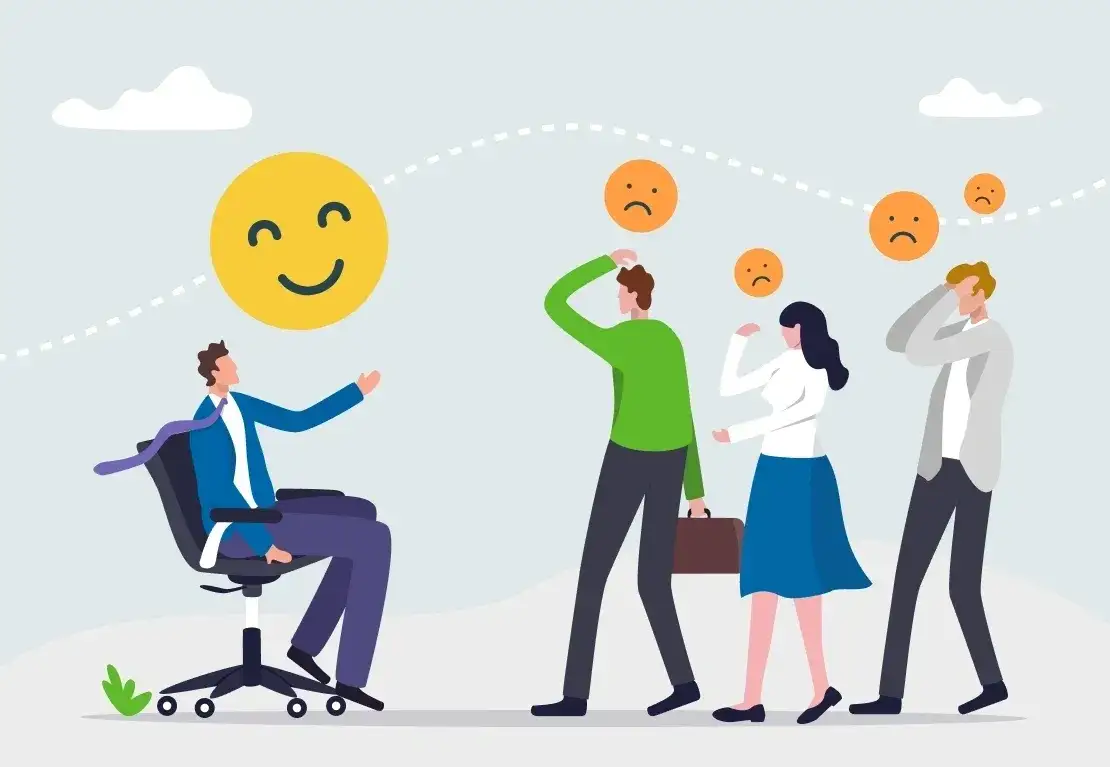
If you are wondering how to boost employee wellbeing, the answer lies in daily habits and systems, not just policies.
Practical Steps Include:
- Encouraging regular breaks during work
- Recognizing employee achievements
- Offering mental health days
- Reducing unnecessary meetings
- Supporting autonomy in tasks
For example, companies that reduce meeting overload often report higher focus and productivity.
In short, small changes create long-term impact.
Employee Wellbeing Trends Shaping the Future
Understanding employee wellbeing trends helps organizations stay ahead.
Key Trends Include:
- AI-driven mental health tools
- Personalized wellbeing dashboards
- Four-day workweeks in some industries
- Greater focus on emotional wellbeing
- Increased demand for flexible benefits
Moreover, data-driven HR systems now help companies track wellbeing metrics in real time.
These trends show that workplace wellbeing is becoming more personalized and technology-driven.
Employee Wellbeing Initiatives UK: A Growing Standard
In the UK, companies are increasingly investing in structured wellness programs.
Many employee wellbeing initiatives UK focus on:
- Mental health support lines
- Flexible hybrid policies
- Workplace stress audits
- Financial wellbeing education
For example, several UK firms now include mental health first aiders in every department.
Moreover, government awareness campaigns continue to encourage healthier workplace standards across industries.
Key Benefits of Strong Employee Wellbeing Systems

When organizations invest in wellbeing, they see measurable results.
Benefits include:
- Higher productivity
- Lower absenteeism
- Better employee retention
- Improved workplace morale
- Stronger employer branding
In addition, employees become more creative and motivated when they feel valued.
So, managing wellbeing is not just ethical—it is profitable.
Common Mistakes Companies Make
Even well-meaning organizations fail when they misunderstand wellbeing.
Common mistakes include:
- Treating wellbeing as a one-time event
- Ignoring manager involvement
- Overloading employees with initiatives
- Failing to measure results
However, the biggest mistake is not listening to employees directly.
Feedback loops are essential for continuous improvement.
Expert Insight: A Practical Perspective
From an HR and workplace strategy perspective, the best answer to how do you manage employee wellbeing? is consistency.
Wellbeing should be embedded into company culture, not treated as a separate program.
Moreover, organizations that integrate wellbeing into daily operations see stronger long-term outcomes.
For example, companies that combine flexible work, mental health support, and leadership training outperform those using isolated initiatives.
Conclusion
So, how do you manage employee wellbeing? The answer lies in a balanced, structured, and human-centered approach.
Organizations must focus on psychological safety, flexibility, leadership quality, and continuous support systems.
Moreover, wellbeing is not a one-time project—it is a long-term commitment.
When companies invest in people, they invest in performance, innovation, and sustainability. In short, a healthy workforce builds a strong business.
FAQs
1. What are the 5 C’s of wellbeing?
The 5 C’s include Care, Connection, Calm, Confidence, and Coping. These elements support emotional and mental balance.
2. What are the 4 pillars of wellbeing in the workplace?
They are physical, emotional, social, and financial wellbeing. Together, they create a balanced work experience.
3. What are the 5 ways to improve employee well-being?
You can improve wellbeing through flexible work, recognition, mental health support, healthy communication, and workload balance.
4. What are the 5 dimensions of employee wellbeing?
They include mental, physical, emotional, social, and career wellbeing. Each dimension supports overall employee performance.
5. What are the 5 C’s of employee retention?
The 5 C’s are Culture, Compensation, Career Growth, Communication, and Care. These factors help retain top talent effectively.
⭐ Make MindLiva Your Preferred Source on Google
Get trusted health, wellness, and lifestyle articles from MindLiva.
Add MindLiva
Samie Babaei is a medical science student at Shahid Beheshti University of Medical Sciences with a strong interest in health, wellness, and medical research. As a health writer and researcher at MindLiva, she focuses on creating clear, evidence-based content that helps readers better understand health and well-being.