



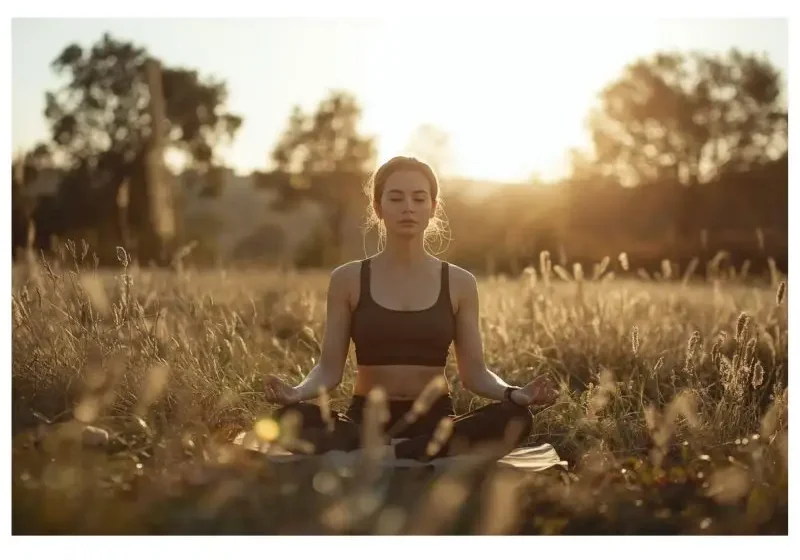
Mindfulness Guided Meditation for Beginners Made Easy
Have you ever felt like your mind never stops racing? Between work, family, and endless notifications, it’s easy to feel overwhelmed. That’s why mindfulness guided meditation for beginners has become one of the most popular ways to reduce stress and improve mental clarity.
Unlike complicated meditation techniques, guided mindfulness meditation is simple to learn. It helps you stay present by focusing on your breath, thoughts, and body without judgment. Moreover, even a few minutes of daily practice can make a noticeable difference over time. In this guide, you’ll discover what mindfulness guided meditation is, how it works, its science-backed benefits, and easy techniques you can start practicing today.
What Is Mindfulness Guided Meditation for Beginners?
Mindfulness guided meditation for beginners is a practice where you follow spoken instructions to focus your attention on the present moment. A teacher, recorded audio, or meditation app gently guides you through breathing exercises, body awareness, or visualization.
The goal is not to stop thinking. Instead, it is to notice your thoughts without becoming attached to them.
This approach makes meditation less intimidating for beginners because you always have guidance to keep your attention on track.
Why Beginners Should Start with Guided Meditation
Learning meditation alone can feel confusing. Many beginners worry they are “doing it wrong.”
Guided sessions solve this problem by providing clear directions and a steady pace.
Benefits include:
- Less stress
- Better concentration
- Improved emotional balance
- Greater self-awareness
- Better sleep quality
- Reduced daily anxiety
Many people notice small improvements within a few weeks of consistent practice.
How Mindfulness Meditation Works

Mindfulness trains your brain to pay attention to the present instead of constantly thinking about the past or future.
During meditation, you may focus on:
- Your breathing
- Body sensations
- Sounds around you
- Thoughts passing through your mind
- Gentle guided imagery
Whenever your attention drifts, you simply return your focus without criticizing yourself.
That repeated process strengthens your ability to stay present.
The Science Behind Mindfulness
Researchers have studied mindfulness for decades.
Several studies suggest that regular meditation may help reduce stress, improve attention, and support emotional well-being. It has also been linked to lower levels of perceived anxiety and better emotional regulation in many people.
While meditation is not a replacement for professional medical care, it can be a valuable part of a healthy lifestyle.
Benefits of Mindfulness Guided Meditation for Beginners

Starting a meditation practice offers benefits that extend beyond quiet moments.
1. Reduces Everyday Stress
Mindfulness helps you respond calmly instead of reacting automatically to stressful situations.
For example, taking five mindful breaths before an important meeting can help you feel more centered.
2. Improves Focus
Many people struggle to concentrate because their attention constantly shifts.
Meditation strengthens your ability to bring your attention back whenever it wanders.
3. Supports Better Sleep
A busy mind often makes falling asleep difficult.
Practicing mindfulness before bedtime may help quiet racing thoughts and create a more relaxing bedtime routine.
4. Builds Emotional Awareness
Meditation teaches you to notice emotions without immediately reacting.
This awareness can improve communication and decision-making.
5. Encourages Self-Compassion
Many beginners are surprised to discover how critical they are of themselves.
Mindfulness encourages kindness toward yourself during both successes and challenges.
A Simple 10-Minute Mindfulness Guided Meditation
You don’t need special equipment.
All you need is a quiet place and a few uninterrupted minutes.
Step 1: Find a Comfortable Position
Sit on a chair or cushion with your back naturally straight.
Relax your shoulders and rest your hands comfortably.
Step 2: Close Your Eyes
If closing your eyes feels uncomfortable, soften your gaze toward the floor.
Step 3: Focus on Your Breath
Notice each inhale and exhale.
There’s no need to change your breathing.
Simply observe it.
Step 4: Notice Wandering Thoughts
Your mind will wander.
That’s completely normal.
Each time it happens, gently return your attention to your breath.
Step 5: Finish Slowly
After ten minutes, take one deep breath.
Open your eyes gradually and notice how you feel before returning to your daily activities.
Common Challenges Beginners Face
Almost everyone experiences obstacles when starting meditation.
Here are the most common ones.
“I Can’t Stop Thinking”
You don’t need to stop thinking.
The goal is simply to notice thoughts and gently return your attention.
“I Don’t Have Enough Time”
Even five minutes of daily practice is valuable.
Consistency matters more than duration.
“I’m Not Relaxing”
Meditation is not about forcing relaxation.
Some sessions feel peaceful.
Others feel busy.
Both are normal parts of the learning process.
Guided Meditation vs Independent Practice
Many beginners wonder whether they should follow recorded sessions or meditate on their own.
In the discussion of guided meditation vs mindfulness meditation, it’s helpful to remember that guided meditation provides spoken instructions, while mindfulness meditation refers to the broader practice of cultivating present-moment awareness. Guided sessions are often the easiest starting point because they offer structure and support until you feel confident practicing independently.
Tips to Build a Lasting Meditation Habit
Creating a routine makes meditation easier.
Try these practical ideas:
- Meditate at the same time each day.
- Start with five to ten minutes.
- Choose a quiet space.
- Use headphones if listening to guided sessions.
- Be patient with yourself.
- Track your progress in a journal.
- Celebrate consistency rather than perfection.
Advanced Mindfulness Guided Meditation for Beginners Techniques
Once you feel comfortable with basic breathing exercises, you can explore other mindfulness practices. These techniques keep your routine fresh while helping you develop greater awareness.
Body Scan Meditation
A body scan involves slowly moving your attention from your head to your toes, noticing any tension or discomfort without trying to change it.
This practice helps improve body awareness and encourages deep relaxation.
Loving-Kindness Meditation
This meditation focuses on sending kind thoughts to yourself and others.
You may silently repeat phrases such as:
- May I be happy.
- May I be healthy.
- May I be safe.
- May others live with peace and kindness.
Many people find this practice helpful for building compassion and improving relationships.
Mindful Walking
Meditation doesn’t always require sitting still.
During a mindful walk, pay attention to each step, your breathing, and the sounds around you. Even a 10-minute walk can help clear your mind and improve focus.
Common Myths About Mindfulness Meditation

Several myths prevent people from starting meditation. Let’s clear up a few of them.
Myth 1: You Must Empty Your Mind
This is one of the biggest misconceptions. Thoughts will naturally appear. Mindfulness teaches you to observe them without judgment.
Myth 2: Meditation Takes Hours
Even five to ten minutes a day can be beneficial. Consistency is far more important than long sessions.
Myth 3: You Need Special Equipment
A quiet space and a comfortable seat are enough. You don’t need expensive cushions, candles, or accessories.
Myth 4: Meditation Is Only for Spiritual People
Mindfulness is practiced by people from many different backgrounds. It is widely used for stress management, focus, and overall well-being.
Mistakes to Avoid When Starting
Many beginners face similar challenges. Avoiding these common mistakes can make your meditation practice more enjoyable.
- Expecting instant results. Building mindfulness takes time.
- Judging yourself harshly. Wandering thoughts are part of the process.
- Skipping practice after a busy day. Short sessions are still valuable.
- Trying too many techniques at once. Master one method before exploring others.
- Ignoring your posture. Sit comfortably to avoid unnecessary discomfort.
How to Make Meditation Part of Your Daily Life
Meditation works best when it becomes a habit rather than an occasional activity.
Here are some simple ways to stay consistent:
- Meditate after brushing your teeth each morning.
- Practice before bedtime to unwind.
- Take a two-minute mindful breathing break during work.
- Use a reminder on your phone.
- Pair meditation with another healthy habit, such as stretching or journaling.
These small routines make it easier to maintain your practice over time.
Real-Life Example
Imagine Sarah, a busy office worker who often felt overwhelmed by deadlines.
She began practicing mindfulness guided meditation for beginners for just 10 minutes each morning. After several weeks, she noticed that she was less reactive during stressful meetings, slept better at night, and found it easier to stay focused throughout the day.
While everyone’s experience is different, many beginners report similar improvements with regular practice.
Conclusion
Starting mindfulness guided meditation for beginners doesn’t require special skills or hours of free time. It begins with a few quiet minutes each day and a willingness to be present.
By focusing on your breath, observing your thoughts without judgment, and practicing consistently, you can build greater calm, emotional balance, and mental clarity. Remember, progress isn’t about achieving a perfectly quiet mind—it’s about gently returning your attention whenever it wanders.
Whether you’re looking to reduce stress, improve focus, or simply create healthier daily habits, mindfulness offers a practical path toward greater well-being. Start small, stay consistent, and allow each session to become a step toward a calmer and more mindful life.
Frequently Asked Questions (FAQs)
How to meditate mindfulness for beginners?
Start by sitting comfortably, focusing on your breathing, and gently bringing your attention back whenever your mind wanders. Begin with five to ten minutes each day and gradually increase your practice.
What are the 7 principles of mindfulness?
The seven commonly recognized attitudes of mindfulness are non-judging, patience, beginner’s mind, trust, non-striving, acceptance, and letting go. These principles encourage greater awareness and self-compassion.
What are the 3 C’s of mindfulness?
The 3 C’s are often described as Curiosity, Compassion, and Calm. Together, they help you observe your thoughts openly, treat yourself kindly, and respond more peacefully to challenges.
What is 7 chakra meditation?
Seven chakra meditation is a practice that focuses attention on the body’s traditional energy centers, moving from the root chakra to the crown chakra. Many people use it for relaxation and personal reflection, although scientific evidence for chakras as energy centers is limited.
Which chakra is the most powerful?
There is no universally accepted “most powerful” chakra. Different traditions emphasize different chakras depending on the purpose of the practice. Many practitioners consider the heart chakra important for compassion and balance, while others focus on the crown chakra for spiritual awareness.
⭐ Make MindLiva Your Preferred Source on Google
Get trusted health, wellness, and lifestyle articles from MindLiva.
Add MindLiva
Samie Babaei is a medical science student at Shahid Beheshti University of Medical Sciences with a strong interest in health, wellness, and medical research. As a health writer and researcher at MindLiva, she focuses on creating clear, evidence-based content that helps readers better understand health and well-being.