



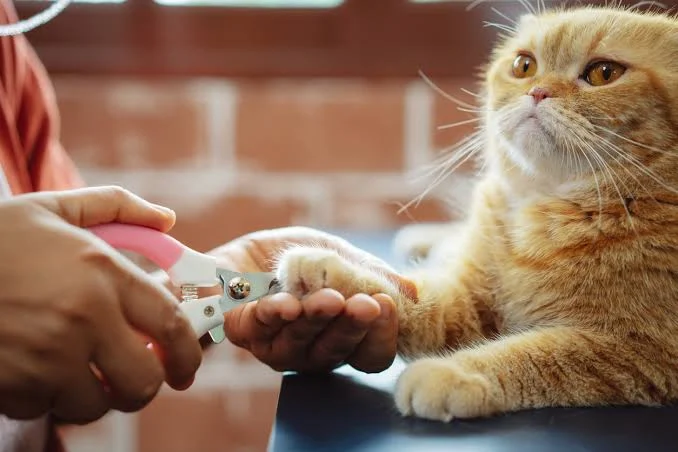
Essential Tips for Safe Nail Trimming for Cats at Home
Have you ever noticed your cat getting stuck on blankets or accidentally scratching you while playing? If so, it may be time to think about nail trimming for cats. Many pet owners feel nervous the first time they trim their cat’s nails, but the process is much easier than it seems when done correctly.
Healthy claws are essential for climbing, stretching, balancing, and scratching. However, nails that grow too long can become painful, damage furniture, and even grow into the paw pads. Regular trimming helps prevent these problems while keeping your cat comfortable.
In this guide, you’ll discover when to trim your cat’s nails, which tools work best, how to avoid common mistakes, and simple ways to make every grooming session calm and stress-free. Whether you’re caring for a playful kitten or a senior cat, these expert-backed tips will help you build confidence.
Why Nail Trimming for Cats Is Important
Many people believe scratching posts completely replace nail trimming. While scratching posts are excellent for maintaining healthy claws, they rarely keep nails short enough on their own—especially for indoor cats.
Regular nail trimming for cats supports both health and safety. Long claws may catch on carpets, curtains, or furniture, increasing the risk of torn nails. Torn nails are painful and sometimes require veterinary treatment.
Keeping nails trimmed also reduces accidental scratches during play. Families with young children or multiple pets especially benefit from shorter, smoother claws.
Another advantage is early detection of health issues. During each trimming session, you naturally inspect your cat’s paws and can notice swelling, broken nails, infections, or foreign objects before they become serious.
Veterinarians often recommend checking your cat’s nails every two to four weeks. Some active outdoor cats naturally wear down their claws, while most indoor cats require more frequent maintenance.
Health Benefits of Nail Trimming for Cats
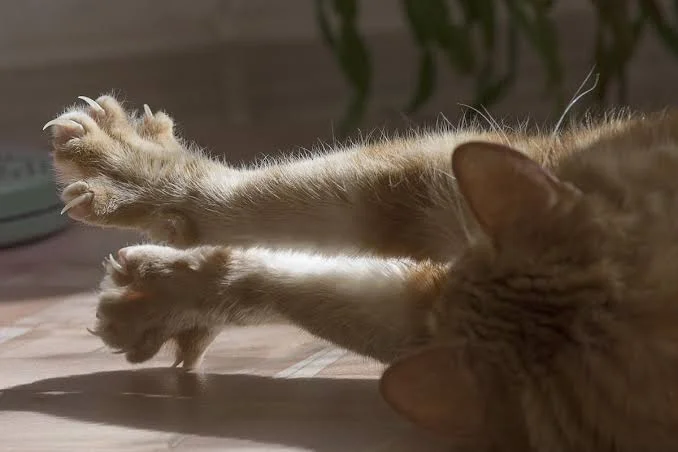
Healthy nails help your cat move comfortably. Overgrown claws change the way a cat walks, placing extra pressure on joints and muscles. This is particularly important for senior cats with arthritis or reduced mobility.
Routine trimming also prevents nails from curling into the paw pads, a painful condition that may cause infections and difficulty walking.
Regular grooming sessions improve your relationship with your pet as well. Cats that become accustomed to gentle paw handling usually remain calmer during veterinary visits and other health examinations.
Moreover, examining the paws every few weeks allows you to spot unusual growths, cracked nails, or signs of irritation early.
Indoor Cats Need More Frequent Nail Care
Indoor cats live very different lives from outdoor cats. Although they scratch furniture, cat trees, and scratching posts, these surfaces rarely wear the nails down enough.
Because indoor cats spend less time climbing rough surfaces like trees and rocks, their claws continue growing steadily.
Some signs that your indoor cat needs a nail trim include:
- Nails clicking on hard floors.
- Claws getting caught on blankets.
- Scratches becoming sharper than usual.
- Curved nails beginning to grow toward the paw pads.
Watching for these signs helps you establish a grooming schedule before problems develop.
Understanding Your Cat’s Claws Before Trimming
Before picking up the clippers, it’s helpful to understand how feline claws work.
Unlike human nails, cat claws grow in layers. As new nail grows underneath, the outer layer naturally sheds. You may occasionally find small, hollow claw sheaths around your home. This is completely normal and indicates healthy nail growth.
Each claw also contains a sensitive inner section called the quick. The quick contains blood vessels and nerves, so accidentally cutting into it causes pain and bleeding.
Fortunately, avoiding the quick is simple once you know what to look for.
What Is the Quick?
On light-colored nails, the quick appears as a pink area extending through the center of the claw.
Only trim the clear, curved hook beyond this pink section.
Cats with dark-colored nails require extra care because the quick is difficult to see. In these cases, trimming only the sharp tip is the safest option.
Professional groomers often recommend making several tiny cuts rather than attempting one large cut.
Front Claws vs. Back Claws
Front claws grow faster because cats use them for climbing, grabbing toys, stretching, and defending themselves.
Back claws naturally wear down more through walking and jumping.
Don’t forget the dewclaws located on the inside of the front legs. Since they rarely touch the ground, they often become overgrown first.
Checking every claw during grooming helps prevent missed nails that could later become painful.
Choosing the Best Tools for Nail Trimming for Cats
Using the proper equipment makes grooming easier, safer, and more comfortable.
Fortunately, you don’t need many supplies.
| Tool | Purpose |
| Cat nail clippers | Trim nails safely |
| Styptic powder | Stops minor bleeding |
| Treats | Positive reinforcement |
| Small towel | Gentle restraint if needed |
| Flashlight | Helps see dark nails |
Quality clippers produce cleaner cuts than dull ones. Sharp blades reduce pressure on the nail and minimize discomfort.
Many experienced owners prefer scissor-style clippers because they provide better control, especially for beginners.
How to Choose the Right Nail Clippers
Not all nail clippers perform equally.
Look for:
- Sharp stainless-steel blades.
- Comfortable ergonomic handles.
- Non-slip grip.
- Safety guard (optional).
- Lightweight design.
Avoid using regular human nail clippers whenever possible because they may crush the curved nail instead of cutting cleanly.
Replacing inexpensive clippers every few years helps maintain smooth, precise cuts.
Helpful Accessories That Make Grooming Easier
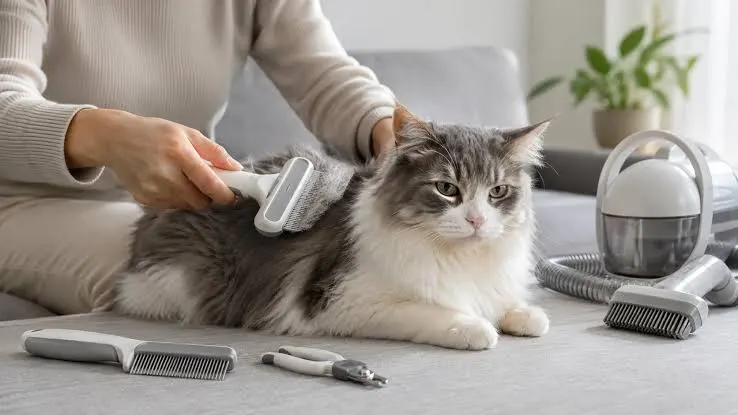
Although optional, several accessories improve the grooming experience.
These include:
- Soft blanket for nervous cats.
- LED flashlight for dark nails.
- Lickable treats for distraction.
- Cat pheromone spray.
- Comfortable grooming mat.
One simple trick that has worked well for many owners is offering a reward immediately after trimming each paw. Cats quickly learn to associate grooming with something enjoyable.
Preparing Your Cat Before Trimming
Preparation often determines whether a grooming session succeeds or fails.
Instead of introducing nail trimming suddenly, begin by gently touching your cat’s paws during relaxed moments.
For example, while your cat naps beside you, softly massage one paw for a few seconds before offering praise.
Repeat this daily.
After several days, lightly press each toe until the claw extends.
This teaches your cat that paw handling is safe.
From personal experience, taking a week to build trust saves far more time than trying to rush through a stressful grooming session.
Create a Calm Environment
Cats notice changes in their surroundings.
Choose:
- A quiet room.
- Soft lighting.
- Comfortable temperature.
- No loud television.
- No active children or other pets.
Many owners find that trimming nails after playtime works well because their cat naturally feels more relaxed.
If your cat becomes restless, stop and continue later.
Short sessions build confidence much faster than long, stressful ones.
Reward Positive Behavior
Positive reinforcement remains one of the most effective training methods.
After each successful nail, offer:
- Small treats.
- Gentle praise.
- Petting.
- Favorite toys.
Avoid punishment if your cat struggles.
Instead, end the session calmly and try again another day.
Consistency creates lasting habits.
Step-by-Step Nail Trimming for Cats
Learning nail trimming for cats becomes much easier when you follow a simple routine. Rather than trying to finish every nail as quickly as possible, focus on keeping your cat comfortable throughout the session. A relaxed pet is much more likely to cooperate during future grooming appointments.
Step 1: Position Your Cat Comfortably
Place your cat on your lap or on a stable table covered with a soft towel. Sit in a quiet room where there are no distractions. If your cat prefers lying down, let them stay in that position instead of forcing them to sit.
Step 2: Extend the Claw
Hold one paw gently and press lightly on the top and bottom of a toe. This causes the claw to extend, allowing you to see exactly where to trim.
Step 3: Identify the Safe Cutting Area
Look for the pink quick inside the nail. Trim only the transparent, curved tip beyond the quick. If your cat has black nails, remove only a very small amount at a time.
Step 4: Make a Clean Cut
Use sharp clippers and make one smooth cut. Avoid squeezing repeatedly because it may cause discomfort.
Step 5: Continue Slowly
If your cat becomes restless after several nails, take a short break. It is perfectly acceptable to trim only one paw today and finish the rest tomorrow.
Step 6: Reward Immediately
Offer praise, treats, or gentle playtime after the session. Positive reinforcement helps your cat develop confidence and reduces stress during future grooming.
During your regular grooming routine, you’ll eventually become more comfortable with every cat nail trim, making the process quicker and easier for both you and your pet.
Common Mistakes to Avoid
Even experienced cat owners occasionally make mistakes. Fortunately, most of them are easy to prevent.
| Mistake | Better Choice |
| Cutting too close to the quick | Trim only the tip |
| Using dull clippers | Replace or sharpen them |
| Holding the cat too tightly | Support gently |
| Skipping dewclaws | Check every claw |
| Waiting too long between trims | Trim every 2–4 weeks |
Another common mistake is trimming when you’re stressed or rushed. Cats are excellent at sensing emotions, so remaining calm often helps your pet stay calm as well.
How Often Should You Trim Your Cat’s Nails?
Every cat grows nails at a different rate.
A general guide is:
| Cat Type | Recommended Schedule |
| Indoor adult cat | Every 2–4 weeks |
| Kitten | Every 2–3 weeks |
| Senior cat | Every 2–3 weeks |
| Outdoor cat | Check monthly |
Instead of following a strict calendar, inspect your cat’s claws regularly. If the tips appear very sharp or begin catching on fabrics, it’s probably time for another trim.
Special Tips for Different Types of Cats

Kittens
Starting early helps kittens accept grooming throughout adulthood.
Keep sessions extremely short and reward every positive interaction.
Young kittens often need only tiny trims because their nails are small and grow quickly.
Senior Cats
Older cats may have thicker nails and reduced flexibility.
Because they scratch less frequently, their claws often grow faster than owners expect.
Regular inspections help prevent painful overgrown nails that may curl into the paw pads.
Nervous Cats
Some cats simply dislike having their paws touched.
For anxious cats:
- Work one paw at a time.
- Use calming treats if recommended by your veterinarian.
- Try trimming after a meal or play session.
- Speak softly throughout the process.
Never force a frightened cat. Building trust is always more effective than trying to finish everything in one session.
When to Visit a Groomer or Veterinarian
Sometimes professional help is the safest option.
Contact a veterinarian or professional groomer if you notice:
- Ingrown claws
- Broken nails
- Persistent bleeding
- Swollen paws
- Signs of infection
- Extreme fear or aggression during trimming
Professional groomers perform nail trims regularly and often complete the procedure quickly with minimal stress. Veterinarians can also identify medical conditions that affect nail growth or paw health.
Expert Tips for Long-Term Success
Experienced groomers and veterinarians often recommend making nail care part of your regular wellness routine rather than waiting until nails become too long.
Here are a few habits that make a big difference:
- Check your cat’s paws every week.
- Replace worn clippers when they become dull.
- Keep grooming sessions under 10 minutes.
- Always reward calm behavior.
- Provide sturdy scratching posts around your home.
These simple habits reduce anxiety and make future trimming sessions much easier.
Conclusion
Regular nail trimming for cats is a simple habit that protects your pet’s health and improves their comfort. Short, well-maintained nails reduce the risk of painful injuries, accidental scratches, and mobility problems while making everyday life safer for both cats and their owners.
The key to success is patience. Start slowly, use the right tools, and reward your cat after every session. With consistency, most cats learn to tolerate—or even accept—nail trimming as part of their normal routine. By making nail care a regular part of your pet’s wellness plan, you’ll help ensure they stay active, healthy, and comfortable for years to come.
Frequently Asked Questions
Are you supposed to trim your cat’s nails?
Yes. Most indoor cats benefit from nail trimming every two to four weeks to prevent overgrown claws, reduce accidental scratches, and support healthy movement.
Which nails should you trim on a cat?
Trim the sharp tips of all claws, especially the front claws and dewclaws. Avoid cutting into the pink quick, which contains nerves and blood vessels.
What do you need to trim a cat’s nails?
You’ll need cat nail clippers, treats for positive reinforcement, and styptic powder in case of minor bleeding. A towel can also help with nervous cats.
What can happen if you don’t trim your cat’s nails?
Overgrown nails may catch on fabric, split, break, or grow into the paw pads. They can also increase the risk of painful injuries and accidental scratches.
Can nail trimming be stressful for cats?
It can be at first, but gentle handling, regular practice, and rewarding good behavior usually make the experience much less stressful over time.
⭐ Make MindLiva Your Preferred Source on Google
Get trusted health, wellness, and lifestyle articles from MindLiva.
Add MindLiva
Samie Babaei is a medical science student at Shahid Beheshti University of Medical Sciences with a strong interest in health, wellness, and medical research. As a health writer and researcher at MindLiva, she focuses on creating clear, evidence-based content that helps readers better understand health and well-being.