



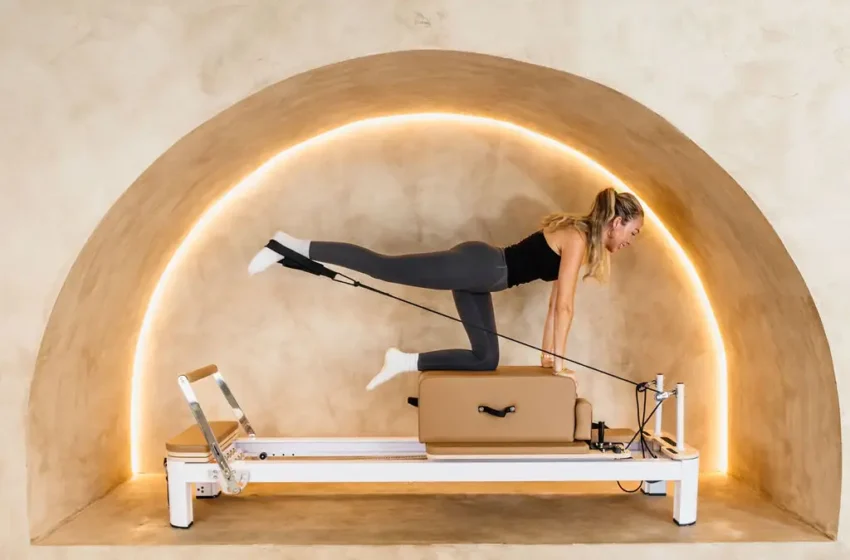
Pilates Reformer Workout: Transform Your Body Faster
Have you ever wondered why so many fitness enthusiasts, athletes, and even physical therapists recommend a Pilates Reformer Workout? Unlike many traditional workouts that focus only on strength or cardio, the reformer offers a balanced approach that develops stability, flexibility, coordination, and muscular endurance all at once. It challenges your entire body while remaining gentle on your joints, making it suitable for beginners, older adults, and experienced athletes alike.
The popularity of reformer training has grown rapidly over the past few years as more people search for workouts that deliver visible results without excessive impact on the body. Social media has certainly helped introduce reformer Pilates to a wider audience, but its effectiveness is backed by decades of practice and clinical use. Many rehabilitation specialists recommend reformer exercises because they encourage controlled movement patterns, improve posture, and strengthen deep stabilizing muscles that are often neglected during conventional gym workouts.
In this guide, you’ll learn how a Pilates Reformer Workout works, why it’s so effective, which exercises are best for beginners, and how to choose the right equipment or class for your fitness goals. Whether you want to lose weight, recover from an injury, or simply move with greater confidence, you’ll discover practical tips that can help you make the most of every session.
Why the Pilates Reformer Workout Is More Popular Than Ever
Fitness trends come and go, yet reformer Pilates has continued to gain momentum because it delivers measurable results while remaining accessible to a wide range of people. Unlike workouts that rely on heavy weights or repetitive high-impact movements, the reformer uses adjustable spring resistance to create smooth, controlled exercises that strengthen muscles through a full range of motion. This combination helps improve balance, coordination, and flexibility while reducing unnecessary strain on the joints.
Another reason for its growing popularity is its versatility. A single reformer machine supports hundreds of different exercises, allowing workouts to be customized for complete beginners, elite athletes, pregnant women, or individuals recovering from injuries. Every movement emphasizes proper alignment, breathing, and muscle control rather than speed, helping users develop better movement habits that carry over into daily life.
From a personal perspective, one of the biggest advantages of reformer Pilates is how quickly you begin noticing improvements in everyday activities. Climbing stairs feels easier, sitting at a desk becomes more comfortable, and maintaining good posture requires less conscious effort. These subtle changes often appear before dramatic physical transformations, providing motivation to continue training consistently.
What Is a Pilates Reformer Workout?
A Pilates Reformer Workout is a form of resistance training performed on a specialized machine called a reformer. The machine consists of a sliding carriage, adjustable springs, shoulder blocks, straps, ropes, and a footbar. Together, these components create adjustable resistance that challenges your muscles while encouraging smooth, controlled movement.
Unlike traditional weightlifting, the reformer doesn’t rely on heavy loads to build strength. Instead, it uses spring tension to create resistance in both directions of movement. This means your muscles work while pushing and pulling, improving balance, coordination, and muscular endurance simultaneously.
One of the greatest strengths of the reformer is its adaptability. The resistance can be increased for experienced users or reduced for beginners, seniors, and people recovering from injuries. Because every exercise emphasizes precision, posture, and breathing, each repetition becomes more effective than simply performing large numbers of uncontrolled movements.
Many people assume reformer Pilates is only about flexibility. In reality, it’s a complete fitness system that develops:
- Core strength
- Muscular endurance
- Balance
- Flexibility
- Joint stability
- Body awareness
- Coordination
These benefits explain why fitness professionals, athletes, dancers, and physical therapists continue recommending reformer training for people of all ages.
How the Reformer Machine Works
The reformer may appear intimidating at first glance, but its design is surprisingly straightforward.
The carriage slides back and forth on rails while springs create adjustable resistance. Depending on the exercise, you may push with your legs, pull using your arms, or stabilize your body while moving in multiple directions. Every exercise requires your core muscles to stay engaged, which is why even simple movements become surprisingly challenging.
Because the resistance is smooth rather than jerky, your joints experience much less impact than during activities like running or jumping. This allows users to strengthen muscles without placing unnecessary stress on the knees, hips, ankles, or lower back.
Another unique feature is the constant emphasis on alignment. Proper shoulder positioning, spinal neutrality, breathing, and pelvic stability are reinforced throughout every session. Over time, these movement patterns transfer into daily activities, helping improve posture and reducing unnecessary strain on the body.
Who Can Benefit from a Pilates Reformer Workout?
One reason the Pilates Reformer Workout has become so popular is that it works for nearly everyone.
Beginners appreciate its controlled environment because they can learn proper movement mechanics before progressing to more challenging exercises. Experienced gym-goers often discover weaknesses in stability and mobility that traditional strength training may overlook.
Athletes use reformer Pilates to improve balance, flexibility, coordination, and injury prevention. Better movement efficiency often translates into improved sports performance, whether in running, tennis, swimming, or football.
Older adults also benefit significantly. Since the exercises are low-impact, they help maintain muscle strength, improve balance, and support healthy joints without excessive stress.
Many physical therapists incorporate Pilates Reformers into rehabilitation programs because the adjustable resistance allows patients to rebuild strength gradually while maintaining safe movement patterns.
Top Benefits of a Pilates Reformer Workout
Builds Lean, Functional Strength
Unlike bodybuilding routines that often isolate individual muscles, reformer Pilates trains the body as an integrated system.
Nearly every movement activates multiple muscle groups simultaneously. For example, a simple leg press on the reformer also engages the core, hips, glutes, and stabilizing muscles around the spine.
This type of functional strength carries over into everyday activities such as:
- Carrying groceries
- Lifting children
- Walking upstairs
- Improving sports performance
- Maintaining better posture
Instead of simply increasing muscle size, reformer Pilates develops muscles that work efficiently together.
Improves Core Stability
The core is far more than visible abdominal muscles.
It includes deep stabilizing muscles surrounding the spine, pelvis, diaphragm, and pelvic floor. These muscles create the foundation for nearly every movement your body performs.
Every Pilates Reformer Workout requires continuous core engagement. Even arm exercises activate the abdominal muscles because your body must stabilize against moving resistance.
A stronger core provides several benefits:
- Better balance
- Reduced lower back pain
- Improved posture
- Greater athletic performance
- Increased lifting efficiency
Many people notice improvements in their posture within just a few weeks of consistent training.
Enhances Flexibility Without Overstretching
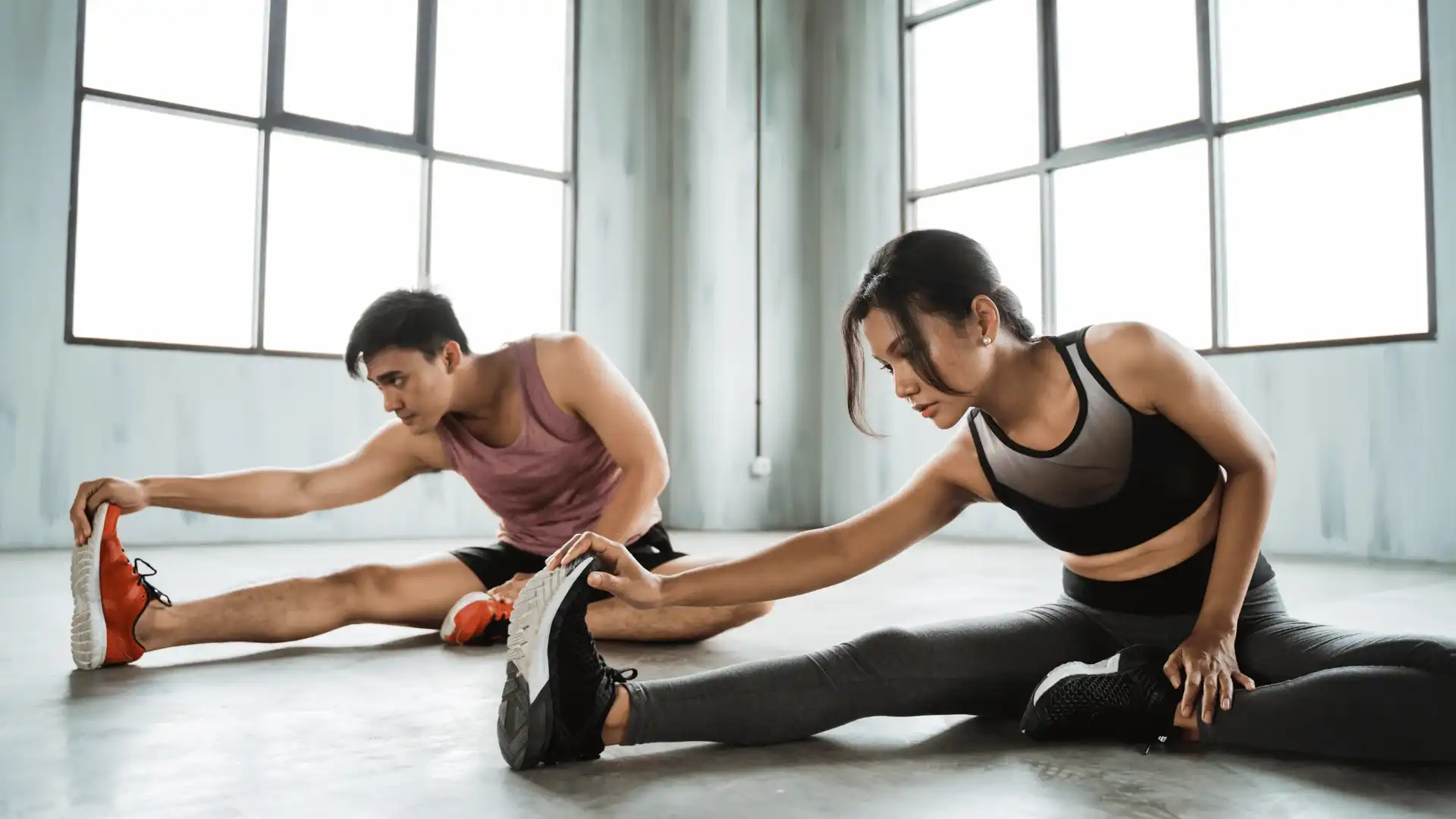
Traditional stretching often focuses on holding static positions.
Reformer Pilates takes a different approach by improving flexibility through controlled movement.
As muscles strengthen throughout their full range of motion, flexibility develops naturally alongside stability. This reduces the likelihood of overstretching joints while improving overall mobility.
The result is a body that feels both stronger and more flexible—a combination that can reduce injury risk and improve movement quality.
Supports Weight Loss and Body Toning
Can a Pilates Reformer Workout help you lose weight?
Yes—but perhaps not in the way many people expect.
Reformer Pilates burns calories during exercise while increasing lean muscle mass. More muscle means your body burns more energy throughout the day, even while resting.
Weight loss ultimately depends on maintaining a calorie deficit, but combining healthy nutrition with consistent reformer sessions creates an effective long-term strategy.
Many participants notice:
- A flatter waistline
- Firmer legs
- More defined arms
- Stronger glutes
- Improved posture that makes the body appear taller and leaner
Rather than dramatic muscle bulk, reformer Pilates creates a toned, balanced physique.
Beginner Pilates Reformer Exercises
Starting with simple movements helps build confidence while learning proper technique.
Footwork
Footwork is often the very first exercise beginners perform.
Lying comfortably on the carriage, you press against the footbar while controlling both the extension and return.
Although it seems simple, footwork strengthens:
- Quadriceps
- Hamstrings
- Glutes
- Calves
- Core stabilizers
It also teaches proper alignment, breathing, and control.
Bridges
Bridges strengthen the posterior chain—the muscles running along the back of your body.
This exercise targets the glutes, hamstrings, lower back, and abdominal muscles while improving spinal mobility.
People who spend long hours sitting often benefit greatly from bridges because they help counteract tight hips and weakened glute muscles.
Pilates Roll Up
The Pilates Roll Up remains one of the classic Pilates exercises and is sometimes adapted for reformer sessions.
Rather than relying on momentum, the movement teaches you to articulate the spine one vertebra at a time while maintaining deep abdominal engagement.
Although challenging at first, practicing this exercise improves:
- Core control
- Flexibility
- Spinal mobility
- Coordination
- Posture
Mastering the Roll Up often leads to better performance in many other Pilates movements.
Intermediate and Advanced Pilates Reformer Workout Exercises
Once you’ve mastered the fundamentals, it’s time to challenge your body with more dynamic movements. Intermediate and advanced reformer exercises require greater balance, coordination, and core control. Instead of simply moving the carriage back and forth, these exercises demand precision and full-body integration.
One of the most effective advanced movements is the Long Stretch Series, which resembles a moving plank. As the carriage glides beneath you, your shoulders, chest, abdominals, legs, and glutes work together to stabilize the body. It looks graceful, but it quickly reveals weaknesses in core strength and shoulder stability.
Another popular exercise is the Elephant, which emphasizes hamstring flexibility while strengthening the shoulders and deep abdominal muscles. Maintaining a neutral spine throughout the movement requires concentration and body awareness.
The Knee Stretch Series introduces controlled movement while kneeling on the carriage. It develops hip mobility, lower-body strength, and cardiovascular endurance without placing excessive impact on the joints.
Advanced practitioners often perform exercises like:
| Exercise | Primary Benefits | Difficulty |
| Long Stretch | Full-body strength and stability | Advanced |
| Elephant | Hamstring flexibility and core control | Intermediate |
| Knee Stretch Series | Core endurance and leg strength | Intermediate |
| Side Splits | Hip stability and balance | Advanced |
| Snake & Twist | Spinal mobility and coordination | Advanced |
The key is progression rather than speed. Mastering proper technique is far more valuable than attempting difficult exercises before you’re ready.
Common Mistakes to Avoid During a Pilates Reformer Workout
Even though reformer Pilates is considered low impact, poor technique can reduce its effectiveness and increase the risk of discomfort. Fortunately, most mistakes are easy to correct once you’re aware of them.
1. Moving Too Quickly
Many beginners rush through exercises as if they’re performing a cardio workout. Pilates is built on controlled movement. Slowing down allows your muscles—not momentum—to perform the work.
2. Forgetting to Breathe
Breathing is a fundamental part of Pilates. Holding your breath reduces core activation and makes movements feel much harder than they should. Inhaling prepares the body, while exhaling helps activate the deep abdominal muscles.
3. Using Too Much Resistance
Adding heavier springs doesn’t necessarily make the workout better. In many exercises, excessive resistance encourages poor form and reduces the effectiveness of stabilizing muscles.
4. Ignoring Alignment
Proper alignment keeps your joints safe and ensures the intended muscles are doing the work. Pay close attention to the position of your shoulders, hips, knees, and feet throughout every exercise.
5. Skipping the Basics
It’s tempting to jump into advanced routines after watching impressive videos online. However, building a strong foundation with beginner exercises creates better long-term results and greatly reduces injury risk.
Pilates Reformer Workout at Home vs. Studio
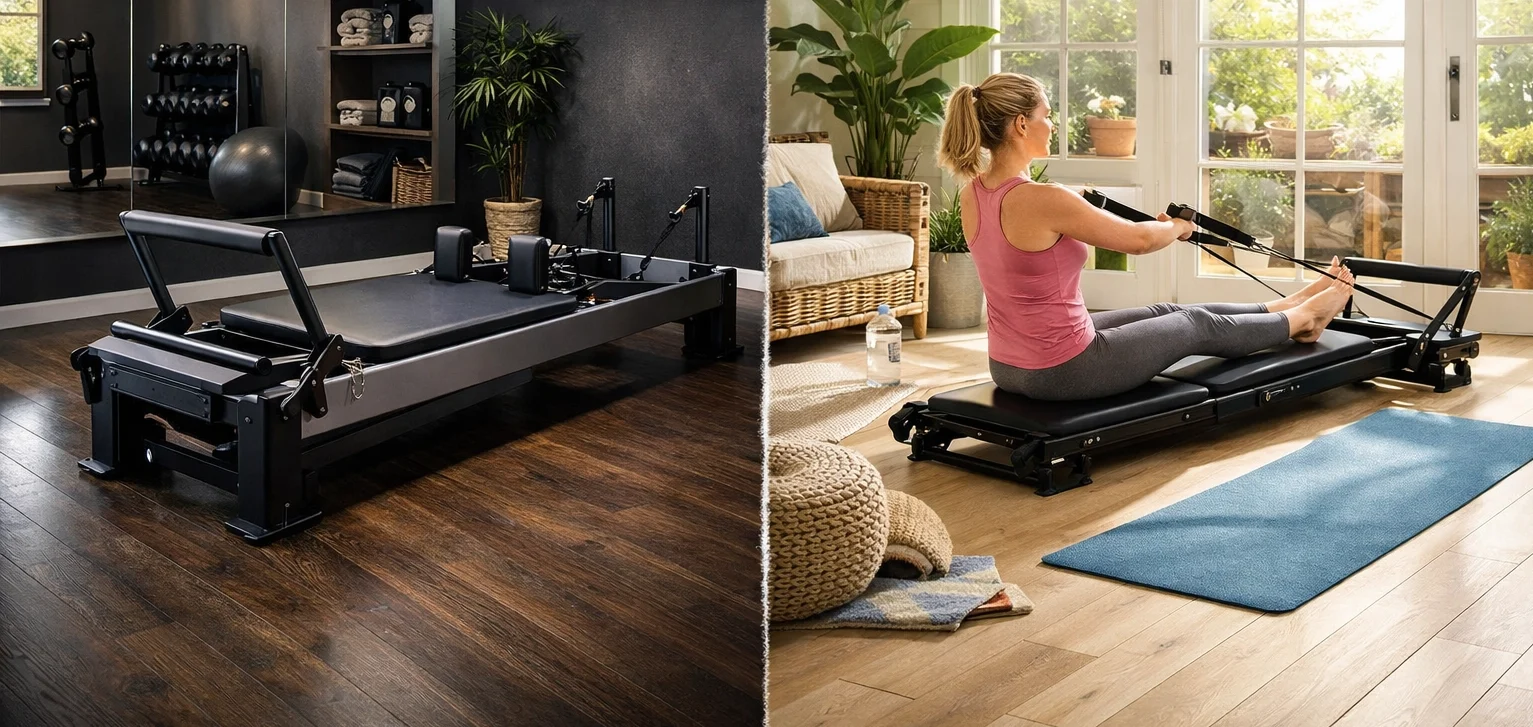
One of the biggest questions people ask is whether it’s better to invest in a reformer for home use or attend a professional studio.
The answer depends on your goals, budget, and level of experience.
Training at Home
Home workouts provide convenience and flexibility. You can exercise whenever your schedule allows, avoid commuting, and progress at your own pace.
Modern home reformers are available in different sizes, making them practical even for smaller living spaces.
A Portable Pilates Reformer is especially useful for people with limited space. These compact models are designed to fold away after use while still providing adjustable spring resistance suitable for beginners and intermediate users.
Another well-known option is the Aero Pilates Reformer, which has become popular among home fitness enthusiasts because it combines affordability with a beginner-friendly design. Many models include instructional videos, making it easier for new users to learn proper techniques safely.
Home workouts work best when combined with online instruction or occasional sessions with a certified instructor to ensure your form remains correct.
Studio-Based Pilates Reformer Classes
Professional studios offer several advantages that are difficult to replicate at home.
Certified instructors provide immediate feedback, adjust your technique, and tailor exercises to your fitness level. This personalized coaching helps prevent bad habits while accelerating progress.
Many people also enjoy the motivation that comes from exercising in a group setting. Sharing the experience with others often makes it easier to stay consistent and committed.
If you’re completely new to reformer Pilates, attending a few Pilates Reformer Classes before purchasing your own machine is a smart investment. You’ll gain confidence, learn proper body mechanics, and better understand which type of equipment suits your needs.
Choosing the Right Pilates Program
Finding the right program is just as important as choosing the right equipment. A well-structured class or training plan should match your current fitness level while providing room for gradual progression.
Some boutique fitness studios have built strong reputations for delivering energetic reformer sessions. Jet Set Pilates, for example, has attracted attention for its modern approach, combining music, small-group instruction, and challenging workouts that appeal to busy professionals seeking efficient training sessions.
When researching online programs or equipment, it’s also helpful to read customer experiences. Flo Pilates Reformer Reviews often discuss machine quality, ease of assembly, and workout performance, helping potential buyers make informed decisions. Likewise, Flo Pilates Reviews can provide insights into customer service, training resources, and overall user satisfaction before making a purchase.
Rather than choosing based solely on price, consider factors such as instructor qualifications, class size, equipment quality, and long-term support.
Complement Your Routine with Pilates Ring Exercises
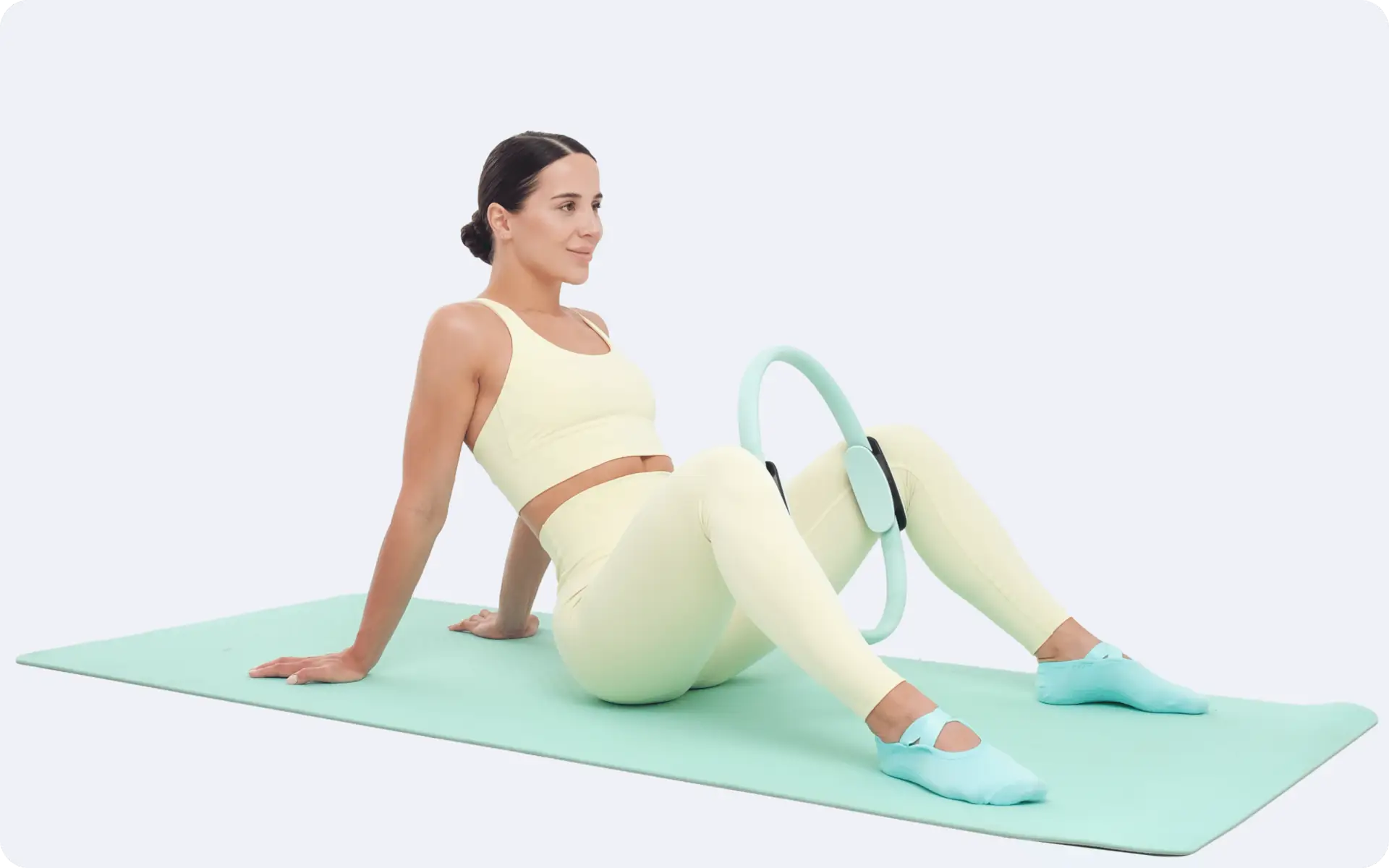
Although the reformer provides an excellent full-body workout on its own, adding simple accessories can introduce new challenges. One popular option is Pilates Ring Exercises, which target the inner thighs, chest, arms, and core through controlled squeezing and resistance movements.
Combining reformer sessions with ring exercises can improve muscular endurance, enhance body awareness, and create greater variety in your weekly routine. This prevents workouts from becoming repetitive while helping maintain steady progress toward your fitness goals.
Conclusion
A Pilates Reformer Workout is much more than a fitness trend. It is a complete training system that strengthens the body, improves posture, increases flexibility, and develops lasting core stability. Whether your goal is weight management, injury prevention, athletic performance, or simply feeling stronger in everyday life, the reformer offers a balanced and sustainable approach.
Consistency matters more than perfection. Even two or three well-structured sessions each week can produce noticeable improvements in strength, mobility, and overall confidence. Start with the fundamentals, focus on quality movement, and gradually challenge yourself as your skills develop.
If you’re looking for a workout that combines intelligent movement with impressive results, the Pilates reformer is one of the best investments you can make in your long-term health.
Frequently Asked Questions
1. Is a Pilates Reformer Workout good for beginners?
Yes. The reformer’s adjustable resistance makes it suitable for beginners while allowing gradual progression as strength and confidence improve.
2. How many times a week should I do a Pilates Reformer Workout?
Most people see excellent results with 2–4 sessions per week, depending on their fitness goals and recovery time.
3. Can a Pilates Reformer Workout help with back pain?
Many people experience reduced back discomfort because reformer exercises strengthen the core and improve posture. If you have a medical condition, consult your healthcare provider before starting.
4. Is reformer Pilates better than mat Pilates?
Both are effective. Reformer Pilates offers adjustable resistance and greater exercise variety, while mat Pilates requires minimal equipment and focuses heavily on bodyweight control.
5. How long does it take to see results?
Many beginners notice improved posture, flexibility, and body awareness within 4–6 weeks of regular training. Visible muscle tone and strength typically continue improving over the following months.
⭐ Make MindLiva Your Preferred Source on Google
Get trusted health, wellness, and lifestyle articles from MindLiva.
Add MindLiva
Samie Babaei is a medical science student at Shahid Beheshti University of Medical Sciences with a strong interest in health, wellness, and medical research. As a health writer and researcher at MindLiva, she focuses on creating clear, evidence-based content that helps readers better understand health and well-being.