



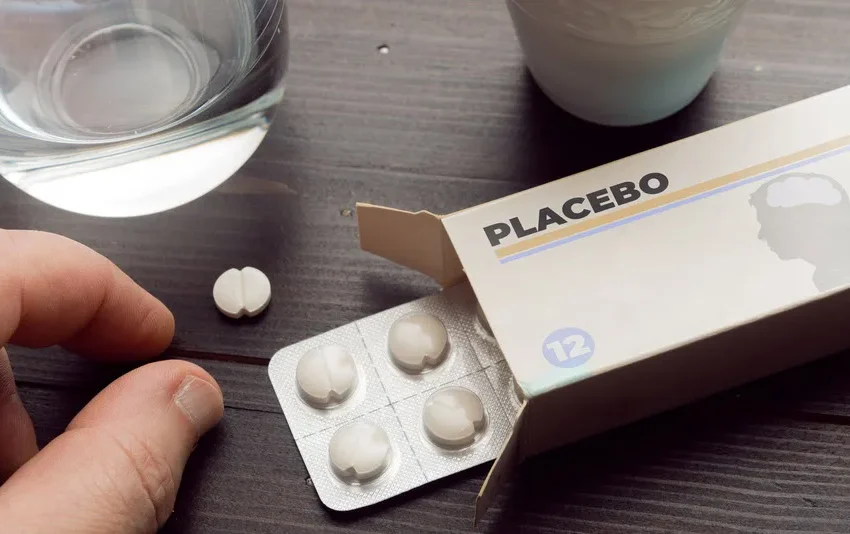
What Is the Placebo Effect? The Science Behind Healing
Have you ever felt better after taking a treatment, only to discover that the treatment itself had no active medical ingredient? This surprising experience is connected to the fascinating placebo effect, a phenomenon that has changed how scientists understand the relationship between the mind and body.
The placebo effect demonstrates that expectations, emotions, and beliefs can influence how people experience symptoms and recovery. While it does not mean that imagination alone can cure every illness, research shows that the brain plays a powerful role in pain perception, stress responses, and overall wellbeing.
In this article, we will explore what is the placebo effect, how it works, why it affects patient recovery, and how healthcare professionals use this knowledge to improve patient experiences. Understanding this connection helps us see medicine from a broader perspective — where biology, psychology, and human connection work together.
Understanding the Placebo Effect and Its Role in Medicine
The placebo effect refers to a measurable improvement in symptoms that occurs after a person receives a treatment without an active therapeutic ingredient. The improvement often happens because the patient believes the treatment will help. This belief can trigger real biological changes in the body.
For example, a person experiencing mild pain may receive a pill that contains no medication but believes it is a powerful painkiller. In some cases, the person may report reduced pain because the brain begins responding as if healing support has been provided.
However, the placebo effect is not simply “thinking positively.” It involves complex interactions between the brain, nervous system, hormones, and immune responses. Scientists have found that expectations can influence the release of natural chemicals such as endorphins, which help reduce pain.
The placebo effect has become an important topic in medical research because it shows that healthcare is not only about medications and procedures. The patient’s emotions, relationship with doctors, and understanding of their treatment can also influence outcomes.
What Is the Placebo Effect and Why Does It Happen?
Many people ask, what is the placebo effect and why can something inactive create real changes? The answer involves the brain’s ability to predict and prepare for experiences.
The human brain constantly creates expectations about what will happen next. When someone strongly believes a treatment will work, the brain may activate natural healing pathways. This is similar to how stress can create physical symptoms such as headaches, stomach discomfort, or muscle tension.
The placebo response can involve several factors:
- Expectation: Believing that improvement will happen.
- Conditioning: The brain connecting a treatment experience with previous healing.
- Trust: Confidence in a healthcare professional or treatment process.
- Emotional state: Reduced anxiety and increased feelings of safety.
For instance, when a patient enters a hospital and receives compassionate care, the feeling of being supported may reduce stress hormones. This calmer state can improve how the person experiences symptoms.
The Science Behind How the Placebo Effect Works
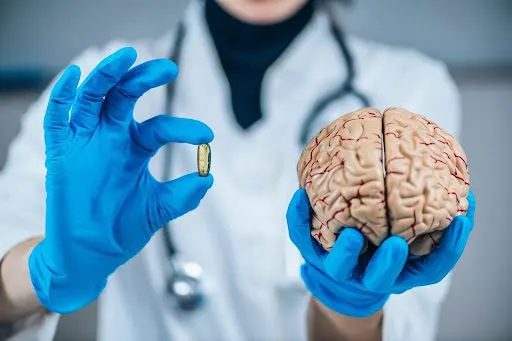
The science behind the placebo effect combines psychology, neuroscience, and biology. Researchers have discovered that the brain is not just a control center for thoughts; it actively communicates with almost every system in the body.
When a person expects relief, specific areas of the brain involved in pain, emotions, and reward can become active. Studies using brain imaging have shown changes in brain activity during placebo responses, especially in areas responsible for processing pain signals.
One important discovery is the role of neurotransmitters. These chemical messengers allow communication between brain cells. During a placebo response, the brain may release substances that influence mood, pain, and stress.
For example, placebo pain relief can involve the release of endorphins, the body’s natural pain-reducing chemicals. Other studies have shown involvement of dopamine pathways, which are connected to motivation and reward.
This does not mean that placebos create imaginary results. Instead, they demonstrate that the brain can influence real physical experiences.
The Relationship Between the Brain, Emotions, and Physical Healing
The connection between emotions and health has been recognized for centuries, but modern science has provided deeper explanations.
When people feel anxious or afraid, the body can enter a stress state. Heart rate increases, muscles tighten, and stress hormones rise. Over time, chronic stress can negatively affect sleep, immunity, and recovery.
On the other hand, feelings of confidence and safety can support healthier responses. This is why a positive healthcare environment may influence patient recovery.
Consider two patients receiving the same medical procedure. One patient feels informed, supported, and confident. The other feels confused and fearful. Their physical treatments may be identical, but their experiences and recovery processes may differ.
The placebo effect highlights the importance of treating the whole person, not only the disease.
How the Placebo Effect Influences Patient Recovery
The influence of the placebo effect on patient recovery can be seen in many areas of healthcare, especially pain management, mental health, and symptom control.
Pain is one of the most studied areas because it is not only a physical sensation. Pain is also influenced by emotions, memories, attention, and expectations.
When patients expect pain relief, the brain may reduce the intensity of pain signals. This does not remove the original injury or illness, but it can change how strongly the person experiences discomfort.
For example, research on placebo treatments has shown improvements in conditions involving:
- Chronic pain
- Headaches
- Depression symptoms
- Fatigue
- Sleep problems
- Digestive discomfort
However, the placebo effect varies from person to person. Some individuals experience strong responses, while others notice little difference.
The effect is usually stronger when:
- The patient trusts the healthcare provider.
- The treatment environment feels supportive.
- The person expects positive results.
- The condition involves symptoms influenced by the nervous system.
Psychological Factors That Strengthen the Placebo Effect

The human mind plays a major role in how people experience illness and recovery. The placebo effect is strongly connected to psychological factors such as belief, confidence, and emotional support.
A doctor’s communication style can influence patient expectations. When healthcare providers explain treatments clearly and create trust, patients often feel more secure.
This does not mean doctors should make unrealistic promises. Instead, honest encouragement and supportive communication can improve the patient experience.
The Importance of Trust Between Patients and Healthcare Providers
Trust is one of the strongest elements connected to placebo responses.
Imagine visiting a doctor who listens carefully, answers questions, and shows genuine concern. Compared with a rushed appointment where you feel ignored, the first experience may create greater confidence and comfort.
A strong doctor-patient relationship can influence:
- Treatment satisfaction
- Stress levels
- Medication adherence
- Emotional wellbeing
Modern healthcare increasingly recognizes that communication is part of effective treatment.
Real Examples of the Placebo Effect in Healthcare
The placebo effect has been observed in many areas of healthcare, making it one of the most interesting topics in medical science. Researchers have studied placebo responses in pain treatment, mental health, surgery, and chronic conditions to understand how expectations influence recovery.
One famous example comes from pain research. Scientists have discovered that when people believe they are receiving pain medication, their brains can activate natural pain-control systems even when the treatment contains no active drug. The brain may release chemicals that reduce discomfort, creating a genuine change in how pain is experienced.
Another example appears in studies involving depression treatments. Some clinical trials show that people receiving placebo treatments can experience improvements in mood and emotional wellbeing. While active medications are still essential for many patients, the placebo response demonstrates that psychological factors can contribute to recovery.
The placebo effect has also been studied in conditions such as irritable bowel syndrome, Parkinson’s disease symptoms, migraines, and sleep disorders. In these cases, researchers have found that expectations and emotional states may influence symptom severity.
However, scientists emphasize that placebo responses do not replace medical treatment. Instead, they reveal another layer of healing — the interaction between medical care and the human mind.
Clinical Trials and Medical Discoveries
Clinical trials use placebos because researchers need to understand whether a new treatment works beyond expectations alone. A new medication is often compared with a placebo group to measure its true effectiveness.
For example, if patients taking a new drug improve, researchers need to know whether the improvement comes from the medication itself or from believing they are receiving effective treatment.
A typical clinical trial may include:
- A group receiving the actual medication.
- A group receiving a placebo.
- Researchers comparing the outcomes between both groups.
This method helps scientists separate the biological effect of a treatment from the psychological impact of receiving care.
The placebo effect has also changed how researchers design studies. Today, scientists consider factors such as patient expectations, doctor communication, and treatment environment because these elements can influence results.
The Difference Between Placebo Effect and Nocebo Effect
While the placebo effect describes positive changes caused by positive expectations, the nocebo effect describes negative effects caused by negative expectations.
The nocebo effect occurs when a person expects something harmful or unpleasant, and that expectation contributes to real symptoms.
For example, if a patient is warned repeatedly about possible side effects of a medication, they may become more likely to notice symptoms such as nausea, dizziness, or discomfort — even if the medication itself is not causing severe problems.
This shows how powerful expectations can be in both directions.
The placebo effect and nocebo effect are like two sides of the same coin. One can support recovery, while the other can increase distress.
How Negative Expectations Can Influence Health
Fear and anxiety can strongly affect the body. When people constantly expect negative outcomes, their stress response may become activated.
Long-term stress can influence:
- Sleep quality
- Energy levels
- Immune function
- Pain sensitivity
- Emotional balance
For example, a person who believes their condition will never improve may experience more stress and notice symptoms more intensely.
Healthcare professionals now focus on communication strategies that provide accurate information without creating unnecessary fear.
The goal is not to hide risks but to explain them in a balanced way.
Can the Placebo Effect Replace Medical Treatment?
A common misunderstanding is that the placebo effect can replace medical treatments. However, this is not supported by scientific evidence.
Placebos cannot eliminate every disease, repair damaged organs, or replace necessary medical interventions. Serious conditions such as infections, cancer, and severe injuries require appropriate medical care.
Instead, the placebo effect works best as a supportive factor alongside evidence-based treatments.
Think of medical treatment as a vehicle that moves a person toward recovery. The placebo effect is like additional energy that helps the journey become easier and more comfortable.
For example, a patient recovering after surgery may benefit from:
- Proper medication
- Physical rehabilitation
- Healthy nutrition
- Emotional support
- Confidence in recovery
The combination of physical treatment and psychological support may create better overall outcomes.
Why Placebo Works Alongside Evidence-Based Medicine
Modern healthcare increasingly recognizes that successful treatment involves more than simply prescribing medication.
Patients are not machines that respond only to chemicals. They are complex human beings with emotions, beliefs, experiences, and fears.
A patient who understands their treatment and feels supported may be more likely to follow medical advice. This can indirectly improve recovery.
The placebo effect reminds healthcare providers that empathy, communication, and trust are valuable parts of medicine.
How Doctors Use Knowledge of the Placebo Effect Today
Doctors today do not simply give inactive treatments to create placebo responses. Instead, they use the knowledge behind the placebo effect to improve patient care.
For example, healthcare professionals may focus on:
- Building strong relationships with patients.
- Explaining treatments clearly.
- Reducing unnecessary anxiety.
- Creating a supportive healing environment.
A positive healthcare experience can influence how patients feel during treatment.
However, ethical concerns are important. Doctors must avoid misleading patients or making false promises. Modern medicine values honesty and informed consent.
Some researchers are also exploring the idea of open-label placebos, where patients are told they are receiving a placebo. Surprisingly, some studies suggest that even when people know a treatment is inactive, they may still experience benefits.
This area of research is still developing, but it challenges traditional ideas about how healing works.
Ethical Approaches in Modern Healthcare
The ethical use of placebo knowledge focuses on improving communication rather than deception.
Healthcare providers can encourage positive expectations by saying things like:
“Many patients experience improvement with this treatment, and we will support you throughout your recovery.”
This approach creates hope while remaining truthful.
The future of healthcare may involve combining medical science with a deeper understanding of human psychology.
The Future of the Placebo Effect in Patient Care
Research into the placebo effect continues to grow as scientists explore the connection between the brain and body.
Future healthcare may include more personalized approaches that consider not only a patient’s physical condition but also their emotional needs and expectations.
Researchers are studying:
- Brain activity during placebo responses.
- How personality influences placebo reactions.
- How doctor-patient communication affects outcomes.
- How technology can improve patient confidence.
As medicine becomes more personalized, understanding the mind-body connection may become increasingly important.
The placebo effect does not challenge modern medicine. Instead, it expands our understanding of healing.
New Research on Mind-Body Medicine
Mind-body medicine explores how thoughts, emotions, and behaviors influence physical health.
Practices such as meditation, stress management, and relaxation techniques are often studied because they may influence nervous system activity.
Although these approaches are not replacements for medical care, they may support recovery when combined with proper treatment.
The placebo effect has helped scientists recognize a simple but powerful idea: the human experience of illness is influenced by both biology and psychology.
Conclusion
The placebo effect reveals one of the most fascinating connections between the mind and the body. It shows that expectations, emotions, and relationships can influence how people experience symptoms and recovery.
While placebos cannot replace medical treatments, they demonstrate that healing involves more than medications alone. The way patients feel, understand their condition, and connect with healthcare providers can make a meaningful difference.
Modern medicine continues to discover that compassionate care and scientific treatment work best together. The future of healthcare may not only focus on treating diseases but also on understanding the complete human experience behind every patient.
The placebo effect reminds us that the brain is an important part of the healing process. When science and human connection come together, patient care becomes more powerful.
Frequently Asked Questions
What is an example of a placebo effect?
A common example is a person feeling less pain after taking a pill with no active medicine because they believe it is a real painkiller.
Is the placebo effect a real thing?
Yes. Scientific research shows that the placebo effect can create measurable changes in how people experience symptoms, especially pain and stress-related conditions.
How do I know if I got a placebo?
In clinical trials, researchers usually tell participants whether they received a placebo after the study ends. In regular healthcare, patients are normally informed about their treatments.
How to explain placebo to a child?
You can explain it by saying: “Sometimes your brain can help your body feel better when you believe something will help you.”
What is another name for placebos?
Another term for a placebo is an inactive treatment or dummy treatment, although researchers usually use the word placebo.
⭐ Make MindLiva Your Preferred Source on Google
Get trusted health, wellness, and lifestyle articles from MindLiva.
Add MindLiva
Samie Babaei is a medical science student at Shahid Beheshti University of Medical Sciences with a strong interest in health, wellness, and medical research. As a health writer and researcher at MindLiva, she focuses on creating clear, evidence-based content that helps readers better understand health and well-being.