



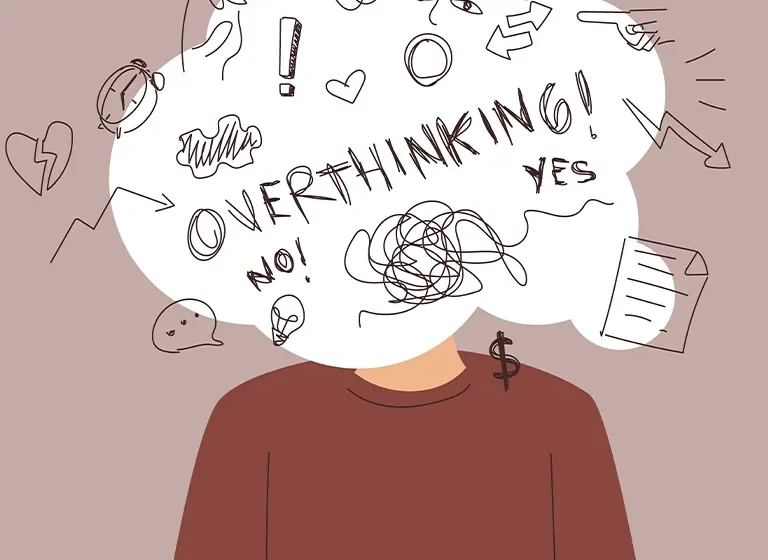
How to Stop Overthinking Techniques That Actually Work
Have you ever replayed the same conversation in your head dozens of times or worried about something that hasn’t even happened yet? If so, you’re not alone. Overthinking is one of the most common mental habits people struggle with today, especially in a fast-paced digital world filled with constant information and pressure.
The problem with overthinking is that it often feels productive when it really isn’t. Instead of helping us solve problems, it keeps us trapped in cycles of worry, doubt, and mental exhaustion. The good news is that overthinking can be managed and reduced with the right techniques and habits.
In this guide, you’ll discover practical how to stop overthinking techniques, understand why overthinking happens, and learn actionable methods to regain control of your thoughts and reduce stress naturally.
Read also: How to Build Healthy Daily Habits for Better Mental Wellness
Why Overthinking Happens
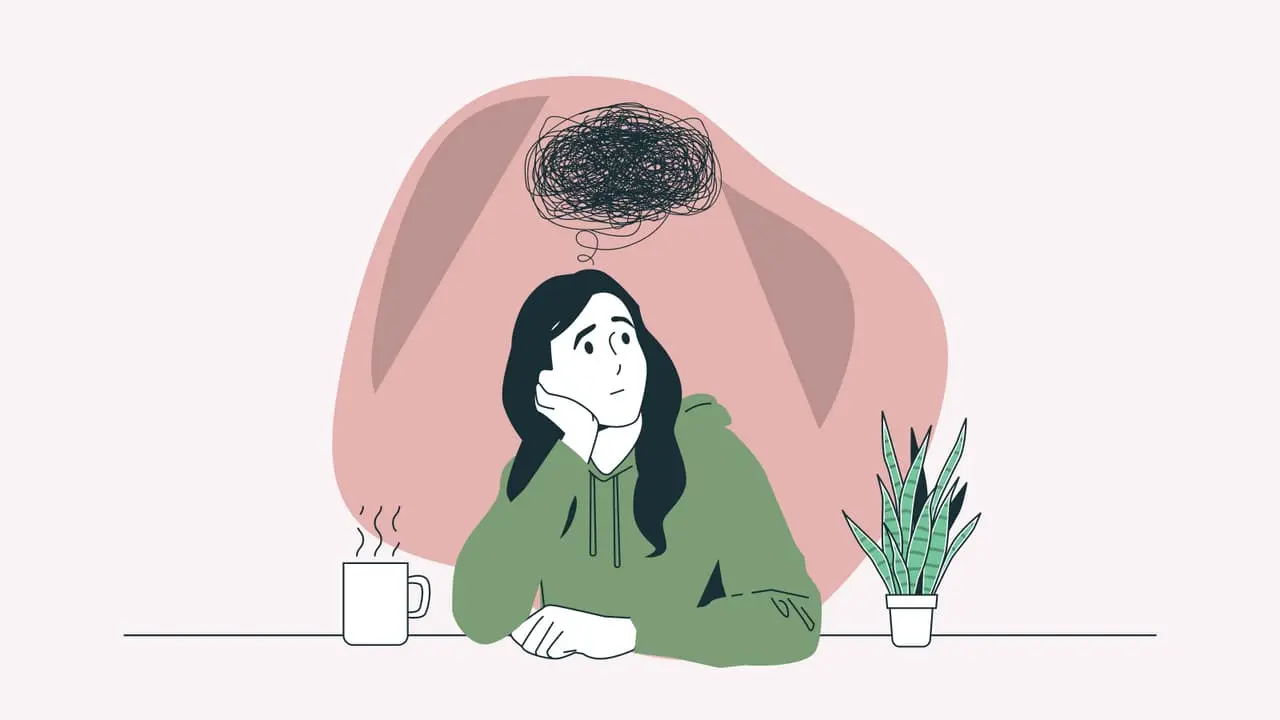
Overthinking often starts as an attempt to gain control over uncertainty. Our brains are naturally wired to identify risks and solve problems. However, when this process becomes excessive, it transforms into repetitive thinking that creates stress instead of solutions.
People commonly overthink because of:
- Fear of failure
- Perfectionism
- Anxiety
- Low self-confidence
- Past negative experiences
- Major life changes
For example, someone preparing for a job interview may repeatedly imagine worst-case scenarios. Rather than helping them prepare, these thoughts increase nervousness and reduce confidence.
Understanding the root cause of overthinking is the first step toward breaking the cycle.
How Overthinking Affects Your Mental Health
The effects of overthinking go far beyond temporary stress. Research consistently shows that chronic rumination is linked to anxiety, depression, sleep disturbances, and reduced life satisfaction.
Mental Consequences
When the brain is constantly analyzing, it rarely gets an opportunity to rest. This mental overload can result in:
- Increased stress levels
- Difficulty concentrating
- Emotional exhaustion
- Reduced productivity
- Persistent worry
Physical Consequences
The body also reacts to excessive thinking.
Common symptoms include:
- Headaches
- Muscle tension
- Fatigue
- Digestive discomfort
- Sleep problems
Many people searching for how to improve mental health? eventually discover that reducing overthinking plays a major role in achieving emotional balance.
Recognizing the Signs of Overthinking
Before applying solutions, it’s important to recognize whether you’re truly overthinking.
Common warning signs include:
- Constantly replaying past events.
- Worrying excessively about future outcomes.
- Struggling to make simple decisions.
- Assuming negative outcomes without evidence.
- Feeling mentally exhausted after thinking.
If these behaviors sound familiar, it’s time to explore practical solutions.
How to Stop Overthinking Techniques That Work
1. Practice Awareness of Your Thoughts
The first step is noticing when overthinking starts.
Many people become so accustomed to repetitive thinking that they don’t realize they’re doing it. Awareness acts like a spotlight that exposes unhelpful mental patterns.
The next time you catch yourself stuck in endless analysis, simply pause and ask:
“Am I solving a problem or repeating a worry?”
This small question can interrupt the cycle immediately.
2. Use the Five-Minute Rule
One of the simplest how to stop overthinking techniques is setting a time limit.
Give yourself five minutes to think about a problem. Once the timer ends, shift your attention toward action.
This technique prevents the mind from spiraling into endless scenarios.
For example, instead of spending hours debating whether to send an email, review it once, make necessary edits, and send it.
Action often breaks the overthinking loop.
Mindfulness as a Powerful Solution
Focus on the Present Moment
Overthinking usually pulls us into the past or future.
Mindfulness brings us back to the present.
Simple mindfulness exercises include:
- Deep breathing
- Body scans
- Mindful walking
- Guided meditation
Even five minutes of mindful breathing can calm racing thoughts.
How to Stop Overthinking Strategies for Daily Life
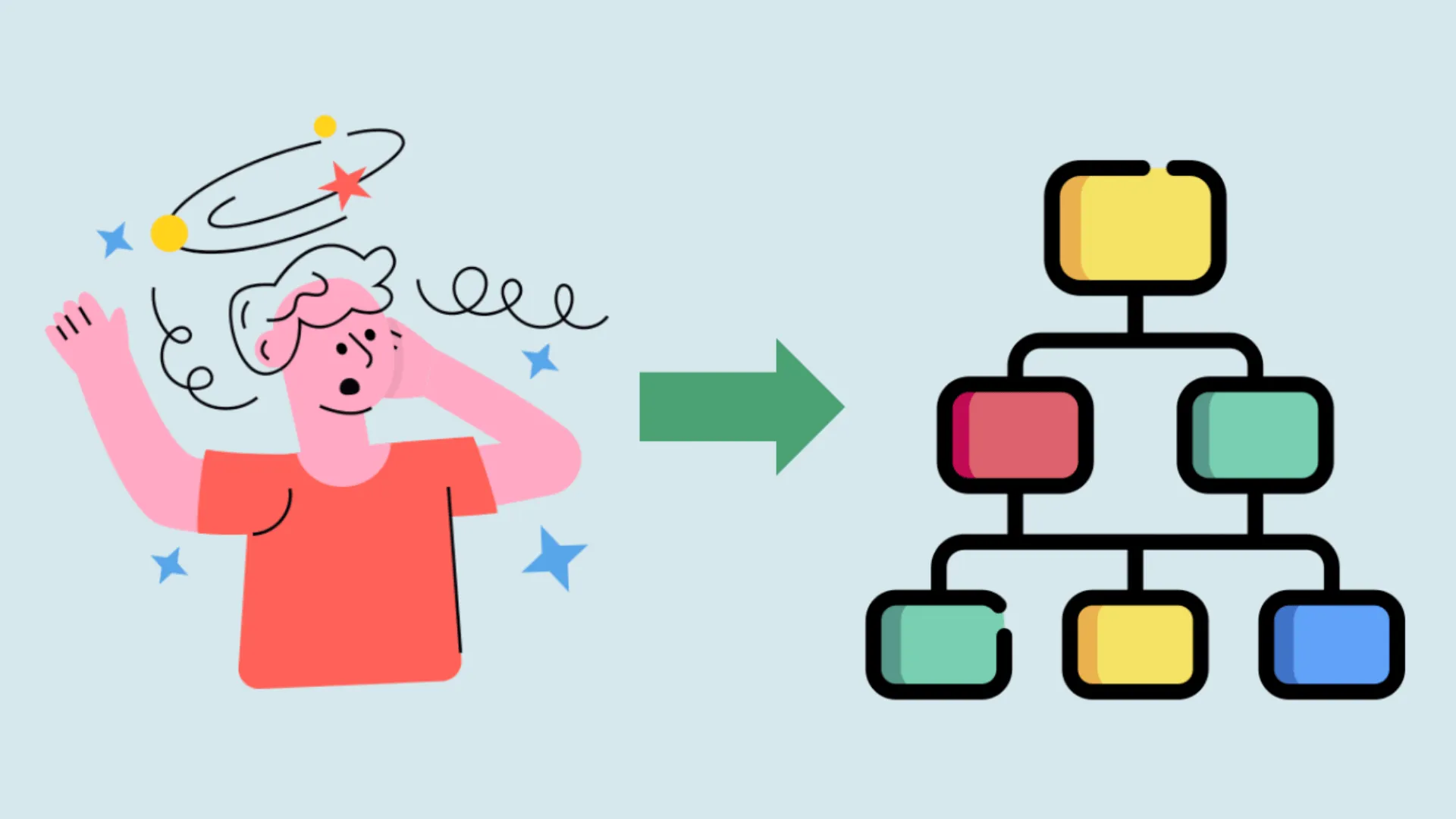
Create a Brain Dump Journal
Writing thoughts on paper helps reduce mental clutter.
When worries remain inside your mind, they tend to grow larger than they really are. Journaling creates distance between you and your thoughts.
Try writing:
- Current worries
- Possible solutions
- Things within your control
- Things outside your control
This simple exercise often reveals that many concerns are unnecessary.
Separate Facts from Assumptions
Overthinkers frequently confuse assumptions with reality.
Consider this example:
Fact: Your friend hasn’t replied for two hours.
Assumption: They are angry with you.
The mind fills information gaps with negative stories.
By identifying facts separately from assumptions, you create a more balanced perspective.
The Power of Physical Activity
Exercise is one of the most effective tools for reducing overthinking.
Physical movement lowers stress hormones and increases mood-enhancing chemicals such as endorphins.
Best Activities for Reducing Mental Noise
| Activity | Benefit |
| Walking | Clears the mind |
| Running | Reduces stress |
| Yoga | Combines movement and mindfulness |
| Cycling | Improves focus |
| Strength Training | Releases tension |
Even a 20-minute walk can significantly improve mental clarity.
Challenging Negative Thought Patterns

Ask Better Questions
Instead of asking:
“What if everything goes wrong?”
Ask:
“What evidence supports this fear?”
This shift encourages logical thinking rather than emotional speculation.
Reframe the Situation
Consider setbacks as opportunities for learning rather than proof of failure.
For example:
“I made a mistake” becomes “I learned something valuable.”
This mindset reduces the emotional impact of negative experiences.
Reducing Digital Overload
Modern technology contributes significantly to overthinking.
Constant notifications, endless scrolling, and information overload keep the brain in a state of stimulation.
Healthy Digital Habits
- Turn off unnecessary notifications.
- Schedule social media breaks.
- Avoid doomscrolling before bedtime.
- Create phone-free periods during the day.
These small changes can dramatically reduce mental clutter.
The Importance of Quality Sleep
Sleep and overthinking often create a vicious cycle.
Overthinking interferes with sleep, while lack of sleep increases anxious thinking.
Better Sleep Practices
- Maintain a consistent bedtime.
- Limit caffeine in the evening.
- Keep screens out of the bedroom.
- Use relaxation techniques before sleep.
A well-rested brain processes emotions more effectively and is less likely to engage in repetitive thinking.
Building a Healthy Mental Environment
Your environment influences your thoughts more than you may realize.
Surrounding yourself with positive influences can reduce stress and improve mental resilience.
Helpful practices include:
- Spending time in nature
- Connecting with supportive people
- Reading uplifting content
- Practicing gratitude
Think of your mind like a garden. The thoughts you water grow stronger.
Comparing Helpful vs Harmful Thinking
| Healthy Thinking | Overthinking |
| Leads to solutions | Leads to worry |
| Focuses on facts | Focuses on assumptions |
| Encourages action | Causes paralysis |
| Short-term reflection | Endless repetition |
| Supports growth | Increases stress |
Understanding this distinction helps identify when thinking becomes counterproductive.
When to Seek Professional Support
Sometimes overthinking becomes severe enough to interfere with daily life.
Consider speaking with a mental health professional if:
- Worry feels uncontrollable.
- Anxiety affects relationships.
- Sleep problems persist.
- Stress impacts work performance.
Professional guidance can provide personalized tools and coping strategies.
Conclusion
Overthinking is a habit that can quietly consume energy, confidence, and peace of mind. The encouraging news is that it isn’t permanent. By practicing mindfulness, challenging negative thoughts, journaling, exercising regularly, and applying effective how to stop overthinking techniques, you can gradually regain control of your mental space.
Small changes often create the biggest results. You don’t need to eliminate every anxious thought. Instead, focus on responding to those thoughts differently. Over time, these healthier responses become habits, and those habits build a calmer, more resilient mindset.
The next time you catch yourself spiraling into endless analysis, remember this: progress comes from action, not perfection.
FAQs
What are the best how to stop overthinking techniques?
Mindfulness, journaling, exercise, deep breathing, and challenging negative thoughts are among the most effective techniques for reducing overthinking.
Why do I overthink everything?
Overthinking is often linked to anxiety, perfectionism, fear of failure, or a desire to control uncertain situations.
Can overthinking cause physical symptoms?
Yes. Overthinking can contribute to headaches, muscle tension, fatigue, digestive issues, and sleep problems.
How long does it take to stop overthinking?
The timeline varies. Many people notice improvements within a few weeks of consistently practicing healthy mental habits.
Are how to stop overthinking strategies effective for anxiety?
Yes. Many overthinking strategies also help reduce anxiety because they encourage present-moment awareness and healthier thinking patterns.
⭐ Make MindLiva Your Preferred Source on Google
Get trusted health, wellness, and lifestyle articles from MindLiva.
Add MindLiva
Samie Babaei is a medical science student at Shahid Beheshti University of Medical Sciences with a strong interest in health, wellness, and medical research. As a health writer and researcher at MindLiva, she focuses on creating clear, evidence-based content that helps readers better understand health and well-being.