



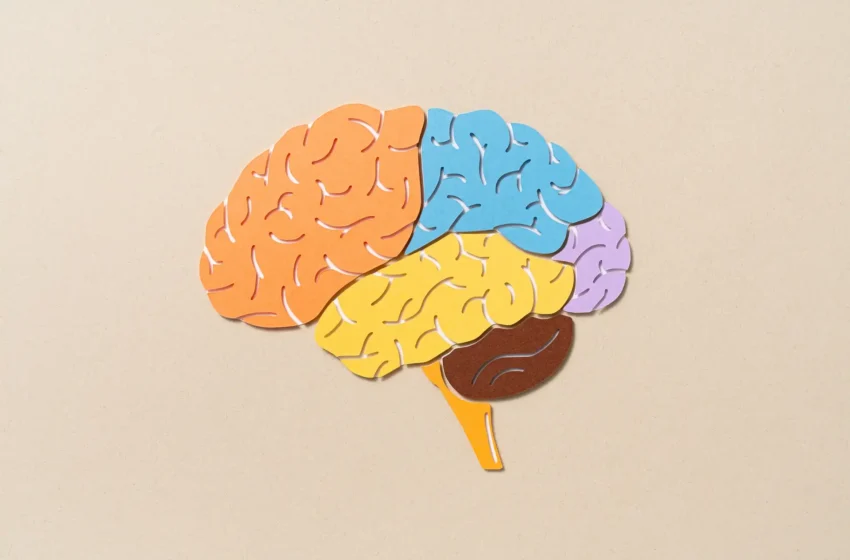
How to Improve Mental Health? Natural Ways That Really Work
Have you ever wondered why some days you wake up feeling motivated and energetic, while other days even the smallest task feels overwhelming? Almost everyone experiences emotional ups and downs, but maintaining good mental health is about much more than simply feeling happy. It involves building resilience, managing stress, developing healthy habits, and knowing when to ask for help.
Learning how to improve mental health? is one of the most valuable investments you can make in yourself. Mental well-being influences your relationships, work performance, physical health, and overall quality of life. Small daily choices often have a greater impact than dramatic life changes. Throughout this guide, you’ll learn practical, evidence-based strategies that fit easily into everyday life and help you build a healthier mind over time.
Why Mental Health Matters More Than Ever
Mental health has become one of the biggest public health concerns around the world. Modern life brings constant notifications, financial worries, busy schedules, and social pressures that can slowly increase stress levels without us even realizing it. At the same time, more people are openly discussing anxiety, depression, and emotional well-being than ever before. This growing awareness is helping reduce stigma and encouraging individuals to seek support before problems become overwhelming.
According to global health organizations, hundreds of millions of people experience mental health conditions each year. The encouraging news is that many everyday habits can significantly improve emotional well-being. Simple actions such as regular exercise, quality sleep, healthy eating, meaningful social connections, and mindfulness have all been shown to support better mental health. Improving your mental health doesn’t mean eliminating every stressful situation—it means becoming stronger and more capable of handling life’s challenges.
The Growing Mental Health Challenge
Today’s digital world offers incredible convenience, but it also creates new pressures. Social media comparisons, endless work emails, and constant news updates can leave people feeling mentally exhausted. Young adults, professionals, parents, and older adults all face different challenges, yet they share one common need: maintaining emotional balance.
Many experts explain that mental health should be treated just like physical health. Just as we brush our teeth daily to prevent problems, we should also practice habits that strengthen our emotional well-being before difficulties become serious.
Why Early Action Makes a Difference
Ignoring emotional struggles rarely makes them disappear. Instead, stress often builds gradually until it affects sleep, relationships, concentration, and physical health. Recognizing early warning signs allows people to take positive action before problems become more severe.
Even small improvements matter. Spending twenty minutes walking outdoors, talking with a trusted friend, or taking a short break from technology may seem simple, but these actions create positive momentum that grows over time.
How to Improve Mental Health? Understanding the Basics
Before exploring practical strategies, it’s important to understand what mental health actually means. Good mental health isn’t about being happy every minute of the day. Instead, it’s about having the ability to cope with challenges, recover from setbacks, maintain healthy relationships, and continue growing despite difficulties.
Many different factors influence emotional well-being. Genetics, family environment, physical health, finances, relationships, work conditions, and daily habits all play important roles. Fortunately, while we cannot control every circumstance, we can control many lifestyle choices that strengthen our mental resilience.
What Affects Mental Health?
Several key factors influence mental well-being:
| Factor | Impact |
| Sleep | Improves mood, focus, and emotional regulation |
| Exercise | Releases endorphins and reduces stress |
| Nutrition | Supports brain function |
| Social Support | Lowers feelings of loneliness |
| Stress Management | Prevents burnout |
| Purpose | Increases life satisfaction |
These factors work together rather than separately. Improving even one area often creates positive changes in several others.
Common Warning Signs
Everyone experiences stress occasionally, but persistent emotional changes deserve attention. Common warning signs include ongoing sadness, irritability, loss of motivation, changes in appetite, poor concentration, social withdrawal, difficulty sleeping, or feeling hopeless. Recognizing these signs early allows individuals to seek support before symptoms become more serious.
One important reminder is that seeking professional help is a sign of strength—not weakness. Mental health professionals have the training and tools to help people develop healthier coping strategies and improve overall well-being.
Daily Habits That Improve Mental Health
If you’re wondering how to improve mental health?, the answer often starts with your daily routine rather than a major life change. Small, consistent habits can reshape how your brain responds to stress and help you feel more balanced over time. Think of mental health like a garden—it thrives when it receives regular care. Watering a plant once a month won’t keep it healthy, and the same is true for your mind. Daily habits, even simple ones, create a strong foundation for emotional well-being.
Research consistently shows that healthy routines improve mood, reduce anxiety, and increase resilience. These habits also help regulate hormones that influence sleep, energy, and emotions. While every person is different, developing a few positive routines can make a noticeable difference within weeks. The key is consistency rather than perfection.
Prioritize Quality Sleep
Sleep is one of the most powerful tools for protecting mental health. During sleep, the brain processes memories, restores energy, and regulates emotions. Even one night of poor sleep can increase stress, reduce concentration, and make everyday challenges feel much bigger than they really are.
Adults should aim for 7–9 hours of quality sleep each night. Creating a relaxing bedtime routine can improve both the quantity and quality of sleep. Try turning off electronic devices an hour before bed, keeping your bedroom cool and dark, and maintaining the same sleep schedule every day—even on weekends.
If racing thoughts keep you awake, writing them down in a journal before bedtime can help clear your mind. Many people also find that reading a book or practicing gentle breathing exercises helps them relax naturally.
Eat Foods That Support Brain Health

Your brain needs proper nutrition to function at its best. A balanced diet supports memory, focus, and emotional stability. Foods rich in omega-3 fatty acids, antioxidants, vitamins, and minerals have been linked to better mental well-being.
Some excellent brain-friendly foods include:
- Fatty fish such as salmon and sardines
- Leafy green vegetables
- Berries
- Nuts and seeds
- Whole grains
- Eggs
- Yogurt
- Beans and lentils
Highly processed foods, sugary drinks, and excessive alcohol may negatively affect mood and energy when consumed regularly. That doesn’t mean you need a perfect diet. Instead, focus on making healthier choices most of the time.
How to Improve Gut Health for Mental Health
Scientists continue to discover fascinating connections between the digestive system and the brain. This relationship, often called the gut-brain axis, explains why digestive health can influence mood, stress levels, and even anxiety.
Learning how to improve gut health for mental health starts with eating more fiber-rich fruits and vegetables, fermented foods like yogurt and kefir, and drinking enough water throughout the day. These foods support beneficial gut bacteria, which may help produce chemicals involved in mood regulation. While gut health is only one piece of the puzzle, taking care of your digestive system can contribute to better overall mental well-being.
Move Your Body Every Day
Exercise is one of the most effective natural mood boosters available. Physical activity releases endorphins—often called the body’s “feel-good” chemicals—which help reduce stress and improve mood. Regular movement also lowers inflammation, supports better sleep, and increases self-confidence.
The good news is that you don’t need an intense workout to experience benefits. Walking, cycling, dancing, swimming, yoga, or even gardening can all improve mental health. Aim for at least 150 minutes of moderate physical activity each week, but remember that every bit of movement counts.
Many people notice that even a 20-minute walk outdoors helps clear their mind and reduce anxious thoughts. Nature adds another layer of benefit by lowering stress hormones and encouraging mindfulness.
Practical Stress Management Techniques

Stress is a normal part of life, but chronic stress can affect both the mind and body. Learning to manage stress doesn’t mean avoiding challenges—it means responding to them in healthier ways.
One of the simplest ways to reduce stress is by creating moments of calm throughout the day. These moments don’t have to be long. Even five minutes of focused breathing or quiet reflection can reset your nervous system.
Practice Mindfulness
Mindfulness means paying attention to the present moment without judging it. Instead of worrying about tomorrow or replaying yesterday’s mistakes, mindfulness encourages you to focus on what is happening right now.
You can practice mindfulness while walking, eating, drinking tea, or simply sitting quietly. Notice your breathing, the sounds around you, or the feeling of your feet touching the ground. Over time, this practice can reduce anxiety, improve focus, and increase emotional resilience.
Many beginners believe mindfulness requires emptying the mind completely, but that’s not true. The goal is simply to notice your thoughts without becoming overwhelmed by them.
Breathing Exercises That Calm the Mind
Deep breathing activates the body’s relaxation response. When you’re stressed, your breathing often becomes shallow and fast. Slowing it down sends a signal to your brain that you are safe.
A simple breathing technique is:
- Breathe in slowly for four seconds.
- Hold your breath for four seconds.
- Exhale gently for six seconds.
- Repeat for five minutes.
This exercise can help reduce tension before meetings, exams, or difficult conversations.
How to Stop Overthinking Techniques
Overthinking can trap people in an endless cycle of worry. The more you analyze every possibility, the harder it becomes to take action. Fortunately, there are effective how to stop overthinking techniques that can help break this pattern.
One helpful strategy is setting a “worry time.” Instead of worrying all day, choose a specific 15-minute period to think about your concerns. When anxious thoughts appear outside that time, remind yourself you’ll address them later. Surprisingly, many worries lose their intensity before that scheduled time even arrives.
Another effective technique is asking yourself whether your thought is based on facts or assumptions. This simple question often reveals that many fears are predictions rather than reality.
How to Stop Overthinking Tips
Some practical how to stop overthinking tips include:
- Write your thoughts in a journal.
- Focus on actions instead of possibilities.
- Limit excessive social media use.
- Practice gratitude every day.
- Spend more time outdoors.
- Talk with someone you trust.
- Replace perfectionism with progress.
These small habits gradually train your brain to respond more calmly when stressful thoughts appear.
Simple How to Improve Mental Health Tips
Everyone’s mental health journey is different, but several universal habits consistently support emotional well-being. These how to improve mental health tips are easy to start today:
- Create a consistent morning routine.
- Stay physically active.
- Drink enough water.
- Spend time with supportive people.
- Limit screen time before bed.
- Celebrate small achievements.
- Practice gratitude every evening.
- Learn something new each week.
- Spend time in nature regularly.
- Ask for professional help when needed.
Rather than trying every suggestion at once, choose one or two habits and build from there. Lasting improvement comes from steady progress rather than dramatic changes.
Building Strong Relationships for Better Mental Health
If you are searching for how to improve mental health?, don’t overlook the importance of human connection. People are naturally social, and meaningful relationships can provide comfort during difficult times. Talking with someone you trust can ease stress, reduce feelings of loneliness, and help you see problems from a different perspective.
Healthy relationships are built on respect, honesty, and communication. You don’t need dozens of close friends to enjoy these benefits. Even one supportive family member, friend, or mentor can make a significant difference. Spending quality time with loved ones, sharing meals, or simply checking in through a phone call can strengthen emotional well-being.
At the same time, setting healthy boundaries is just as important. Constantly saying “yes” to every request can lead to burnout and resentment. Learning to protect your time and energy allows you to care for yourself while maintaining positive relationships with others.
How to Improve Mental Health of Teachers
Teaching is one of the most rewarding professions, but it is also one of the most demanding. Long working hours, lesson planning, grading, classroom management, and supporting students emotionally can create significant stress. Understanding how to improve mental health of teachers is essential for both educators and the schools that support them.
Teachers can protect their mental well-being by setting realistic expectations, taking regular breaks, and maintaining a healthy work-life balance. Schools also play an important role by encouraging peer support, offering mental health resources, and creating a positive workplace culture. Small changes—such as reducing unnecessary administrative tasks or providing time for collaboration—can help teachers feel more valued and less overwhelmed.
Outside the classroom, hobbies, exercise, and spending time with family or friends can help teachers recharge. Remember, taking care of yourself is not selfish; it allows you to show up as your best self for your students.
How to Improve Mental Health of Employees
The workplace has a major impact on emotional well-being. High workloads, tight deadlines, and poor communication can increase stress and reduce job satisfaction. That’s why organizations are increasingly focusing on how to improve mental health of employees.
Employers can support their teams by promoting open communication, encouraging regular breaks, offering flexible work arrangements when possible, and providing access to mental health resources. Employees also have a role to play by organizing their workload, taking lunch breaks away from their desks, and avoiding the habit of checking work emails outside office hours.
A mentally healthy workplace benefits everyone. Employees are often more productive, engaged, and creative when they feel supported. Companies also experience lower turnover and stronger teamwork, creating a positive cycle that benefits both individuals and the organization.
How to Improve Mental Health in College

College life is exciting, but it also brings new responsibilities and challenges. Academic pressure, financial concerns, moving away from home, and building new friendships can all affect emotional well-being. Learning how to improve mental health in college can help students enjoy their education while managing stress more effectively.
Students should start by creating a realistic study schedule instead of leaving assignments until the last minute. Breaking large tasks into smaller steps makes them feel more manageable and reduces anxiety. Joining clubs, participating in campus activities, or connecting with classmates can also build a valuable support network.
Most colleges and universities offer counseling services, wellness programs, and peer support groups. Using these resources is a smart decision, not a sign of weakness. Asking for help early can prevent stress from becoming overwhelming and improve both academic performance and personal well-being.
Professional Help Is a Sign of Strength
While healthy habits can greatly improve mental well-being, they are not always enough. If sadness, anxiety, or emotional distress lasts for several weeks or begins to interfere with daily life, it may be time to seek professional support.
Mental health professionals—including psychologists, psychiatrists, counselors, and licensed therapists—can provide evidence-based treatments tailored to individual needs. Depending on the situation, treatment may include therapy, lifestyle changes, medication, or a combination of approaches.
You should consider reaching out for help if you experience:
- Persistent sadness or hopelessness.
- Severe anxiety or panic attacks.
- Loss of interest in activities you once enjoyed.
- Difficulty sleeping for an extended period.
- Thoughts of harming yourself or feeling that life is not worth living.
Seeking help early often leads to better outcomes and faster recovery. Mental health deserves the same care and attention as physical health.
Conclusion
Learning how to improve mental health? is an ongoing journey rather than a destination. Good mental health grows through consistent daily choices, supportive relationships, balanced nutrition, regular exercise, quality sleep, and effective stress management. These habits may seem simple, but their combined effect can be life-changing over time.
Remember that everyone faces challenges, and asking for help is a sign of courage—not weakness. Whether you begin by taking a short walk, talking to a trusted friend, practicing mindfulness, or reaching out to a mental health professional, every positive step counts. Investing in your mental well-being today can improve every area of your life tomorrow.
Frequently Asked Questions
What are 5 ways to improve mental health?
Five effective ways include getting enough sleep, exercising regularly, eating a balanced diet, maintaining strong social connections, and practicing mindfulness or relaxation techniques consistently.
What is the 3 3 3 rule for mental health?
The 3-3-3 rule is a simple grounding technique for anxiety. Name three things you can see, three sounds you can hear, and move three parts of your body. It helps bring your attention back to the present moment.
How to overcome mental health problems?
Recovery often involves a combination of healthy lifestyle habits, emotional support from trusted people, stress management, and professional treatment when needed. Early intervention usually leads to better outcomes.
What is serious mental illness?
Serious mental illness refers to conditions that significantly interfere with daily functioning. Examples include schizophrenia, bipolar disorder, and severe major depressive disorder. These conditions often require ongoing professional care.
What are the top 10 worst mental illnesses?
There is no official ranking because every mental illness affects people differently. Conditions commonly considered severe include schizophrenia, bipolar disorder, major depressive disorder, obsessive-compulsive disorder (OCD), post-traumatic stress disorder (PTSD), borderline personality disorder, eating disorders, severe anxiety disorders, substance use disorders, and psychotic disorders.
⭐ Make MindLiva Your Preferred Source on Google
Get trusted health, wellness, and lifestyle articles from MindLiva.
Add MindLiva
Samie Babaei is a medical science student at Shahid Beheshti University of Medical Sciences with a strong interest in health, wellness, and medical research. As a health writer and researcher at MindLiva, she focuses on creating clear, evidence-based content that helps readers better understand health and well-being.