



Symptoms of High Bad Cholesterol You Should Know
Have you ever wondered if your body is trying to warn you about high cholesterol? The truth is that millions of people live with unhealthy cholesterol levels without realizing it. By the time symptoms appear, cholesterol may already be affecting the heart and blood vessels.
Learning about the symptoms of high bad cholesterol is one of the smartest steps you can take for your health. While high cholesterol usually develops silently, there are warning signs that should never be ignored. Understanding these signs can help you seek medical advice before serious complications develop.
In this guide, you’ll learn how cholesterol affects your body, what warning signs to watch for, who is most at risk, and the best ways to protect your heart. You’ll also discover expert advice, practical examples, and trusted health recommendations to help you make informed decisions.
What Is High Bad Cholesterol?
Cholesterol is a waxy substance found in every cell of your body. It helps produce hormones, vitamin D, and substances that digest food. However, not all cholesterol is the same.
There are two main types:
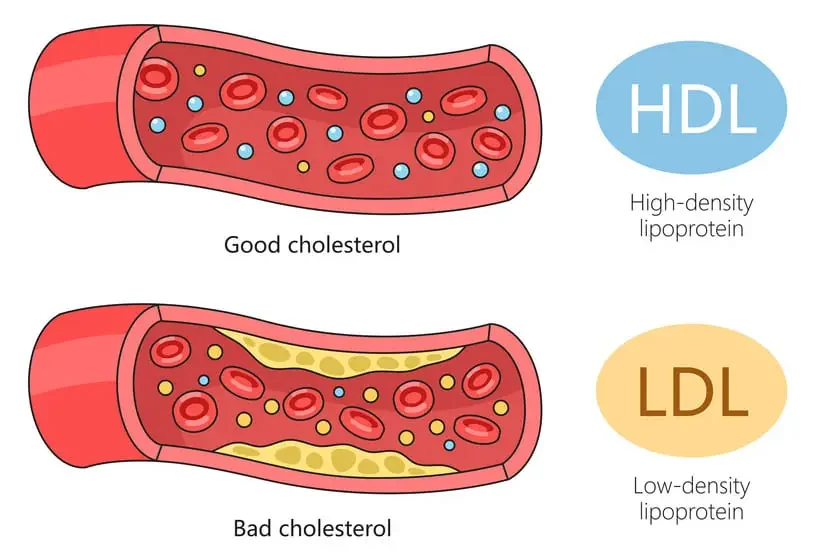
- LDL (Low-Density Lipoprotein): Often called bad cholesterol because it builds up inside arteries.
- HDL (High-Density Lipoprotein): Known as good cholesterol because it carries extra cholesterol back to the liver.
When LDL levels become too high, fatty deposits slowly collect inside blood vessels. Over time, these deposits narrow the arteries and reduce blood flow.
According to health experts, high LDL cholesterol is one of the leading risk factors for heart attacks and strokes worldwide.
Why the Symptoms of High Bad Cholesterol Are Easy to Miss
One reason high cholesterol is so dangerous is that it rarely causes obvious symptoms in its early stages.
Instead, plaque gradually builds inside the arteries over many years. During this process, a person may feel completely healthy.
Common Symptoms of High Bad Cholesterol
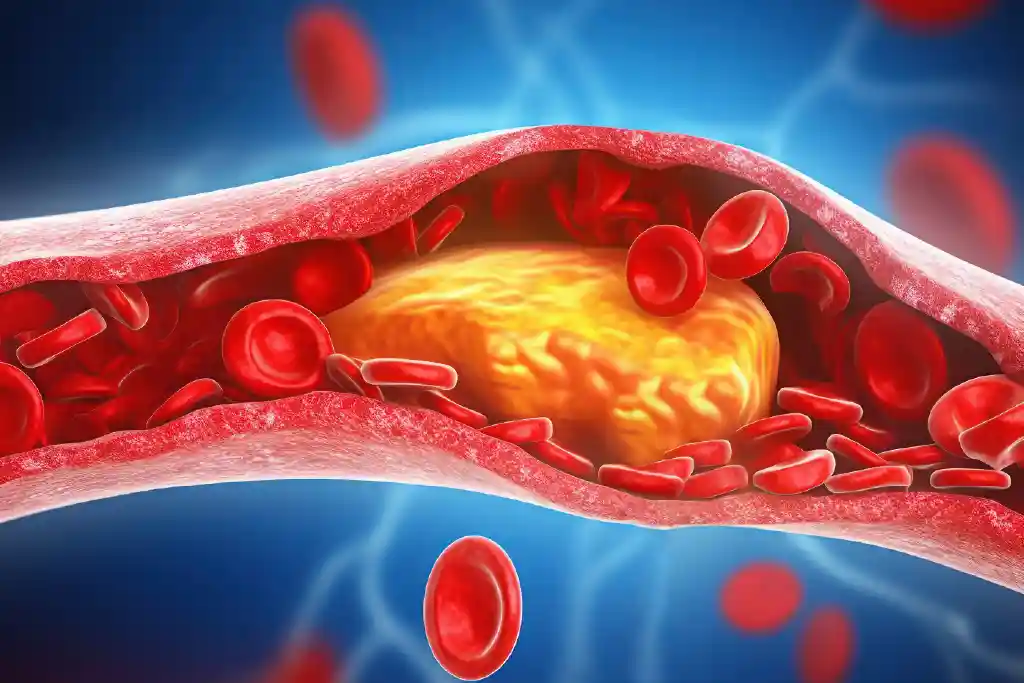
Although high cholesterol itself usually causes no pain, advanced cholesterol buildup can lead to symptoms related to poor blood circulation.
Some warning signs include:
- Chest pain
- Shortness of breath
- Pain while walking
- Fatigue
- Cold feet or hands
- High blood pressure
- Heart attack
- Stroke
These symptoms appear because narrowed arteries cannot deliver enough oxygen-rich blood throughout the body.
Therefore, they should never be ignored.
Chest Pain
Chest pain, also called angina, may develop when cholesterol blocks arteries supplying the heart.
People often describe it as:
- Pressure
- Tightness
- Burning
- Squeezing sensation
The discomfort usually becomes worse during physical activity because the heart needs more oxygen.
Pain in the Legs
Blocked arteries do not only affect the heart.
When cholesterol narrows blood vessels in the legs, walking may become painful.
People often experience:
- Cramping
- Muscle pain
- Weakness
- Pain that improves after resting
This condition is known as peripheral artery disease.
Shortness of Breath
As arteries become narrower, the heart works harder to pump blood.
Consequently, some people notice:
- Difficulty climbing stairs
- Getting tired easily
- Breathlessness during exercise
Although many conditions can cause these symptoms, they should always be evaluated by a healthcare professional.
Stroke Warning Signs
If cholesterol blocks blood flow to the brain, emergency symptoms may develop, including:
- Sudden weakness
- Difficulty speaking
- Vision problems
- Loss of balance
- Severe headache
These symptoms require immediate medical attention.
What Symptoms of High Cholesterol Should You Watch For?
Many people ask what symptoms of high cholesterol should they expect.
Unfortunately, there is no simple answer because cholesterol itself rarely produces direct symptoms.
Instead, doctors focus on signs caused by narrowed arteries, such as:
- Chest discomfort
- Leg pain during walking
- Frequent fatigue
- Poor circulation
- Heart disease
- Stroke symptoms
This is why blood testing remains the most reliable way to diagnose high cholesterol.
What Are the Symptoms of High Cholesterol?
Another common question is, what are the symptoms of high cholesterol?
Medical experts agree that most people experience no symptoms at all until complications occur.
However, advanced artery disease may cause:
- Chest pressure
- Shortness of breath
- Numbness
- Pain in the legs
- Heart attack
- Stroke
Therefore, routine cholesterol screening is much more valuable than waiting for symptoms.
Risk Factors That Increase Bad Cholesterol
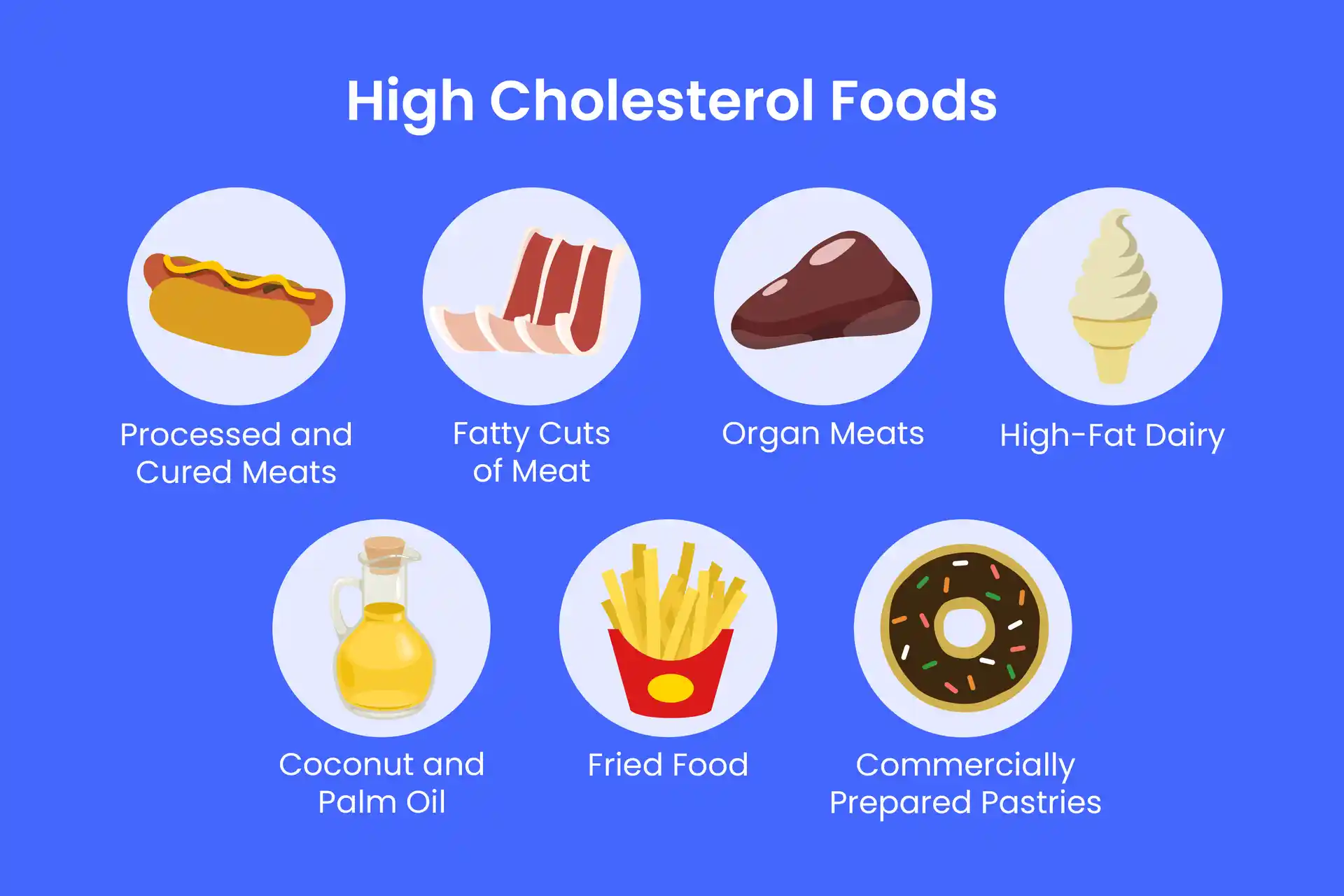
Several everyday habits can increase LDL cholesterol levels.
These include:
1. Poor Diet
Eating too many foods rich in saturated fat, trans fat, and processed sugar raises LDL cholesterol over time.
Examples include:
- Fried foods
- Fast food
- Processed meats
- Butter
- Cakes
- Packaged snacks
2. Lack of Exercise
Physical activity helps increase HDL cholesterol while lowering LDL.
Even a brisk 30-minute walk most days can improve cholesterol levels.
3. Smoking
Smoking damages artery walls, making it easier for cholesterol plaques to form.
Moreover, it lowers protective HDL cholesterol.
4. Excess Body Weight
Being overweight increases the likelihood of:
- High LDL
- High triglycerides
- Low HDL
Fortunately, losing even a small amount of weight can improve cholesterol numbers.
5. Family History
Some people inherit genes that cause very high cholesterol despite maintaining a healthy lifestyle.
This condition is known as familial hypercholesterolemia.
Individuals with this condition should work closely with their healthcare provider to reduce long-term cardiovascular risk.
How Doctors Detect the Symptoms of High Bad Cholesterol
Since the symptoms of high bad cholesterol often do not appear until the condition has progressed, regular health screenings are essential. The most reliable way to detect high cholesterol is through a lipid profile blood test.
This simple test measures:
- Total cholesterol
- LDL (bad cholesterol)
- HDL (good cholesterol)
- Triglycerides
Doctors usually recommend cholesterol testing every four to six years for healthy adults. However, people with diabetes, obesity, high blood pressure, or a family history of heart disease may need more frequent tests.
Moreover, your healthcare provider may assess other risk factors, including age, smoking habits, weight, and lifestyle, to determine your overall risk of cardiovascular disease.
What Are Symptoms of High Cholesterol in Women?
Many people wonder what are symptoms of high cholesterol in women. In most cases, women experience the same silent progression as men because high cholesterol rarely causes noticeable symptoms on its own.
However, women may be at greater risk after menopause. As estrogen levels decrease, LDL cholesterol often rises while protective HDL cholesterol may decline.
If cholesterol has already damaged the arteries, women may notice:
- Chest discomfort
- Shortness of breath
- Unusual fatigue
- Pain in the shoulders, neck, or jaw during heart problems
- Reduced exercise tolerance
These symptoms should never be ignored, especially when combined with other cardiovascular risk factors.
Symptoms of High HDL Cholesterol
People often search for symptoms of high hdl cholesterol, but the answer may surprise them.
HDL is commonly called good cholesterol because it helps remove excess cholesterol from the bloodstream. In most cases, higher HDL levels are considered protective.
Unlike high LDL cholesterol, elevated HDL usually does not produce symptoms.
However, extremely high HDL levels can sometimes be linked to rare genetic conditions or other medical issues. Therefore, cholesterol results should always be interpreted by a healthcare professional rather than judged by one number alone.
The goal is to maintain a healthy balance between LDL, HDL, and triglycerides.
Symptoms of Having High Cholesterol
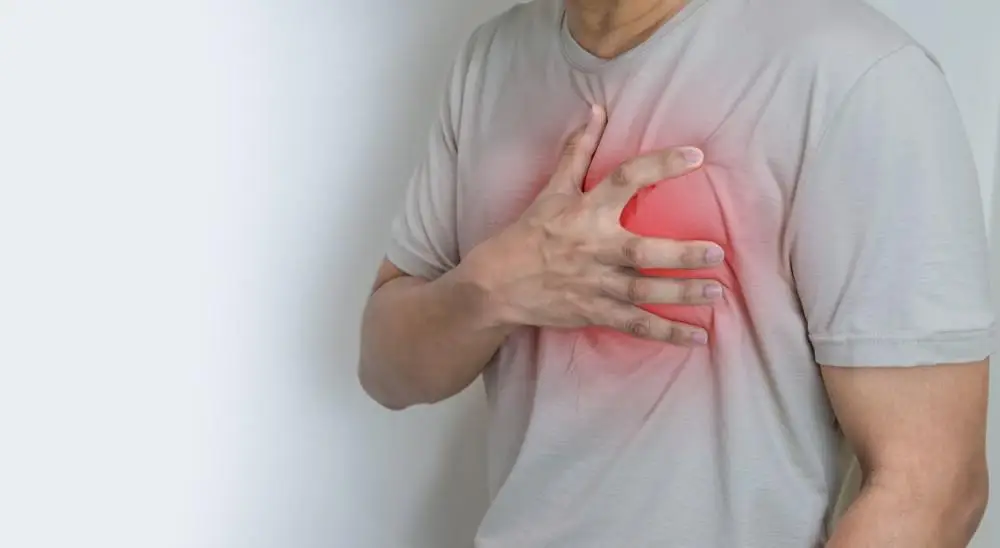
The symptoms of having high cholesterol usually develop only after cholesterol plaques have significantly narrowed the arteries.
Possible warning signs include:
- Persistent chest pain
- Pain in the legs while walking
- Cold feet
- Poor circulation
- Shortness of breath
- Heart attack
- Stroke
Remember that many people experience none of these symptoms until a serious cardiovascular event occurs. That is why prevention is much more effective than waiting for warning signs.
Can High Cholesterol Cause Dizziness?
Some people search for symptoms of high cholesterol dizziness because they occasionally feel lightheaded.
High cholesterol itself does not usually cause dizziness directly. However, severe narrowing of the arteries supplying blood to the brain may reduce blood flow, which can contribute to dizziness along with other neurological symptoms.
Because dizziness has many possible causes—including dehydration, low blood pressure, inner ear disorders, and medication side effects—it should always be evaluated by a healthcare professional if it is frequent or severe.
Simple Ways to Lower Bad Cholesterol Naturally
The good news is that many people can improve their cholesterol through healthy lifestyle changes.
1. Eat More Heart-Healthy Foods
Choose foods that naturally help reduce LDL cholesterol.
Good options include:
- Oats
- Beans
- Lentils
- Apples
- Berries
- Avocados
- Nuts
- Olive oil
- Fatty fish
- Leafy green vegetables
These foods are rich in fiber, healthy fats, and antioxidants that support cardiovascular health.
2. Exercise Regularly
Physical activity raises HDL cholesterol while helping lower LDL.
Aim for at least:
- 150 minutes of moderate exercise each week
Examples include:
- Walking
- Cycling
- Swimming
- Dancing
Even small improvements in activity can make a meaningful difference.
3. Maintain a Healthy Weight
Losing just 5–10% of body weight can improve cholesterol levels and reduce the risk of heart disease.
Small, consistent changes are often easier to maintain than extreme diets.
4. Quit Smoking
Smoking damages blood vessels and increases plaque formation.
After quitting, HDL cholesterol often begins to improve within weeks, while the overall risk of heart disease gradually decreases.
5. Limit Processed Foods
Try reducing foods high in:
- Saturated fat
- Trans fat
- Added sugar
- Highly processed carbohydrates
Instead, choose fresh, whole foods whenever possible.
When Medication May Be Needed
Lifestyle changes are the foundation of cholesterol management, but they are not always enough.
Doctors may prescribe cholesterol-lowering medications if:
- LDL cholesterol remains very high
- Lifestyle changes are ineffective
- The patient has diabetes
- There is a history of heart attack or stroke
- Familial hypercholesterolemia is present
The most common medications are statins, which help reduce LDL cholesterol and lower the risk of cardiovascular disease.
Always take medication exactly as prescribed and continue healthy lifestyle habits alongside treatment.
Expert Tips for Protecting Your Heart
Based on current medical recommendations, these simple habits can significantly reduce long-term risk:
- Have regular cholesterol screenings.
- Eat more vegetables, fruits, and whole grains.
- Stay physically active.
- Avoid smoking.
- Limit alcohol intake.
- Maintain a healthy body weight.
- Manage blood pressure and blood sugar.
- Get enough sleep.
- Reduce chronic stress.
- Follow your healthcare provider’s advice consistently.
These small daily choices often provide the greatest long-term benefits.
Conclusion
The symptoms of high bad cholesterol are often difficult to recognize because the condition usually develops silently over many years. By the time warning signs appear, cholesterol may already have narrowed important arteries and increased the risk of heart attack or stroke.
Fortunately, early detection is simple through routine blood tests. Combined with healthy eating, regular exercise, weight management, and medical guidance when needed, most people can successfully improve their cholesterol levels and protect their heart.
The best approach is not to wait for symptoms. Instead, make prevention a lifelong habit. Small changes made today can lead to a healthier future and significantly reduce the risk of serious cardiovascular disease.
Frequently Asked Questions
1. What are the first symptoms of high bad cholesterol?
Most people experience no symptoms at first. High cholesterol is usually discovered during a routine blood test before complications develop.
2. Can you feel if your cholesterol is high?
No. High cholesterol rarely causes noticeable symptoms. Regular screening is the best way to know your cholesterol levels.
3. How often should cholesterol be checked?
Healthy adults should generally have their cholesterol checked every four to six years. People with additional risk factors may need more frequent testing.
4. Can diet really lower bad cholesterol?
Yes. Eating more fiber-rich foods, healthy fats, and fewer processed foods can significantly improve cholesterol levels, especially when combined with regular exercise.
5. Is high cholesterol always caused by unhealthy eating?
No. Genetics, age, hormonal changes, certain medical conditions, and lifestyle factors all influence cholesterol levels.
⭐ Make MindLiva Your Preferred Source on Google
Get trusted health, wellness, and lifestyle articles from MindLiva.
Add MindLiva
Samie Babaei is a medical science student at Shahid Beheshti University of Medical Sciences with a strong interest in health, wellness, and medical research. As a health writer and researcher at MindLiva, she focuses on creating clear, evidence-based content that helps readers better understand health and well-being.