



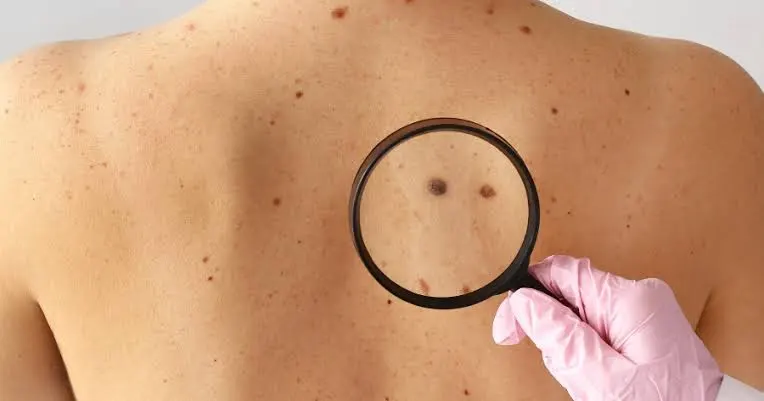
Symptoms of Melanoma: Don’t Ignore These Early Warning Signs
Have you ever noticed a mole that suddenly looked different and wondered if it was something to worry about?
Many people ignore small changes in their skin because they seem harmless. However, recognizing the symptoms of melanoma early can make a significant difference. Melanoma is one of the most serious forms of skin cancer, but when it is found early, treatment success is much higher.
In this guide, you’ll learn how to identify suspicious skin changes, understand the warning signs, know who is most at risk, and discover when you should visit a healthcare professional. You’ll also find practical prevention tips backed by medical knowledge and real-world examples.
What Are the Symptoms of Melanoma?
Melanoma develops in pigment-producing cells called melanocytes. While it can appear anywhere on the body, it is most commonly found in areas exposed to sunlight.
Unlike ordinary moles, melanoma often changes over time. Recognizing these changes early can prevent the disease from progressing.
Some of the most common symptoms include:
- A mole that changes size
- Irregular or uneven borders
- Multiple colors in one spot
- A mole becoming darker
- Itching or tenderness
- Bleeding without injury
- A sore that does not heal
- Rapid growth of a skin lesion
These changes may happen gradually or surprisingly fast.
Moreover, melanoma doesn’t always appear as a dark mole. Some forms look pink, red, or even skin-colored, making regular skin examinations even more important.
The ABCDE Rule Everyone Should Know
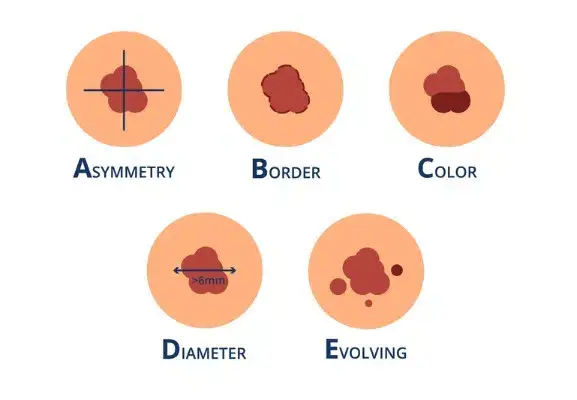
Doctors often recommend using the ABCDE rule when examining moles.
A – Asymmetry
One half does not match the other half.
B – Border
Edges appear jagged, blurred, or uneven.
C – Color
Healthy moles usually have one color.
A suspicious lesion may contain:
- Brown
- Black
- Blue
- White
- Red
- Gray
D – Diameter
Although many melanomas are larger than 6 mm, smaller lesions can also be dangerous.
E – Evolving
Perhaps the most important sign is change.
If a mole changes in appearance over weeks or months, it deserves medical attention.
Why Early Detection Matters
Detecting early stage melanoma dramatically improves treatment outcomes.
When cancer remains in the upper layer of the skin, doctors can often remove it completely with a relatively simple procedure.
However, delaying diagnosis allows abnormal cells to grow deeper, making treatment more complex.
For example, a person who notices a changing mole during a routine skin check may only need minor surgery. Someone who waits several months may require additional treatments.
This difference highlights the importance of paying attention to even small skin changes.
What Does Melanoma Look Like on Different Skin Types?
Many people believe melanoma only affects fair-skinned individuals.
However, it can occur in every skin tone.
On lighter skin, suspicious lesions often appear dark brown or black.
On darker skin, melanoma may develop on:
- Palms
- Soles of the feet
- Under fingernails
- Under toenails
- Inside the mouth
Because these locations are unexpected, diagnosis is sometimes delayed.
Understanding what does melanoma look like on the skin can help people of every background recognize warning signs earlier.
Common Places Where Melanoma Appears
Location often depends on lifestyle, genetics, and sun exposure.
Men
Common areas include:
- Back
- Chest
- Head
- Neck
Women
More frequently found on:
- Legs
- Arms
- Face
Everyone
Melanoma may also develop on:
- Hands
- Feet
- Scalp
- Lips
- Ears
Interestingly, it can even occur in places that receive little sunlight.
Therefore, a full-body skin examination is recommended rather than checking only exposed areas.
Who Has the Highest Risk?
Although anyone can develop melanoma, several factors increase the likelihood.
These include:
- Fair skin
- Light-colored eyes
- Blonde or red hair
- Frequent sunburns
- Indoor tanning
- Family history
- Numerous moles
- Weak immune system
- Older age
- Previous skin cancer
Having one or more risk factors does not mean someone will develop melanoma.
However, it does mean regular skin checks become even more important.
Understanding Different Types of Melanoma
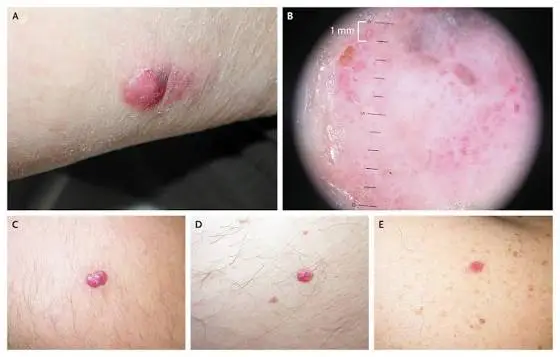
Melanoma is not a single disease. Several subtypes behave differently.
Superficial Spreading Type
This is the most common form.
It usually grows slowly across the skin before moving deeper.
Nodular Type
Nodular melanoma tends to grow downward more quickly than other forms.
Instead of spreading across the skin, it often appears as a raised bump.
Lentigo Maligna Type
Usually develops in older adults after years of sun exposure.
It commonly affects the face.
Acral Lentiginous Type
More frequently diagnosed in people with darker skin.
It often appears on palms, soles, or beneath nails.
When a Mole Doesn’t Look Dark
Many people expect melanoma to be black.
That isn’t always true.
Amelanotic melanoma lacks the dark pigment that most people associate with skin cancer.
Instead, it may appear:
- Pink
- Red
- White
- Flesh-colored
Because it resembles harmless skin conditions, diagnosis may be delayed.
For this reason, any new or changing skin growth deserves attention, regardless of color.
Changes Under the Fingernails
A dark streak under a nail isn’t always caused by injury.
Sometimes, it can indicate subungual melanoma.
People often confuse it with bruising from trauma.
Doctors sometimes compare normal black line on nail vs melanoma by looking at:
- Width
- Color consistency
- Growth pattern
- Extension into surrounding skin
If the dark line widens or changes over time, medical evaluation is recommended.
Likewise, nail melanoma may cause nail splitting, lifting, or persistent discoloration.
Can Melanoma Spread to Other Parts of the Body?
One of the biggest concerns after a melanoma diagnosis is whether it has spread. The answer depends largely on how early the cancer is detected.
In its earliest stages, melanoma is usually limited to the top layer of the skin. However, if left untreated, cancer cells can invade deeper tissues and eventually enter the bloodstream or lymphatic system.
When melanoma spreads beyond the original site, it is called metastatic melanoma. At this stage, the disease may affect organs such as the lungs, liver, brain, or bones, making treatment more challenging.
This is why regular skin examinations and prompt medical attention are so important.
How Fast Does Melanoma Spread?
Many people ask, how fast does melanoma spread?
The truth is that there is no single answer. Some melanomas grow slowly over several years, while others can become aggressive within a few months.
Several factors influence growth speed, including:
- The type of melanoma
- The depth of the tumor
- A person’s immune system
- How early the cancer is diagnosed
For example, superficial spreading melanoma often grows outward before moving deeper into the skin. In contrast, nodular melanoma may begin growing downward almost immediately.
Because growth rates vary so much, never wait to have a suspicious mole examined.
Recognizing the Signs of Melanoma Beyond the Skin
The earliest signs of melanoma usually appear on the skin, but advanced disease may cause additional symptoms.
These can include:
- Swollen lymph nodes
- Unexplained weight loss
- Persistent fatigue
- Ongoing pain
- Frequent headaches
- Shortness of breath
- Bone pain
These symptoms do not always mean melanoma has spread, but they should never be ignored.
Can Melanoma Affect the Eyes?
Yes. Although uncommon, ocular melanoma develops inside the eye rather than on the skin.
Because it often causes no symptoms early on, many cases are discovered during routine eye examinations.
Possible symptoms include:
- Blurred vision
- Dark spots in vision
- Flashing lights
- Loss of peripheral vision
- Changes in pupil shape
Regular eye exams are especially valuable for individuals with increased risk factors.
How Doctors Diagnose Melanoma
If your healthcare provider suspects melanoma, several tests may be recommended.
Physical Examination
The doctor carefully examines your skin, looking for unusual moles or changing lesions.
Dermoscopy
A handheld device magnifies skin structures that cannot be seen with the naked eye.
Skin Biopsy
A biopsy is the only way to confirm a diagnosis.
The suspicious area is removed and examined under a microscope by a pathologist.
Imaging Tests
If there is concern that the cancer has spread, imaging studies such as CT scans, MRI scans, or PET scans may be performed.
Early diagnosis greatly improves treatment options and outcomes.
Treatment Options
Treatment depends on the stage, location, and overall health of the patient.
Common treatments include:
1. Surgical Removal
Surgery is the primary treatment for localized melanoma.
The surgeon removes both the lesion and a margin of healthy skin to reduce the risk of recurrence.
2. Immunotherapy
Modern immunotherapy helps the body’s immune system recognize and destroy cancer cells.
It has significantly improved survival for many patients with advanced disease.
3. Targeted Therapy
Certain genetic mutations respond well to medications designed specifically for those cancer cells.
4. Radiation Therapy
Radiation may be recommended if surgery is not possible or if melanoma has spread.
5. Chemotherapy
Although used less frequently today, chemotherapy remains an option in selected cases.
Treatment plans are personalized based on each patient’s individual needs.
How to Reduce Your Risk
While not every case is preventable, healthy habits can significantly lower your risk.
Protect Your Skin Every Day
Use a broad-spectrum sunscreen with SPF 30 or higher whenever you spend time outdoors.
Reapply every two hours, especially after swimming or sweating.
Avoid Indoor Tanning
Tanning beds expose the skin to intense ultraviolet radiation that increases melanoma risk.
Wear Protective Clothing
Long sleeves, wide-brimmed hats, and UV-blocking sunglasses provide additional protection.
Perform Monthly Skin Checks
Become familiar with your skin so you can quickly notice changes.
Using a mirror—or asking a family member to examine hard-to-see areas—can be helpful.
Schedule Professional Skin Exams
Individuals with many moles or a family history of melanoma should see a dermatologist regularly.
Common Myths About Melanoma
Myth 1: Only Older Adults Get Melanoma
False.
Melanoma can affect teenagers, young adults, and middle-aged individuals.
Myth 2: Dark Skin Prevents Melanoma
False.
Although the risk is lower, people with darker skin can still develop melanoma, especially on the palms, soles, and beneath the nails.
Myth 3: Every Dark Mole Is Cancer
False.
Most moles are harmless.
However, any mole that changes in appearance should be examined by a healthcare professional.
Myth 4: Sunscreen Gives Complete Protection
False.
Sunscreen reduces risk but should be combined with protective clothing and shade.
Conclusion
Recognizing the symptoms of melanoma is one of the simplest yet most powerful steps you can take to protect your health. Most suspicious skin changes are not cancer, but it is always safer to have them evaluated by a medical professional.
Early detection leads to more treatment options, less invasive procedures, and significantly better outcomes. By protecting your skin from excessive UV exposure, performing regular self-examinations, and scheduling routine dermatology visits when appropriate, you can reduce your risk and increase the chances of finding problems before they become serious.
Your skin changes over time—paying attention to those changes could save your life.
Frequently Asked Questions
1. What are the first symptoms of melanoma?
The earliest symptoms often include a mole that changes in size, shape, color, or border. Itching, bleeding, or a new unusual spot should also be checked by a doctor.
2. Is melanoma always black?
No. Some melanomas are pink, red, white, or skin-colored, making regular skin examinations especially important.
3. Can melanoma be cured?
Yes. When detected early, melanoma is often successfully treated with surgery. Advanced cases may require immunotherapy, targeted therapy, or additional treatments.
4. Should I worry about every new mole?
Not necessarily. Many new moles are harmless. However, any mole that changes or looks different from your other moles should be evaluated.
5. How often should I check my skin?
Most dermatologists recommend a full-body skin self-examination once each month, along with regular professional skin checks if you have higher risk factors.
⭐ Make MindLiva Your Preferred Source on Google
Get trusted health, wellness, and lifestyle articles from MindLiva.
Add MindLiva
Samie Babaei is a medical science student at Shahid Beheshti University of Medical Sciences with a strong interest in health, wellness, and medical research. As a health writer and researcher at MindLiva, she focuses on creating clear, evidence-based content that helps readers better understand health and well-being.