



Best Collagen for Belly Fat: Boost Your Weight Loss Journey
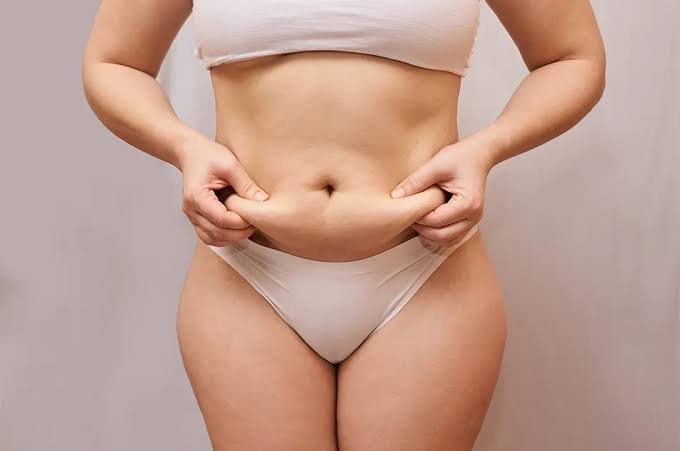
Have you been eating healthier and exercising regularly but still struggling with stubborn belly fat? You are not alone. Abdominal fat can be difficult to lose, and many people look for simple ways to support their weight-loss efforts. Recently, collagen-based products have attracted attention among people hoping to improve their body composition and skin appearance.
But what is the best collagen for belly fat, and can it genuinely help you achieve a flatter stomach?
The answer requires a closer look at the science. No supplement can selectively burn fat around your waist, and research has not established that taking collagen directly reduces belly fat. However, a suitable protein supplement may fit into a balanced eating plan, especially when combined with strength training, regular movement, and adequate sleep.
In this guide, you will learn how to compare products, which ingredients deserve attention, what the research actually says, and how to build a realistic approach to losing abdominal fat.
What Is the Best Collagen for Belly Fat?
The best choice depends on your goals, diet, budget, and tolerance for different ingredients. If your primary goal is weight management, look for a product that provides useful protein without adding large amounts of sugar or unnecessary calories.
Hydrolyzed products are often marketed as collagen peptides. These contain smaller protein fragments that dissolve easily in liquids. However, easier mixing does not automatically mean greater fat loss.
What to Look for in a Supplement
Before purchasing a product, check these important features:
- Protein content: Check how many grams of protein each serving provides.
- Calories: Compare the total calories per serving, particularly if you track your daily intake.
- Added sugar: Choose an unsweetened option when possible.
- Ingredient transparency: Look for a clear label showing the source and amount of the main ingredient.
- Quality testing: Prefer products with credible independent testing for identity, purity, and contaminants.
- Dietary suitability: Check whether the source is bovine, marine, porcine, or another animal-derived ingredient.
Most importantly, do not assume that a premium price means better weight-loss results. There is currently insufficient evidence to rank individual brands by their ability to reduce abdominal fat.
Is Powder Better Than Capsules?
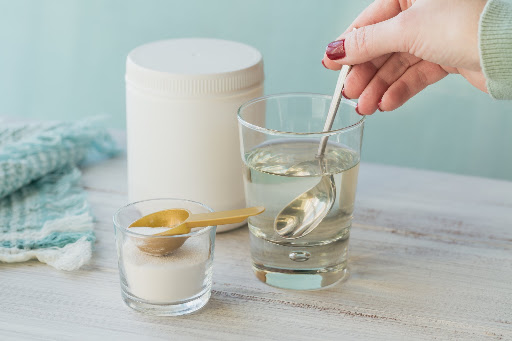
Powders usually make it easier to consume a larger serving, while capsules may be more convenient for travel. Neither form has been proven superior for belly-fat reduction.
Choose the format you can use consistently, and compare the actual ingredients rather than relying on packaging claims.
Does Collagen Help Reduce Belly Fat?
This is the most important question for anyone considering a new supplement.
Abdominal fat decreases when your body uses more energy than it receives over time. Your genetics, hormones, age, sleep, activity level, and eating habits can all influence how fat is stored and lost.
Research has not established that collagen directly increases abdominal fat burning or produces meaningful waist reduction.
How Protein May Support Weight Management
Protein can help you feel satisfied after meals and support muscle maintenance during weight loss. These effects can make it easier to follow a calorie-controlled eating plan.
However, the type of protein matters. Unlike many complete dietary proteins, collagen is low in certain essential amino acids and is not a complete protein source. It should not be your only protein source.
For example, someone who replaces a sugary afternoon snack with an appropriate protein-rich snack may find it easier to manage hunger. The benefit comes from the overall dietary change, not from a special fat-burning effect.
Can It Target Stubborn Belly Fat?
No. The body does not selectively burn fat from a particular area because you consume a specific supplement.
Exercises such as planks and crunches strengthen abdominal muscles, but they do not reliably remove the fat covering those muscles. A combination of resistance training, aerobic activity, and sustainable nutrition is more useful for reducing overall body fat.
Moreover, changes in waist size may also reflect bloating, digestion, fluid retention, and menstrual-cycle changes rather than changes in body fat alone.
What Does Collagen Do in the Body?
People often ask, what does collagen do beyond its connection with beauty products?
It is a structural protein found in skin, tendons, ligaments, cartilage, bones, and other connective tissues. The body makes it from amino acids obtained through dietary protein, alongside nutrients and other compounds needed for normal protein production.
As people age, natural collagen production and the structure of connective tissues change. Sun exposure, smoking, genetics, and other factors can also affect skin appearance.
Potential Benefits and Limitations
The benefits of collagen supplements depend on the outcome being studied. Some clinical trials suggest possible improvements in skin hydration or elasticity, while research on joint symptoms has also produced promising but mixed findings.
Nevertheless, study quality, product formulations, and participant characteristics vary. Some research is industry-funded, and larger, independent studies are needed to confirm many reported effects.
These findings do not establish that supplementation burns belly fat, speeds up metabolism, or causes significant weight loss.
In short, consider it a possible addition for a specific goal, not a substitute for a healthy diet or a proven weight-loss treatment.
Which Ingredients Matter Most in the Best Collagen for Belly Fat?
When comparing labels, focus on what the product provides and whether the supporting claims are credible.
1. Hydrolyzed Protein
Hydrolyzed formulations are designed to dissolve more easily. If you prefer a powder, look for a clear serving size and transparent ingredient list.
Remember that the total amount of protein listed on a label does not automatically make a product equivalent to a complete protein source such as eggs, dairy, soy, or fish.
2. Vitamin C
Vitamin C is necessary for normal collagen formation. A balanced diet containing citrus fruits, berries, peppers, and other vegetables generally provides useful sources.
A supplement containing vitamin C may be convenient, but extra vitamin C does not automatically improve fat loss or guarantee better results.
3. Prebiotics and Added Ingredients
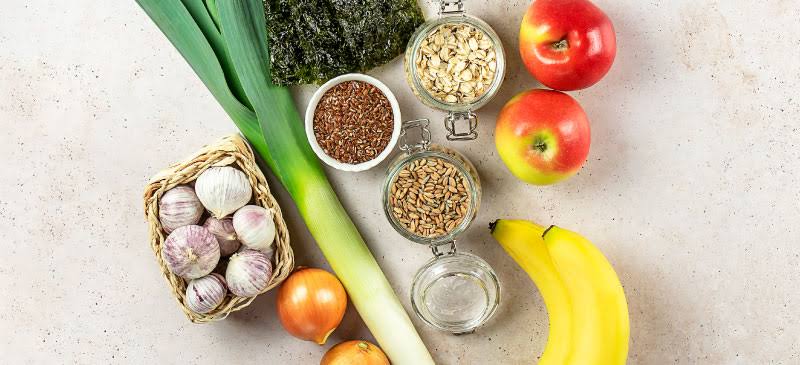
A product marketed as prebiotic collagen protein may combine a collagen ingredient with fibers intended to support gut health. The potential benefit depends on the type and amount of fiber, as well as your overall diet.
Check the label carefully. Some blends contain sweeteners, flavorings, or added ingredients that may cause digestive discomfort in sensitive individuals.
4. Sugar and Calorie Content
Flavored powders can contain added sugars or other ingredients that increase their calorie content. This does not make every flavored product unsuitable, but it is worth checking the nutrition facts.
If you use a supplement in coffee, smoothies, or breakfast bowls, include the calories from those additions when assessing your overall intake.
Best Collagen for Women: Is There a Difference?
The best collagen for women is not necessarily a product marketed specifically to women. There is no strong evidence that a special gender-specific formulation burns more belly fat.
Women may experience changes in body composition and skin elasticity during aging, pregnancy, and menopause. However, individual needs differ, and no supplement can guarantee a particular waist size or skin-tightening result.
A sensible approach includes:
- Eating enough protein from varied sources.
- Performing resistance exercises regularly.
- Including vegetables, fruits, whole grains, and healthy fats.
- Getting adequate sleep and managing stress.
- Discussing persistent or unexplained weight changes with a healthcare professional.
Women who are pregnant, breastfeeding, taking regular medication, or managing a medical condition should check with a qualified healthcare professional before starting a new supplement.
Can Collagen Tighten Loose Belly Skin?
Loose skin and belly fat are different concerns. Fat lies beneath the skin, while loose skin can develop after pregnancy, substantial weight loss, or age-related changes.
Some small studies suggest that certain oral formulations may improve skin hydration or elasticity. However, these findings do not prove that supplements can tighten significant amounts of loose abdominal skin.
What Can Help With Loose Skin?
The most useful strategy depends on the cause and severity.
- Strength training: Builds underlying muscle and may improve body shape.
- Gradual weight management: Helps support a sustainable approach to body composition.
- Balanced nutrition: Provides protein and nutrients required for normal tissue maintenance.
- Sun protection: Helps limit UV-related skin damage.
- Medical consultation: A dermatologist or qualified clinician can discuss options for substantial excess skin.
If loose skin remains after major weight loss, no powder or capsule should be expected to remove it. Surgical and nonsurgical procedures have different benefits, limitations, costs, and risks.
Vegan Collagen: Is It Effective?
Traditional collagen ingredients come from animal sources, such as bovine hides, fish skin, or other animal tissues. Therefore, products labeled vegan collagen generally contain ingredients intended to support the body’s natural collagen production rather than collagen protein itself.
These products may include vitamin C, amino acids, or plant-derived ingredients. Their effectiveness depends on the exact formula and the evidence supporting its individual components.
A vegan label does not mean that a product is more effective for fat loss. If you follow a plant-based diet, prioritize adequate protein from foods such as beans, lentils, tofu, tempeh, and soy products.
Foods High in Collagen and Other Protein Sources
Supplements are not essential for everyone. A varied diet can provide the protein and nutrients needed to support normal tissue function.
Common foods high in collagen include gelatin-rich preparations, slow-cooked cuts of meat containing connective tissue, and broths made from animal bones. However, their collagen content varies, and bone broth should not be assumed to provide a consistent or complete protein source.
Your body can also make collagen using amino acids from a range of protein-containing foods.
Consider including:
- Eggs and dairy products.
- Fish and seafood.
- Lean meat and poultry.
- Beans, lentils, and soy foods.
- Fruits and vegetables rich in vitamin C.
- Nuts, seeds, and whole grains as part of a balanced diet.
For weight management, these foods can help create satisfying meals that provide protein, fiber, and essential nutrients. You do not need to consume a particular food every day to achieve results.
How to Build a Belly-Fat Loss Plan That Works
Instead of relying on one product, focus on habits that address overall body fat and support long-term health.
Step 1: Create a Sustainable Eating Pattern
A modest, sustainable calorie deficit can help reduce body fat. Avoid extreme restriction, which may be difficult to maintain and can contribute to muscle loss or nutritional deficiencies.
Include a protein source, vegetables or fruit, and fiber-rich carbohydrates in most meals. Adjust portion sizes to your individual needs rather than following a restrictive plan designed for someone else.
Step 2: Combine Cardio and Strength Training

Walking, cycling, swimming, and other aerobic activities help increase energy expenditure and improve cardiovascular health. Strength training helps preserve or build muscle during weight loss.
For many adults, public-health guidance recommends at least 150 minutes of moderate-intensity aerobic activity each week, alongside muscle-strengthening activities on two or more days. Start at a manageable level and increase gradually.
Step 3: Improve Sleep and Stress Management
Poor sleep and ongoing stress can influence appetite, food choices, and daily activity. Aim for a regular sleep schedule and use realistic stress-management habits, such as walking outdoors, breathing exercises, or taking breaks during the day.
These steps will not guarantee a smaller waist, but they can make a healthy routine easier to maintain.
Step 4: Measure Progress Beyond the Scale
Body weight can fluctuate because of water retention, digestion, and other short-term changes. Consider tracking several measures over time:
- Waist circumference, measured consistently.
- Average body weight over several days or weeks.
- Strength and exercise performance.
- Energy levels and how your clothes fit.
- Whether your eating and exercise routine feels sustainable.
Give your routine time to work. A single daily measurement cannot reliably show whether you are losing body fat.
How to Choose a Safe and Reliable Supplement
Product quality matters because supplements can vary in ingredients, manufacturing standards, and labeling accuracy.
Before purchasing, check whether the manufacturer provides clear contact details, batch information, serving instructions, and relevant quality-testing information.
Look for independent testing from a credible organization where available. Such testing can help verify product identity or screen for contaminants, but it does not prove that the product reduces belly fat.
Avoid products promising rapid abdominal-fat loss, dramatic results in a few days, or guaranteed skin tightening. These are warning signs of marketing claims that go beyond the available evidence.
Also, remember that supplements are not automatically safe because they are sold online or described as natural. Consider allergies, possible interactions, and your individual medical circumstances.
Conclusion: Is the Best Collagen for Belly Fat Worth It?
The best collagen for belly fat is not a proven fat-burning supplement because no particular collagen product has been established as an effective way to target abdominal fat.
However, a carefully selected product may suit someone who has a separate reason to use it, such as exploring possible skin-related benefits. Compare ingredient lists, calories, protein quality, and independent testing rather than choosing based on dramatic promises.
Ultimately, the most dependable approach to reducing belly fat combines sustainable nutrition, adequate protein, regular physical activity, strength training, and sufficient sleep.
The key takeaway: Choose supplements for realistic, evidence-based reasons, and let consistent daily habits—not promises on a label—guide your weight-loss journey.
Frequently Asked Questions
1. Does collagen help belly fat?
There is not enough reliable evidence to show that taking collagen directly reduces belly fat. A balanced diet, regular exercise, and sustainable calorie management are better-supported approaches to reducing overall body fat.
2. Does collagen tighten loose belly skin?
Some research suggests possible improvements in skin hydration or elasticity, but evidence that oral supplements tighten loose abdominal skin is limited. Significant excess skin may require a professional assessment to discuss appropriate options.
3. What is the best collagen for losing weight?
No specific formulation has been proven best for weight loss. If you choose a supplement, compare its calories, ingredients, quality testing, and suitability for your needs. Do not expect it to burn fat on its own.
4. What happens to your body when you take collagen every day?
The effects depend on the product, dose, duration, and individual. Some studies suggest possible skin or joint benefits, but results are not guaranteed, and daily use has not been shown to produce targeted belly-fat loss.
5. What should you avoid when taking collagen?
Avoid products with misleading weight-loss promises, unclear ingredients, or inadequate quality information. Check for allergens and possible medication interactions, and seek professional advice if you are pregnant, breastfeeding, or managing a health condition.
⭐ Make MindLiva Your Preferred Source on Google
Get trusted health, wellness, and lifestyle articles from MindLiva.
Add MindLiva
Samie Babaei is a medical science student at Shahid Beheshti University of Medical Sciences with a strong interest in health, wellness, and medical research. As a health writer and researcher at MindLiva, she focuses on creating clear, evidence-based content that helps readers better understand health and well-being.