



Benefits of Collagen for Bone and Joint Health: Does It Work and Is It Safe?
Have you ever noticed that climbing stairs, exercising, or even getting out of bed feels a little harder than it used to? Many people begin experiencing joint discomfort or reduced flexibility long before they expect it. While aging is a natural process, maintaining healthy bones and joints is something we can actively support through smart lifestyle choices.
One of the most discussed nutrients in recent years is collagen. Researchers continue to study its role in supporting connective tissues, healthy cartilage, and overall movement. As more people focus on preventive health instead of simply treating pain later, understanding the benefits of collagen has become increasingly important.
In this guide, you’ll discover how bone and joint health changes over time, why proper nutrition matters, the latest scientific findings, practical lifestyle advice, and expert recommendations for maintaining mobility throughout life.
Why Bone and Joint Health Matters
Healthy bones provide the structure that supports every movement your body makes. At the same time, joints allow those bones to move smoothly without excessive friction.
Unfortunately, both systems naturally change with age.
Some common reasons include:
- Gradual loss of bone density
- Wear and tear of cartilage
- Reduced flexibility
- Lower physical activity
- Poor nutrition
- Hormonal changes
According to health organizations worldwide, millions of adults experience joint discomfort each year, making musculoskeletal conditions one of the leading causes of disability worldwide.
However, the good news is that many lifestyle habits can slow these changes.
Benefits of Collagen for Healthy Bones
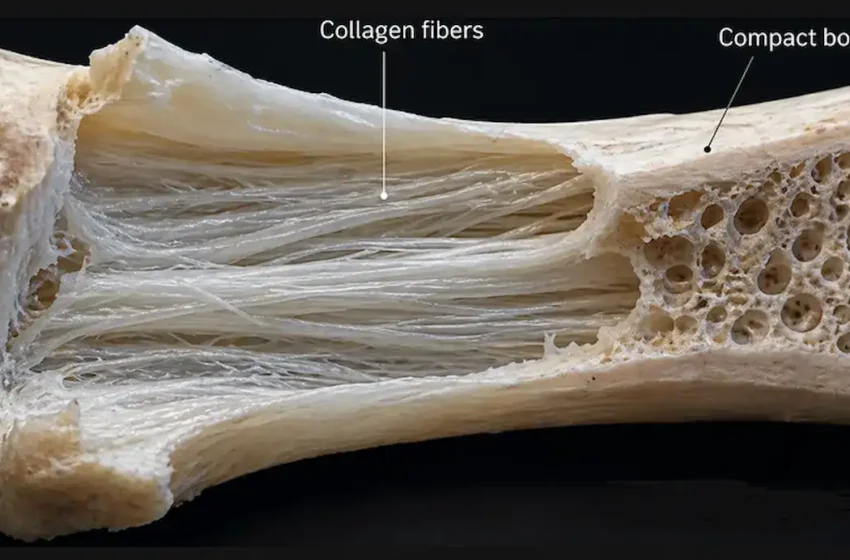
Bones may look solid, but they are living tissues that constantly rebuild themselves.
Calcium often receives most of the attention, yet protein structures inside bones are equally important. These structures provide flexibility and help bones absorb impact instead of becoming brittle.
The benefits of collagen extend beyond appearance because this structural protein forms an important part of bone tissue.
How Bone Structure Changes with Age
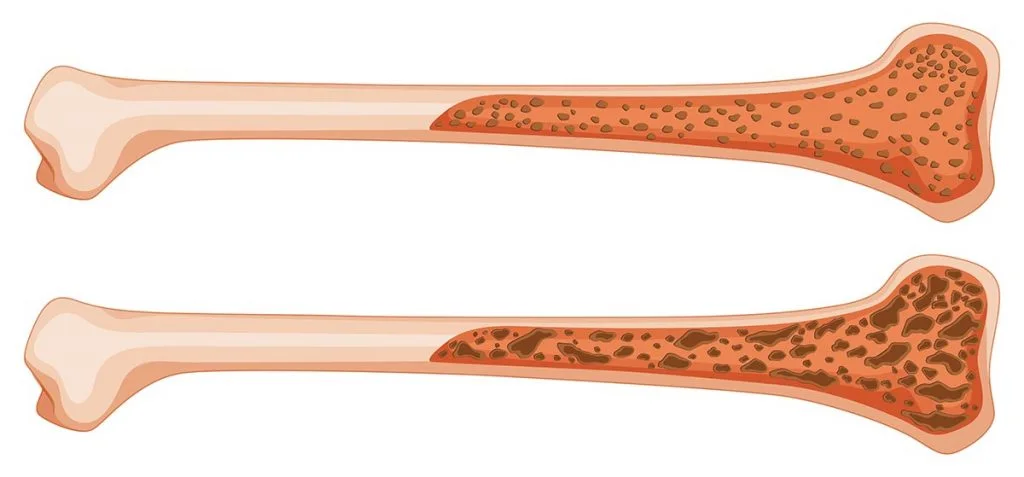
During youth, the body creates new bone faster than old bone breaks down.
After the age of 30, this balance slowly shifts.
As a result:
- Bone density gradually decreases.
- Fracture risk becomes higher.
- Recovery may take longer.
- Posture can change over time.
Maintaining an active lifestyle and eating nutrient-rich foods can help support normal bone maintenance.
Benefits of Collagen for Joint Mobility
Healthy joints rely on cartilage, tendons, and ligaments working together.
Cartilage acts like a cushion between bones. Without enough cushioning, movement becomes less comfortable.
Many researchers are exploring whether nutritional support may help maintain normal joint function alongside exercise and weight management.
Why Joint Health Declines
Several factors contribute to joint discomfort:
- Natural aging
- Sports injuries
- Obesity
- Poor posture
- Repetitive movements
- Lack of exercise
Moreover, inflammation caused by unhealthy lifestyle habits may worsen joint stiffness over time.
Signs Your Joints Need More Care
Some early warning signs include:
- Morning stiffness
- Clicking joints
- Reduced flexibility
- Mild swelling
- Slower recovery after exercise
- Difficulty climbing stairs
Recognizing these symptoms early allows people to improve lifestyle habits before more serious problems develop.
The Science Behind Connective Tissue Support
Scientists continue investigating how connective tissues respond to nutrition.
Connective tissues include:
- Cartilage
- Tendons
- Ligaments
- Bone matrix
- Skin
- Blood vessels
Together, these tissues help maintain strength, flexibility, and movement throughout the body.
Recent studies suggest that adequate dietary protein combined with resistance exercise supports healthy connective tissue maintenance.
However, researchers also emphasize that nutrition alone cannot replace regular movement, good sleep, or maintaining a healthy body weight.
Daily Habits That Support Bone and Joint Health
Nutrition is only one part of the equation.
Healthy daily habits often make an even greater difference over time.
Stay Physically Active
Exercise helps stimulate bone remodeling while strengthening muscles that protect joints.
Excellent activities include:
- Walking
- Swimming
- Cycling
- Yoga
- Resistance training
- Pilates
Low-impact exercises are particularly beneficial for people experiencing mild joint discomfort.
Maintain a Healthy Weight
Extra body weight places additional stress on weight-bearing joints such as:
- Knees
- Hips
- Ankles
- Lower back
Even modest weight loss may reduce joint pressure significantly.
For example, losing just a few kilograms can noticeably decrease the force placed on the knees during walking.
Eat a Balanced Diet
Instead of focusing on one nutrient alone, prioritize a balanced eating pattern rich in:
- Lean proteins
- Colorful vegetables
- Fruits
- Whole grains
- Healthy fats
- Dairy or fortified alternatives
This combination provides vitamins and minerals needed for healthy bones and muscles.
Foods That Naturally Support Connective Tissue

A nutritious diet supplies many building blocks that the body needs every day.
Some excellent choices include:
- Citrus fruits
- Eggs
- Fish
- Chicken
- Leafy greens
- Beans
- Nuts
- Seeds
- Dairy products
- Berries
Vitamin C deserves special attention because it supports normal connective tissue formation.
Meanwhile, minerals like magnesium, phosphorus, and zinc also contribute to maintaining healthy bones.
Lifestyle Mistakes That May Weaken Bones
Certain habits may gradually reduce bone strength.
These include:
- Smoking
- Heavy alcohol intake
- Physical inactivity
- Very low-calorie diets
- Poor sleep quality
- Long-term nutrient deficiencies
Fortunately, most of these factors can be improved through consistent lifestyle changes.
Understanding Protein Quality
Not all protein sources provide the same nutritional profile.
High-quality proteins generally contain a complete range of essential amino acids needed for tissue repair and maintenance.
Examples include:
- Fish
- Eggs
- Dairy
- Poultry
- Soy products
Plant-based diets can also support bone health when properly planned with enough variety.
Common Myths About Bone and Joint Health
Myth 1: Only Older Adults Need to Care
Bone health begins during childhood and continues throughout adulthood.
The earlier healthy habits develop, the better the long-term outcomes.
Myth 2: Exercise Damages Joints
In reality, appropriate exercise usually strengthens muscles surrounding joints and improves mobility.
The key is choosing the right intensity.
Myth 3: Calcium Alone Is Enough
Calcium is important, but it works alongside protein, vitamin D, magnesium, phosphorus, and regular physical activity.
A comprehensive lifestyle approach produces the best long-term results.
What Does Current Research Say?
Scientists continue exploring nutritional strategies that support healthy aging.
Recent evidence suggests that maintaining adequate protein intake, engaging in regular resistance exercise, and following a nutrient-rich diet may help preserve muscle mass and support normal bone health.
Researchers also continue studying ingredients such as collagen peptides to better understand their role in healthy connective tissues. Although findings are promising, experts recommend viewing nutritional supplements as one part of an overall healthy lifestyle rather than a standalone solution.
Benefits of Collagen for Active Lifestyles
People of all ages want to stay active, whether that means playing sports, hiking, gardening, or simply enjoying daily walks. Supporting bone and joint health can make these activities more comfortable and enjoyable.
The benefits of collagen become especially relevant for physically active individuals because connective tissues experience regular stress during movement. Combined with strength training, stretching, and proper recovery, a balanced diet may help maintain healthy mobility over time.
For Fitness Enthusiasts
Individuals who exercise regularly often focus on muscle growth while overlooking joint care. Strong muscles are important, but healthy joints allow those muscles to perform efficiently.
Helpful habits include:
- Warming up before exercise
- Stretching after workouts
- Staying hydrated
- Eating enough protein
- Getting sufficient sleep
- Allowing time for recovery
Choosing the Right Nutrition for Bone and Joint Health
Nutrition should always begin with whole foods. However, some people may need additional support if their diets lack key nutrients.
When considering collagen supplements, it is wise to consult a healthcare professional, especially if you have medical conditions or take prescription medications.
Remember that no supplement can replace:
- Regular exercise
- A balanced diet
- Healthy body weight
- Good sleep
- Stress management
These habits work together to promote lifelong wellness.
Natural Food Sources That Support Connective Tissue
Although many people search for foods high in collagen, it is equally important to eat foods that help the body naturally build connective tissue.
Excellent choices include:
- Bone broth
- Fish with skin
- Chicken
- Eggs
- Citrus fruits
- Bell peppers
- Tomatoes
- Spinach
- Berries
- Pumpkin seeds
Vitamin C-rich foods deserve special attention because they support the body’s natural production of connective tissue.
Plant-Based Options
Interest in vegan collagen alternatives has grown rapidly in recent years.
While plant foods do not naturally contain animal-derived structural proteins, many fruits, vegetables, legumes, seeds, and nuts provide nutrients involved in the body’s normal connective tissue production.
A well-planned plant-based diet should include:
- Vitamin C
- Zinc
- Copper
- Protein
- Iron
Together, these nutrients support healthy tissue maintenance.
Women’s Bone Health Across Different Life Stages

Women’s nutritional needs change throughout life, especially during pregnancy, menopause, and older adulthood.
Many people searching for the best collagen for women are actually looking for ways to support healthy aging, strong bones, and comfortable movement.
Health professionals generally recommend focusing first on:
- Adequate calcium
- Vitamin D
- Resistance exercise
- Balanced protein intake
- Regular health screenings
These foundations remain essential regardless of age.
Understanding Functional Nutrition
The wellness industry continues introducing innovative ingredients designed to support digestive and overall health.
One emerging product category is prebiotic collagen protein, which combines protein with ingredients intended to support beneficial gut bacteria.
Although research in this area continues to evolve, experts recommend evaluating scientific evidence carefully before expecting dramatic results.
What Does Collagen Do?
Many people ask, what does collagen do?
In simple terms, it serves as an important structural component in connective tissues throughout the body. These tissues help support bones, cartilage, tendons, ligaments, skin, and blood vessels.
As natural production decreases with age, maintaining healthy lifestyle habits becomes increasingly important for preserving mobility and overall well-being.
Conclusion
Healthy bones and flexible joints are essential for maintaining independence, staying active, and enjoying everyday life. Although aging naturally affects the body’s connective tissues, many lifestyle choices can support long-term musculoskeletal health.
A balanced diet, regular physical activity, quality sleep, and maintaining a healthy weight all contribute to stronger bones and better joint function. Scientific research continues to improve our understanding of nutritional strategies that may support connective tissues, but experts agree that lasting health depends on consistent daily habits rather than a single solution.
By making informed choices today, you can build a stronger foundation for an active and healthier future.
Frequently Asked Questions
What are the true benefits of collagen?
It helps support the normal structure of connective tissues, including bones, cartilage, tendons, and ligaments. When combined with a healthy lifestyle, it may contribute to better mobility and overall joint health.
Is it worth taking collagen every day?
For some individuals, daily use may fit into a balanced wellness plan. However, results vary, and supplements should complement—not replace—a nutritious diet and regular exercise.
What are the 5 signs that collagen is working?
Possible signs may include:
- Improved joint comfort
- Better flexibility
- Stronger-looking nails
- Healthier-looking skin
- Easier recovery after physical activity
Individual experiences differ, and noticeable changes often take time.
Does collagen whiten skin?
There is no strong scientific evidence that it whitens skin. Some studies suggest it may support skin hydration and elasticity, but it should not be viewed as a skin-lightening treatment.
What is the best time to take collagen?
There is no universally proven best time. Consistency is generally considered more important than the specific time of day. Many people simply choose a routine they can maintain regularly.
⭐ Make MindLiva Your Preferred Source on Google
Get trusted health, wellness, and lifestyle articles from MindLiva.
Add MindLiva
Samie Babaei is a medical science student at Shahid Beheshti University of Medical Sciences with a strong interest in health, wellness, and medical research. As a health writer and researcher at MindLiva, she focuses on creating clear, evidence-based content that helps readers better understand health and well-being.