




Effective Skincare Routines for Glowing Complexion
Have you ever looked in the mirror and wondered why your skin looks bright some days and dull on others? You’re not alone. Healthy skin isn’t about perfection—it’s about consistency, smart choices, and understanding what your skin truly needs.
Today, skincare is more than a beauty trend. It has become an important part of overall wellness because your skin is your body’s largest organ and your first line of defense against the environment.
In this guide, you’ll learn how to care for your skin effectively, understand different skin types, avoid common mistakes, and discover expert-backed strategies that support a naturally healthy complexion. Whether you’re just getting started or looking to improve your routine, these practical tips can help you make informed decisions.
Why Healthy Skin Matters More Than You Think
Your skin works around the clock.
It protects your body from pollution, bacteria, sunlight, and changing weather while helping regulate body temperature and prevent water loss.
However, everyday stress, poor sleep, unhealthy eating habits, and excessive sun exposure gradually affect its appearance.
Common concerns include:
- Dryness
- Fine lines
- Uneven skin tone
- Acne breakouts
- Enlarged pores
- Increased sensitivity
Fortunately, many of these issues can be managed through consistent daily care.
Understanding Your Skin Type Before Buying Products
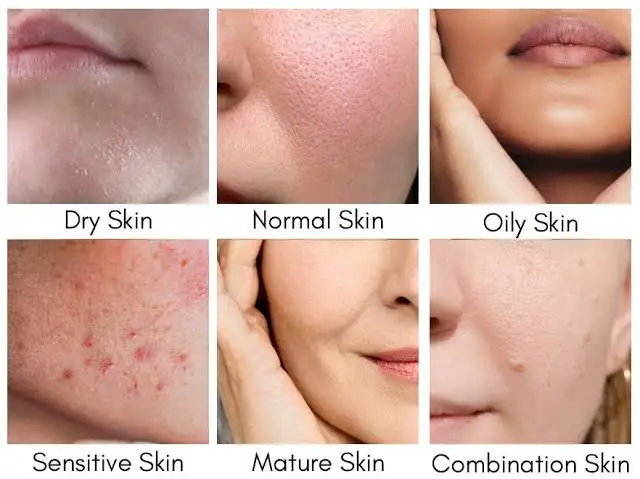
One product rarely works for everyone.
Knowing your skin type helps you choose products that suit your individual needs.
Normal Skin
Characteristics include:
- Balanced moisture
- Small pores
- Few blemishes
- Smooth texture
This skin type usually tolerates many ingredients well.
Dry Skin
Dry skin often feels:
- Tight
- Rough
- Flaky
- Less elastic
Look for moisturizing ingredients that strengthen the skin barrier.
Oily Skin
This type usually produces excess sebum.
Common signs include:
- Shiny appearance
- Larger pores
- Frequent acne
- Blackheads
Finding the best skincare for oily skin means choosing lightweight, non-comedogenic products that control oil without over-drying the skin.
Combination Skin
Combination skin has both oily and dry areas.
Typically:
- Oily forehead, nose, and chin
- Dry cheeks
Different areas may require different products.
Sensitive Skin
Sensitive skin reacts more easily to certain ingredients or environmental factors.
People with skincare for sensitive skin concerns should choose fragrance-free, gentle formulations and introduce new products gradually.
The Essential Steps for Healthy Skin
Many complicated routines are unnecessary.
Most dermatologists recommend focusing on a few important steps done consistently.
1. Gentle Cleansing
Wash your face twice daily using a cleanser suited to your skin type.
Avoid harsh soaps that strip away natural oils.
2. Moisturizing
Every skin type benefits from hydration—even oily skin.
Moisturizers help support the skin’s natural protective barrier.
3. Daily Sun Protection
Perhaps the most important step is sunscreen.
Broad-spectrum SPF helps reduce:
- Premature aging
- Dark spots
- Sunburn
- Long-term UV damage
Daily protection matters, even on cloudy days.
How to Choose Products Wisely
Marketing can make every product sound revolutionary.
Instead, focus on ingredients supported by scientific research.
Useful ingredients include:
- Hyaluronic acid
- Ceramides
- Niacinamide
- Vitamin C
- Retinol (used appropriately)
- Glycerin
Rather than buying many products at once, introduce one new item at a time.
This approach helps identify what truly benefits your skin.
The Importance of Consistency
Healthy skin develops gradually.
Many people give up after only a week because they expect immediate results.
In reality, skin renewal takes several weeks.
Consistency often produces better outcomes than constantly switching between products.
Morning vs. Evening Care
Your skin has different needs throughout the day.
Morning Care
A simple morning skincare routine usually includes:
- Gentle cleanser
- Antioxidant serum (optional)
- Moisturizer
- Sunscreen
This combination prepares your skin for daily environmental exposure.
Evening Care
Nighttime is when your skin naturally repairs itself.
An evening routine may include:
- Cleansing
- Treatment products
- Moisturizer
Some active ingredients are best used before bed because they increase sun sensitivity.
Lifestyle Habits That Improve Skin Naturally
Products alone cannot compensate for unhealthy habits.
Healthy skin begins inside the body.
Eat a Balanced Diet
Colorful fruits and vegetables provide antioxidants that help protect skin cells.
Omega-3 fats from fish and nuts may also support healthy skin.
Drink Enough Water
Hydration supports overall health.
Although drinking extra water won’t erase wrinkles, dehydration can make skin appear dull.
Prioritize Sleep
Poor sleep affects hormone balance and skin recovery.
Aim for seven to nine hours each night whenever possible.
Manage Stress
Long-term stress may worsen acne and inflammatory skin conditions.
Simple habits such as walking, meditation, reading, or regular exercise can help reduce stress levels.
Popular Trends Worth Understanding
Every year introduces new beauty trends.
Some become lasting innovations, while others disappear quickly.
The Rise of Korean Beauty

Interest in korean skincare continues growing worldwide because many routines emphasize hydration, gentle ingredients, and long-term skin health instead of quick fixes.
Many consumers appreciate the focus on prevention rather than correction.
Minimalist Beauty
Instead of using ten or more products, many dermatologists now encourage simpler routines.
This approach reduces irritation while making daily care easier to maintain.
Ingredient Transparency
Consumers increasingly want brands to explain exactly what each ingredient does.
Clear labeling helps shoppers make informed choices rather than relying on marketing claims.
Should Natural Products Always Be Your First Choice?
Many people assume natural products are automatically safer.
However, natural ingredients can still cause allergies or irritation.
Likewise, carefully tested laboratory-developed ingredients may be very safe and effective.
Choosing organic skincare products can be a personal preference, but ingredient quality and scientific evidence matter more than marketing labels alone.
Learning From Popular Brands
Many beginners become interested in ordinary skincare because the brand focuses on simple ingredient-based formulas instead of complicated marketing messages.
Regardless of the brand you choose, understanding ingredients remains more important than following trends.
Weekly Treatments That Can Support Healthy Skin
Daily care forms the foundation of healthy skin, but weekly treatments can provide additional support.
One popular option is face masks skincare, which can help address specific concerns depending on the ingredients. For example:
- Clay masks may absorb excess oil.
- Hydrating masks can improve moisture.
- Soothing masks with aloe vera or oatmeal may calm temporary redness.
Use these products one or two times each week rather than every day to avoid overloading your skin.
How to Build a Routine That Fits Your Lifestyle
There is no perfect routine that works for everyone.
Your daily schedule, climate, age, and skin type all influence which products you actually need.
If you’re wondering how to build a skincare routine from scratch, start with only a few essentials before adding specialized products.
Step 1: Cleanse
Choose a gentle cleanser that removes dirt without making your skin feel tight.
Step 2: Moisturize
Apply a moisturizer suitable for your skin type to help maintain hydration.
Step 3: Protect
Finish with sunscreen every morning, even if you spend most of the day indoors.
Step 4: Add Treatments Slowly
Once your skin adjusts to the basics, introduce one treatment product at a time.
This gradual approach helps identify which ingredients work well for your skin.
Simple Habits That Make a Big Difference
Expensive products cannot replace healthy daily habits.
Here are practical skincare tips recommended by many dermatologists:
- Wash makeup off before bed.
- Replace pillowcases regularly.
- Avoid touching your face frequently.
- Wear sunscreen every day.
- Drink enough water.
- Eat a balanced diet.
- Avoid smoking.
- Exercise regularly.
- Sleep at least seven hours.
- Stay consistent.
Small habits practiced every day usually produce better long-term results than constantly changing products.
Skincare for Different Life Stages
Different ages often bring different skin concerns.
Children

Healthy skin in children usually needs only gentle cleansing and moisturizing.
Parents interested in skincare for kids should choose mild, fragrance-free products and avoid strong active ingredients unless recommended by a healthcare professional.
Teenagers
Hormonal changes often increase oil production.
Simple routines focused on cleansing, moisturizing, and sun protection are usually sufficient.
Adults
As skin naturally changes with age, hydration and daily sun protection become increasingly important.
Adding antioxidant-rich products may also help support healthy-looking skin.
Healthy Skin Is Important for Everyone
Although beauty marketing often targets women, skin health matters for everyone.
Growing interest in skincare for men reflects a broader understanding that daily cleansing, moisturizing, and sun protection benefit all skin types.
Many men prefer simple routines with only three or four products, making consistency easier.
Seasonal Changes Affect Your Skin
Your routine should adapt throughout the year.
Spring
Increase sunscreen use as outdoor activities become more common.
Summer
Choose lightweight moisturizers and reapply sunscreen frequently.
Sweat and humidity may require more frequent cleansing.
Autumn
Gradually increase hydration as the weather becomes cooler.
Winter
Cold temperatures and indoor heating often dry the skin.
Using richer moisturizers and limiting very hot showers can help protect the skin barrier.
Common Mistakes to Avoid
Even well-intentioned routines sometimes cause problems.
Avoid these common mistakes:
Overwashing
Cleaning too often may remove natural oils and increase irritation.
Using Too Many Products
Layering numerous active ingredients together can overwhelm your skin.
Simple routines are often easier to maintain.
Skipping Sunscreen
Many signs of premature skin aging result from repeated ultraviolet exposure.
Daily sunscreen remains one of the most effective anti-aging habits.
Chasing Every Trend
Social media introduces new beauty products almost every week.
Instead of buying everything that becomes popular, choose products supported by scientific evidence.
What Current Research Suggests
Dermatology research continues to highlight several consistent themes.
Studies generally support:
- Daily sunscreen use
- Gentle cleansing
- Regular moisturizing
- Healthy lifestyle habits
- Consistent routines
Researchers also emphasize that visible improvements usually require patience rather than quick fixes.
Expert Advice for Long-Term Results
Professionals often recommend focusing on long-term skin health instead of immediate cosmetic changes.
A successful routine should be:
- Simple
- Consistent
- Appropriate for your skin type
- Supported by scientific evidence
- Easy to maintain every day
Remember that healthy skin reflects both good products and healthy daily choices.
Conclusion
Achieving naturally glowing skin doesn’t require an overflowing bathroom cabinet or expensive treatments.
The most effective approach combines gentle cleansing, daily moisturizing, sunscreen, balanced nutrition, quality sleep, stress management, and consistent care. Rather than following every new trend, focus on understanding your skin’s unique needs and choosing products backed by research.
Healthy skin develops over time through patience and regular habits. Small improvements made every day often lead to the biggest long-term results. Start with the basics, stay consistent, and let your routine grow as your needs change.
Frequently Asked Questions
Is it skin care or skincare?
Both spellings are correct. However, “skincare” is now the more common form used by beauty brands, health websites, and online publications.
What are the 5 basics of skin care?
The five essentials are cleansing, moisturizing, sun protection, healthy eating, and maintaining consistent daily habits.
What is skincare?
It refers to the daily practices and products used to help keep skin clean, healthy, hydrated, and protected from environmental damage.
Which is the best skincare routine?
The best routine is one that matches your skin type and includes gentle cleansing, moisturizing, sunscreen, and targeted treatments when needed.
Why is skin care important?
Healthy skin acts as your body’s protective barrier. Proper care helps maintain hydration, supports skin function, and reduces the effects of environmental damage.
⭐ Make MindLiva Your Preferred Source on Google
Get trusted health, wellness, and lifestyle articles from MindLiva.
Add MindLiva
Samie Babaei is a medical science student at Shahid Beheshti University of Medical Sciences with a strong interest in health, wellness, and medical research. As a health writer and researcher at MindLiva, she focuses on creating clear, evidence-based content that helps readers better understand health and well-being.