



Skincare for Kids: Safe Products Every Parent Should Know
Have you noticed how many children are becoming interested in skin care after watching social media videos? Colorful packaging and trending products may look fun, but young skin has very different needs than adult skin.
Parents often wonder which products are actually safe, when children should start caring for their skin, and whether a daily routine is necessary. These questions have become even more important as beauty trends continue to grow.
This guide explains everything parents need to know about skincare for kids. You’ll learn how children’s skin differs from adult skin, which ingredients are safe, what products to avoid, and how to create healthy habits that protect the skin for years to come.
Why Skincare for Kids Matters
Children’s skin is naturally softer, thinner, and more sensitive than adult skin. Because the skin barrier is still developing, it loses moisture more easily and reacts faster to harsh ingredients.
Moreover, kids spend plenty of time outdoors. Sun exposure, dirt, sweat, wind, and changing weather can all affect their skin.
Good skin care at a young age is not about beauty. Instead, it is about protecting the skin, preventing irritation, and teaching healthy habits that last a lifetime.
According to pediatric dermatologists, gentle cleansing, moisturizing when needed, and daily sunscreen are usually enough for most healthy children.
Understanding Children’s Skin
Before choosing products, it helps to understand how children’s skin works.
Children’s Skin Is More Delicate
Compared with adults, children’s skin:
- Loses moisture faster
- Has a thinner protective barrier
- Becomes irritated more easily
- Heals differently after scratches or rashes
Therefore, products made for adults may be too strong.
Even ingredients that adults tolerate well can sometimes cause redness or dryness in younger children.
The Skin Barrier
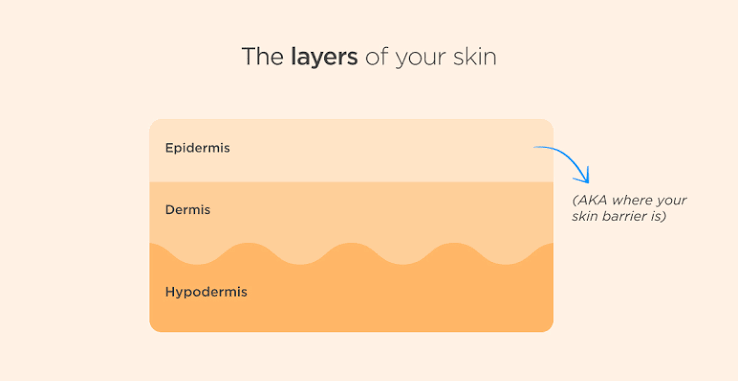
The skin barrier acts like a protective shield.
It helps keep moisture inside while blocking bacteria, allergens, and pollution from entering.
When this barrier becomes damaged, children may experience:
- Dry patches
- Itching
- Redness
- Sensitivity
- Mild eczema flare-ups
Protecting the skin barrier should always be the first goal.
Choosing Safe Products for Skincare for Kids
Parents often believe more products mean better care.
However, experts usually recommend keeping routines simple.
Look for products that are:
- Fragrance-free
- Alcohol-free
- Dye-free
- Hypoallergenic
- Dermatologist-tested
- Designed for children
Gentle formulas lower the chance of irritation while keeping the skin comfortable.
Ingredients That Support Healthy Skin
Several ingredients are considered safe for most children.
These include:
- Glycerin
- Ceramides
- Colloidal oatmeal
- Aloe vera
- Petrolatum
- Shea butter
These ingredients help restore moisture and protect the skin without unnecessary irritation.
Ingredients Parents Should Avoid
Some ingredients are better left for adults.
Avoid products containing:
- Strong retinoids
- High-strength acids
- Harsh physical scrubs
- Heavy fragrance
- Essential oils in high amounts
- Alcohol-based toners
These ingredients may weaken the skin barrier instead of protecting it.
Building Healthy Daily Habits
Children do not need ten-step beauty routines.
Instead, simple daily habits work best.
A healthy morning skincare routine usually includes:
- Wash the face with lukewarm water or a gentle cleanser.
- Apply moisturizer if the skin feels dry.
- Finish with broad-spectrum sunscreen before going outside.
This routine takes only a few minutes but helps protect delicate skin every day.
Sun Protection Is the Most Important Step
If there is one product every child should use regularly, it is sunscreen.
Ultraviolet rays damage skin even on cloudy days.
Studies suggest that much of a person’s lifetime sun exposure begins during childhood.
Choose a sunscreen that offers:
- SPF 30 or higher
- Broad-spectrum protection
- Water resistance for outdoor activities
Remember to reapply every two hours during extended outdoor play.
When Should Children Start Using Skin Care Products?
Many parents ask whether young children need special products.
The answer depends on age and skin condition.
Babies
Most babies only need:
- Gentle cleansing
- Moisturizer when necessary
- Diaper cream
- Sun protection through shade and clothing
Complex beauty products are unnecessary.
Ages 5–8
Children in this age group generally need:
- Gentle face washing
- Moisturizer for dry skin
- Sunscreen
Nothing more is required unless advised by a healthcare professional.
Ages 9–12
As puberty approaches, oil production may begin increasing.
Some children may notice:
- Small pimples
- Oily forehead
- Blackheads
A gentle cleanser designed for young skin may become helpful at this stage.
Common Skin Problems in Children
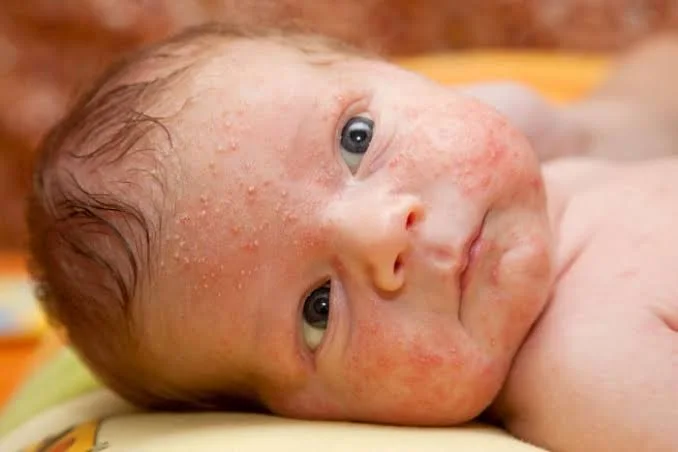
Even healthy children occasionally develop skin concerns.
Fortunately, many are temporary.
Dry Skin
Dry skin is especially common during winter.
Signs include:
- Flaking
- Tightness
- Rough texture
- Mild itching
A fragrance-free moisturizer applied after bathing usually improves symptoms.
Eczema
Children with eczema need extra care.
Dermatologists often recommend:
- Thick moisturizers
- Short lukewarm baths
- Gentle cleansers
- Avoiding harsh soaps
Keeping the skin hydrated helps reduce flare-ups.
Mild Acne
As hormones begin changing, early acne may appear.
Parents searching for the best skincare for oily skin should remember that young skin rarely needs aggressive acne products.
Instead, begin with a mild cleanser before considering stronger treatments.
Social Media Trends: Should Parents Be Concerned?
Recently, videos featuring elaborate beauty routines for children have gained millions of views.
Many products promoted online contain ingredients intended for mature skin.
Experts encourage parents to explain that healthy skin comes from protection, cleanliness, and consistency—not expensive products or complicated routines.
Helping children understand this early builds confidence and healthier expectations.
Can Natural Products Be Better?
Some parents prefer organic skincare because it contains plant-based ingredients.
While many botanical ingredients are gentle, “natural” does not automatically mean safer.
For example, some essential oils and plant extracts may still trigger allergic reactions.
Always patch-test a new product before regular use.
How Puberty Changes Children’s Skin
As children approach puberty, their skin naturally begins to change. Hormonal shifts increase oil production, which may lead to clogged pores, blackheads, or occasional breakouts.
Moreover, these changes do not happen at the same age for every child. Some children notice oily skin at age nine, while others may not experience it until their early teenage years.
Parents should avoid introducing strong treatments too early. Instead, observe how the skin changes and choose gentle products only when needed.
Skincare for Kids by Skin Type
Every child’s skin is unique. Choosing products based on skin type is more effective than following popular trends.
Normal Skin
Children with normal skin usually need only:
- Gentle cleanser
- Lightweight moisturizer if needed
- Daily sunscreen
Keeping the routine simple helps maintain the skin’s natural balance.
Dry Skin
Dry skin benefits from richer moisturizers that contain:
- Ceramides
- Glycerin
- Shea butter
- Colloidal oatmeal
Applying moisturizer within a few minutes after bathing helps lock in moisture.
Oily Skin
Some preteens naturally develop oily skin.
Choose a mild foaming cleanser once or twice a day rather than harsh scrubs. Over-cleansing can actually increase oil production.
Sensitive Skin
Children with skincare for sensitive skin needs should avoid products with fragrance, alcohol, or artificial colors.
Instead, choose formulas labeled for sensitive skin and always patch-test new products before full use.
How Often Should Children Wash Their Face?
For most children:
- Wash once daily if the skin is normal.
- Wash twice daily if oiliness develops during puberty.
- Wash after heavy sweating or sports.
Using very hot water or scrubbing too hard can weaken the skin barrier.
Instead, use lukewarm water and soft hands.
Common Myths About Skincare for Kids
Many online trends create confusion.
Let’s separate fact from fiction.
Myth 1: More Products Mean Better Skin
False.
Healthy young skin usually benefits from fewer products.
Myth 2: Adult Products Are Safe for Everyone
False.
Adult formulas often contain stronger active ingredients that may irritate children’s skin.
Myth 3: Natural Products Never Cause Reactions
False.
Natural ingredients can still trigger allergies or irritation.
Myth 4: Sunscreen Is Only Needed During Summer
False.
Ultraviolet rays reach the skin throughout the year, even on cloudy days.
Teaching Children Healthy Skin Habits
Parents play an important role in shaping lifelong habits.
Encourage children to:
- Wash hands before touching their face.
- Avoid picking pimples.
- Drink enough water.
- Eat fruits and vegetables.
- Get enough sleep.
- Wear hats during long outdoor activities.
These simple habits often have a greater impact than expensive products.
A Simple Weekly Routine
Parents often ask what an ideal schedule looks like.
Here is an easy example.
| Day | Routine |
| Monday | Cleanser + Sunscreen |
| Tuesday | Cleanser + Moisturizer + Sunscreen |
| Wednesday | Cleanser + Sunscreen |
| Thursday | Cleanser + Moisturizer + Sunscreen |
| Friday | Cleanser + Sunscreen |
| Saturday | Gentle cleanser after outdoor play + Moisturizer |
| Sunday | Gentle cleansing and skin check |
Notice how uncomplicated the routine is. Healthy skin rarely needs dozens of products.
When Should Parents See a Dermatologist?
Most skin concerns improve with gentle care.
However, professional advice is important if your child experiences:
- Severe acne
- Painful rashes
- Persistent itching
- Frequent skin infections
- Bleeding or cracked skin
- Moles that rapidly change in size or color
Early treatment often prevents small problems from becoming larger ones.
Choosing Products Wisely
Shopping for children’s products can feel overwhelming.
Instead of focusing on colorful packaging or social media popularity, read ingredient labels carefully.
Products that are fragrance-free, dermatologist-tested, and designed for children are often the safest choice.
Some families also explore ordinary skincare products for older teenagers because of their simple ingredient lists, but younger children generally benefit more from products specifically formulated for pediatric skin.
Learning Good Habits for Life
Many parents ask how to build a skincare routine from scratch for their children.
The answer is surprisingly simple.
Start with:
- Gentle cleansing.
- Moisturizing when needed.
- Daily sun protection.
Once these habits become routine, children are more likely to continue caring for their skin as adults.
Face Masks: Do Children Need Them?
Many children become interested in beauty trends after seeing influencers online.
In reality, face masks skincare products are usually unnecessary for younger children unless recommended by a healthcare professional for a specific skin concern.
A simple routine remains the safest and most effective approach.
Global Trends in Children’s Skin Care
The beauty industry continues to grow, and many families have become curious about routines inspired by korean skincare.
Although Korean beauty emphasizes gentle hydration and protecting the skin barrier, parents should remember that most products are formulated for adults or older teenagers.
Young children generally do not need multi-step routines to maintain healthy skin.
Expert Advice Every Parent Should Remember
Dermatologists consistently recommend these skincare tips for children:
- Choose fewer, gentler products.
- Protect skin from the sun every day.
- Moisturize dry skin promptly.
- Avoid unnecessary fragrances.
- Never copy social media routines without checking whether they are age-appropriate.
These simple recommendations are supported by years of clinical experience and research.
Conclusion
Healthy skin during childhood begins with gentle care, not complicated beauty routines. Most children only need a mild cleanser, moisturizer when necessary, and reliable sun protection to keep their skin comfortable and healthy.
The most important lesson for parents is to focus on protecting the skin barrier rather than chasing trends. By choosing safe products, encouraging healthy habits, and seeking professional advice when needed, you can help your child build confidence and maintain healthy skin for years to come.
Remember, the best routine is often the simplest one.
Frequently Asked Questions
What should a 10 year old use for skin care?
A 10-year-old usually needs a gentle cleanser, a fragrance-free moisturizer if the skin is dry, and a broad-spectrum sunscreen every day.
Should a 7 year old have a skincare routine?
Yes, but it should be very simple. Washing the face gently and applying sunscreen before outdoor activities is usually enough.
What skincare brand is best for kids?
Choose brands that are dermatologist-tested, fragrance-free, and formulated for children’s delicate skin rather than focusing on trends or luxury labels.
What skincare should a 9 year old use?
Most 9-year-olds only need gentle cleansing, moisturizer when necessary, and sunscreen. Strong acne or anti-aging products are generally unnecessary.
Is CeraVe ok for a 10 year old?
Many pediatric dermatologists consider several CeraVe products suitable for children because they contain ceramides and gentle ingredients. However, parents should choose age-appropriate products and consult a healthcare professional if the child has eczema, allergies, or persistent skin problems.
⭐ Make MindLiva Your Preferred Source on Google
Get trusted health, wellness, and lifestyle articles from MindLiva.
Add MindLiva
Samie Babaei is a medical science student at Shahid Beheshti University of Medical Sciences with a strong interest in health, wellness, and medical research. As a health writer and researcher at MindLiva, she focuses on creating clear, evidence-based content that helps readers better understand health and well-being.