




Daily skincare tips to keep your skin youthful forever
Have you ever wondered why some people seem to maintain fresh, glowing skin no matter their age? While genetics certainly play a role, daily habits often make the biggest difference. Small choices you make every morning and evening can either protect your skin or gradually speed up visible aging.
Following the right skincare tips doesn’t require an expensive collection of products or complicated treatments. Instead, success comes from understanding your skin, choosing proven ingredients, and staying consistent. In this guide, you’ll learn dermatologist-inspired advice, practical daily habits, common mistakes to avoid, and science-backed techniques that help your skin stay healthier for years to come.
Why Daily Skincare Matters More Than You Think
Your skin is your body’s largest organ and your first line of defense against pollution, sunlight, bacteria, and environmental damage.
Every day, your skin faces challenges such as:
- UV radiation
- Air pollution
- Dust
- Stress
- Lack of sleep
- Dry indoor air
Over time, these factors can weaken the skin barrier and contribute to wrinkles, uneven tone, and dullness.
However, consistent daily care helps reduce this damage and supports healthier skin over the long term.
Understanding Your Skin Before Following Skincare Tips
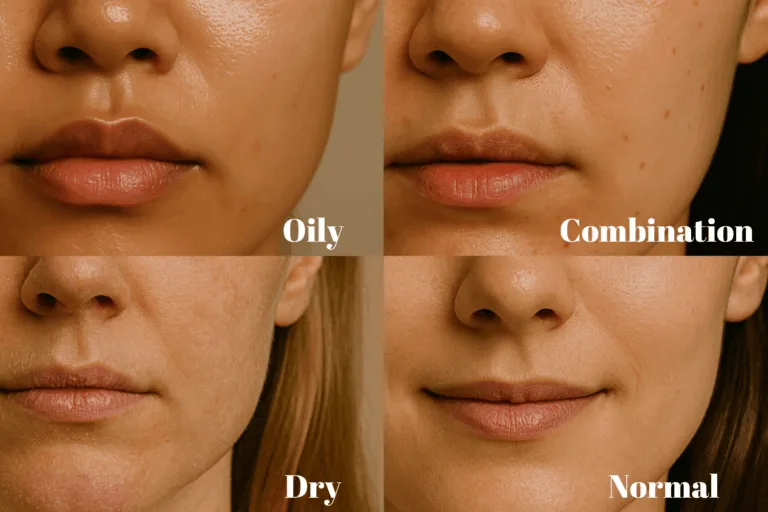
No two people have exactly the same skin.
Before choosing products, identify your skin type so you can make better decisions.
Normal Skin
Normal skin feels balanced.
It usually has:
- Small pores
- Few breakouts
- Even texture
- Comfortable moisture levels
This skin type often responds well to simple daily care.
Oily Skin
Oily skin produces more sebum than necessary.
Signs include:
- Shine throughout the day
- Enlarged pores
- Blackheads
- Frequent acne
People searching for the best skincare for oily skin should choose lightweight moisturizers and gentle cleansers instead of harsh soaps that remove too much oil.
Dry Skin
Dry skin often feels rough and tight.
Common symptoms include:
- Flaking
- Itching
- Fine lines caused by dehydration
- Rough patches
Hydrating ingredients like ceramides and hyaluronic acid are especially beneficial.
Combination Skin
Combination skin includes both oily and dry areas.
Typically:
- Oily forehead and nose
- Dry cheeks
Finding balanced products is usually the best approach.
Sensitive Skin
Individuals looking for skincare for sensitive skin should avoid products with strong fragrances, harsh alcohols, or unnecessary dyes.
Patch testing new products can also help prevent irritation.
Build Healthy Habits That Protect Your Skin
Beautiful skin develops through consistency.
Small daily actions often produce greater results than expensive treatments.
Cleanse Gently
Washing your face removes:
- Dirt
- Sweat
- Pollution
- Sunscreen
- Excess oil
Use a gentle facial cleanser morning and evening.
Avoid washing too often because over-cleansing may weaken the skin barrier.
Moisturize Every Day
Many people believe moisturizer is only necessary for dry skin.
Actually, every skin type benefits from proper hydration.
Moisturizers help:
- Reduce water loss
- Support the skin barrier
- Improve texture
- Keep skin comfortable
Even oily skin needs hydration.
Wear Sunscreen Every Morning
If dermatologists could recommend only one anti-aging habit, sunscreen would almost always be the answer.
Daily SPF helps reduce:
- Wrinkles
- Age spots
- Uneven pigmentation
- Sun damage
- Skin cancer risk
Choose SPF 30 or higher and apply it every morning.
Create a Routine That Works
Many beginners wonder how to build a skincare routine from scratch without buying dozens of products.
Fortunately, the answer is simple.
A basic skincare routine includes only a few essential steps:
Morning
- Gentle cleanser
- Antioxidant serum
- Moisturizer
- Sunscreen
Evening
- Cleanser
- Treatment serum
- Moisturizer
Consistency matters far more than complexity.
Ingredients That Truly Make a Difference
Many products promise amazing results.
Scientific research consistently supports only a handful of active ingredients.
Vitamin C

Vitamin C is a powerful antioxidant.
Benefits include:
- Brighter skin
- Reduced dark spots
- Protection from environmental damage
- Improved overall tone
Retinol
Retinol encourages faster skin renewal.
It may improve:
- Fine lines
- Wrinkles
- Skin texture
- Collagen production
Beginners should start slowly to minimize irritation.
Niacinamide
Niacinamide is suitable for most skin types.
It helps:
- Strengthen the skin barrier
- Reduce redness
- Control excess oil
- Improve uneven tone
Hyaluronic Acid
Despite its name, hyaluronic acid attracts moisture into the skin.
It helps maintain hydration throughout the day.
Lifestyle Choices That Affect Your Skin
Products are only one part of healthy skin.
Your daily habits also matter.
Eat Colorful Foods
A balanced diet provides antioxidants that support healthy skin.
Focus on:
- Berries
- Leafy vegetables
- Nuts
- Fish
- Whole grains
- Healthy fats
Moreover, limiting sugary foods may help reduce breakouts for some individuals.
Drink Enough Water
Hydration supports your body’s natural processes.
While water alone won’t eliminate wrinkles, staying hydrated helps maintain healthier-looking skin.
Sleep Well
During sleep, your body repairs damaged cells.
Aim for seven to nine hours each night whenever possible.
Exercise Regularly
Exercise improves blood circulation.
Better circulation helps deliver oxygen and nutrients throughout the body, including the skin.
Common Mistakes That Speed Up Skin Aging
Avoiding mistakes is just as important as choosing the right products.
Some of the most common errors include:
- Sleeping with makeup on
- Skipping sunscreen
- Picking pimples
- Using expired products
- Washing with very hot water
- Trying too many new products at once
Small improvements in these habits often lead to noticeable results over time.
Advanced Daily Habits for Healthier, Younger-Looking Skin
Once you’ve mastered the basics, a few extra habits can help maintain healthy skin for years to come.
Exfoliate Carefully
Exfoliation removes dead skin cells and helps improve skin texture.
However, more is not always better.
Most people only need to exfoliate one or two times per week. Over-exfoliating can damage the skin barrier and cause redness or dryness.
Choose gentle chemical exfoliants, such as lactic acid or polyhydroxy acids, if your skin is easily irritated.
Don’t Forget Your Neck and Hands
Many people care for their face but ignore their neck and hands.
These areas receive significant sun exposure and often show signs of aging early.
Apply moisturizer and sunscreen to these areas every day for a more even appearance.
Keep Your Pillowcase Clean
Your pillowcase collects oil, sweat, bacteria, and product residue.
Changing it every few days may help reduce breakouts and irritation, especially if you have acne-prone skin.
Seasonal Skin Care Adjustments
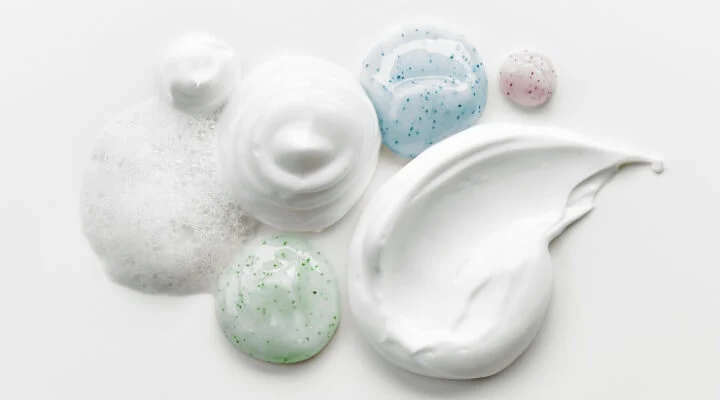
Your skin changes with the weather.
Making small adjustments throughout the year can improve comfort and appearance.
Spring and Summer
Warm weather increases sweating and oil production.
During these months:
- Use lightweight moisturizers.
- Reapply sunscreen every two hours when outdoors.
- Wash your face after heavy exercise.
- Wear sunglasses and a wide-brimmed hat for extra sun protection.
Autumn and Winter
Cold air and indoor heating often reduce skin moisture.
During cooler seasons:
- Switch to richer creams.
- Avoid long, hot showers.
- Use a humidifier if indoor air becomes very dry.
- Apply moisturizer immediately after cleansing.
Skin Care Trends Worth Following
The beauty industry introduces new trends every year. Some are backed by science, while others are simply social media sensations.
Gentle Layering
Inspired by korean skincare, gentle layering emphasizes hydration instead of harsh treatments. This approach can help strengthen the skin barrier and improve long-term skin health.
Budget-Friendly Products
High prices do not always mean better quality.
Many ordinary skincare products contain well-researched ingredients at affordable prices. Reading ingredient labels is often more valuable than choosing products based on marketing alone.
Weekly Masks
Hydrating face masks skincare treatments can refresh tired skin before special occasions or after travel. They provide temporary benefits but should never replace daily cleansing, moisturizing, and sun protection.
Natural Products
Interest in organic skincare continues to grow. While many natural ingredients are beneficial, “natural” does not automatically mean irritation-free. Always test new products on a small area of skin first.
Skin Care for Every Stage of Life
Healthy habits begin early and evolve over time.
For example, skincare for kids should remain simple and gentle, focusing mainly on cleansing, moisturizing when needed, and sun protection.
Meanwhile, skincare for men often includes additional care after shaving to reduce irritation and ingrown hairs.
Regardless of age or gender, protecting the skin barrier remains the foundation of healthy skin.
Myths That Deserve to Be Forgotten
Many popular beliefs about skin health are misleading.
Let’s separate fact from fiction.
| Myth | Reality |
| Expensive products always work better. | Ingredients matter more than price. |
| Oily skin doesn’t need moisturizer. | Every skin type benefits from hydration. |
| Washing your face many times prevents acne. | Overwashing can increase irritation. |
| Sunscreen is only needed on sunny days. | UV rays reach your skin even through clouds. |
| Natural products are always safer. | Natural ingredients can still trigger allergies. |
Conclusion
Healthy, youthful skin is built through daily habits—not overnight miracles.
By understanding your skin type, choosing proven ingredients, protecting your skin from the sun, eating a balanced diet, and following a consistent routine, you give your skin the best chance to stay healthy for years to come.
Remember that every small habit matters. Start with the basics, stay patient, and allow your routine to grow naturally as your skin’s needs change. Long-term consistency will always deliver better results than short-term trends.
Frequently Asked Questions
What are the best skin care tips?
The most effective tips are cleansing gently, moisturizing daily, wearing sunscreen, eating a balanced diet, staying hydrated, and getting enough sleep.
What is the 4 2 4 rule in skincare?
The 4-2-4 method involves massaging cleansing oil for four minutes, using a water-based cleanser for two minutes, and rinsing with water for four minutes. Some people enjoy this method, but it isn’t necessary for healthy skin.
What are the basic skincare tips?
Start with a gentle cleanser, moisturizer, sunscreen, healthy eating habits, and consistent daily care. Simple routines are often the most effective.
How to get 100% clear skin?
No routine can guarantee perfectly clear skin because genetics, hormones, and health conditions also play a role. However, consistent care and professional advice can greatly improve skin health.
Which two serums cannot be used together?
High-strength exfoliating acids and retinoids may increase irritation when applied together, especially for beginners. If you use both, consider applying them on different nights or follow advice from a dermatologist.
⭐ Make MindLiva Your Preferred Source on Google
Get trusted health, wellness, and lifestyle articles from MindLiva.
Add MindLiva
Samie Babaei is a medical science student at Shahid Beheshti University of Medical Sciences with a strong interest in health, wellness, and medical research. As a health writer and researcher at MindLiva, she focuses on creating clear, evidence-based content that helps readers better understand health and well-being.