




Prebiotic Collagen Protein: Benefits, Digestive Health & Safety
Have you ever noticed that when your digestive system feels healthy, your energy, mood, and overall well-being often improve too? Your gut does much more than digest food—it plays an important role in nutrient absorption, immune function, and even everyday comfort.
As more people focus on improving digestive health naturally, products that combine protein with gut-supporting ingredients have become increasingly popular. One of the newest trends is prebiotic collagen protein, a formula designed to provide both nutritional support and ingredients that nourish beneficial gut bacteria.
In this guide, you’ll learn how these products work, their potential health benefits, how to choose a quality formula, and whether current research supports the growing interest surrounding them.
Why Prebiotic Collagen Protein Is Becoming So Popular
Digestive wellness has become one of today’s biggest health priorities. Instead of simply treating digestive discomfort after it appears, many people now focus on supporting a healthier gut every day.
At the same time, interest in functional nutrition continues to grow. Consumers want products that provide more than one benefit. Rather than buying several supplements, they often prefer formulas that combine protein with ingredients that promote digestive balance.
This is one reason why prebiotic collagen protein has attracted attention from nutrition experts, fitness enthusiasts, and wellness-conscious consumers alike.
Moreover, recent research continues to explore the connection between gut health and many areas of overall wellness, including immune function, metabolism, and healthy aging.
What Makes Prebiotic Collagen Protein Different?
Unlike traditional protein powders, these products combine high-quality protein with prebiotic fiber.
Prebiotics are types of fiber that humans cannot digest. Instead, they become food for beneficial bacteria living inside the digestive system.
When these healthy bacteria receive enough nourishment, they can produce compounds that help support a balanced gut environment.
This combination creates a product that aims to support both nutrition and digestive wellness at the same time.
Understanding Prebiotics
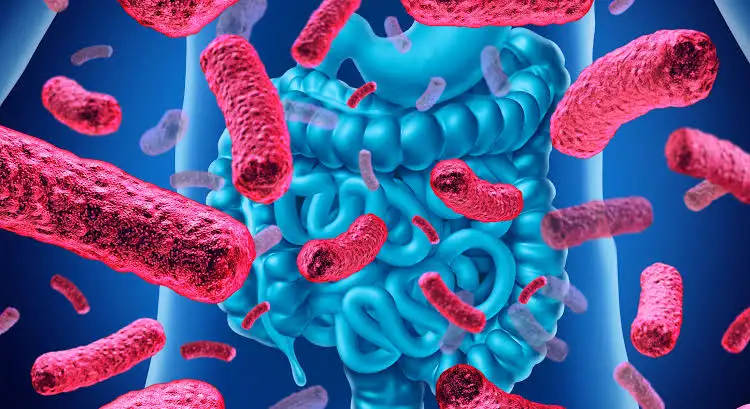
Many people confuse prebiotics with probiotics.
Although their names sound similar, they perform different roles.
Prebiotics
Prebiotics feed beneficial bacteria already living in your digestive tract.
Common sources include:
- Chicory root fiber
- Inulin
- Garlic
- Onions
- Bananas
- Asparagus
- Oats
Probiotics
Probiotics are live microorganisms found in foods such as yogurt, kefir, kimchi, and fermented vegetables.
Simply put:
- Prebiotics feed good bacteria.
- Probiotics add good bacteria.
Both contribute to digestive wellness, but they work differently.
How Gut Health Affects the Whole Body
Scientists now understand that the digestive system influences far more than digestion alone.
Inside the gut lives a complex community of microorganisms known as the gut microbiome.
A balanced microbiome may help support:
- Healthy digestion
- Nutrient absorption
- Immune function
- Regular bowel movements
- Comfortable digestion
- Overall wellness
When this balance is disrupted by poor diet, stress, illness, or antibiotics, digestive discomfort may become more common.
Supporting beneficial bacteria through nutrition is one strategy that many healthcare professionals encourage.
The Role of Protein in Everyday Health
Protein remains one of the body’s most important nutrients.
It helps build, repair, and maintain muscles, skin, bones, and connective tissues.
One structural protein that receives significant attention is collagen, which naturally exists throughout the body.
Although natural production gradually decreases with age, maintaining adequate protein intake remains an important part of healthy aging.
Combining quality protein with prebiotic fiber may provide a convenient option for individuals looking to support multiple aspects of wellness through one product.
How Prebiotic Collagen Protein Supports Digestive Wellness
Although research continues to evolve, scientists have proposed several ways these products may support digestive health.
1. Nourishes Beneficial Gut Bacteria
Prebiotic fibers become food for beneficial microorganisms.
As these bacteria grow, they help maintain a healthier microbial balance.
A balanced microbiome is associated with improved digestive comfort in many individuals.
2. Supports Regular Digestion
Adequate fiber intake remains one of the simplest ways to support normal bowel function.
Many adults consume far less fiber than recommended.
Adding prebiotic fiber through nutrition may help improve digestive regularity when combined with proper hydration.
3. May Improve Nutrient Utilization
Healthy digestive function allows the body to efficiently absorb vitamins, minerals, and other nutrients from food.
Supporting gut health may therefore contribute to overall nutritional status.
4. Encourages Long-Term Wellness
Digestive health affects many body systems.
Because of this, maintaining a balanced gut environment has become an important focus in preventive nutrition.
Rather than searching for quick fixes, many experts encourage consistent healthy habits over time.
The Science Behind the Formula

Many modern products include collagen peptides, which are broken into smaller protein fragments that are easier for the digestive system to process.
Meanwhile, the added prebiotic fibers travel through the digestive tract largely unchanged until they reach the large intestine, where beneficial bacteria ferment them.
This dual-action approach is one reason why these products continue attracting scientific interest.
However, research remains ongoing, and not every claimed benefit has been confirmed by large clinical trials.
Potential Health Benefits Beyond Digestion
Although digestive wellness is often the primary goal, researchers continue investigating additional benefits associated with these products.
Some potential advantages include:
- Supporting healthy skin appearance
- Helping maintain joint comfort
- Supporting healthy connective tissues
- Promoting overall protein intake
- Supporting active lifestyles
While these findings are encouraging, results differ between individuals depending on age, diet, exercise habits, and overall health.
Lifestyle Habits That Improve Results
No supplement works in isolation.
For the best outcomes, combine digestive support with healthy daily habits.
Eat More Fiber
Whole grains, vegetables, fruits, beans, and seeds naturally support digestive health.
Stay Hydrated
Fiber works best when paired with enough water throughout the day.
Exercise Regularly
Physical activity supports healthy digestion and overall metabolism.
Sleep Well
Poor sleep may negatively influence gut health and overall wellness.
Manage Stress
Chronic stress can affect digestive comfort and gut bacteria.
Simple relaxation techniques, walking, or meditation may help reduce its impact.
Common Mistakes When Choosing a Product
Not every formula offers the same quality.
Before buying, consider these important factors:
Check the Ingredient List
Look for products with clearly listed ingredients and minimal unnecessary additives.
Review Fiber Sources
Quality products identify the type of prebiotic fiber they contain.
Avoid Excess Sugar
Some flavored powders contain surprisingly high amounts of added sugar.
Look for Independent Testing
Third-party testing provides additional confidence regarding purity and ingredient accuracy.
Who May Benefit Most from Prebiotic Collagen Protein
Many healthy adults can include prebiotic collagen protein as part of a balanced diet. While it is not a magic solution, it may be a convenient choice for people who want to support both digestive wellness and daily protein intake.
You may find it helpful if you are:
- Looking to improve your daily fiber intake
- Focused on maintaining digestive comfort
- Living an active lifestyle
- Interested in healthy aging
- Trying to increase your daily protein consumption
- Seeking a simple addition to your morning smoothie or breakfast
However, every person has different nutritional needs. If you have a medical condition or food allergy, speak with your healthcare provider before adding any new supplement to your routine.
The Benefits of Collagen Beyond the Gut
Although digestive health is the main reason many people choose these products, researchers continue studying the benefits of collagen in other areas of health.
Current evidence suggests that adequate protein intake may contribute to:
- Healthy skin appearance
- Normal joint function
- Healthy connective tissues
- Strong bones
- Active lifestyles
It is important to remember that supplements work best when combined with a balanced diet, regular exercise, and healthy daily habits.
What Does Collagen Do in the Body?
A common question is, what does collagen do?
The body uses it as a structural protein that helps maintain the strength and flexibility of many tissues. It provides important amino acids that support normal maintenance of skin, cartilage, tendons, ligaments, and bones.
As natural production declines with age, maintaining a healthy diet and adequate protein intake becomes increasingly important.
How Does It Compare with Collagen Supplements?
Many people already use collagen supplements to support their beauty or wellness goals.
The main difference is that prebiotic formulas combine protein with gut-friendly fibers. Instead of focusing only on connective tissue support, they also aim to nourish beneficial bacteria in the digestive system.
For some individuals, this combination offers a more comprehensive wellness approach.
Is It the Best Collagen for Women?
There is no single product that is perfect for everyone. The best collagen for women depends on personal goals, dietary preferences, lifestyle, and ingredient quality.
When comparing products, look for:
- Third-party testing
- Transparent ingredient labels
- Minimal added sugar
- Quality protein source
- Clearly identified prebiotic fiber
Women who are pregnant or breastfeeding should always consult a healthcare professional before using dietary supplements.
Is Vegan Collagen an Alternative?
Many shoppers search for vegan collagen, but traditional collagen is naturally derived from animal sources.
Instead, vegan products usually contain nutrients that support the body’s own collagen production, including:
- Vitamin C
- Zinc
- Silica
- Copper
- Plant-based amino acids
These products may suit people following vegetarian or vegan lifestyles, although they work differently from animal-derived formulas.
Healthy Eating Still Matters

No supplement can replace nutritious meals.
Including foods high in collagen or nutrients that support its natural production can strengthen your overall nutrition plan.
Examples include:
- Bone broth
- Fish
- Chicken
- Citrus fruits
- Bell peppers
- Strawberries
- Tomatoes
- Leafy greens
- Eggs
- Beans
Eating a colorful variety of whole foods provides vitamins, minerals, antioxidants, and fiber that work together to support long-term health.
Can It Help with Weight Management?
Many advertisements suggest dramatic weight-loss results, but the evidence tells a more balanced story.
Protein may help increase feelings of fullness, while prebiotic fiber may support appetite regulation by promoting a healthier gut microbiome.
However, no supplement alone can reduce body fat without healthy eating and regular physical activity.
Experts agree that sustainable weight management depends on consistent lifestyle habits rather than quick fixes.
Safety and Possible Side Effects
Most healthy adults tolerate these products well when used as directed.
Some people may notice temporary digestive symptoms during the first few days, especially if they are increasing fiber intake.
Possible mild effects include:
- Gas
- Bloating
- Mild stomach discomfort
- Changes in bowel habits
These symptoms often improve as the digestive system adjusts.
If symptoms persist or worsen, stop using the product and consult your healthcare provider.
Tips for Choosing a High-Quality Product
With hundreds of products available, quality matters.
Before purchasing, consider these tips:
Read the Label Carefully
Choose products with simple ingredient lists and clearly stated serving sizes.
Check the Protein Source
High-quality ingredients generally provide greater confidence in manufacturing standards.
Review Independent Testing
Third-party certification can help verify ingredient purity and quality.
Avoid Unrealistic Claims
Be cautious of products promising instant weight loss or overnight results.
Reliable brands focus on realistic health benefits supported by research.
Conclusion
Digestive health is becoming one of the most important areas of modern wellness, and prebiotic collagen protein reflects this growing interest by combining quality protein with gut-friendly prebiotic fiber.
Current research suggests that these products may support digestive comfort, healthy gut bacteria, and overall nutrition when used alongside a balanced lifestyle. While they are not miracle solutions, they can become a useful part of a long-term wellness routine for many healthy adults.
The biggest takeaway is simple: focus on consistent healthy habits first. Eat a balanced diet, stay active, drink enough water, manage stress, and choose evidence-based products from trusted manufacturers. Small daily choices often create the greatest long-term improvements.
Frequently Asked Questions
What does prebiotic collagen protein do?
It combines protein with prebiotic fiber to support digestive wellness by nourishing beneficial gut bacteria while also contributing to daily protein intake.
Is prebiotic collagen protein worth it?
For people looking to support gut health and increase protein intake, it may be a convenient addition to a healthy lifestyle. Results vary depending on diet and overall health.
Does prebiotic collagen protein really help with weight loss?
There is no strong evidence that it directly causes weight loss. However, its protein and fiber content may help you feel fuller, which can support healthy eating habits.
Does collagen help with belly fat?
No scientific evidence shows that collagen specifically reduces belly fat. Losing body fat requires a balanced diet, regular physical activity, and a calorie deficit over time.
Is prebiotic collagen safe for everyone?
Most healthy adults can use it safely when following the manufacturer’s directions. People with allergies, chronic illnesses, or those who are pregnant or breastfeeding should consult a healthcare professional first.
⭐ Make MindLiva Your Preferred Source on Google
Get trusted health, wellness, and lifestyle articles from MindLiva.
Add MindLiva
Samie Babaei is a medical science student at Shahid Beheshti University of Medical Sciences with a strong interest in health, wellness, and medical research. As a health writer and researcher at MindLiva, she focuses on creating clear, evidence-based content that helps readers better understand health and well-being.