



What Helps With Constipation? 7 Simple Steps
Have you ever sat in the bathroom wondering why something so basic suddenly feels difficult? You are not alone. Bowel habits can change after travel, stress, a new medicine, less activity, or a few low-fiber meals.
Understanding what helps with constipation matters because quick fixes are not always the best long-term answer. The goal is to soften stool, support natural bowel movement, and identify any trigger that keeps the problem coming back.
In this guide, you will learn the most common causes, useful food choices, practical daily habits, safe treatment options, and clear warning signs. You will also see how pregnancy, iron tablets, and steroids may affect digestion.
Medical note: This article is for general education. Persistent pain, bleeding, vomiting, fever, unexplained weight loss, or an inability to pass gas requires prompt medical care.
First, Know What Normal Looks Like
There is no single “perfect” bowel schedule. Some healthy adults go more than once a day, while others go only a few times each week.
Doctors usually look at more than frequency. Hard or dry stool, painful straining, and the feeling that stool has not fully passed can also point to constipation symptoms.
The National Institute of Diabetes and Digestive and Kidney Diseases notes that fewer than three bowel movements per week is one common sign, but your usual pattern also matters.
Why Bowel Movements Slow Down
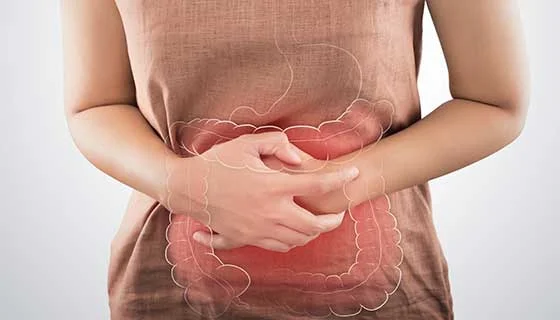
People often search what causes constipation expecting one simple answer. However, several small factors may work together.
Common triggers include:
- Eating too little fiber
- Drinking too little fluid
- Sitting for long periods
- Ignoring the urge to use the bathroom
- Travel or a major routine change
- Stress and poor sleep
- Pregnancy
- Certain medicines or supplements
- Conditions such as diabetes, low thyroid function, irritable bowel syndrome, or pelvic floor problems
In many cases, stool moves slowly through the colon, allowing more water to be absorbed. As a result, the stool becomes harder and more difficult to pass.
Diet, hydration, physical activity, medicines, health conditions, pregnancy, aging, and routine changes can all affect bowel habits. More than one factor may be involved at the same time.
What Helps With Constipation at Home?
The most useful first steps are often simple, but they work best when combined. A glass of water alone may not solve the issue if the diet is very low in fiber.
Likewise, adding a large amount of bran overnight may cause gas and bloating. Gradual changes are usually easier for the digestive system to handle.
Try this practical order:
- Drink fluids regularly. Water supports softer stool, especially when you increase fiber.
- Add fiber slowly. Increase fruits, vegetables, beans, and whole grains over several days.
- Move your body. A short walk after meals may help support normal digestive movement.
- Use the bathroom when the urge appears. Delaying can allow stool to become drier.
- Create a routine. Sitting on the toilet after breakfast can use the body’s natural after-meal bowel response.
- Improve your position. A small footstool can raise the knees and may make passing stool more comfortable.
- Review medicines and supplements. Ask a pharmacist or doctor whether any product could be contributing.
NIDDK guidance supports gradually increasing fiber, drinking enough liquid, staying active, and trying a regular bathroom time. Adults generally need about 22 to 34 grams of fiber each day, depending on age and sex.
How to Relieve Constipation Without Overdoing It
People asking how to relieve constipation often increase everything at once: water, bran, supplements, prunes, and laxatives. That approach may cause cramps, gas, urgency, or diarrhea.
Instead, change one or two things at a time. For example, add oatmeal at breakfast, a pear at lunch, and a 15-minute walk after dinner.
Then track the result for two or three days. This slower method makes it easier to see what your body responds to and which habit is worth keeping.
High-Fiber Foods Chart for Constipation
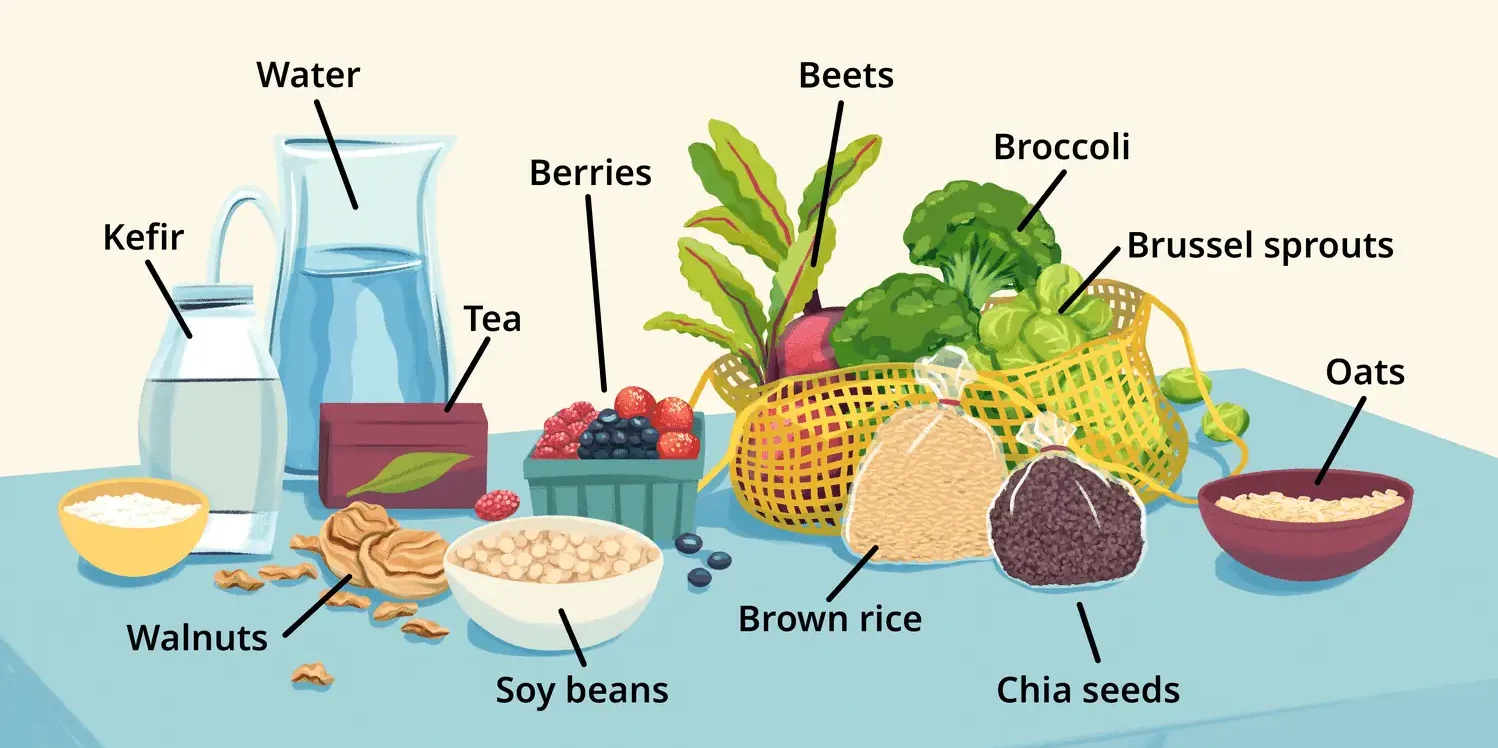
Fiber adds bulk to stool and helps it hold water. However, it should be increased slowly, especially when your current intake is low.
| Food | Easy serving idea | Why it may help |
| Oats | Cooked oatmeal for breakfast | Provides soluble fiber |
| Lentils | Add to soup or salad | High in fiber and plant protein |
| Pears | Eat with the skin | Offers fiber and natural moisture |
| Raspberries | Add to yogurt or oats | A fiber-rich fruit choice |
| Chickpeas | Blend into hummus | An easy way to add legumes |
| Broccoli | Roast or steam as a side | Adds fiber and food volume |
| Chia seeds | Stir into yogurt or water | Absorbs liquid and forms a gel |
| Whole-grain bread | Use for toast or sandwiches | A simple swap for white bread |
| Prunes | Eat a small serving | Provides fiber and natural sugars |
Good fiber sources include whole grains, lentils, beans, chickpeas, berries, pears, apples, vegetables, and nuts. Adding these foods gradually may reduce the risk of uncomfortable gas or bloating.
Moreover, fluid matters. Fiber works better when there is enough liquid available in the digestive tract.
If you have a bowel narrowing, severe abdominal pain, kidney or heart disease, or a medical condition that requires fluid limits, speak with a clinician before making major changes.
Constipation Relief for Adults: When Food Is Not Enough
For occasional problems, a pharmacist or clinician may suggest an over-the-counter product. Options include bulk-forming fiber products, osmotic laxatives, stool softeners, or stimulant laxatives.
Each type works differently:
- Bulk-forming products hold water and increase stool size.
- Osmotic laxatives draw water into the bowel.
- Stool softeners help moisture mix into hard stool.
- Stimulant laxatives encourage bowel contractions.
The best choice depends on the likely cause, your health history, other medicines, and how long the problem has lasted.
Stimulant products are not always the first choice for routine use. Moreover, repeated or long-term laxative use should be discussed with a healthcare professional.
NIDDK advises that a healthcare provider may recommend a short course of a suitable laxative when diet, hydration, activity, and bowel training are not enough.
For safer adult treatment, avoid combining several products without advice. Also, never stop a prescription medicine simply because you suspect it affects your bowel habits.
Does Iron Cause Constipation?
The answer to does iron cause constipation is yes, it can. Oral iron supplements commonly cause digestive side effects, including hard stool, stomach discomfort, nausea, or diarrhea.
However, do not stop iron on your own if it was prescribed for low iron or anemia. Iron may be essential for rebuilding your body’s iron stores and producing healthy red blood cells.
Ask the prescriber whether a different form, dose, schedule, or supportive treatment may be suitable. Some people tolerate one iron product better than another.
MedlinePlus lists constipation among the recognized side effects of oral iron supplements and advises speaking with a healthcare provider when side effects become difficult to manage.
Do Steroids Cause Constipation?
Many readers also ask do steroids cause constipation. Constipation is not usually listed among the most common effects of oral prednisone or prednisolone, although individual bowel changes can still happen.
The cause may be indirect. Steroids can change appetite, sleep, fluid balance, activity level, and blood sugar. In addition, the illness being treated or another medicine may affect digestion.
For example, a person taking a steroid may also be using an opioid pain medicine, an iron tablet, or another product known to slow the bowel.
Most importantly, do not stop a steroid suddenly. Some steroid medicines must be reduced gradually under medical guidance because abrupt withdrawal can cause serious symptoms.
Constipation During Pregnancy

Constipation during pregnancy is common because hormone changes can slow the digestive system. Later in pregnancy, reduced activity, pressure from the growing uterus, and iron supplements may add to the problem.
Helpful steps may include:
- Increasing fiber little by little
- Drinking water throughout the day
- Walking or doing pregnancy-safe movement
- Eating fruit, vegetables, beans, and whole grains
- Responding promptly to the urge to use the bathroom
- Asking a prenatal care provider before using a laxative or herbal product
The American College of Obstetricians and Gynecologists suggests aiming for about 25 grams of fiber each day during pregnancy and increasing intake gradually.
A practical example is to include one fiber source at each meal: oats at breakfast, lentils at lunch, and vegetables with dinner. This is often easier than trying to reach the full daily target in one sitting.
When the Problem May Be More Than Diet
Occasional symptoms often improve with routine changes. However, repeated or severe problems may point to another issue.
Possible causes include:
- Irritable bowel syndrome with difficult bowel movements
- Low thyroid function
- Diabetes
- Celiac disease
- Pelvic floor dysfunction
- Neurological conditions
- A bowel blockage
- Side effects from pain medicines, antidepressants, antacids, or other drugs
A doctor may review your bowel pattern, diet, medicines, supplements, family history, activity level, and recent weight changes.
Depending on the situation, testing may include blood work, stool testing, imaging, a physical examination, or an examination of the colon.
Keeping a short bowel diary can help. Record frequency, stool appearance, pain, food changes, new medicines, and any bleeding.
This information gives your healthcare provider a clearer picture than saying only that your digestion has “not been normal.”
Warning Signs You Should Not Ignore
Seek medical advice promptly if the problem comes with:
- Blood in the stool or rectal bleeding
- Constant or severe abdominal pain
- Vomiting
- Fever
- Inability to pass gas
- Unexplained weight loss
- Black, tar-like stool
- A sudden major change in bowel habits
- Symptoms that do not improve with self-care
These signs do not always mean something serious, but they deserve proper assessment.
In particular, abdominal pain with vomiting and an inability to pass gas may suggest an obstruction or another urgent problem. It should not be treated only with home remedies or additional fiber.
A Seven-Day Digestive Reset Plan
A short reset can help you build steady habits without making extreme changes.
Days 1–2: Observe
Track meals, fluid intake, movement, bathroom timing, and stool appearance. Add one extra glass of water if that is appropriate for your health.
Do not change everything yet. First, look for clear gaps in your routine.
Days 3–4: Add Fiber
Choose one new high-fiber food at breakfast and another at dinner. Keep portions moderate to reduce sudden gas or bloating.
For example, try oats in the morning and lentil soup in the evening.
Day 5: Build Movement
Take a 10- to 20-minute walk after a meal. Gentle movement is often easier to maintain than a hard workout.
The goal is consistency, not intensity.
Day 6: Train the Routine
Sit on the toilet 15 to 45 minutes after breakfast. Eating naturally encourages movement in the colon, which may make this a useful time to try.
Relax, avoid rushing, and do not strain for a long period.
Day 7: Review
Look for changes in comfort, stool form, and frequency. Note which new habits felt realistic and which ones were difficult to maintain.
If nothing improves, symptoms keep returning, or the discomfort is getting worse, contact a healthcare professional.
Conclusion
The best answer to what helps with constipation is usually a combination of enough fiber, regular fluids, daily movement, a steady bathroom routine, and a careful review of medicines.
However, listen to your body. Increase fiber slowly, avoid stacking several remedies at once, and seek help when pain, bleeding, vomiting, fever, weight loss, or lasting symptoms appear.
In short, better bowel health is rarely about one “miracle” food. It is about repeatable habits that support your digestive system every day.
Frequently Asked Questions
What is the fastest natural way to encourage bowel movement?
A warm drink, a fiber-rich meal, gentle walking, and sitting on the toilet after breakfast may help. Results vary, and severe pain or vomiting requires medical attention.
How long is too long without a bowel movement?
Frequency differs from person to person. However, contact a clinician when you feel significant discomfort, your normal pattern changes sharply, or self-care is not working.
Are prunes effective?
Prunes may support regularity for some people. Start with a small serving because eating a large amount may cause gas, cramping, or loose stool.
Can coffee help?
Some people notice that coffee encourages a bowel movement, especially in the morning. However, it is not a dependable treatment and may worsen anxiety, sleep problems, or stomach discomfort in some people.
When should I use a laxative?
A short-term laxative may be reasonable when food, fluid, movement, and routine are not enough. Ask a pharmacist or doctor which type fits your symptoms and medical history.
⭐ Make MindLiva Your Preferred Source on Google
Get trusted health, wellness, and lifestyle articles from MindLiva.
Add MindLiva
Samie Babaei is a medical science student at Shahid Beheshti University of Medical Sciences with a strong interest in health, wellness, and medical research. As a health writer and researcher at MindLiva, she focuses on creating clear, evidence-based content that helps readers better understand health and well-being.