



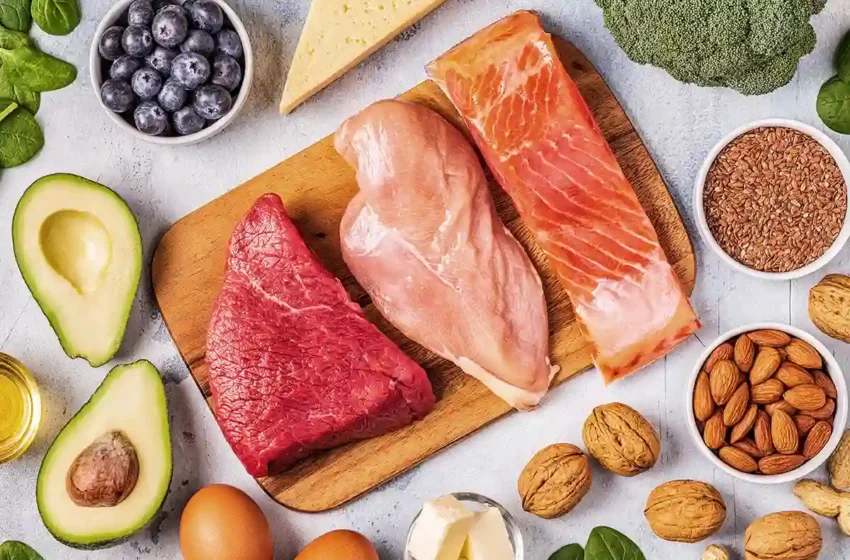
Foods High in Collagen: Benefits, Sources & Skin Health
Have you ever wondered why some people seem to maintain smooth, glowing skin as they age? While good skincare helps, nutrition also plays a major role. The foods you eat every day provide the building blocks your body needs to repair tissues, support healthy joints, and maintain firm skin.
Among the nutrients receiving growing attention, foods high in collagen have become especially popular. Scientists continue to study the benefits of collagen, especially for skin health, bone strength, and connective tissues. Instead of relying only on expensive beauty products, many people are choosing natural foods that help support their body’s own production.
This guide explains which foods are naturally rich in this important protein, how they work inside your body, and how to build delicious meals that support healthy aging. You’ll also discover expert tips, practical examples, and simple habits that make a real difference over time.
Why Foods High in Collagen Matter for Healthy Skin
Your body naturally makes collagen, a structural protein that gives strength to your skin, muscles, tendons, cartilage, and bones. However, production slowly decreases after your mid-twenties. Sun exposure, smoking, stress, and poor nutrition can speed up this decline.
As levels decrease, you may notice:
- Fine lines
- Reduced skin firmness
- Joint discomfort
- Slower recovery after exercise
- Weaker hair and nails
Fortunately, eating nutrient-rich foods can help provide amino acids and vitamins needed for healthy tissue maintenance.
What Does Collagen Do for Your Body?
Many people ask, what does collagen do besides improving skin appearance?
The answer is surprisingly broad.
It helps support:
- Healthy connective tissues
- Flexible joints
- Strong bones
- Blood vessel structure
- Muscle recovery
- Healthy gums
- Hair and nail strength
Moreover, adequate protein intake supports normal body repair throughout life.
Foods High in Collagen That Deserve a Place on Your Plate
Choosing whole foods remains one of the smartest long-term nutrition strategies. Many traditional foods naturally provide protein, amino acids, and minerals that support healthy connective tissues.
1. Bone Broth

Bone broth remains one of the best-known natural sources.
Slow cooking animal bones releases proteins, minerals, and gelatin into the broth, creating a nutrient-rich drink enjoyed in many cultures for centuries.
Why It Works
Bone broth provides:
- Glycine
- Proline
- Minerals
- Gelatin
These nutrients help support healthy connective tissues while adding rich flavor to soups and sauces.
2. Chicken with Skin
Chicken contains significant amounts of connective tissue, especially around the skin and cartilage.
Different cuts provide varying amounts, but slow-cooked chicken dishes often retain more natural proteins.
Examples include:
- Roasted chicken
- Homemade chicken soup
- Slow cooker chicken stew
Besides protein, chicken also supplies B vitamins that support energy metabolism.
3. Fish with Skin
Many people remove fish skin before cooking, yet this is one of the richest parts.
Salmon, sardines, trout, and mackerel all provide valuable nutrients.
Additional advantages include:
- Omega-3 fats
- Vitamin D
- Selenium
- High-quality protein
These nutrients help support healthy skin from multiple directions.
For example, grilled salmon with vegetables offers both healthy fats and protein in one balanced meal.
4. Egg Whites
Although egg whites are not a direct source of connective tissue, they contain large amounts of proline.
This amino acid helps your body build important structural proteins naturally.
Eggs are also:
- Affordable
- Easy to prepare
- Highly versatile
- Rich in protein
They fit well into breakfast, lunch, or dinner.
Vitamin-Rich Foods That Support Natural Production
Eating protein alone is not enough.
Your body also needs vitamins and minerals to build healthy connective tissue efficiently.
Foods Rich in Vitamin C
Vitamin C plays a critical role in tissue formation.
Excellent choices include:
- Oranges
- Kiwi
- Strawberries
- Bell peppers
- Broccoli
- Tomatoes
Without enough vitamin C, your body cannot efficiently produce healthy structural proteins.
Leafy Green Vegetables
Spinach, kale, Swiss chard, and collard greens contain antioxidants that help protect skin cells from oxidative stress.
Moreover, these vegetables provide:
- Folate
- Vitamin K
- Magnesium
- Iron
Adding one serving daily is an easy habit with lasting health benefits.
Berries
Blueberries, raspberries, blackberries, and strawberries contain natural plant compounds that may help reduce oxidative damage.
Their bright colors come from antioxidants known as anthocyanins.
A bowl of mixed berries with yogurt creates a nutritious snack that supports overall wellness.
Citrus Fruits and Tropical Fruits
Oranges, lemons, grapefruit, pineapple, mango, and papaya all contribute nutrients that help maintain healthy skin.
These fruits are refreshing, naturally sweet, and easy to include in smoothies, salads, or desserts.
For example, a breakfast smoothie with berries, spinach, yogurt, and orange provides protein alongside vitamin-rich ingredients that work together.
Healthy Fats Also Matter
Healthy skin needs more than protein.
Foods containing beneficial fats help maintain moisture and support the skin barrier.
Good choices include:
- Avocados
- Walnuts
- Chia seeds
- Flaxseeds
- Extra virgin olive oil
Together, these foods complement protein-rich meals and create a balanced eating pattern.
More Foods High in Collagen for Everyday Meals
A balanced diet includes a variety of foods that work together to support healthy skin, joints, and connective tissues. While protein-rich foods are essential, combining them with vitamin-rich fruits and vegetables creates even better nutritional value.
5. Shellfish

Shellfish such as shrimp, crab, oysters, and mussels contain nutrients that support healthy tissues. Although the meat is nutritious, some of the highest amounts are found in the connective parts and shells used to prepare seafood stock.
In addition, shellfish provide:
- Zinc
- Copper
- Selenium
- High-quality protein
These minerals play important roles in normal skin function and tissue repair.
6. Beef and Beef Tendons
Slow-cooked beef dishes are popular in many cultures because tougher cuts become tender while providing protein and amino acids.
Examples include:
- Beef stew
- Braised short ribs
- Slow-cooked roast
- Beef tendon soup
Pairing these meals with vegetables creates a balanced and satisfying dinner.
7. Pork Cuts with Connective Tissue
Pork shoulder, ribs, and slow-cooked pork dishes naturally contain connective tissues that become soft during cooking.
Cooking methods such as braising or slow roasting help preserve flavor while creating a rich texture that many people enjoy.
Foods That Help Your Body Build Strong Skin
Not every helpful food contains natural structural proteins. Some provide nutrients your body needs to make its own.
Nuts and Seeds
Almonds, sunflower seeds, pumpkin seeds, and cashews supply vitamin E and healthy fats that help protect skin from everyday environmental stress.
Adding a handful to salads or oatmeal is a simple way to improve overall nutrition.
Beans and Legumes
Beans, lentils, and chickpeas offer plant-based protein along with minerals such as copper and iron.
These foods are affordable, filling, and easy to include in soups, curries, and salads.
Garlic
Garlic contains sulfur compounds that help support normal tissue formation. It also adds flavor without adding many calories.
Fresh garlic works well in roasted vegetables, pasta dishes, soups, and homemade sauces.
Simple Meal Ideas
Healthy eating does not have to be complicated. Here are a few easy meal combinations that include several supportive nutrients.
Breakfast
- Greek yogurt with berries and walnuts
- Vegetable omelet with spinach
- Smoothie with fruit, yogurt, and leafy greens
Lunch
- Grilled salmon with quinoa and broccoli
- Chicken salad with avocado
- Lentil soup with whole-grain bread
Dinner
- Homemade bone broth soup with vegetables
- Braised beef with carrots
- Roasted chicken with sweet potatoes and green beans
Healthy Snacks
- Mixed nuts
- Fresh fruit
- Cottage cheese
- Boiled eggs
- Hummus with vegetables
Lifestyle Habits That Protect Skin Elasticity
Food is only one piece of the puzzle. Healthy daily habits also support long-term skin health.
Consider these simple practices:
- Drink enough water every day.
- Wear sunscreen outdoors.
- Get seven to nine hours of quality sleep.
- Avoid smoking.
- Limit excess sugar intake.
- Exercise regularly.
- Manage stress through relaxation techniques.
Together, these habits help maintain healthier-looking skin over time.
Natural Foods vs. Supplements
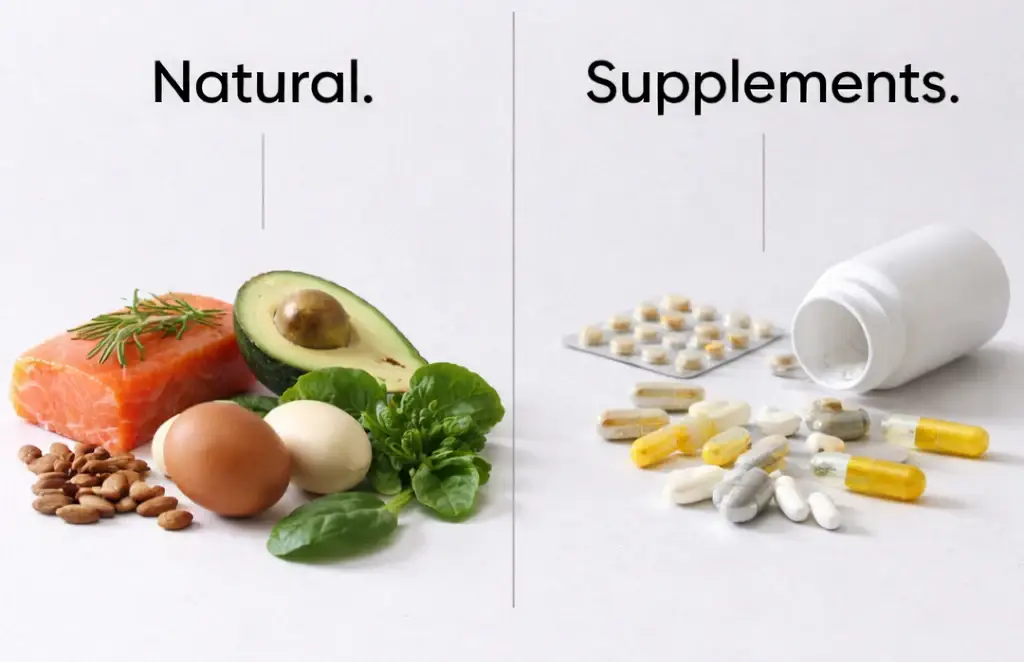
Many people wonder whether food alone is enough or whether additional products are necessary.
Some individuals choose collagen peptides because they dissolve easily in coffee, smoothies, or soups. Others prefer collagen supplements for convenience during busy schedules.
However, nutrition experts generally recommend building a healthy eating pattern first before depending on packaged products. Whole foods provide vitamins, minerals, healthy fats, and fiber that supplements cannot fully replace.
People following plant-based diets may also come across vegan collagen products. These products do not contain animal-derived protein but instead include nutrients that support the body’s natural production process.
Some newer products even combine fiber with protein and are marketed as prebiotic collagen protein, aiming to support both digestive health and skin wellness.
When shopping, you may also notice products promoted as the best collagen for women. In reality, nutritional needs vary from person to person, so choosing a balanced diet and seeking advice from a qualified healthcare professional is often the best approach.
Common Mistakes to Avoid
Even healthy eaters sometimes overlook important habits.
Avoid these common mistakes:
- Eating too little protein.
- Ignoring fruits and vegetables.
- Drinking very little water.
- Consuming excessive sugary foods.
- Expecting overnight results.
- Following restrictive fad diets.
Healthy skin develops through consistent habits rather than quick fixes.
Conclusion
Healthy skin starts from within. Choosing delicious, nutrient-rich meals is one of the simplest ways to support your body’s natural maintenance process. Protein-rich foods, colorful fruits, leafy vegetables, healthy fats, and mineral-rich ingredients all work together to promote stronger tissues and overall wellness.
Rather than searching for one miracle ingredient, focus on building balanced meals that you can enjoy consistently. Small improvements made every day often lead to the greatest long-term results. By making smart food choices and maintaining healthy lifestyle habits, you can support vibrant skin, strong joints, and better overall health for years to come.
Frequently Asked Questions
Which food has the highest collagen?
Bone broth is widely considered one of the richest natural food sources because it is made by slowly simmering bones and connective tissues.
What are the 5 super collagens?
The five main types are Type I, II, III, IV, and V. Type I is the most common and is found in skin, bones, and tendons.
What drink is high in collagen?
Homemade bone broth is one of the most popular natural drinks. Protein-rich smoothies paired with vitamin C fruits also support your body’s natural production.
How do I boost my collagen naturally?
Eat protein-rich foods, include plenty of vitamin C-rich fruits and vegetables, stay hydrated, exercise regularly, protect your skin from excessive sun exposure, and avoid smoking.
What vitamin is best for collagen?
Vitamin C is considered the most important because it helps your body build and maintain healthy connective tissues.
⭐ Make MindLiva Your Preferred Source on Google
Get trusted health, wellness, and lifestyle articles from MindLiva.
Add MindLiva
Samie Babaei is a medical science student at Shahid Beheshti University of Medical Sciences with a strong interest in health, wellness, and medical research. As a health writer and researcher at MindLiva, she focuses on creating clear, evidence-based content that helps readers better understand health and well-being.