



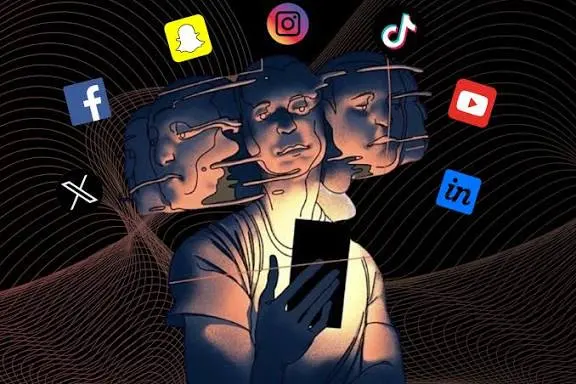
Digital Addiction: Causes and Prevention Strategies
Have you ever picked up your phone to check one message and suddenly realized that thirty minutes have passed? You are not alone. In today’s connected world, digital devices have become essential tools for communication, work, entertainment, and learning. However, when technology use becomes difficult to control, it can slowly affect daily life.
Digital addiction describes a pattern of excessive technology use where people feel unable to reduce their screen time despite negative consequences. From smartphones and social platforms to online games and streaming services, digital activities can become deeply connected to our emotions and routines.
In this article, we will explore why digital addiction develops, how it affects mental and physical health, the signs to watch for, and effective strategies that can help people create a healthier relationship with technology.
What Is Digital Addiction?
Digital addiction refers to compulsive or excessive use of digital devices and online activities that interferes with normal responsibilities, relationships, or personal well-being.
Unlike simply enjoying technology, digital addiction involves a loss of control. A person may continue using devices even when they recognize that it is affecting their sleep, work, studies, or emotional health.
Technology itself is not the problem. Smartphones, computers, and online platforms provide many benefits, including easier communication, access to education, and improved productivity. The concern begins when digital activities become the main source of comfort, entertainment, or emotional escape.
Experts often describe this behavior as a behavioral addiction because it involves repeated actions that provide temporary rewards. Similar to other habits, the brain begins to associate certain digital activities with pleasure and relief.
For example, receiving notifications, completing levels in a game, or watching entertaining videos can trigger feelings of excitement and satisfaction. Over time, the brain may seek these rewards more frequently, creating a cycle that becomes difficult to break.
Why Digital Addiction Is Increasing Today

The modern world is designed around constant connectivity. People carry powerful computers in their pockets, and online services are available every minute of the day.
Several factors contribute to the growth of digital addiction.
Easy Access to Technology
Years ago, accessing the internet required sitting at a computer. Today, smartphones allow instant access anywhere and anytime.
This convenience makes it easier to check emails, browse websites, watch videos, or communicate with others without thinking about the amount of time spent online.
The Design of Digital Platforms
Many apps and websites are created to keep users engaged for as long as possible.
Features such as:
- Endless scrolling
- Automatic video playback
- Personalized recommendations
- Notifications
- Likes and comments
encourage repeated use.
These systems are designed around user engagement, which can make stopping more difficult.
Emotional Escape
Many people turn to digital activities when they feel stressed, lonely, bored, or anxious.
Watching videos, playing games, or browsing online content can provide temporary relief from uncomfortable emotions.
However, relying on technology as the main coping method may prevent people from developing healthier emotional strategies.
Remote Work and Online Learning
The increase in remote work and digital education has created even more dependence on screens.
Although these changes provide flexibility, they also blur the boundaries between personal life and technology use.
Many people now work, study, relax, and communicate through the same devices, making it harder to disconnect.
Common Causes of Digital Addiction
Understanding the causes of digital addiction is the first step toward prevention.
1. The Need for Instant Rewards
The human brain naturally responds to rewards. Digital platforms provide quick satisfaction through messages, likes, achievements, and entertainment.
This creates a reward cycle:
- A person feels bored or curious.
- They check a device.
- They receive something interesting or rewarding.
- The brain remembers the positive feeling.
- They repeat the behavior.
Over time, this cycle can become automatic.
2. Fear of Missing Out (FOMO)
Many people worry that they will miss important conversations, trends, news, or social events if they disconnect.
This fear encourages frequent checking of devices throughout the day.
For some users, staying constantly updated creates stress rather than connection.
3. Lack of Digital Boundaries
Without clear limits, technology can easily take over daily routines.
Examples include:
- Checking phones immediately after waking up
- Using devices during meals
- Scrolling before sleeping
- Keeping notifications active all day
Small habits repeated daily can gradually become difficult-to-control behaviors.
4. Social Connection Needs
Humans naturally seek connection and belonging.
Online platforms provide opportunities to communicate, share experiences, and build communities. However, excessive reliance on digital communication may reduce meaningful offline interactions.
In some cases, excessive online engagement can develop alongside social media addiction, where individuals feel a strong need to constantly check social platforms and receive online validation.
Signs and Symptoms of Digital Addiction

Recognizing the warning signs early can help prevent long-term problems.
Not everyone who spends many hours online has an addiction. The key issue is whether technology use negatively affects daily functioning.
Common symptoms include:
- Spending more time online than planned
- Feeling uncomfortable or anxious without a device
- Checking notifications repeatedly
- Losing interest in offline activities
- Ignoring responsibilities because of screen use
- Staying awake late using devices
- Difficulty concentrating without digital stimulation
- Using technology to escape negative emotions
One major warning sign is unsuccessful attempts to reduce usage.
For example, someone may decide to spend only thirty minutes on their phone but repeatedly continue for several hours.
This loss of control suggests that digital habits may need attention.
How Digital Addiction Affects Mental Health
The relationship between technology and mental health is complex. Digital tools can improve communication and access to information, but excessive use may create emotional challenges.
Increased Stress and Anxiety
Constant notifications and the pressure to stay connected can create mental fatigue.
Many people feel they must respond immediately to messages, emails, and updates, which prevents true relaxation.
Reduced Attention Span
Frequent exposure to short, fast-changing content may make it harder to focus on longer tasks.
Students and professionals may find deep concentration more challenging when their brains become used to constant stimulation.
Mood Changes
Excessive screen use may contribute to feelings of frustration, loneliness, or low motivation.
When digital activities replace exercise, hobbies, and real-world relationships, overall emotional balance can suffer.
Sleep Problems
Using phones, tablets, or computers before bedtime can interfere with healthy sleep patterns.
Late-night browsing often delays sleep, while bright screens may affect the body’s natural sleep signals.
Poor sleep then impacts memory, mood, energy levels, and productivity the following day.
The Physical Effects of Digital Addiction
While many discussions about technology focus on mental health, digital addiction can also influence physical well-being. Spending excessive time on screens often changes daily habits, reducing movement, affecting sleep, and creating physical discomfort.
One of the most common problems is a sedentary lifestyle. When people spend hours sitting with smartphones, computers, or gaming devices, they often replace physical activities such as walking, exercising, or outdoor hobbies.
Over time, reduced movement may increase the risk of:
- Weight gain
- Poor posture
- Muscle tension
- Back and neck pain
- Reduced fitness levels
A condition often called “tech neck” has become more common as people spend long periods looking down at smartphones. This posture places extra pressure on the neck muscles and spine, which can lead to discomfort and stiffness.
Eye health is another important concern. Long periods of screen exposure may cause digital eye strain, with symptoms such as:
- Dry eyes
- Blurred vision
- Headaches
- Eye fatigue
Simple habits like taking regular breaks, adjusting screen brightness, and following the 20-20-20 rule can help reduce eye strain.
Digital Addiction in Children and Teenagers
Young people are among the most active technology users today. Digital devices support education, creativity, and communication, but excessive use can create challenges during important developmental years.
Children and teenagers are still developing emotional regulation, attention skills, and social confidence. Heavy dependence on digital entertainment may influence these areas.
Some possible effects include:
- Difficulty focusing on schoolwork
- Reduced outdoor activity
- Sleep disruption
- Lower patience for slower activities
- Increased emotional dependence on devices
Parents often face a difficult balance. Completely removing technology is unrealistic because digital skills are essential in modern life. Instead, experts recommend teaching children healthy technology habits.
Helpful strategies include:
- Creating screen-time schedules
- Encouraging sports and outdoor activities
- Keeping devices away during meals
- Establishing screen-free bedtime routines
- Discussing responsible online behavior
The goal is not to eliminate technology but to help young people use it intentionally.
Why Gen Z Is So Connected to Technology
Gen Z has grown up during a period when smartphones, social platforms, and online services became part of everyday life.
For many young people, technology is not just a tool—it is a major part of communication, entertainment, education, and identity.
Several reasons explain this strong connection:
Technology Is Their Main Communication Channel
Many Gen Z users prefer messaging, online communities, and digital platforms for staying connected with friends.
Digital Platforms Influence Culture
Trends, music, fashion, and social discussions often begin online. Young people use digital spaces to discover ideas and express themselves.
Online Opportunities Are Growing
Technology provides opportunities for learning, entrepreneurship, creativity, and career development.
However, constant connection can also create pressure. Many young people feel the need to maintain an online presence, respond quickly, and compare themselves with others.
Building awareness and balance is essential for healthy technology use.
How to Cure Screen Addiction and Build Better Habits
Reducing unhealthy screen use requires patience and consistency. The goal is not to completely avoid technology but to regain control over how and when it is used.
Here are practical strategies that can help.
1. Track Your Screen Time
The first step is awareness.
Many people underestimate how much time they spend online. Smartphone screen-time reports can reveal daily patterns and identify areas for improvement.
For example, discovering that three hours are spent daily on entertainment apps can motivate positive changes.
2. Create Technology-Free Times
Designate specific moments when devices are not allowed.
Examples include:
- During meals
- One hour before sleep
- Family conversations
- Exercise sessions
- Personal relaxation time
These boundaries help the brain disconnect and recharge.
3. Replace Digital Habits With Real Activities
Simply removing screen time is often not enough. People need enjoyable alternatives.
Healthy replacements include:
- Reading books
- Walking outdoors
- Learning a skill
- Exercising
- Cooking
- Spending time with friends
- Practicing creative hobbies
When offline activities become rewarding, the urge to constantly check devices decreases.
4. Manage Notifications
Notifications are powerful attention triggers.
Turning off unnecessary alerts reduces interruptions and helps people focus.
Consider keeping only essential notifications active, such as calls from family or important work messages.
5. Avoid Using Devices Before Sleep
Creating a bedtime routine without screens can improve sleep quality.
Instead of scrolling, try:
- Reading
- Meditation
- Stretching
- Listening to calming music
- Journaling
Better sleep often improves mood, energy, and concentration.
Technology Balance: Using Devices in a Healthy Way

The solution to digital addiction is not rejecting technology. Modern life depends on digital tools, and they provide many benefits.
Healthy technology use means using devices with purpose.
A balanced approach includes:
| Unhealthy Digital Habits | Healthy Digital Habits |
| Checking the phone constantly | Checking devices at planned times |
| Using screens to avoid emotions | Developing healthy coping skills |
| Staying online late at night | Protecting sleep routines |
| Comparing yourself online | Following positive content |
| Ignoring real-life activities | Maintaining offline relationships |
Small changes can create significant improvements over time.
The Future of Digital Wellness
As technology becomes more advanced, digital wellness will become increasingly important.
Companies are already creating tools that help users understand and manage their technology habits. Features such as screen-time reports, focus modes, and app limits encourage healthier digital behavior.
Schools and workplaces are also becoming more aware of the importance of balanced technology use.
The future is not about living without technology. Instead, it is about creating a relationship with digital tools that supports human health, productivity, and happiness.
Technology should improve life—not replace real experiences.
Expert Perspective on Digital Addiction
Mental health professionals emphasize that the most important question is not simply “How many hours do you spend online?”
The more important question is:
“How does technology affect your life?”
Someone may spend several hours online for work, education, or creative projects without experiencing problems. Another person may spend fewer hours online but still struggle if technology interferes with relationships, sleep, or responsibilities.
Experts recommend focusing on behavior patterns, emotional dependence, and overall life balance.
Conclusion
Digital addiction is one of the biggest challenges of the modern connected world. While technology improves communication, education, and productivity, excessive use can affect mental health, physical well-being, sleep, relationships, and daily performance.
Understanding the causes and warning signs is the first step toward creating healthier habits. Simple actions, such as setting boundaries, reducing unnecessary notifications, spending more time offline, and choosing meaningful activities, can help restore balance.
Technology should be a tool that supports your goals—not something that controls your attention.
By developing mindful digital habits, individuals can enjoy the advantages of modern technology while protecting their health, focus, and quality of life.
Frequently Asked Questions
What are the symptoms of digital addiction?
Common symptoms include excessive screen use, difficulty stopping device usage, anxiety without technology, ignoring responsibilities, sleep problems, and losing interest in offline activities.
How to cure screen addiction?
Start by tracking screen time, setting daily limits, creating phone-free periods, replacing digital activities with hobbies, and building healthier routines gradually.
What is a phoneaholic?
A phoneaholic is a person who feels overly dependent on their smartphone and frequently checks it even when there is no important reason to do so.
What is tech addiction?
Tech addiction is a pattern of excessive technology use that negatively affects daily life, relationships, productivity, or emotional health.
Why is Gen Z addicted to technology?
Gen Z grew up with smartphones and digital platforms as normal parts of life. Technology influences how they communicate, learn, work, and socialize, making digital balance especially important.
⭐ Make MindLiva Your Preferred Source on Google
Get trusted health, wellness, and lifestyle articles from MindLiva.
Add MindLiva
Samie Babaei is a medical science student at Shahid Beheshti University of Medical Sciences with a strong interest in health, wellness, and medical research. As a health writer and researcher at MindLiva, she focuses on creating clear, evidence-based content that helps readers better understand health and well-being.