



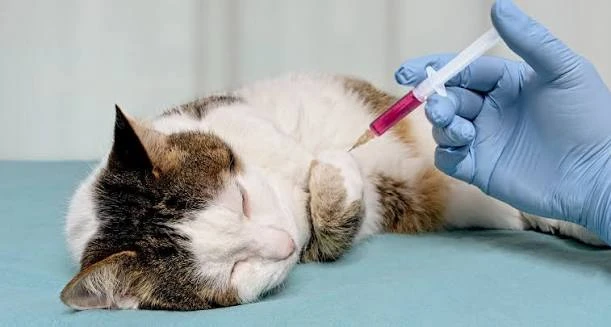
Cat Vaccinations Schedule: What Every Owner Needs to Know
Bringing home a new cat is exciting, but it also comes with important responsibilities. One of the first questions many pet owners ask is, “When should my cat receive vaccinations?”
A well-planned cat vaccinations schedule protects your pet from dangerous infectious diseases before they become a threat. Moreover, vaccines not only keep individual cats healthy but also reduce the spread of illnesses within the wider cat population.
Whether you’ve adopted a playful kitten or rescued an older cat, understanding the proper vaccine timeline helps you make informed decisions. In this guide, you’ll learn when vaccines are needed, why they matter, which ones are essential, and how veterinarians tailor schedules based on a cat’s lifestyle and health.
Why Every Cat Needs a Proper Cat Vaccinations Schedule
Vaccines prepare your cat’s immune system to recognize and fight dangerous viruses and bacteria without causing the actual disease.
Many owners mistakenly believe indoor cats don’t need protection. However, viruses can enter your home through shoes, clothing, visitors, or even another pet. Therefore, every cat deserves an appropriate vaccination plan.
A proper schedule helps protect against illnesses such as:
- Feline panleukopenia
- Feline herpesvirus
- Feline calicivirus
- Rabies
- Feline leukemia virus (FeLV)
These diseases can spread quickly and, in many cases, become fatal if left unchecked.
For example, feline panleukopenia has historically carried mortality rates exceeding 70% in unvaccinated kittens. Fortunately, vaccination dramatically lowers this risk.
How Vaccines Protect Your Cat
Vaccines contain weakened or inactive forms of disease-causing organisms or specific proteins that safely stimulate the immune system.
Once vaccinated, your cat develops protective antibodies. Later, if exposed to the real virus, its immune system can react much faster.
This means:
- Lower risk of severe illness
- Reduced medical costs
- Better long-term health
- Longer quality of life
- Less disease transmission
In short, prevention is always easier—and less expensive—than treatment.
Understanding the Cat Vaccinations Schedule for Kittens
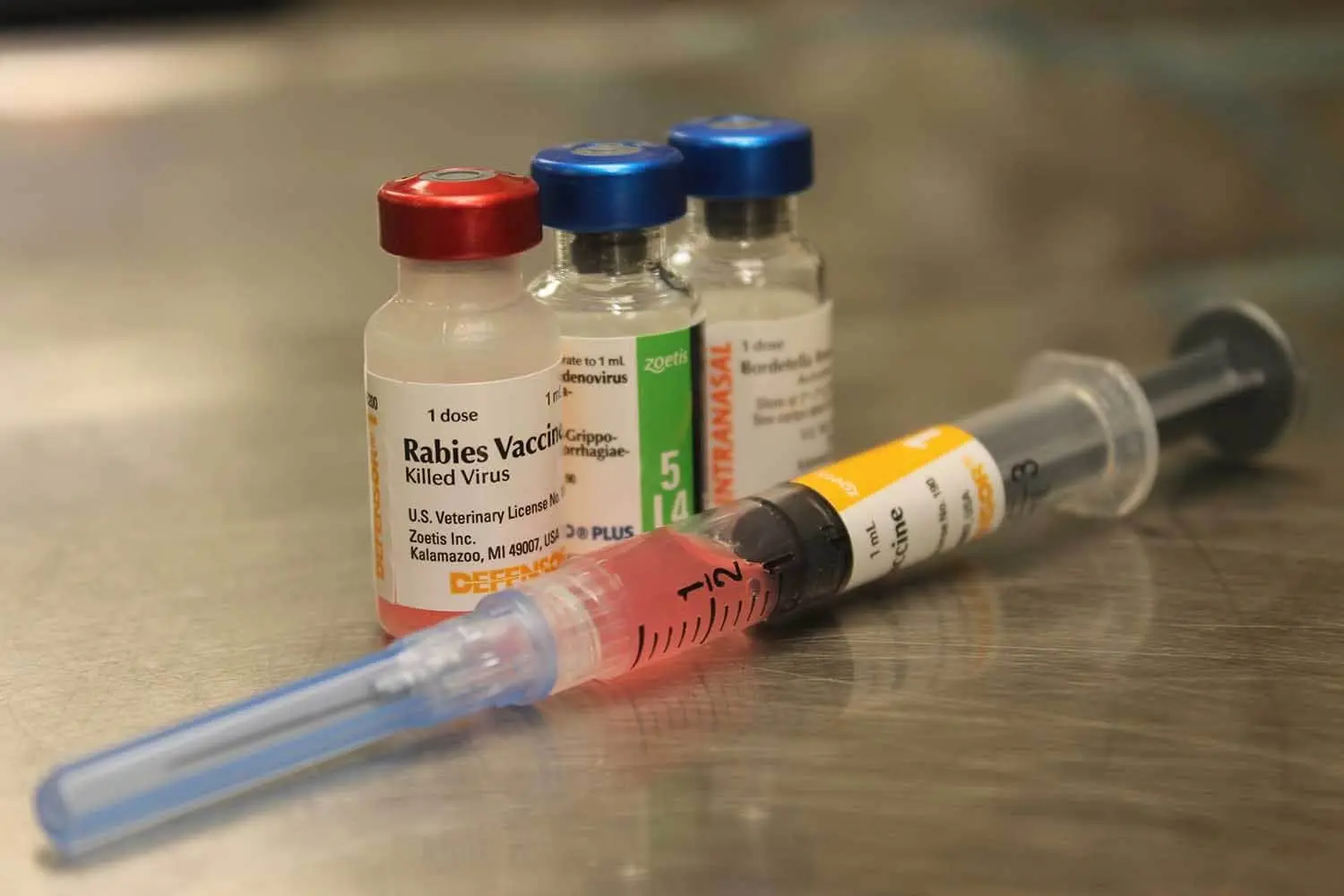
Kittens receive some immunity from their mother’s milk. However, this natural protection gradually fades during the first few weeks of life.
Because maternal antibodies disappear at different times for each kitten, veterinarians recommend several vaccine doses instead of just one.
Typical Kitten Vaccination Timeline
| Kitten Age | Recommended Vaccines |
| 6–8 weeks | First FVRCP vaccine |
| 9–12 weeks | Second FVRCP dose |
| 12–16 weeks | Rabies vaccine (depending on local laws) |
| 12–16 weeks | FeLV vaccine for at-risk kittens |
| 14–16 weeks | Final FVRCP booster |
| 1 year | Booster vaccinations |
Following this timeline helps ensure continuous protection while maternal antibodies disappear.
What Is the FVRCP Vaccine?
FVRCP is considered the most important core vaccine for cats.
It protects against three highly contagious diseases:
Feline Viral Rhinotracheitis
This upper respiratory infection causes:
- Sneezing
- Eye discharge
- Fever
- Loss of appetite
Young kittens are especially vulnerable.
Calicivirus
Calicivirus spreads rapidly among cats.
Symptoms may include:
- Mouth ulcers
- Runny nose
- Joint pain
- Pneumonia in severe cases
Vaccination greatly reduces the severity of infection.
Panleukopenia
Often called feline distemper, this disease attacks the immune system and digestive tract.
Without vaccination, many kittens do not survive severe infections.
Cat Vaccinations Schedule for Adult Cats
Adult cats follow a different schedule than kittens.
Instead of receiving multiple starter doses, they usually need booster vaccines based on their previous vaccination history and lifestyle.
A veterinarian will consider factors such as:
- Age
- Overall health
- Indoor or outdoor lifestyle
- Travel history
- Exposure to other animals
Some vaccines may be recommended every year, while others provide protection for three years.
Indoor Cats vs. Outdoor Cats
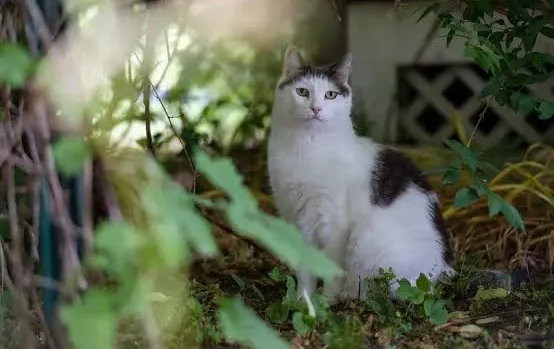
Lifestyle makes a significant difference when planning vaccinations.
Indoor Cats
Although indoor cats have fewer risks, they can still encounter viruses.
Possible exposure includes:
- Open windows
- New pets
- Veterinary visits
- Boarding facilities
- Escaped outdoor adventures
Therefore, veterinarians usually recommend maintaining core vaccinations.
Outdoor Cats
Outdoor cats face much higher exposure.
They may encounter:
- Stray cats
- Wildlife
- Bite wounds
- Shared food bowls
- Contaminated environments
As a result, outdoor cats often require additional vaccines, including protection against feline leukemia.
Core vs. Non-Core Vaccines
Not every vaccine is necessary for every cat.
Veterinarians divide vaccines into two categories.
Core Vaccines
These are recommended for nearly every cat.
They include:
- Rabies
- FVRCP
These diseases are widespread, serious, and often preventable through vaccination.
Non-Core Vaccines
These depend on your cat’s risk level.
Examples include:
- Feline Leukemia (FeLV)
- Bordetella
- Chlamydia felis
For example, a cat living alone indoors may not need every non-core vaccine, while a cat attending boarding facilities may benefit from additional protection.
How Veterinarians Personalize a Cat Vaccinations Schedule
No two cats are exactly alike.
Instead of using the same schedule for every patient, veterinarians perform a complete health assessment before recommending vaccines.
Factors include:
- Age
- Previous vaccination records
- Geographic disease risks
- Overall immune health
- Lifestyle
- Medical conditions
- Pregnancy status
- Exposure to other animals
This personalized approach helps avoid unnecessary vaccines while ensuring adequate protection.
What Happens During a Vaccination Appointment?
Many first-time owners wonder what to expect.
A typical visit includes:
- Full physical examination
- Weight check
- Temperature assessment
- Discussion of lifestyle
- Vaccine administration
- Observation for immediate reactions
Most appointments take less than 30 minutes.
Moreover, veterinarians often answer nutrition and preventive care questions during the same visit, making it an excellent opportunity to review your cat’s overall health.
Expert Insight
Experienced veterinarians emphasize that vaccination is not simply about following a calendar. It is about matching disease risk to the individual cat. An indoor senior cat, an adventurous outdoor hunter, and a newly adopted shelter kitten all have different healthcare needs. Creating a customized cat vaccinations schedule ensures your pet receives the right protection without unnecessary treatments.
Booster Vaccines: Why They Matter
The first round of vaccines builds your cat’s immune response, but that protection does not always last forever. Booster shots remind the immune system how to recognize dangerous diseases and maintain long-term immunity.
In most cases, kittens receive their first booster around one year after completing the initial series. After that, your veterinarian will recommend boosters based on your cat’s age, lifestyle, vaccine type, and local disease risks.
A consistent cat vaccinations schedule helps ensure there are no gaps in protection.
How Often Should Adult Cats Be Vaccinated?
There is no one-size-fits-all answer.
Some vaccines protect for one year, while others remain effective for up to three years. Your veterinarian will recommend the safest schedule based on current veterinary guidelines.
Generally:
- Core vaccines: Every 1–3 years
- Rabies: Depends on local laws and vaccine type
- FeLV: Based on exposure risk
- Non-core vaccines: Only when necessary
Remember, vaccination appointments are also wellness visits where health problems can be detected early.
Are Vaccines Safe for Cats?
Yes. Vaccines are carefully tested for safety before approval and have saved millions of feline lives worldwide.
Like any medical treatment, mild reactions can occur, but serious complications are uncommon.
The benefits of disease prevention greatly outweigh the small risks for most healthy cats.
Common Cat Vaccinations Side Effects

Most reactions disappear within a day or two.
Typical cat vaccinations side effects include:
- Mild tiredness
- Slight fever
- Temporary loss of appetite
- Small swelling at the injection site
- Sleeping more than usual
These are normal signs that the immune system is responding.
When Should You Call the Veterinarian?
Seek veterinary care immediately if your cat experiences:
- Difficulty breathing
- Severe facial swelling
- Continuous vomiting
- Collapse
- Persistent high fever
- Extreme weakness lasting more than 48 hours
Although these reactions are rare, prompt treatment is important.
How Much Do Cat Vaccines Cost?
Vaccination costs vary depending on:
- Your location
- The veterinary clinic
- Required vaccines
- Health examination fees
- Booster requirements
Kittens usually cost more during their first year because they receive multiple vaccine visits.
Many owners search for the cheapest cat vaccinations, but price should never be the only factor. Choosing an experienced veterinarian ensures vaccines are stored, handled, and administered correctly.
Some animal shelters, nonprofit organizations, and community clinics also offer lower-cost vaccination events.
Can You Get Free Cat Vaccinations?
In some areas, animal welfare organizations occasionally provide free cat vaccinations during public health campaigns or adoption events.
These programs often focus on:
- Rescue animals
- Low-income families
- Community cat populations
- Newly adopted kittens
Availability varies by region, so check with local shelters or veterinary associations.
Should Indoor Cats Still Be Vaccinated?
Absolutely.
Many owners assume indoor cats face no disease risk. However, viruses can enter homes through:
- Shoes
- Clothing
- Visitors
- Newly adopted pets
- Emergency escapes outdoors
Even cats that never leave the house benefit from core vaccines.
Moreover, if your indoor cat ever needs boarding or emergency hospitalization, current vaccinations provide an extra layer of protection.
Yearly Cat Vaccinations: Are They Always Necessary?
Many people still believe all vaccines must be given every year.
Modern veterinary medicine has changed that approach.
Some yearly cat vaccinations remain appropriate, while others provide protection for several years. Instead of automatically repeating every vaccine annually, veterinarians assess your cat’s risk and choose the safest schedule.
This personalized approach reduces unnecessary vaccinations while maintaining excellent disease protection.
Special Vaccine Considerations
Senior Cats
Older cats still benefit from preventive healthcare.
Veterinarians may:
- Review previous vaccination records
- Evaluate chronic illnesses
- Adjust booster timing
- Focus on lifestyle risks
Age alone is not a reason to stop vaccinating.
Pregnant Cats
Pregnant cats should only receive vaccines when recommended by a veterinarian.
Planning vaccinations before breeding is usually the safest approach.
Cats with Medical Conditions
Cats with immune disorders or chronic diseases may require individualized vaccine plans.
Your veterinarian will balance disease protection with overall health needs.
Dog and Cat Vaccinations: Why They Differ
Although dog and cat vaccinations share the same goal of preventing infectious disease, they are designed for completely different viruses and bacteria.
Cats should never receive vaccines intended for dogs.
Each species has unique diseases, immune responses, and vaccination schedules. Always use products specifically approved for your pet.
How to Keep Track of Your Cat’s Vaccination History
Missing booster appointments is easier than many owners expect.
Helpful ways to stay organized include:
- Save every vaccination certificate.
- Ask for digital medical records.
- Set reminders on your phone.
- Use your veterinary clinic’s reminder service.
- Keep a dedicated pet health folder.
Good records are especially important if you travel, move, board your cat, or switch veterinarians.
Expert Tips for Following the Best Cat Vaccinations Schedule
Veterinary professionals recommend these simple habits:
- Schedule the next appointment before leaving the clinic.
- Keep your cat indoors until fully vaccinated.
- Watch for mild reactions after each vaccine.
- Bring previous medical records to every visit.
- Discuss lifestyle changes with your veterinarian.
- Never skip wellness examinations.
A proactive approach helps your cat stay healthy throughout every stage of life.
Conclusion
A well-planned cat vaccinations schedule is one of the most effective ways to protect your feline companion from preventable diseases. From the first kitten vaccines to adult boosters, every stage of life requires thoughtful care and regular veterinary guidance.
Vaccination is more than checking a date on the calendar. It is part of a complete health plan that includes routine examinations, proper nutrition, parasite prevention, and a safe environment.
By working closely with your veterinarian and staying up to date with recommended vaccines, you give your cat the best opportunity for a long, active, and healthy life.
Frequently Asked Questions
What is the 3/2/1 rule for cat vaccines?
The 3/2/1 rule commonly refers to giving kitten vaccines every 3–4 weeks until about 16 weeks of age, followed by a booster at 1 year. Your veterinarian will confirm the exact schedule.
What vaccines are recommended for cats?
Core vaccines include FVRCP and rabies. Depending on your cat’s lifestyle, your veterinarian may also recommend feline leukemia (FeLV) or other non-core vaccines.
What is the timeline for cat vaccinations?
Kittens usually begin vaccinations at 6–8 weeks of age, receive boosters every few weeks until around 16 weeks, and then have a booster at one year followed by regular boosters as advised.
Can I skip my cat’s yearly vaccine?
Some vaccines no longer require annual boosters, but you should never skip vaccination appointments without consulting your veterinarian. The correct schedule depends on your cat’s health and risk factors.
Do cats live longer without vaccines?
No. Vaccines help prevent serious infectious diseases that can shorten a cat’s life. Following veterinary recommendations gives cats the best chance of living long and healthy lives.
⭐ Make MindLiva Your Preferred Source on Google
Get trusted health, wellness, and lifestyle articles from MindLiva.
Add MindLiva
Samie Babaei is a medical science student at Shahid Beheshti University of Medical Sciences with a strong interest in health, wellness, and medical research. As a health writer and researcher at MindLiva, she focuses on creating clear, evidence-based content that helps readers better understand health and well-being.