



Causes of Insomnia in Elderly Females: What You Need to Know
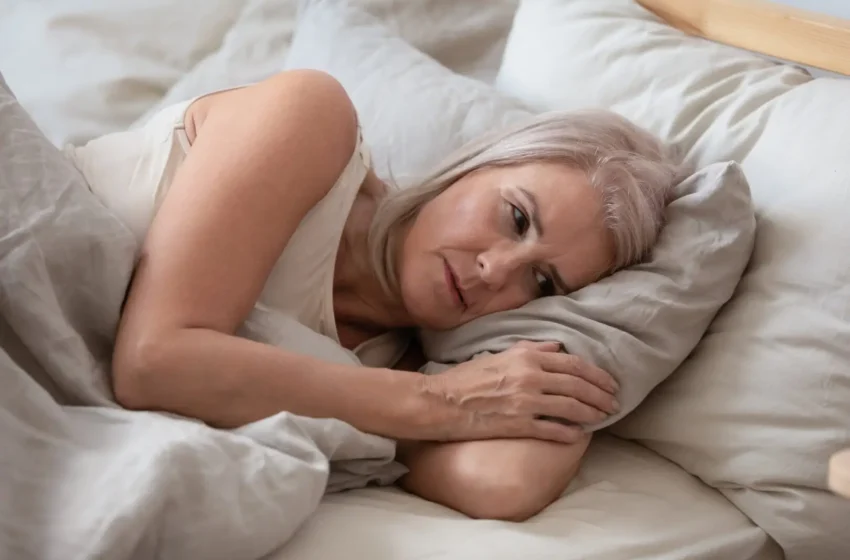
Have you noticed that an older woman in your family struggles to fall asleep, wakes up often, or feels tired throughout the day?
Sleep patterns often change with age, but persistent insomnia is not something older adults should simply tolerate. Many elderly women experience disturbed sleep due to factors such as physical changes, emotional stress, medication effects, and underlying health conditions. These issues can also contribute to the causes of insomnia and fatigue, creating a cycle of poor rest and reduced daytime energy.
Understanding the causes of insomnia in elderly females is essential because healthy sleep plays a key role in supporting memory, emotional balance, immune function, and overall quality of life. In this guide, we will explore why sleep problems occur in older women, how aging affects sleep patterns, the most common medical and lifestyle triggers, and practical strategies to promote more restful sleep.
Why Sleep Changes as Women Get Older
Aging naturally changes sleep patterns.
Many older adults spend less time in deep sleep and may wake up more easily during the night. This does not always mean something is wrong, but frequent disruptions can affect overall health.
Common age-related sleep changes include:
- Falling asleep more slowly
- Waking up earlier than before
- Spending less time in deep sleep
- Feeling tired despite enough time in bed
Moreover, older adults may have different daily routines after retirement. Reduced activity levels, less sunlight exposure, and changes in social schedules can influence the body’s internal clock.
The result may be difficulty maintaining a healthy sleep-wake cycle.
Common Causes of Insomnia in Elderly Females

The causes of insomnia in elderly females are usually connected to several factors working together.
Unlike younger adults, older women often experience a combination of hormonal changes, chronic health conditions, medications, and emotional concerns.
Let’s examine the most common reasons.
1. Hormonal Changes After Menopause
Hormones play a major role in sleep regulation.
After menopause, lower levels of estrogen and progesterone can affect body temperature, mood, and sleep quality.
Many older women experience:
- Night sweats
- Hot flashes
- Increased anxiety
- Mood changes
- More frequent waking
These symptoms can interrupt normal sleep cycles.
The causes of insomnia in menopause are often connected to these hormonal fluctuations. Although menopause usually occurs earlier in life, its effects on sleep patterns can continue for years.
For example, a woman may fall asleep normally but wake multiple times because of nighttime temperature changes.
Health Conditions That Affect Sleep in Older Women
Medical conditions are among the most important reasons seniors experience insomnia.
Some health problems that may interfere with sleep include:
Chronic Pain
Conditions such as arthritis, back pain, and joint problems can make it difficult to find a comfortable sleeping position.
Pain may cause repeated waking throughout the night.
Heart and Lung Conditions
Breathing difficulties, coughing, or discomfort from cardiovascular problems may disturb sleep quality.
Urinary Problems
Many older adults wake frequently because they need to use the bathroom during the night.
This condition, known as nocturia, can significantly reduce uninterrupted sleep.
Restless Legs Syndrome
This condition creates uncomfortable sensations in the legs and an urge to move, often becoming worse during periods of rest.
Medication Side Effects and Sleep Problems
Many older adults take medications for chronic health conditions.
While these medicines may be necessary, some can affect sleep patterns.
Examples include:
- Certain blood pressure medications
- Some antidepressants
- Steroid medications
- Stimulant medications
- Some respiratory treatments
However, medication should never be stopped without medical guidance.
A healthcare professional can review medications and determine whether timing or alternatives may improve sleep.
Mental Health and Emotional Factors
Emotional well-being has a strong connection with sleep.
Older women may experience sleep difficulties because of:
- Anxiety
- Depression
- Grief after losing loved ones
- Social isolation
- Major life changes
The brain remains active when a person is dealing with emotional stress.
For example, someone who worries about health problems or family concerns may find it difficult to relax at bedtime.
Creating emotional support systems and maintaining social connections can support better mental and sleep health.
Lifestyle Factors That Contribute to Insomnia in Elderly Females
Daily habits have a powerful effect on sleep quality.
Even small changes in routine can influence the body’s natural sleep rhythm. For many older women, insomnia develops because several lifestyle factors slowly build up over time.
Common contributors include:
- Irregular sleep schedules
- Lack of daytime movement
- Excessive daytime naps
- Too much screen time before bed
- Caffeine consumption late in the day
- Alcohol use near bedtime
For example, an older adult who takes a long afternoon nap may not feel sleepy at night. Similarly, spending most of the day indoors can reduce exposure to natural light, which helps regulate the body’s internal clock.
Creating a consistent daily routine can make a noticeable difference.
Sleep Environment and Comfort Problems
A comfortable sleep environment becomes increasingly important with age.
Older adults may become more sensitive to:
- Noise
- Room temperature
- Bright lights
- Uncomfortable mattresses
- Household interruptions
Simple improvements can support better sleep:
Bedroom improvements:
- Keep the room cool and comfortable.
- Reduce unnecessary noise.
- Use soft lighting in the evening.
- Choose supportive pillows and bedding.
- Keep electronics away from the sleeping area.
Moreover, a relaxing bedroom can signal to the brain that it is time to rest.
Sleep Disorders That May Affect Older Women
Sometimes insomnia is not caused by habits alone.
Underlying sleep disorders can interfere with rest and may require professional evaluation.
Sleep Apnea
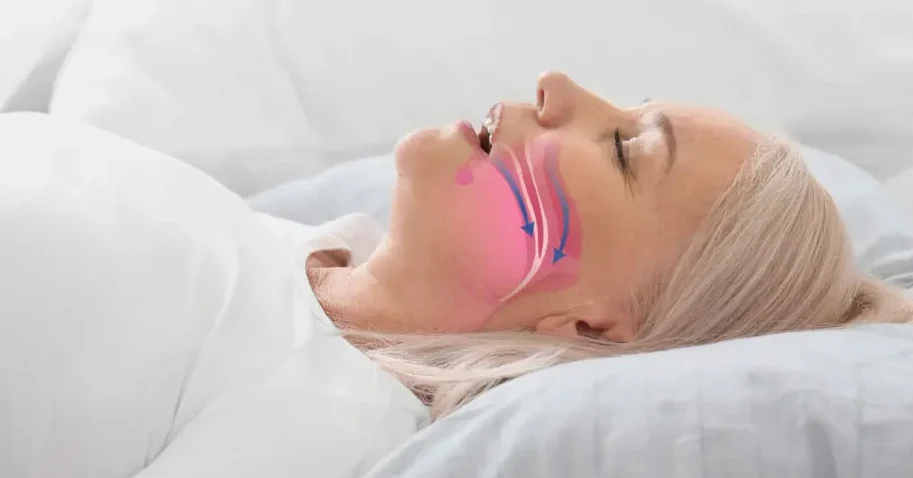
Sleep apnea occurs when breathing repeatedly stops and starts during sleep.
Symptoms may include:
- Loud snoring
- Morning headaches
- Daytime tiredness
- Difficulty concentrating
- Waking up frequently
Although sleep apnea is often associated with men, it can also affect older women.
Because symptoms may look like normal fatigue, many cases go unnoticed.
Restless Legs Syndrome
Restless legs syndrome creates uncomfortable sensations in the legs, especially during the evening.
People may describe:
- Tingling
- Crawling feelings
- An urge to move their legs
This can delay sleep and cause repeated waking.
In some cases, nutrient levels, medications, or health conditions may contribute.
Comparing Causes of Insomnia Across Different Groups
Sleep problems affect people differently depending on age, hormones, lifestyle, and health.
Understanding these differences can help identify the right approach.
Causes of Insomnia in Adults
The causes of insomnia in adults often include:
- Work stress
- Anxiety
- Poor sleep habits
- Technology use
- Irregular schedules
Younger adults may struggle because of busy lifestyles and constant mental stimulation.
Causes of Insomnia in Men
The causes of insomnia in men can include stress, sleep apnea, lifestyle habits, and health conditions.
Men may also experience sleep disruption from:
- High work pressure
- Alcohol use
- Reduced physical activity
- Hormonal changes
Causes of Insomnia in Elderly Females
The causes of insomnia in elderly females often involve:
- Menopause-related changes
- Chronic pain
- Medication effects
- Emotional stress
- Age-related sleep changes
This shows why personalized solutions are important.
A strategy that works for a younger person may not address the needs of an older woman.
Understanding Long-Term and Severe Insomnia
Not all sleep problems are temporary.
Some people experience ongoing sleep difficulties that continue for months or even years.
Causes of Long-Term Insomnia
The causes of long term insomnia may include:
- Untreated medical conditions
- Chronic stress
- Depression or anxiety
- Poor sleep patterns
- Long-term pain
- Sleep disorders
Chronic insomnia can affect:
- Memory
- Mood
- Energy
- Immune function
- Daily independence
However, long-term sleep problems can often improve with proper support and targeted treatment.
Causes of Extreme Insomnia and When to Seek Help
The causes of extreme insomnia may involve serious physical or emotional factors.
Warning signs include:
- Sleeping very little for many nights
- Severe daytime exhaustion
- Confusion or difficulty concentrating
- Major mood changes
- Problems completing normal activities
Extreme insomnia should not be ignored.
A healthcare professional can check for underlying causes and recommend appropriate care.
Practical Tips to Improve Sleep in Elderly Females
Improving sleep usually requires a combination of healthy habits.
Here are practical steps that may help:
1. Maintain a Regular Sleep Schedule
Going to bed and waking up at similar times helps strengthen the body’s sleep rhythm.
Consistency is often more effective than occasional changes.
2. Increase Daytime Activity
Gentle movement can support better nighttime sleep.
Examples include:
- Walking
- Stretching
- Gardening
- Light exercise classes
Physical activity also supports mood and overall health.
3. Get Morning Sunlight
Natural light helps regulate melatonin, a hormone involved in sleep timing.
Spending time outdoors in the morning can help the body recognize when to feel awake and when to prepare for rest.
4. Create a Calm Evening Routine
A predictable bedtime routine helps the brain transition from activity to relaxation.
Helpful activities include:
- Reading
- Listening to quiet music
- Gentle breathing exercises
- Meditation
- Warm baths
Nutrition and Sleep Support for Older Women

Diet can influence energy and sleep quality.
A balanced diet should include:
- Protein-rich foods
- Vegetables
- Whole foods
- Healthy fats
- Adequate hydration
Certain nutrients are important for normal body functions related to sleep.
Examples include:
- Magnesium
- Iron
- Vitamin B12
- Vitamin D
However, supplements should be discussed with a healthcare professional, especially for older adults taking medications.
Conclusion
The causes of insomnia in elderly females are often connected to a combination of aging, hormones, health conditions, medications, and lifestyle habits.
Poor sleep is not simply a normal part of growing older.
By identifying triggers, improving daily routines, creating a comfortable sleep environment, and seeking professional guidance when needed, many older women can experience better rest.
In short, understanding the reason behind insomnia is the first step toward finding a solution.
Small improvements made consistently can support better energy, mood, and quality of life.
Frequently Asked Questions
What helps the elderly with sleeping problems?
A regular sleep schedule, comfortable bedroom, daytime activity, stress management, and addressing health conditions can help improve sleep in older adults.
How much sleep do seniors need?
Most adults aged 65 and older generally need around 7–8 hours of sleep per night, although individual needs may vary.
What are the sleep medications for the elderly?
Doctors may recommend certain medications in specific situations, but many sleep medicines require caution in older adults because of possible side effects.
Why is my 87 year old mother so tired?
Extreme tiredness may result from poor sleep, medications, nutritional issues, medical conditions, or reduced activity. A healthcare evaluation can help identify the cause.
Is it normal for an 84 year old to sleep a lot?
Older adults may need more rest during illness or recovery, but excessive sleepiness can sometimes signal an underlying health issue that should be discussed with a doctor.
⭐ Make MindLiva Your Preferred Source on Google
Get trusted health, wellness, and lifestyle articles from MindLiva.
Add MindLiva
Samie Babaei is a medical science student at Shahid Beheshti University of Medical Sciences with a strong interest in health, wellness, and medical research. As a health writer and researcher at MindLiva, she focuses on creating clear, evidence-based content that helps readers better understand health and well-being.