


Reproductive Hormones: Key Factors in Hormonal Balance
Have you ever wondered why your energy, mood, or sleep patterns suddenly change without an obvious reason? In many cases, the answer lies in your reproductive hormones. These powerful chemical messengers regulate some of the body’s most important processes, from puberty and fertility to pregnancy, aging, and emotional well-being.
Hormones work together like a well-coordinated team. When one hormone rises or falls unexpectedly, it can influence many other systems throughout the body. As a result, even a small imbalance may affect your daily life.
In this article, you’ll learn how reproductive hormones function, why they matter beyond reproduction, what causes hormonal imbalance, and practical ways to maintain healthy hormone levels. You’ll also discover expert insights, real-life examples, and the latest understanding of hormonal health.
Understanding Reproductive Hormones and Their Role
Every hormone has a specific job. Together, reproductive hormones help control growth, sexual development, fertility, pregnancy, and many other biological functions.
They are produced mainly by the ovaries, testes, adrenal glands, pituitary gland, and hypothalamus. These organs constantly communicate through complex feedback loops that keep hormone levels within a healthy range.
Why Hormones Matter Every Day
Many people think reproductive hormones only affect fertility. However, they influence much more than that.
They help regulate:
- Mood and emotional health
- Energy production
- Sleep quality
- Bone strength
- Muscle development
- Heart health
- Brain function
- Sexual health
Because hormones affect so many systems, maintaining balance is essential for overall wellness.
Major Reproductive Hormones Explained
Each hormone has a unique role. Understanding their individual functions makes it easier to recognize why hormonal balance is so important.
Estrogen
Estrogen is one of the body’s most well-known hormones. It plays a key role in reproductive health while supporting many other organs.
Its primary functions include:
- Regulating the menstrual cycle
- Supporting healthy bones
- Protecting cardiovascular health
- Maintaining skin elasticity
- Supporting brain function
Although estrogen is commonly associated with women, men also produce small amounts that contribute to bone and brain health.
Example
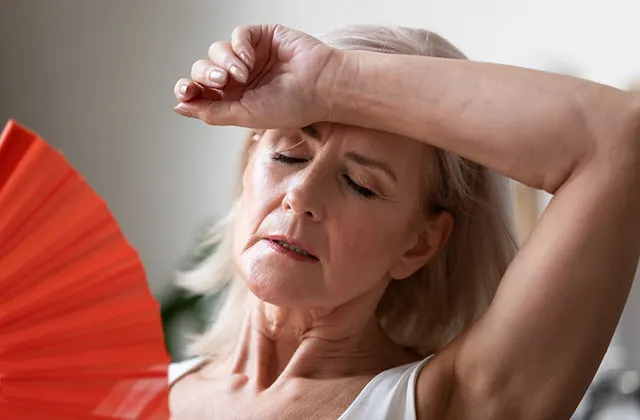
During menopause, estrogen levels naturally decline. As a result, many women experience hot flashes, sleep disturbances, and decreased bone density.
Progesterone
Progesterone works closely with estrogen.
Its responsibilities include:
- Preparing the uterus for pregnancy
- Supporting early pregnancy
- Regulating menstrual cycles
- Promoting restful sleep
- Helping maintain emotional stability
Low progesterone may contribute to irregular periods or difficulty maintaining pregnancy.
Testosterone
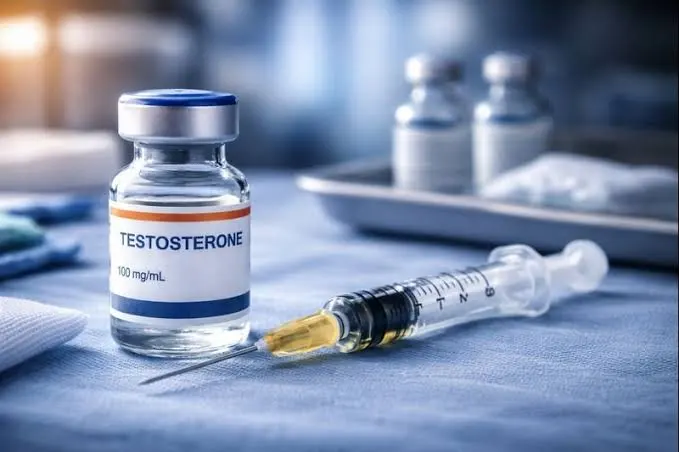
Testosterone is often linked with men, but women also need healthy amounts.
It helps regulate:
- Muscle strength
- Bone density
- Libido
- Energy
- Red blood cell production
Healthy testosterone levels support physical performance and overall vitality.
Follicle-Stimulating Hormone (FSH)
FSH is produced by the pituitary gland.
Its main functions include:
- Stimulating egg development
- Supporting sperm production
- Regulating puberty
- Assisting reproductive maturity
Doctors often measure FSH levels when evaluating fertility or menopause.
Luteinizing Hormone (LH)
LH works together with FSH.
Its responsibilities include:
- Triggering ovulation
- Supporting progesterone production
- Stimulating testosterone production
- Maintaining reproductive function
Without proper LH activity, normal reproductive processes become difficult.
How the Hormonal Feedback System Works
The body carefully controls hormone production through an advanced communication network called the hypothalamic-pituitary-gonadal (HPG) axis.
This system works like a thermostat.
- The hypothalamus sends signals.
- The pituitary gland releases FSH and LH.
- The ovaries or testes produce reproductive hormones.
- Hormone levels send feedback to the brain.
- Production increases or decreases as needed.
This continuous process helps maintain hormonal stability throughout life.
Life Stages That Affect Reproductive Hormones
Hormone levels naturally change throughout different phases of life.
Puberty
Puberty marks the beginning of reproductive maturity.
During this stage:
- Estrogen rises in girls.
- Testosterone rises in boys.
- Growth accelerates.
- Emotional changes become more noticeable.
- Secondary sexual characteristics develop.
These changes usually occur gradually over several years.
Adulthood
During adulthood, hormone production becomes more stable.
However, monthly menstrual cycles, pregnancy, breastfeeding, stress, and lifestyle choices continue to influence hormone levels.
Healthy habits become especially important during these years.
Pregnancy
Pregnancy produces dramatic hormonal changes.
Several hormones increase rapidly to support:
- Baby’s growth
- Placenta development
- Uterine expansion
- Milk production
- Maternal health
Although these changes are completely normal, they often contribute to nausea, fatigue, mood swings, and increased appetite.
Menopause and Aging
Eventually, hormone production naturally declines.
Many women notice:
- Hot flashes
- Night sweats
- Sleep problems
- Bone loss
- Mood changes
Similarly, testosterone gradually decreases in men with age, although the process is usually slower.
Common Signs of Hormonal Imbalance
Hormonal imbalance doesn’t always appear suddenly.
Instead, symptoms often develop gradually.
Common warning signs include:
- Persistent fatigue
- Mood swings
- Anxiety
- Depression
- Weight gain
- Difficulty losing weight
- Low libido
- Hair thinning
- Acne
- Poor sleep
- Brain fog
- Irregular menstrual cycles
- Fertility challenges
Having one symptom does not necessarily indicate a hormonal disorder. However, multiple persistent symptoms deserve medical evaluation.
What Causes Hormonal Imbalance?
Many different factors influence hormone production.
Lifestyle Habits
Everyday choices play a surprisingly large role.
Examples include:
- Poor nutrition
- Lack of exercise
- Smoking
- Excessive alcohol
- Chronic sleep deprivation
- High stress
Fortunately, many of these risk factors can be improved.
Medical Conditions
Certain diseases directly affect hormone production.
Common examples include:
- Polycystic ovary syndrome (PCOS)
- Thyroid disorders
- Diabetes
- Pituitary disorders
- Adrenal disorders
- Autoimmune diseases
Proper diagnosis allows healthcare providers to develop effective treatment plans.
Chronic Stress
Stress hormones interact closely with reproductive hormones.
Long-term stress may reduce fertility while increasing inflammation and disrupting menstrual cycles.
Moreover, stress often affects sleep, which further worsens hormonal balance.
Nutrition and Hormone Production
Food provides the building blocks needed to produce hormones.
A balanced diet supports healthy hormone synthesis by supplying:
- Healthy fats
- Protein
- Vitamins
- Minerals
- Fiber
- Antioxidants
For example, omega-3 fatty acids help reduce inflammation, while zinc supports testosterone production and immune function.
Research also suggests that maintaining healthy hormone activity contributes to metabolic regulation, allowing the body to better manage energy use and maintain overall balance.
Expert Insight
Endocrinologists frequently emphasize that hormone health depends on the entire body’s well-being rather than one single hormone. In clinical practice, improving sleep quality, maintaining a healthy weight, reducing stress, and eating a nutrient-rich diet often leads to noticeable improvements in hormonal function before medication is even considered. This whole-body approach reflects current evidence-based care and highlights the importance of long-term healthy habits.
Female Reproductive Hormones and Their Importance
The balance of female reproductive hormones is essential for overall health. While these hormones are best known for regulating fertility and pregnancy, they also influence the brain, heart, bones, muscles, skin, and emotional well-being.
The primary hormones include:
- Estrogen
- Progesterone
- Follicle-stimulating hormone (FSH)
- Luteinizing hormone (LH)
Together, they regulate the menstrual cycle, ovulation, and pregnancy while supporting long-term health.
How Hormonal Changes Affect Daily Life
Hormonal shifts are normal throughout life. However, sudden or severe changes can cause symptoms that interfere with everyday activities.
Common effects include:
- Mood changes
- Fatigue
- Headaches
- Sleep disturbances
- Changes in appetite
- Reduced concentration
- Skin problems
For example, many women notice temporary mood swings before menstruation because estrogen and progesterone naturally fluctuate.
Reproductive Hormones in Men
Although discussions about hormones often focus on women, male reproductive hormones are equally important.
Testosterone is the primary hormone, but FSH and LH also play vital roles.
These hormones support:
- Sperm production
- Muscle growth
- Bone density
- Sexual function
- Energy levels
- Cognitive performance
As men age, testosterone levels gradually decline. This natural process may contribute to reduced muscle mass, lower energy, and decreased libido.
How Doctors Evaluate Hormonal Health
Because hormone levels naturally change throughout the day and month, diagnosis requires careful evaluation.
Healthcare professionals may recommend:
Blood Tests
Blood testing measures hormone concentrations, including:
- Estrogen
- Progesterone
- Testosterone
- LH
- FSH
- Prolactin
- Thyroid hormones
These tests help identify deficiencies or excess hormone production.
Medical History
Doctors often ask about:
- Menstrual cycles
- Pregnancy history
- Family history
- Sleep habits
- Stress levels
- Medications
- Lifestyle factors
These details provide valuable clues before laboratory testing.
Physical Examination
A physical examination may identify signs such as:
- Acne
- Hair loss
- Excess facial hair
- Weight changes
- Breast changes
- Thyroid enlargement
These observations help narrow possible causes.
Natural Ways to Support Reproductive Hormones
Healthy lifestyle choices remain one of the most effective ways to maintain hormonal balance.
1. Eat a Balanced Diet
Nutrition directly supports hormone production.
Focus on foods such as:
- Colorful vegetables
- Fruits
- Whole grains
- Lean protein
- Healthy fats
- Nuts
- Seeds
- Fatty fish
These foods provide vitamins, minerals, antioxidants, and healthy fats needed for hormone synthesis.
2. Prioritize Quality Sleep
Sleep is often underestimated.
Most adults benefit from 7–9 hours of quality sleep each night.
Poor sleep may increase cortisol while disrupting reproductive hormone production.
Creating a consistent bedtime routine can improve both sleep quality and hormone regulation.
3. Exercise Regularly
Regular physical activity benefits almost every hormone system.
Good options include:
- Walking
- Cycling
- Swimming
- Strength training
- Yoga
However, excessive exercise without enough recovery may negatively affect hormone production.
Balance is key.
4. Manage Stress
Stress cannot always be avoided.
However, healthy coping strategies make a significant difference.
Helpful techniques include:
- Deep breathing
- Meditation
- Journaling
- Spending time outdoors
- Talking with supportive friends
- Practicing mindfulness
Even ten minutes of relaxation each day may improve emotional well-being.
5. Maintain a Healthy Weight
Body fat influences hormone production.
Both obesity and being underweight can disturb normal hormone levels.
Maintaining a healthy weight supports fertility, heart health, and long-term wellness.
Medical Treatments for Hormonal Imbalance

Lifestyle improvements are often the first recommendation.
However, some people require medical treatment.
Treatment depends entirely on the underlying cause.
Common options include:
- Hormone replacement therapy
- Birth control pills
- Fertility medications
- Thyroid medications
- Testosterone therapy (when medically appropriate)
- Surgery for certain hormone-producing tumors
Always consult a qualified healthcare professional before starting hormone therapy.
Foods That Naturally Support Hormone Health
Although no single food can “fix” hormones, some foods provide valuable nutrients.
Excellent choices include:
| Food | Benefit |
| Salmon | Rich in omega-3 fatty acids |
| Eggs | High-quality protein and vitamin D |
| Spinach | Magnesium and iron |
| Greek yogurt | Protein and calcium |
| Avocados | Healthy fats |
| Berries | Antioxidants |
| Walnuts | Healthy fats and minerals |
| Beans | Fiber and plant protein |
A varied diet is usually more beneficial than relying on supplements alone.
Myths About Reproductive Hormones
Many myths continue to circulate online.
Let’s separate fact from fiction.
Myth 1: Hormones Only Affect Fertility
Fact: Hormones influence nearly every organ, including the brain, heart, bones, muscles, and skin.
Myth 2: Hormonal Imbalance Always Requires Medication
Fact: Many mild hormone imbalances improve through healthier sleep, nutrition, exercise, and stress management.
Myth 3: Hormone Problems Only Affect Older Adults
Fact: Hormonal disorders can occur during adolescence, adulthood, pregnancy, or later life.
Myth 4: Supplements Alone Can Balance Hormones
Fact: Most supplements have limited evidence unless a true deficiency exists.
Lifestyle habits remain the foundation of hormonal health.
Conclusion
Hormones quietly regulate countless processes every day, from growth and reproduction to sleep, mood, and energy. When reproductive hormones remain balanced, the body functions more efficiently and adapts better to life’s changes.
Fortunately, supporting hormone health does not always require complicated solutions. Nutritious food, regular physical activity, quality sleep, effective stress management, and routine medical checkups can all make a meaningful difference. Paying attention to early symptoms and seeking professional advice when necessary allows many hormonal conditions to be managed successfully.
Ultimately, understanding your hormones is an investment in your long-term health. Small, consistent lifestyle improvements today can lead to better energy, stronger bones, improved emotional well-being, and a healthier future.
Frequently Asked Questions
1. What are reproductive hormones?
They are chemical messengers that regulate puberty, fertility, sexual development, pregnancy, and many other body functions, including mood and bone health.
2. What causes reproductive hormone imbalance?
Common causes include chronic stress, poor sleep, unhealthy diet, aging, thyroid disorders, PCOS, certain medications, and other endocrine conditions.
3. Can diet improve hormone health?
Yes. A balanced diet rich in protein, healthy fats, fruits, vegetables, and whole grains provides nutrients needed for healthy hormone production.
4. When should I see a doctor about hormone problems?
Seek medical advice if you experience ongoing fatigue, irregular periods, infertility, severe mood changes, unexplained weight changes, or persistent low libido.
5. Can exercise help balance hormones?
Absolutely. Regular moderate exercise supports hormone regulation, improves insulin sensitivity, reduces stress, and promotes better sleep, all of which contribute to hormonal balance.
⭐ Make MindLiva Your Preferred Source on Google
Get trusted health, wellness, and lifestyle articles from MindLiva.
Add MindLiva
Samie Babaei is a medical science student at Shahid Beheshti University of Medical Sciences with a strong interest in health, wellness, and medical research. As a health writer and researcher at MindLiva, she focuses on creating clear, evidence-based content that helps readers better understand health and well-being.