


Male Reproductive Hormones: Secrets of Men’s Health
Have you ever wondered why hormone levels affect so many areas of a man’s health, from strength and energy to fertility and mood? The answer lies in the complex network of male reproductive hormones that guide the body through different stages of life.
Hormones are not only connected to reproduction. They influence muscle development, bone strength, metabolism, brain function, and emotional well-being. When hormone levels are balanced, the body can perform efficiently. However, when changes occur, symptoms such as fatigue, reduced strength, or fertility challenges may appear.
In this article, we will explore how male reproductive hormones work, the role of the male reproductive system hormones, common causes of hormonal changes, and practical ways to support healthy hormone function naturally.
What Are Male Reproductive Hormones?
Male reproductive hormones are chemical messengers that control the development and function of the male reproductive system.
They are produced mainly by:
- The testes
- The pituitary gland
- The hypothalamus
- The adrenal glands
These hormones work together to regulate:
- Sperm production
- Sexual development
- Testosterone production
- Fertility
- Muscle growth
- Bone health
- Energy balance
Although these hormones are strongly associated with reproduction, their effects reach far beyond reproductive health.
For example, testosterone influences muscle maintenance, mood, and physical performance throughout adulthood.
The Main Male Reproductive Hormones Explained
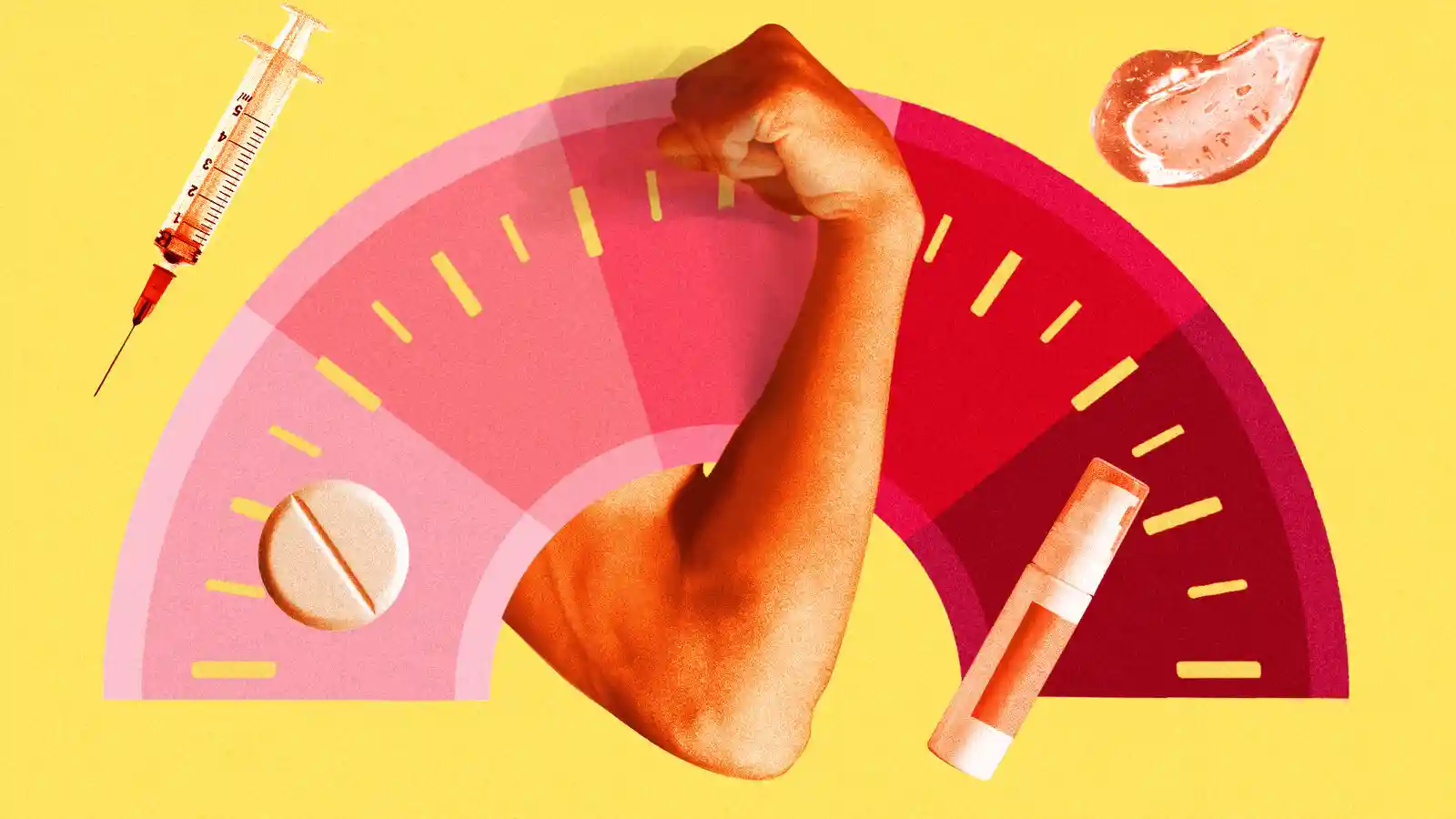
Understanding each hormone helps explain how the male body develops and functions.
Testosterone: The Primary Male Hormone
Testosterone is the most recognized male hormone.
It is mainly produced in the testes and plays a central role in male development.
Important functions of testosterone include:
- Supporting sperm production
- Increasing muscle mass
- Maintaining bone density
- Regulating sex drive
- Supporting red blood cell production
- Influencing mood and motivation
During puberty, testosterone levels increase significantly, causing changes such as:
- Deeper voice
- Facial and body hair growth
- Increased muscle development
- Growth of reproductive organs
However, testosterone remains important throughout adulthood.
Follicle-Stimulating Hormone (FSH)
FSH is produced by the pituitary gland.
Its main role in men is supporting sperm production.
FSH works together with testosterone inside the testes to help create healthy sperm cells.
Low FSH levels may affect fertility because sperm production depends on proper hormonal signaling.
Luteinizing Hormone (LH)
LH is another important hormone produced by the pituitary gland.
Its main function is stimulating the testes to produce testosterone.
The relationship works like a communication system:
- The brain releases signals.
- The pituitary gland produces LH.
- LH stimulates testosterone production.
- Testosterone supports reproductive function.
This process helps maintain hormonal balance.
Inhibin B
Inhibin B is produced by cells inside the testes.
It helps regulate sperm production by providing feedback to the brain.
Doctors may measure inhibin B when evaluating male fertility.
Gonadotropin-Releasing Hormone (GnRH)
GnRH is produced by the hypothalamus.
It starts the entire reproductive hormone process.
GnRH signals the pituitary gland to release FSH and LH.
Without this communication system, normal hormone production cannot occur.
How the Male Reproductive System Hormones Work Together
The male reproductive system hormones operate through a system called the hypothalamic-pituitary-gonadal (HPG) axis.
This system acts like a control center.
The process works as follows:
- The hypothalamus releases GnRH.
- The pituitary gland releases LH and FSH.
- The testes produce testosterone and support sperm development.
- Hormone levels send feedback signals to maintain balance.
This carefully controlled cycle continues throughout life.
Moreover, this hormonal communication system shows how connected the brain and reproductive organs are.
Why Testosterone Matters Beyond Reproduction
Many people think testosterone only affects sexual health.
However, testosterone has many additional roles.
Healthy testosterone levels support:
Muscle Health
Testosterone helps maintain muscle protein production.
This is why lower testosterone levels may contribute to:
- Reduced muscle strength
- Lower exercise performance
- Changes in body composition
Bone Strength
Testosterone contributes to maintaining strong bones.
Low testosterone over time may increase the risk of reduced bone density.
Mental and Emotional Health
Hormones influence the brain as well.
Healthy testosterone levels are associated with:
- Better energy
- Improved motivation
- Stable mood
- Cognitive function
However, mood changes can have many causes, so hormone testing should always be interpreted by healthcare professionals.
Hormonal Changes Throughout a Man’s Life
Hormone levels naturally change with age.
These changes are normal, but understanding them helps identify when medical advice may be needed.
Puberty and Hormonal Development
During puberty, testosterone production increases rapidly.
This triggers:
- Growth of reproductive organs
- Increased muscle development
- Voice changes
- Sexual maturation
The timing of puberty varies between individuals.
Adulthood and Peak Hormone Levels
Testosterone levels are generally highest during young adulthood.
During this stage, hormones support:
- Fertility
- Physical strength
- Energy
- Sexual health
Lifestyle habits during adulthood can influence long-term hormone function.
Aging and Hormone Changes

As men age, testosterone levels may gradually decline.
This process is sometimes called age-related testosterone decline.
Possible changes include:
- Lower energy
- Reduced muscle mass
- Increased body fat
- Lower libido
- Mood changes
However, aging alone does not mean poor health.
Healthy habits can help maintain better hormone function.
Factors That Affect Male Reproductive Hormones
Many factors influence hormone production.
Some are natural, while others are related to lifestyle or health conditions.
Nutrition and Hormone Health
A balanced diet provides nutrients needed for hormone production.
Important nutrients include:
- Zinc
- Vitamin D
- Magnesium
- Healthy fats
- Protein
Foods that support hormone health include:
- Eggs
- Fish
- Nuts
- Seeds
- Lean meats
- Vegetables
- Whole grains
For example, zinc plays an important role in normal testosterone production.
Exercise and Testosterone
Physical activity is one of the strongest lifestyle factors connected with hormone health.
Benefits of exercise include:
- Increased muscle strength
- Better insulin sensitivity
- Improved mood
- Healthy body composition
Strength training is especially beneficial because it stimulates muscle growth and supports hormonal function.
However, excessive exercise without enough recovery may have the opposite effect.
Sleep and Hormone Balance
Sleep is essential for healthy hormone production.
Research shows that poor sleep may reduce testosterone levels and affect energy.
Helpful sleep habits include:
- Keeping a regular schedule
- Avoiding excessive screen time before bed
- Creating a comfortable sleep environment
- Managing stress
Adults generally need around 7–9 hours of quality sleep.
The Connection Between Hormones and Metabolism
Hormones and metabolism are closely connected.
Testosterone, insulin, thyroid hormones, and stress hormones all influence how the body uses energy.
Healthy hormone function supports metabolic regulation, which helps control:
- Blood sugar
- Fat storage
- Energy production
- Muscle maintenance
When hormone signals become disrupted, changes in weight and energy levels may occur.
Common Hormonal Disorders Affecting Male Reproductive Hormones
Hormonal changes are a natural part of life. However, certain conditions can disrupt normal hormone production and affect fertility, energy, and overall health.
Understanding these conditions helps men recognize when professional support may be needed.
Low Testosterone (Hypogonadism)
Low testosterone, also called hypogonadism, occurs when the body does not produce enough testosterone.
It may happen because of problems involving:
- The testes
- The pituitary gland
- The hypothalamus
- Certain medical conditions
Common symptoms may include:
- Reduced energy
- Lower muscle strength
- Decreased sexual desire
- Mood changes
- Difficulty concentrating
- Reduced sperm production
However, these symptoms can have many different causes. A proper medical evaluation is important before making conclusions.
Causes That May Affect Testosterone Levels
Several factors can influence testosterone production.
Aging
Testosterone levels usually decrease gradually as men get older.
This change is often slow and varies from person to person.
Healthy lifestyle habits can help maintain better physical and hormonal health throughout aging.
Excess Body Fat
Body fat is not just stored energy. It also produces chemical signals that affect hormone activity.
Higher levels of abdominal fat may be associated with lower testosterone levels.
Improving body composition through exercise and nutrition may support healthier hormone balance.
Chronic Stress
Long-term stress increases cortisol production.
High cortisol levels may interfere with normal reproductive hormone signaling.
Stress management strategies can support better overall hormonal health.
Helpful approaches include:
- Meditation
- Physical activity
- Relaxation techniques
- Social connection
- Time outdoors
Poor Sleep
Sleep plays a major role in hormone production.
Consistently sleeping too little may affect:
- Testosterone levels
- Energy
- Mood
- Appetite regulation
Improving sleep quality is one of the simplest ways to support hormone function.
Male Fertility and Hormone Function
Fertility depends on a carefully balanced hormonal system.
The production of healthy sperm requires proper communication between the brain, pituitary gland, and testes.
Important hormones involved include:
- Testosterone
- FSH
- LH
- GnRH
- Inhibin B
When this communication system is disrupted, sperm production may decrease.
Factors That Influence Male Fertility
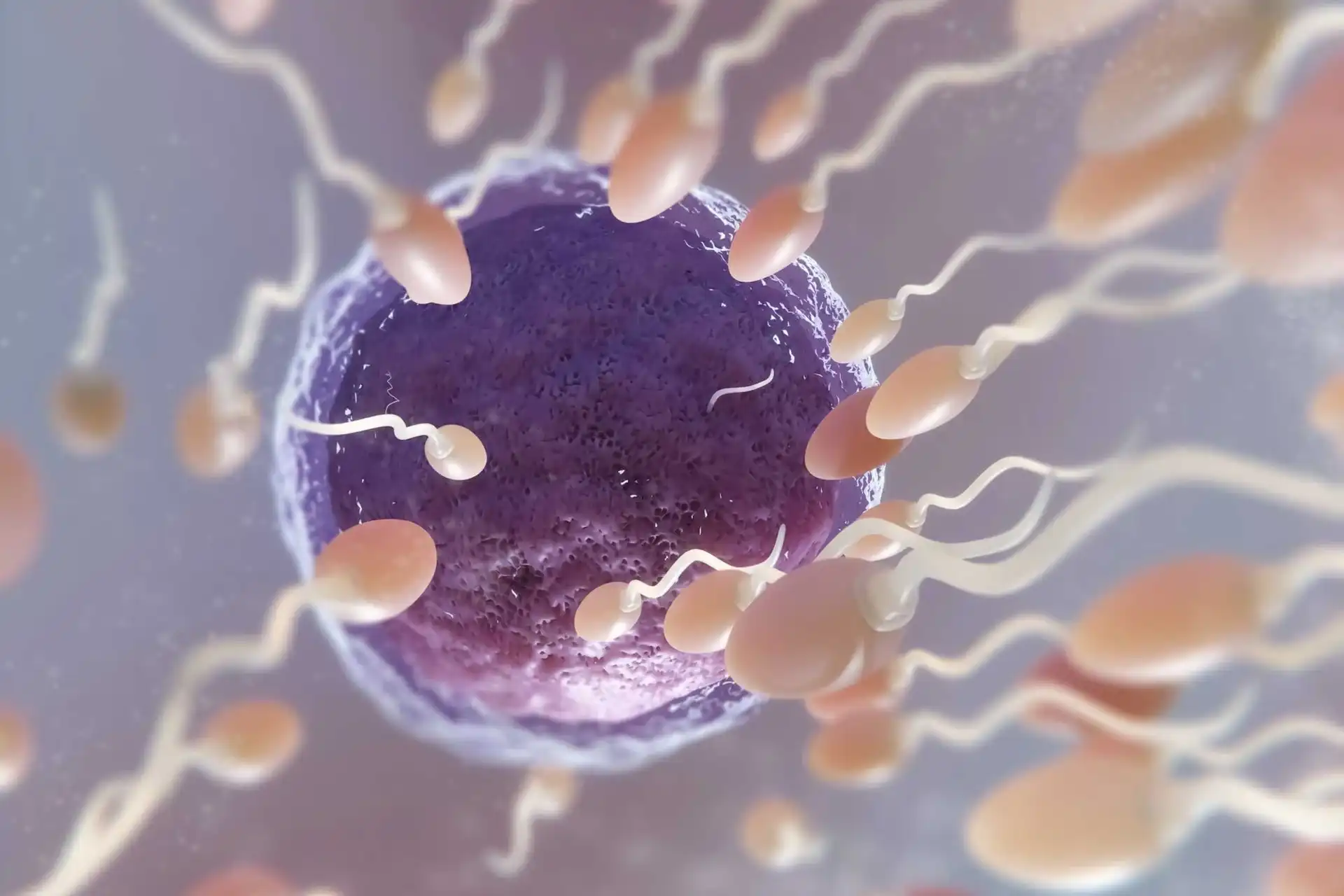
Several lifestyle and environmental factors can affect sperm health.
These include:
- Smoking
- Excess alcohol consumption
- Poor nutrition
- Chronic stress
- Certain medications
- Environmental toxins
- Lack of physical activity
Fortunately, many lifestyle factors can be improved.
For example, increasing physical activity and improving diet may positively influence sperm quality over time.
Hormone Testing and Diagnosis
If symptoms suggest hormonal imbalance, doctors may recommend testing.
Blood Tests
Blood tests can measure:
- Total testosterone
- Free testosterone
- LH
- FSH
- Prolactin
- Thyroid hormones
- Estradiol
Testing is usually interpreted alongside symptoms and medical history.
Semen Analysis
For men experiencing fertility concerns, doctors may evaluate:
- Sperm count
- Sperm movement
- Sperm shape
- Semen volume
This provides information about reproductive function.
Physical Examination
A healthcare professional may also evaluate:
- Body composition
- Muscle development
- Testicular health
- Signs of hormonal disorders
A complete evaluation provides a clearer picture than one test alone.
Natural Ways to Support Male Reproductive Hormones
Healthy hormone function depends on many daily habits.
While lifestyle changes cannot solve every hormonal problem, they can create a stronger foundation for health.
1. Build Muscle Through Resistance Training
Strength training is one of the most effective forms of exercise for supporting testosterone and metabolic health.
Examples include:
- Weightlifting
- Bodyweight exercises
- Resistance band workouts
Muscle tissue is metabolically active and supports healthier energy regulation.
2. Maintain a Balanced Diet
A hormone-supporting diet should include:
Protein Sources
Examples:
- Fish
- Eggs
- Chicken
- Beans
- Lentils
Protein supports muscle repair and hormone production.
Healthy Fats
Healthy fats are important because hormones are created from fat-related molecules.
Sources include:
- Olive oil
- Avocados
- Nuts
- Seeds
- Fatty fish
Micronutrients
Important nutrients include:
- Zinc
- Magnesium
- Vitamin D
- Selenium
A nutrient deficiency may negatively affect hormone function.
3. Maintain a Healthy Weight
Healthy body composition supports hormone balance.
Excess abdominal fat may increase inflammation and affect testosterone activity.
However, extreme dieting can also negatively affect hormones.
The goal is sustainable health, not rapid changes.
4. Reduce Exposure to Harmful Habits
Certain habits may interfere with hormone health.
Consider limiting:
- Smoking
- Excess alcohol
- Highly processed foods
- Chronic sleep deprivation
Small improvements can create meaningful benefits over time.
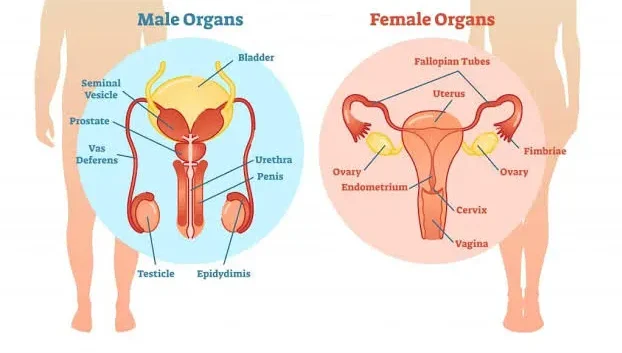
The Relationship Between Male and Female Hormones
Hormones work through similar biological systems in both men and women.
Although men and women have different hormone patterns, both require balanced hormone activity.
For example, female reproductive hormones such as estrogen and progesterone influence metabolism, bone health, and overall wellness, while testosterone plays important roles in male physical development.
The human body depends on hormonal communication rather than isolated hormones working alone.
New Research in Male Hormone Health
Research into male hormone health continues to expand.
Scientists are exploring:
Personalized Hormone Care
Future healthcare may focus more on individual differences, including:
- Genetics
- Lifestyle
- Age
- Environmental factors
- Personal hormone patterns
This approach may improve treatment accuracy.
Digital Health Monitoring
Technology is creating new ways to track health.
Future tools may monitor:
- Sleep patterns
- Exercise habits
- Blood markers
- Nutrition patterns
These insights may help detect changes earlier.
Nutrition and Hormone Research
Scientists are studying how specific nutrients influence hormone pathways.
Areas of interest include:
- Vitamin D and testosterone
- Omega-3 fats and inflammation
- Gut health and hormone signaling
- Protein intake and muscle preservation
This research may lead to better strategies for supporting healthy aging.
Common Myths About Male Reproductive Hormones
Myth 1: More Testosterone Always Means Better Health
Fact: Healthy balance matters more than having extremely high hormone levels.
Too much or too little hormone activity can create problems.
Myth 2: Testosterone Only Affects Sexual Function
Fact: Testosterone influences muscles, bones, energy, mood, and overall physical health.
Myth 3: Hormone Problems Only Affect Older Men
Fact: Hormonal issues can occur at different ages due to genetics, lifestyle, or medical conditions.
Myth 4: Supplements Can Automatically Increase Testosterone
Fact: Many supplements have limited evidence. A healthy lifestyle and medical evaluation are more reliable approaches.
Conclusion
Understanding male reproductive hormones provides valuable insight into how the male body develops, functions, and maintains health throughout life.
These hormones influence fertility, muscle strength, energy, mood, bone health, and metabolism. Although hormone levels naturally change with age, many lifestyle choices can support healthier hormone function.
Regular exercise, balanced nutrition, quality sleep, stress management, and preventive healthcare create the foundation for long-term wellness.
The most important message is that hormone health is not about chasing a perfect number. It is about creating balance and supporting the body’s natural systems.
By understanding how hormones work and recognizing possible warning signs early, men can take meaningful steps toward better health and improved quality of life.
Frequently Asked Questions
What are the 5 male hormones?
The five important male hormones include testosterone, follicle-stimulating hormone (FSH), luteinizing hormone (LH), gonadotropin-releasing hormone (GnRH), and inhibin B. They work together to regulate reproduction and other body functions.
What are male reproductive hormones?
Male reproductive hormones are chemical messengers that control sperm production, testosterone production, sexual development, and reproductive function. The main examples include testosterone, FSH, LH, and GnRH.
What are the 4 male reproductive systems?
The four main parts involved in male reproduction include:
- Testes
- Epididymis
- Vas deferens
- Accessory glands and reproductive structures
Together, they produce, store, transport, and support sperm.
What are the hormones that control male reproduction?
Male reproduction is mainly controlled by GnRH, FSH, LH, and testosterone. These hormones communicate between the brain and testes to regulate sperm production and reproductive function.
Which hormone is responsible for horniness in males?
Testosterone is the hormone most strongly associated with male sexual desire. However, libido also depends on factors such as mental health, relationships, stress, sleep, and overall wellness.
⭐ Make MindLiva Your Preferred Source on Google
Get trusted health, wellness, and lifestyle articles from MindLiva.
Add MindLiva
Samie Babaei is a medical science student at Shahid Beheshti University of Medical Sciences with a strong interest in health, wellness, and medical research. As a health writer and researcher at MindLiva, she focuses on creating clear, evidence-based content that helps readers better understand health and well-being.