



How to Treat Seasonal Allergies with Effective Remedies
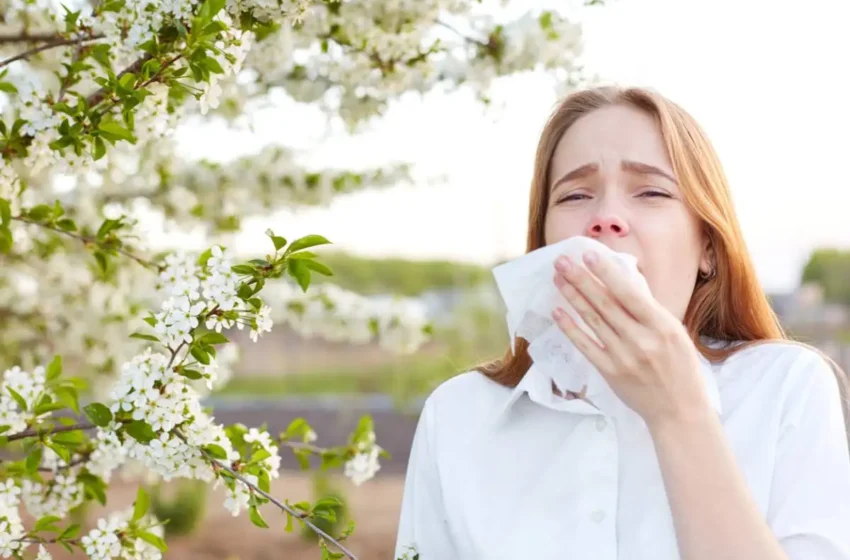
Spring flowers, warm weather, and green landscapes are beautiful—but for millions of people, they also bring sneezing, itchy eyes, and endless tissues. If you’ve ever wondered how to treat seasonal allergies, you’re certainly not alone.
Seasonal allergies affect people of all ages and can make daily activities uncomfortable. Fortunately, modern medicine and practical lifestyle changes offer many effective ways to reduce symptoms. The key is understanding what triggers your allergies and choosing the right treatment before symptoms become severe.
In this guide, you’ll learn what causes seasonal allergies, the most effective treatment options, natural remedies backed by research, and simple habits that can help you enjoy every season with fewer symptoms.
What Are Seasonal Allergies?
Seasonal allergies, often called hay fever or allergic rhinitis, happen when your immune system overreacts to airborne allergens such as pollen.
Instead of ignoring harmless pollen, your immune system treats it like a dangerous invader. As a result, it releases histamine and other chemicals that trigger uncomfortable symptoms.
Common symptoms include:
- Sneezing
- Runny nose
- Nasal congestion
- Itchy eyes
- Watery eyes
- Scratchy throat
- Postnasal drip
- Fatigue
Although seasonal allergies are not usually dangerous, they can significantly reduce quality of life if left untreated.
How to Treat Seasonal Allergies: Start by Knowing Your Triggers
Understanding your trigger is the first step in how to treat seasonal allergies effectively.
Different plants release pollen during different times of the year.
Tree Pollen
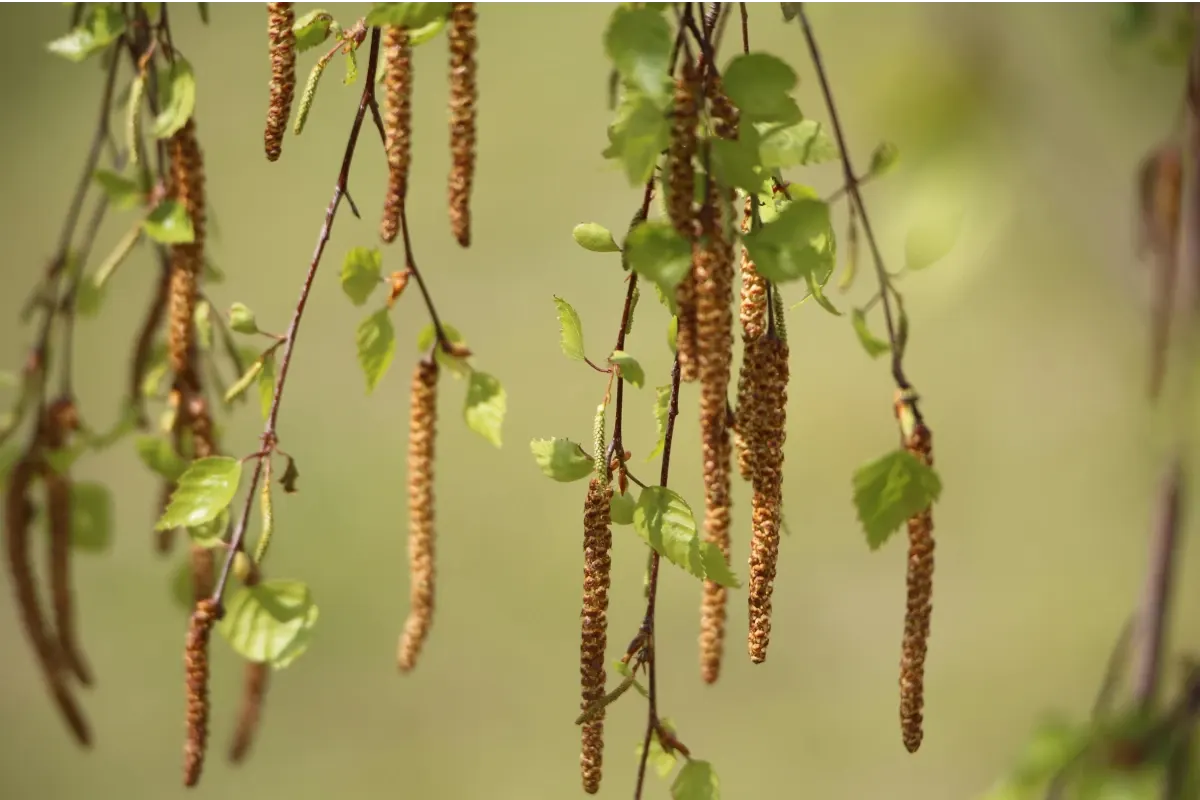
Tree pollen usually appears during early spring.
Common sources include:
- Oak
- Birch
- Maple
- Cedar
- Elm
Grass Pollen
Grass pollen becomes more common in late spring and early summer.
Popular grasses include:
- Bermuda grass
- Timothy grass
- Kentucky bluegrass
Weed Pollen
Late summer and fall are dominated by weed pollen.
The biggest offender is:
- Ragweed
Personal insight: Many allergy sufferers notice symptoms becoming worse after spending time outdoors on windy mornings. Tracking your symptoms alongside local pollen forecasts can help identify your personal triggers.
Why Do Seasonal Allergies Feel Worse Some Years?
Many people notice their allergies suddenly become stronger.
Several environmental factors contribute to this.
Climate Change
Longer growing seasons allow plants to produce pollen for more weeks every year.
Higher Carbon Dioxide Levels
Research suggests increased carbon dioxide can encourage some plants to produce more pollen.
Weather Changes
Warm, dry, and windy days spread pollen over large distances.
Rainy days often provide temporary relief because rain washes pollen from the air.
How to Treat Seasonal Allergies Before Symptoms Begin
One of the smartest strategies for treating seasonal allergies is prevention.
Doctors often recommend starting medication one to two weeks before pollen season instead of waiting until symptoms appear.
This proactive approach allows medications to reduce inflammation before allergens trigger your immune system.
Simple preventive habits include:
- Checking daily pollen forecasts
- Keeping windows closed
- Wearing sunglasses outdoors
- Changing clothes after being outside
- Showering before bedtime
These small habits can greatly reduce pollen exposure.
Seasonal Allergies Treatment Options
Fortunately, there are many evidence-based seasonal allergies treatment options available today.
The best choice depends on symptom severity, age, and personal health conditions.
Antihistamines
Antihistamines block histamine, the chemical responsible for most allergy symptoms.
They are especially helpful for:
- Sneezing
- Itchy eyes
- Runny nose
Many newer antihistamines cause less drowsiness than older medications.
Nasal Corticosteroid Sprays
Experts often consider these the most effective long-term treatment for seasonal allergies.
These sprays reduce inflammation inside the nose.
Benefits include:
- Less congestion
- Reduced sneezing
- Improved breathing
- Better sleep
Unlike antihistamines, nasal sprays often work best after several days of regular use.
Decongestants
Decongestants temporarily shrink swollen nasal tissues.
However, nasal decongestant sprays should generally not be used for more than three consecutive days because they may cause rebound congestion.
Natural Ways to Support Seasonal Allergies Treatments
Many people combine medication with natural strategies.
Although natural remedies may not replace medicine, they often improve overall comfort.
Saline Nasal Irrigation

Using sterile saline solution helps remove pollen trapped inside the nose.
Many allergy specialists recommend nasal rinsing during high-pollen days.
Benefits include:
- Better breathing
- Less congestion
- Reduced mucus
- Fewer allergens remaining inside the nasal passages
Stay Hydrated
Water keeps mucus thinner, making it easier to clear allergens.
Warm herbal tea and clear soups may also soothe irritated airways.
Indoor Air Quality
Indoor air often contains pollen that enters through doors, windows, shoes, and clothing.
Helpful strategies include:
- Using HEPA air purifiers
- Vacuuming with HEPA filters
- Washing bedding weekly
- Keeping pets clean after outdoor walks
Example:
A family that installs a HEPA purifier in the bedroom often notices fewer nighttime symptoms because less pollen circulates while sleeping.
Best Foods That May Help Reduce Allergy Symptoms
Although food cannot cure allergies, certain nutrients support a healthy immune response.
Consider adding:
Examples include:
- Oranges
- Strawberries
- Kiwi
- Bell peppers
Vitamin C acts as a natural antioxidant.
Omega-3 Fatty Acids
Found in:
- Salmon
- Sardines
- Walnuts
- Flaxseeds
Omega-3 fats may help reduce inflammation.
Probiotic Foods
Healthy gut bacteria may influence immune function.
Examples include:
- Yogurt
- Kefir
- Kimchi
- Sauerkraut
A balanced diet supports overall wellness and may complement other seasonal allergies treatments.
How to Treat Seasonal Allergies During High-Pollen Days
Daily habits often matter just as much as medication.
Follow these practical tips:
- Check pollen forecasts before going outside.
- Avoid outdoor activities during early morning hours.
- Wear sunglasses to protect your eyes.
- Keep car windows closed.
- Change clothes after outdoor activities.
- Wash your hair before bed.
- Dry clothes indoors during pollen season.
- Use air conditioning instead of opening windows.
These simple routines help reduce allergen exposure and improve symptom control.
When Should You See a Doctor?
Most seasonal allergies can be managed at home.
However, medical advice is important if:
- Symptoms last for several months.
- Over-the-counter medicine does not help.
- You experience wheezing or difficulty breathing.
- Allergies interfere with sleep.
- Sinus infections develop repeatedly.
An allergist can perform allergy testing and recommend a personalized treatment plan.
Advanced Medical Treatments for Persistent Allergies
For some people, avoiding pollen and taking over-the-counter medicine is enough. However, others continue to struggle despite their best efforts. If your symptoms remain severe, your healthcare provider may recommend more advanced options for treating seasonal allergies.
Allergy Immunotherapy
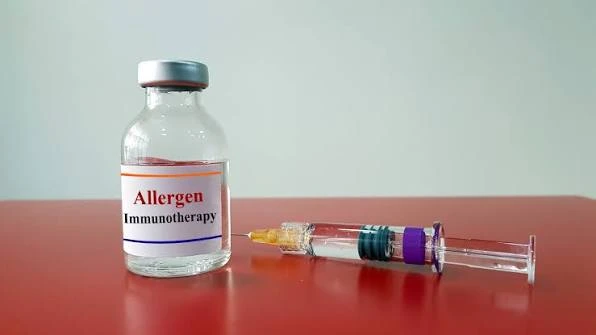
Immunotherapy is one of the few treatments that targets the cause of allergies rather than just the symptoms.
It works by gradually exposing your immune system to tiny amounts of allergens over time. Eventually, your body becomes less sensitive, reducing reactions during allergy season.
There are two common forms:
- Allergy shots: Given regularly in a medical clinic.
- Sublingual tablets: Dissolve under the tongue and are available for certain pollen allergies.
Studies have shown that immunotherapy can provide long-lasting relief, even after treatment ends. It is often recommended for people whose symptoms are difficult to control with medication alone.
Prescription Medications
If standard treatments are ineffective, your doctor may prescribe:
- Prescription-strength nasal sprays
- Combination antihistamine and corticosteroid sprays
- Leukotriene receptor antagonists
- Eye drops for severe itching and redness
These medications should always be used under medical guidance.
How to Treat Seasonal Allergies in Babies
Parents often worry when babies develop allergy-like symptoms during pollen season. Knowing how to treat seasonal allergies in babies starts with getting the correct diagnosis because colds and allergies can look very similar.
Since many allergy medications are not suitable for infants, doctors usually recommend reducing allergen exposure first.
Helpful strategies include:
- Keeping windows closed during high pollen days
- Using air conditioning with clean filters
- Wiping the baby’s face and hands after outdoor walks
- Washing clothes after outdoor activities
- Avoiding outdoor play when pollen counts are highest
Always consult your pediatrician before giving any allergy medicine to a baby.
Best Treatment for Seasonal Allergies
Many people ask what the best treatment for seasonal allergies really is. The answer depends on your symptoms, medical history, and the allergens affecting you.
For most adults, experts recommend a combination of approaches:
| Treatment | Best For | Notes |
| Antihistamines | Sneezing, itching | Fast symptom relief |
| Nasal corticosteroids | Congestion | Often considered the most effective daily treatment |
| Saline rinse | Mild congestion | Drug-free support |
| Air purifier | Indoor allergens | Helps reduce pollen indoors |
| Immunotherapy | Long-term control | May reduce allergies for years |
The best results usually come from combining medication with preventive lifestyle habits.
Severe Seasonal Allergies Treatment
Some individuals experience symptoms that significantly affect daily life. Severe seasonal allergies treatment may require specialist care.
Warning signs include:
- Difficulty breathing
- Frequent sinus infections
- Severe nasal blockage
- Poor sleep every night
- Symptoms lasting most of the season
Your allergist may recommend:
- Prescription medications
- Allergy testing
- Immunotherapy
- Asthma evaluation if wheezing occurs
- Personalized pollen avoidance strategies
Seeking treatment early can prevent complications and improve your quality of life.
Common Mistakes That Make Allergies Worse
Many people unknowingly increase their pollen exposure.
Avoid these common mistakes:
- Sleeping with windows open during pollen season
- Drying clothes outside
- Skipping daily allergy medication
- Waiting until symptoms become severe
- Forgetting to wash hair before bedtime
- Bringing pollen indoors on shoes
Small daily changes can make a noticeable difference.
Seasonal Allergy Myths vs. Facts
| Myth | Fact |
| Allergies are just a mild cold. | Allergies involve the immune system and can last for weeks or months. |
| Rain always eliminates pollen. | Rain often lowers pollen temporarily, but levels may rise afterward. |
| Natural remedies cure allergies. | They may help relieve symptoms but do not cure allergies. |
| Only children develop allergies. | Adults can develop seasonal allergies at any age. |
| Moving to another city cures allergies forever. | New allergens may trigger symptoms in a different location. |
Expert Tips for Long-Term Allergy Relief
Healthcare professionals often recommend building a routine instead of reacting only when symptoms appear.
Consider these habits:
- Monitor local pollen forecasts daily.
- Begin medication before allergy season starts.
- Keep indoor humidity between 30% and 50%.
- Replace HVAC filters regularly.
- Wear a mask when mowing the lawn or gardening.
- Schedule allergy testing if symptoms worsen each year.
Consistency is often more effective than occasional treatment.
Conclusion
Learning how to treat seasonal allergies is about more than finding quick relief—it is about creating habits that reduce allergen exposure and choosing treatments that match your symptoms. From antihistamines and nasal sprays to immunotherapy and simple lifestyle changes, there are many effective options available.
Moreover, early preparation often produces better results than waiting for symptoms to appear. By monitoring pollen levels, improving indoor air quality, and following medical advice when needed, you can enjoy spring, summer, and fall with far fewer interruptions.
Remember that every person’s allergies are different. If over-the-counter remedies no longer work or symptoms interfere with your daily life, consult an allergy specialist. A personalized treatment plan can make a significant difference and help you breathe easier throughout the season.
Frequently Asked Questions (FAQs)
How to clear pollen from a room?
Use a HEPA air purifier, keep windows closed during high-pollen days, vacuum with a HEPA-filter vacuum, and wash bedding weekly. These steps help reduce pollen indoors.
How to increase pollen tolerance?
There is no quick way to increase pollen tolerance naturally. Allergy immunotherapy, prescribed by an allergist, is currently the most effective long-term method for reducing sensitivity.
What is the 3 day rule for allergies?
The “3 day rule” often refers to limiting nasal decongestant sprays to no more than three consecutive days. Longer use may cause rebound congestion and worsen symptoms.
Can I build immunity to seasonal allergies?
Your immune system does not usually develop natural immunity on its own. However, allergy immunotherapy can gradually train your immune system to react less strongly to allergens over time.
How long is too long to have allergies?
Seasonal allergies can last for several weeks or even months, depending on the pollen season. If symptoms continue beyond the expected season, become severe, or interfere with daily life, consult a healthcare professional for evaluation.
⭐ Make MindLiva Your Preferred Source on Google
Get trusted health, wellness, and lifestyle articles from MindLiva.
Add MindLiva
Samie Babaei is a medical science student at Shahid Beheshti University of Medical Sciences with a strong interest in health, wellness, and medical research. As a health writer and researcher at MindLiva, she focuses on creating clear, evidence-based content that helps readers better understand health and well-being.