




Best Treatment for Seasonal Allergies: Safe & Effective Options
Do you start sneezing as soon as the weather becomes warm? Perhaps your eyes water during an afternoon walk, or nasal congestion keeps you awake after spending time outside. These problems are common, but they should not control your entire season.
Finding the best treatment for seasonal allergies often requires more than taking a random tablet when symptoms become unbearable. A strong plan combines pollen avoidance, nasal care, healthy indoor air, and suitable medicine when needed.
Moreover, timing matters. Preventive steps usually work better when they begin before pollen exposure becomes intense. In this guide, you will learn which natural remedies provide practical support, how different allergy treatments compare, and when symptoms need professional care.
Important: Natural does not always mean safe. Children, pregnant people, and anyone with asthma or another medical condition should discuss treatment with a qualified healthcare professional.
What Causes Seasonal Allergies?
Seasonal allergies, also called seasonal allergic rhinitis or hay fever, occur when the immune system reacts to airborne pollen. The body mistakenly treats this harmless substance as a threat.
In response, it releases histamine and other chemicals. These chemicals cause inflammation inside the nose, eyes, throat, and sometimes the airways.
Common seasonal triggers include:
- Tree pollen in early or mid-spring
- Grass pollen in late spring and summer
- Weed pollen in late summer and fall
- Outdoor mould spores during warm or damp periods
The exact season depends on the local climate and the plants growing nearby. Moreover, warmer weather may allow some plants to release pollen for a longer period.
Typical symptoms include sneezing, congestion, a runny nose, itchy eyes, postnasal drip, coughing, headaches, and tiredness. Some people also notice poor concentration because their symptoms disturb their sleep.
A cold can cause similar problems. However, allergies are more likely to produce itching, repeated sneezing, and clear nasal discharge without a fever.
Best Treatment for Seasonal Allergies Starts Early
Waiting until symptoms become severe can make them harder to control. Instead, start your prevention routine shortly before your usual allergy season.
For example, someone who develops tree-pollen symptoms every April could begin reducing outdoor exposure and cleaning the bedroom more carefully in late March. A preventive medicine may also need to be started early when advised by a healthcare professional.
A useful allergy plan has three parts:
- Reduce contact with pollen.
- Remove pollen from the body and home.
- Control inflammation and other symptoms.
Each step supports the next one. Medicine may appear ineffective if pollen is constantly entering the bedroom through an open window. Likewise, avoiding pollen may not be enough once strong nasal inflammation has developed.
Consistency is more useful than reacting to each bad day separately. In short, begin early, follow the plan daily, and adjust it when symptoms change.
Natural Remedies for Seasonal Allergy Relief
Natural remedies can support comfort and reduce pollen exposure. However, they do not cure the immune sensitivity behind an allergy.
The most useful home methods are generally simple. They focus on washing away pollen, protecting indoor air, and soothing irritated tissues.
1. Use a saline nasal rinse

A saline rinse helps wash pollen, dust, and mucus from the nasal passages. It may ease dryness and make breathing feel more comfortable.
Only use distilled, sterile, or previously boiled and cooled water. Regular tap water should not be placed directly into a nasal-rinsing device.
Clean the bottle or neti pot after every use. Then allow it to dry completely before storing it.
A gentle saline spray is another option. It does not clean as deeply as a full rinse, but it is convenient and may be easier for beginners.
Stop if rinsing causes strong pain, bleeding, or pressure. People who recently had nasal surgery should ask their surgeon before trying it.
2. Shower after outdoor activities
Pollen sticks to hair, eyebrows, skin, and clothing. Therefore, an evening shower can prevent it from reaching the pillow and bedding.
Wash your face after gardening, exercising, or walking through a park. If you cannot shower immediately, change your outer clothing and keep it out of the bedroom.
This habit is especially helpful for people who wake with strong symptoms. Their bedding may be collecting pollen carried indoors during the day.
3. Apply a cool eye compress
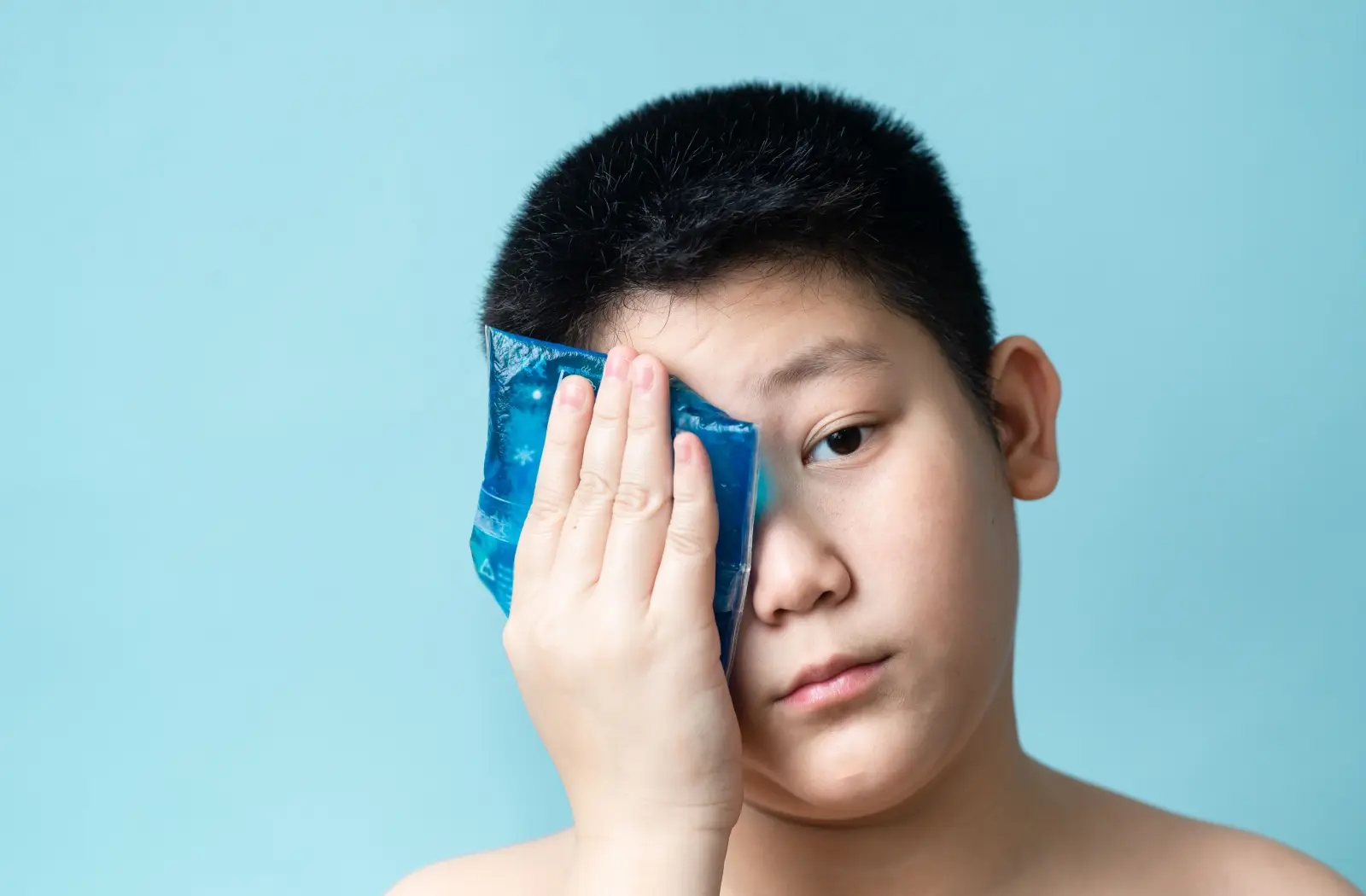
A cool, clean cloth placed over closed eyes can reduce temporary itching and swelling. It may also discourage you from rubbing the eye area.
Rubbing provides brief relief but can increase irritation. It also transfers pollen from the fingers to the eyelids.
People who wear contact lenses may feel more comfortable using glasses on high-pollen days. Eye pain, vision changes, or unusual discharge should receive professional assessment.
4. Keep indoor air cleaner
Close windows when pollen is high, especially in the bedroom. Use air conditioning when suitable and keep the system’s filter clean.
A portable HEPA air cleaner may remove some airborne particles from a closed room. Choose a unit that matches the size of the room rather than buying only by appearance or price.
Place it where air can move freely around the machine. Hiding it behind furniture may reduce its effectiveness.
Moreover, avoid adding extra irritants to indoor air. Cigarette smoke, scented candles, strong cleaning sprays, and heavy perfume can make an already irritated nose feel worse.
5. Drink enough water
Water cannot stop an allergic reaction. Nevertheless, staying hydrated may make throat mucus less sticky and ease discomfort caused by mouth breathing.
Warm drinks can temporarily soothe an irritated throat. Clear soup may also feel comforting when postnasal drip produces frequent coughing.
Avoid treating excessive amounts of herbal tea as medicine. Some herbs can interact with drugs or cause allergic reactions themselves.
6. Protect the skin around your nose
Repeated wiping can leave the skin under the nose red, dry, and painful. Use soft tissues and gently pat instead of rubbing.
A small amount of plain protective ointment may reduce skin irritation. Apply it around the outside of the nostrils rather than deep inside the nose.
This does not treat the allergy itself. However, it prevents a secondary discomfort that can make a bad allergy day feel even worse.
Daily Pollen-Control Habits That Make a Difference
The best treatment for seasonal allergies becomes more effective when less pollen enters your home. Small habits can create a useful barrier between outdoor triggers and your main living areas.
Check conditions before going outside
Dry and windy weather often spreads more pollen. Rain may temporarily clear particles from the air, although local conditions can change quickly.
Plan long walks, gardening, and outdoor exercise with the weather in mind. On difficult days, move exercise indoors or shorten the activity.
Wear wraparound sunglasses to protect your eyes. A well-fitting mask can also reduce exposure while mowing grass, raking leaves, or handling plants.
Keep outdoor items near the entrance
Shoes, jackets, hats, and bags can carry pollen indoors. Create a small area near the door for these items.
Change clothes after long periods outside. Do not sit on the bed while wearing clothing used for gardening or exercise.
If you have a pet that spends time outdoors, wipe its paws and coat gently before it enters the bedroom. Never use harsh cleaning products on an animal’s skin.
Clean without spreading particles
Use a damp cloth instead of dry dusting. Dry dusting can push pollen and other particles back into the air.
A vacuum with effective filtration is preferable for carpets and fabric furniture. However, vacuuming may briefly disturb particles, so a highly sensitive person may want someone else to do it.
Wash bedding regularly. In addition, avoid drying sheets outdoors during peak pollen season because fabric can collect pollen from the air.
Comparing Common Seasonal Allergy Medicines
Home care can reduce exposure, but moderate or strong symptoms may still need medicine. Choosing the right category is more important than choosing the most familiar brand.
Nasal corticosteroid sprays
Nasal corticosteroids reduce inflammation inside the nose. They can help with congestion, sneezing, itching, postnasal drip, and a runny nose.
Common ingredients include fluticasone, budesonide, mometasone, and triamcinolone. These products usually work best when used consistently rather than only during a severe attack.
Correct technique matters. Keep your head upright and point the nozzle slightly outward, away from the centre wall of the nose. This may reduce irritation and nosebleeds.
Do not keep increasing the number of sprays when relief is not immediate. Some preventive sprays need several days of correct use to produce their full effect.
Oral antihistamines
Second-generation oral antihistamines include cetirizine, loratadine, fexofenadine, levocetirizine, and desloratadine. They may reduce sneezing, itching, watery eyes, and a runny nose.
These medicines usually cause less drowsiness than older antihistamines. However, some people still become sleepy.
Check your reaction before driving. Moreover, read combination-product labels carefully to avoid taking the same active ingredient twice.
Nasal antihistamines
Nasal antihistamines work directly in the nasal passages. They may provide faster relief than a preventive steroid spray and can help with sneezing, congestion, and nasal discharge.
Possible side effects include irritation, an unpleasant taste, or drowsiness. A healthcare professional may sometimes recommend combining a nasal antihistamine with a nasal corticosteroid.
Allergy eye drops
Medicated eye drops may relieve redness, itching, and watering. Artificial tears can also help wash pollen from the eye surface.
Contact-lens users should check whether lenses must be removed before applying a product. Moreover, eye pain, vision changes, or strong light sensitivity should not be assumed to be routine allergies.
Decongestants
Decongestants reduce swelling and may offer fast relief from a blocked nose. However, they require caution.
Oral decongestants can increase blood pressure, raise the heart rate, disturb sleep, or cause nervousness. They may not be suitable for people with heart disease, glaucoma, thyroid problems, or certain other conditions.
Decongestant nasal sprays should only be used for a short time. Overuse may cause rebound congestion, leaving the nose more blocked after the medicine wears off.
Zyrtec vs. Claritin for Seasonal Allergies

Zyrtec contains cetirizine, while Claritin contains loratadine. Both are second-generation antihistamines used for symptoms such as sneezing, itching, and a runny nose.
Cetirizine may feel faster or stronger for some people. However, it is also more likely to cause sleepiness in certain users.
Loratadine is often less sedating, although individual reactions vary. Neither product is automatically the right choice for every person.
Someone with severe nasal congestion may receive limited relief from either tablet because antihistamines do not always control congestion as effectively as a nasal anti-inflammatory treatment.
Avoid taking both medicines together unless a qualified professional specifically recommends it. More antihistamine does not always mean better relief.
How to Treat Seasonal Allergies Safely
Anyone wondering how to treat seasonal allergies should begin by identifying the main symptom. A blocked nose, itchy eyes, and asthma-related coughing may require different treatments.
Use this simple process:
- Identify when and where symptoms occur.
- Reduce exposure to the suspected trigger.
- Select treatment for the main symptom.
- Follow the correct dose and technique.
- Review the results after consistent use.
- Seek help if symptoms remain uncontrolled.
For example, a person with mainly watery eyes may benefit from eye-focused care. Someone with daily congestion may need regular nasal treatment instead of another oral tablet.
Do not assume every symptom comes from pollen. Fever, strong facial pain, thick discharge, or symptoms that never change with the seasons may have another cause.
Severe Seasonal Allergies Treatment and Professional Care

A medical evaluation is sensible when allergies disturb sleep, affect work, limit exercise, or make asthma difficult to control.
A doctor can examine the nose and lungs, review medication technique, and look for other problems. Nasal polyps, chronic sinus inflammation, infections, or indoor allergens may produce similar symptoms.
Allergy testing may help identify specific triggers. A clear diagnosis can prevent unnecessary avoidance and support a more focused treatment plan.
For suitable patients, allergy immunotherapy may be considered. It involves controlled exposure to an allergen through injections or under-the-tongue tablets.
The goal is to reduce immune sensitivity over time. Unlike a quick-relief medicine, immunotherapy requires regular treatment and medical supervision.
Seek urgent help for:
- Difficulty breathing or speaking
- Severe wheezing or chest tightness
- Blue lips
- Fainting or confusion
- Swelling of the face, tongue, or throat
- A rapidly worsening reaction
These are not ordinary hay fever symptoms and should not be managed with home remedies.
How to Treat Seasonal Allergies in Babies
Parents searching for how to treat seasonal allergies in babies should speak with a pediatric healthcare professional before using medicine. A baby’s congestion may come from a cold, dry air, smoke, or infection rather than pollen.
Safe supportive measures may include keeping windows closed, changing outdoor clothing, washing the baby’s face, avoiding fragrances, and using professionally approved saline drops.
Never estimate a dose or give an adult allergy product to a baby. Even medicine labelled for children may not be approved for every age.
Urgent care is needed if a baby develops breathing difficulty, blue lips, facial swelling, unusual sleepiness, dehydration, or rapidly worsening symptoms.
Mistakes That Can Make Allergies Worse
Avoid these common treatment mistakes:
- Waiting until symptoms become extreme
- Using preventive medicine inconsistently
- Aiming nasal spray toward the centre of the nose
- Taking overlapping combination products
- Overusing decongestant nasal sprays
- Assuming natural remedies have no risks
- Giving children adult medicine
- Ignoring wheezing or chest tightness
- Bringing outdoor clothing into bed
- Leaving bedroom windows open during peak pollen periods
A practical routine is usually safer and more effective than switching between several products without a clear plan.
Conclusion
The best treatment for seasonal allergies combines early prevention, lower pollen exposure, gentle home care, and suitable medicine when necessary.
Natural remedies such as saline rinsing, showering after outdoor activities, using cool eye compresses, and keeping indoor air cleaner can provide useful support. However, they may not replace medical treatment for moderate or severe symptoms.
Most importantly, create a routine before pollen reaches its seasonal peak. A consistent plan can protect your sleep, energy, concentration, and enjoyment of the outdoors.
Frequently Asked Questions
What is the most effective seasonal allergy treatment?
A nasal corticosteroid is often effective for ongoing nasal inflammation and congestion. However, the ideal treatment depends on the person’s symptoms, age, medical conditions, and allergy triggers.
How do you treat severe pollen allergies?
Reduce pollen exposure, use saline nasal care, and choose suitable medication with professional guidance. Persistent symptoms may require testing, prescription treatment, or immunotherapy.
Is Zyrtec or Claritin best for seasonal allergies?
Zyrtec may feel stronger or faster for some people, but it can cause more drowsiness. Claritin is often less sedating, although individual responses differ.
How to avoid pollen allergies?
Keep windows closed, change after outdoor activities, shower before bed, clean with a damp cloth, and avoid gardening on dry, windy days. Complete avoidance is difficult, but lower exposure can reduce symptoms.
How do I stop my seasonal allergies?
Seasonal allergies cannot always be permanently stopped. However, early prevention, consistent treatment, trigger control, and professional care can greatly reduce their effect on daily life.
⭐ Make MindLiva Your Preferred Source on Google
Get trusted health, wellness, and lifestyle articles from MindLiva.
Add MindLiva
Samie Babaei is a medical science student at Shahid Beheshti University of Medical Sciences with a strong interest in health, wellness, and medical research. As a health writer and researcher at MindLiva, she focuses on creating clear, evidence-based content that helps readers better understand health and well-being.