

Female Reproductive Hormones: The Key to Healthy Aging
Have you ever wondered why your body changes so much over the years, even when your daily routine stays the same? Perhaps your energy isn’t what it used to be, your sleep has become lighter, or your emotions feel more unpredictable. In many cases, these changes are linked to female reproductive hormones.
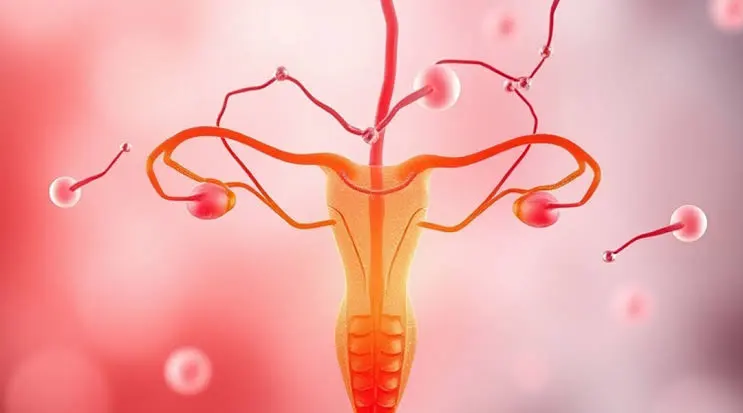
These powerful chemical messengers guide the body from puberty through pregnancy, menopause, and healthy aging. They do much more than regulate fertility. They also influence brain function, bone health, skin, metabolism, and emotional well-being.
In recent years, growing awareness of women’s health has encouraged more people to understand their hormones before problems appear. The good news is that knowledge leads to better choices. This guide explains how hormones work, why they change with age, what symptoms to watch for, and practical ways to support hormonal health naturally.
What Are Female Reproductive Hormones?
Hormones are natural chemicals that carry messages throughout the body. They travel through the bloodstream and tell organs when to perform specific tasks.
The hormones in female reproductive system work together like an orchestra. Each hormone has its own role, yet all of them must remain balanced for the body to function properly.
The major hormone-producing organs include:
- The ovaries
- The pituitary gland
- The hypothalamus
- The adrenal glands
These organs communicate continuously through a feedback system that adjusts hormone levels based on the body’s needs.
Although this article focuses on women, it’s important to know that reproductive hormones are essential in both sexes and support many body systems beyond reproduction.
Why Female Reproductive Hormones Matter Beyond Fertility
Many people believe hormones only influence pregnancy or menstrual cycles.
However, research has shown that these hormones affect almost every major organ.
Healthy hormone levels support:
- Bone density
- Heart function
- Brain health
- Muscle strength
- Healthy skin
- Quality sleep
- Emotional balance
- Memory and concentration
Because hormones interact with many body systems, even a small imbalance may produce noticeable symptoms.
Moreover, hormonal health becomes increasingly important with age as natural hormone production gradually changes.
The Main Female Reproductive Hormones Explained
Understanding each hormone makes it easier to recognize why hormonal balance matters.
Estrogen: The Body’s Multi-Tasking Hormone
Estrogen is often called the primary female hormone.
Its responsibilities extend far beyond reproduction.
It helps:
- Regulate menstrual cycles
- Build strong bones
- Protect the heart
- Support healthy cholesterol levels
- Maintain skin elasticity
- Improve cognitive function
- Support vaginal health
Estrogen naturally rises during puberty and fluctuates throughout adulthood before declining during menopause.
Example
A woman entering menopause may notice hot flashes, night sweats, and changes in bone density as estrogen levels decrease.
Progesterone: The Hormone That Supports Balance
Progesterone works alongside estrogen to regulate the menstrual cycle.
Its primary functions include:
- Preparing the uterus for pregnancy
- Supporting early pregnancy
- Promoting restful sleep
- Helping stabilize mood
- Regulating menstrual bleeding
When progesterone levels fall, some women experience irregular periods or sleep disturbances.
Follicle-Stimulating Hormone (FSH)
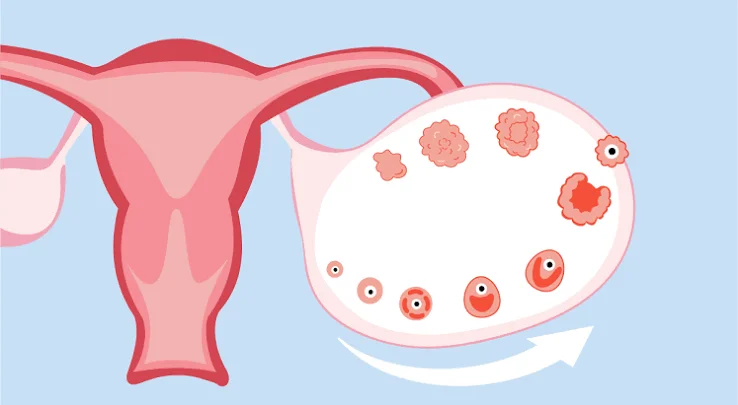
FSH is produced by the pituitary gland.
It stimulates ovarian follicles to mature before ovulation.
Doctors frequently measure FSH levels when evaluating fertility or menopause.
Higher FSH levels often indicate declining ovarian function during midlife.
Luteinizing Hormone (LH)
LH works closely with FSH.
Its primary role is triggering ovulation.
Without proper LH production, pregnancy becomes much more difficult.
Healthcare professionals often evaluate LH together with FSH during fertility assessments.
How Hormones Change Throughout Life
Hormones never remain exactly the same.
Instead, they naturally shift during different stages of life.
Understanding these changes helps explain many common symptoms.
Puberty
Puberty marks the beginning of reproductive maturity.
During this period:
- Estrogen production increases.
- Menstrual cycles begin.
- Breasts develop.
- Bone growth accelerates.
- Body composition changes.
Although emotional ups and downs are common, these changes reflect normal hormonal development.
Reproductive Years
During adulthood, hormone production follows monthly cycles.
Every month:
- FSH stimulates follicle growth.
- Estrogen rises.
- LH triggers ovulation.
- Progesterone prepares the uterus.
- Hormone levels fall if pregnancy does not occur.
This repeating cycle continues until menopause.
Pregnancy
Pregnancy produces the most dramatic hormonal changes of adult life.
Hormone levels rise rapidly to support:
- Placenta formation
- Fetal growth
- Uterine development
- Breast preparation for breastfeeding
These natural changes explain why many pregnant women experience nausea, fatigue, food cravings, and emotional sensitivity.
Perimenopause
Perimenopause often begins several years before menopause.
Hormone production becomes less predictable.
Many women notice:
- Irregular menstrual cycles
- Mood changes
- Poor sleep
- Increased anxiety
- Weight changes
- Hot flashes
These symptoms vary greatly from one woman to another.
Menopause
Menopause officially occurs after twelve consecutive months without menstruation.
At this stage:
- Estrogen declines significantly.
- Progesterone production stops.
- FSH levels increase.
- LH levels also rise.
Although menopause is a natural life stage, symptoms can affect daily comfort and quality of life.
Common Signs of Hormonal Imbalance
Hormonal imbalance rarely appears overnight.
Instead, symptoms usually develop gradually.
Common signs include:
- Persistent fatigue
- Mood swings
- Brain fog
- Sleep problems
- Weight gain
- Dry skin
- Hair thinning
- Low libido
- Irregular periods
- Heavy menstrual bleeding
- Headaches
- Reduced concentration
While these symptoms do not always indicate a hormone disorder, persistent changes deserve medical evaluation.
Factors That Affect Female Reproductive Hormones
Hormone levels are influenced by genetics, lifestyle, and environmental factors.
Nutrition
A balanced diet provides the nutrients needed to produce hormones.
Helpful foods include:
- Fatty fish
- Eggs
- Leafy vegetables
- Whole grains
- Fruits
- Nuts
- Seeds
- Olive oil
Healthy fats are especially important because many hormones are made from cholesterol.
Stress
Stress increases cortisol production.
When stress becomes chronic, it may interfere with estrogen and progesterone balance.
Moreover, ongoing stress often reduces sleep quality, creating another challenge for healthy hormone function.
Sleep
Quality sleep allows the endocrine system to recover.
Adults should generally aim for 7 to 9 hours each night.
Poor sleep has been linked with hormonal disruption, reduced energy, and increased appetite.
Physical Activity
Regular exercise supports hormone health in several ways.
Benefits include:
- Better circulation
- Improved mood
- Stronger bones
- Better insulin sensitivity
- Reduced inflammation
However, excessive exercise without adequate nutrition may negatively affect hormone production.
Weight Management
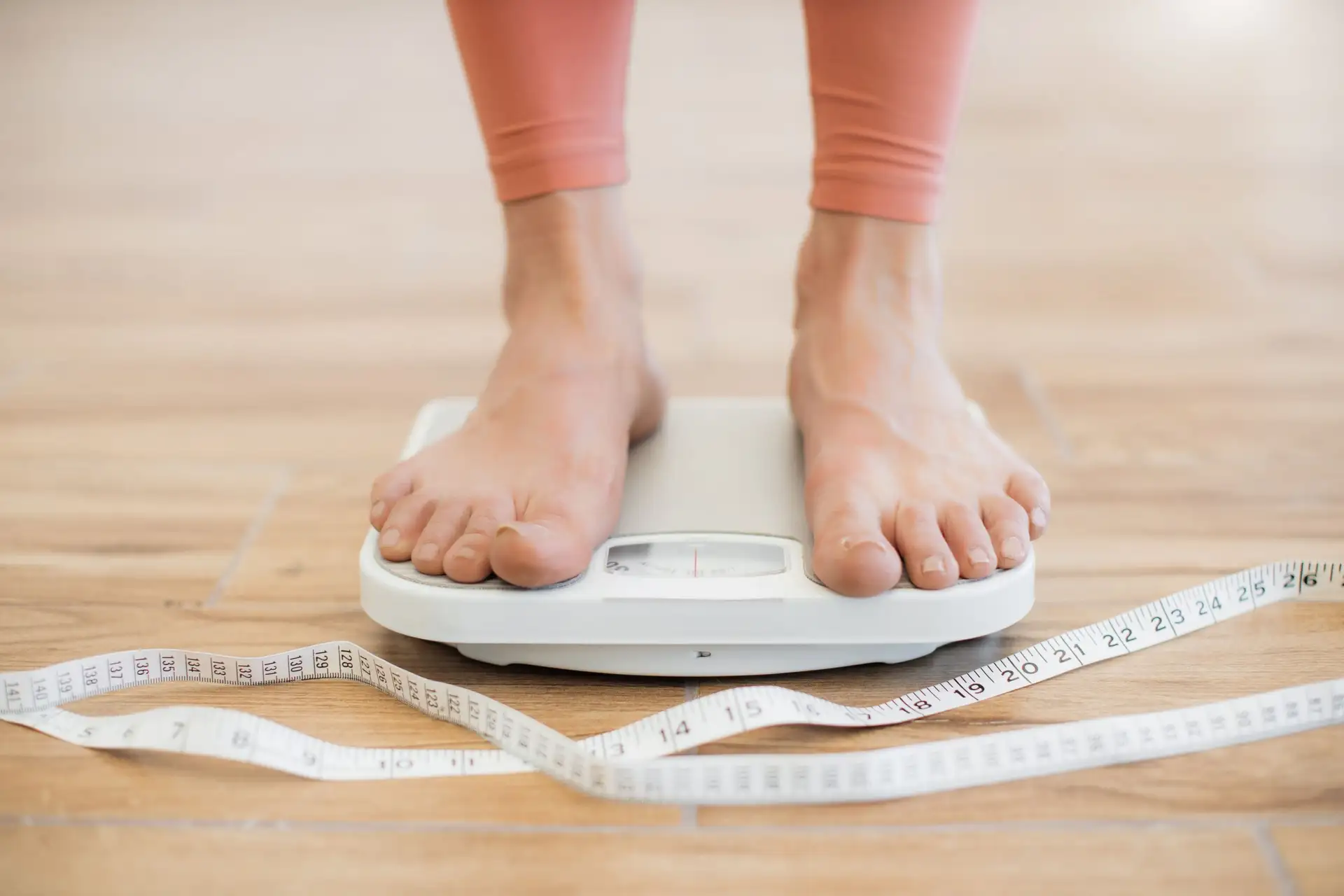
Maintaining a healthy weight supports balanced hormone production.
Both obesity and being significantly underweight may disrupt normal menstrual cycles.
Scientists also recognize that hormones contribute to metabolic regulation, influencing how efficiently the body stores and uses energy.
Supporting Female Reproductive Hormones During Menopause
Menopause is a natural stage of life, not a disease. However, the hormonal changes that occur during this transition can affect physical and emotional well-being.
Fortunately, healthy habits and appropriate medical care can make this phase much easier to manage.
Eat a Nutrient-Rich Diet
Food provides the building blocks your body needs to support hormone health.
A balanced eating plan should include:
- Fresh fruits and vegetables
- Whole grains
- Lean protein
- Healthy fats
- Low-fat dairy or calcium-rich alternatives
- Plenty of water
Certain nutrients are especially important after menopause.
| Nutrient | Why It Matters | Food Sources |
| Calcium | Supports bone strength | Milk, yogurt, leafy greens |
| Vitamin D | Helps absorb calcium | Fatty fish, eggs, fortified foods |
| Omega-3 fats | Supports heart and brain health | Salmon, walnuts, flaxseeds |
| Magnesium | Supports muscles and sleep | Spinach, almonds, beans |
| Protein | Helps maintain muscle mass | Chicken, fish, lentils, eggs |
Moreover, eating plenty of fiber may help improve digestion and support heart health.
Exercise for Long-Term Hormonal Health
Physical activity benefits nearly every body system.
It also helps reduce many menopause-related symptoms.
Aerobic Exercise
Activities such as walking, cycling, and swimming may help:
- Improve heart health
- Increase energy
- Support healthy weight
- Reduce stress
Experts recommend at least 150 minutes of moderate exercise per week.
Strength Training
Resistance exercise becomes increasingly important with age.
Benefits include:
- Stronger bones
- Better muscle mass
- Improved balance
- Reduced risk of falls
Even two or three sessions each week can make a meaningful difference.
Flexibility and Balance
Yoga and stretching improve mobility while reducing stress.
Many women also report improved sleep after regular yoga practice.
Sleep and Hormonal Balance
Sleep is one of the body’s natural recovery systems.
Unfortunately, menopause often disrupts sleep because declining estrogen may contribute to:
- Night sweats
- Hot flashes
- Anxiety
- Frequent waking
Helpful habits include:
- Maintain a consistent bedtime.
- Keep the bedroom cool.
- Limit caffeine late in the day.
- Reduce screen time before bed.
- Practice relaxation techniques.
Better sleep supports hormone function and improves daytime energy.
Managing Stress for Healthier Hormones
Long-term stress increases cortisol production.
Although cortisol is essential during emergencies, constantly elevated levels may interfere with hormonal balance.
Simple stress-management techniques include:
- Deep breathing
- Meditation
- Spending time outdoors
- Reading
- Gardening
- Listening to music
- Talking with supportive family or friends
Even a short daily mindfulness session can improve emotional well-being.
Medical Tests That Evaluate Hormone Health
If symptoms become persistent or severe, healthcare professionals may recommend testing.
Common evaluations include:
Blood Tests
Doctors may measure:
- Estrogen
- Progesterone
- FSH
- LH
- Thyroid hormones
- Vitamin D
- Blood sugar
- Cholesterol
These tests help identify possible causes of symptoms.
Bone Density Scan
Because estrogen helps maintain bone strength, many women benefit from bone density screening after menopause.
Early detection allows preventive treatment before fractures occur.
General Health Assessment
A complete evaluation often includes:
- Blood pressure
- Weight
- Family history
- Medication review
- Lifestyle assessment
This broader picture helps create a personalized care plan.
Medical Treatments
Not every woman requires medication.
Treatment depends on individual symptoms, medical history, and personal preferences.
Possible options include:
Hormone Therapy
Hormone replacement therapy may help reduce:
- Hot flashes
- Night sweats
- Vaginal dryness
- Bone loss
However, treatment should always be discussed with a qualified healthcare professional because benefits and risks vary between individuals.
Non-Hormonal Treatments
Some women benefit from:
- Prescription medications
- Vaginal moisturizers
- Cognitive behavioral therapy
- Nutritional counseling
A personalized approach usually produces the best results.
Common Conditions Linked to Hormonal Changes
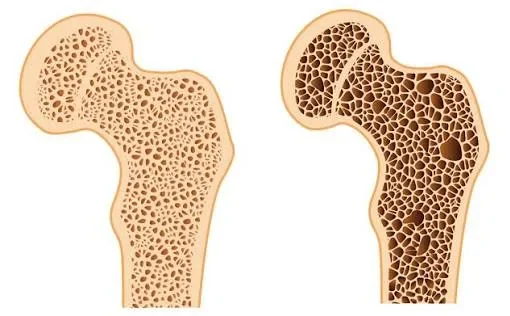
Several health conditions become more common during hormonal transitions.
These include:
- Osteoporosis
- Cardiovascular disease
- Weight gain
- Sleep disorders
- Depression
- Anxiety
- Urinary symptoms
Fortunately, early recognition often leads to better management.
Myths About Female Reproductive Hormones
Misinformation remains widespread online.
Let’s separate facts from fiction.
Myth 1: Menopause Means Poor Health
Fact: Menopause is a natural life stage. Many women remain healthy, active, and energetic for decades afterward.
Myth 2: Every Woman Has Severe Symptoms
Fact: Symptoms vary greatly. Some women experience only mild changes, while others need medical support.
Myth 3: Weight Gain Is Unavoidable
Fact: Healthy eating and regular exercise can help maintain a healthy weight during menopause.
Myth 4: Hormone Therapy Is Dangerous for Everyone
Fact: Hormone therapy is appropriate for some women but not for others. Decisions should always be individualized.
Emerging Research and Future Trends
Women’s health research continues to advance.
Scientists are exploring:
- Personalized hormone therapy
- Genetic influences on menopause
- Artificial intelligence for hormone monitoring
- Digital health tracking
- Earlier detection of hormonal disorders
Moreover, researchers continue studying how nutrition, exercise, and gut health influence hormone balance throughout aging.
These discoveries may improve prevention and treatment in the future.
Everyday Habits That Support Healthy Aging
Simple habits often produce lasting benefits.
Consider making these practices part of your routine:
- Eat colorful, balanced meals.
- Stay physically active.
- Prioritize quality sleep.
- Drink enough water.
- Avoid smoking.
- Limit alcohol.
- Schedule regular medical checkups.
- Manage stress in healthy ways.
- Spend time outdoors.
- Stay socially connected.
Small improvements practiced consistently often lead to meaningful long-term health benefits.
Conclusion
Understanding female reproductive hormones is one of the most valuable steps a woman can take to support lifelong health. These hormones guide the body through puberty, the reproductive years, pregnancy, and menopause while influencing bones, the heart, the brain, muscles, skin, and emotional well-being.
Although hormonal changes are inevitable, they do not have to limit your quality of life. Healthy daily habits, regular medical checkups, and evidence-based care can help you navigate every stage with confidence.
Most importantly, remember that every woman experiences hormonal changes differently. Listening to your body, seeking reliable medical advice, and making gradual lifestyle improvements can support healthy aging and long-term wellness.
Frequently Asked Questions
What are the 7 main hormones?
The seven commonly discussed hormones include estrogen, progesterone, testosterone, follicle-stimulating hormone (FSH), luteinizing hormone (LH), prolactin, and oxytocin. Each plays a unique role in growth, reproduction, and overall health.
What are the 5 female hormones?
The five major female hormones are estrogen, progesterone, follicle-stimulating hormone (FSH), luteinizing hormone (LH), and prolactin. Together, they regulate the menstrual cycle, fertility, pregnancy, and breastfeeding.
What are the 5 hormones of the reproductive system?
The primary reproductive hormones are estrogen, progesterone, testosterone, FSH, and LH. They work together to support sexual development, fertility, and reproductive function.
What hormones control female reproduction?
Female reproduction is mainly controlled by estrogen, progesterone, FSH, and LH, with coordination from the hypothalamus and pituitary gland. These hormones regulate ovulation, the menstrual cycle, and pregnancy.
What are the 4 main female hormones?
The four main female hormones are estrogen, progesterone, follicle-stimulating hormone (FSH), and luteinizing hormone (LH). They work together to regulate reproductive health and many other body functions.
⭐ Make MindLiva Your Preferred Source on Google
Get trusted health, wellness, and lifestyle articles from MindLiva.
Add MindLiva
Samie Babaei is a medical science student at Shahid Beheshti University of Medical Sciences with a strong interest in health, wellness, and medical research. As a health writer and researcher at MindLiva, she focuses on creating clear, evidence-based content that helps readers better understand health and well-being.