




The Role of Reproductive Hormones in Metabolic Regulation
Have you ever wondered why some people maintain stable energy levels while others struggle with fatigue, weight changes, or constant hunger? The answer often involves a complex relationship between hormones and metabolic regulation.
Metabolism is not simply about burning calories. It is a carefully controlled process involving the brain, organs, muscles, fat tissue, and hormones that determine how the body creates and uses energy.
In recent years, researchers have discovered that hormones play a major role in metabolic health. Hormones influence appetite, insulin sensitivity, fat storage, muscle maintenance, and even how the body responds to stress.
In this article, we will explore how metabolic regulation works, how hormones control energy balance, and why maintaining hormonal health is essential for achieving long-term wellness.
Understanding Metabolic Regulation and Why It Matters
Metabolic regulation refers to the biological processes that help the body maintain a stable internal environment while managing energy.
Every moment, your body makes decisions about:
- How much energy to use
- When to store energy
- When to release stored fat
- How to control blood sugar
- How to repair cells
- How to respond to physical activity
These processes are controlled through communication between hormones, the nervous system, and different organs.
For example, after eating a meal, hormones signal the body to absorb nutrients and store energy. During exercise or fasting, different signals encourage the body to use stored energy.
Moreover, efficient metabolic regulation helps protect against several health problems, including insulin resistance, obesity, and metabolic disorders.
How Hormones Control Metabolism
Hormones are chemical messengers produced by glands and tissues. They travel through the bloodstream and communicate with cells throughout the body.
Several hormones are especially important for metabolism.
Insulin: The Blood Sugar Controller
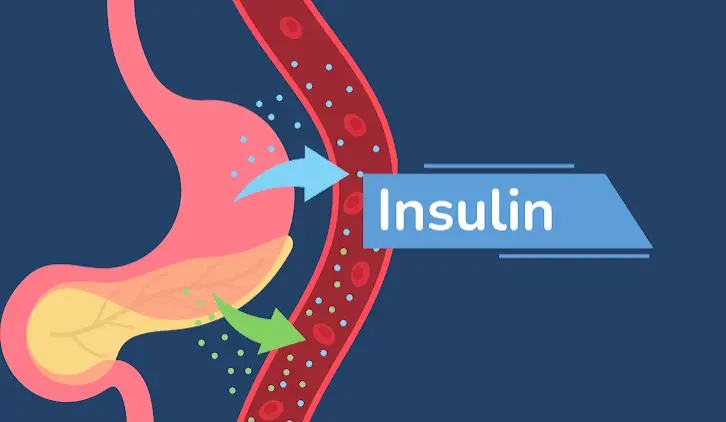
Insulin is one of the most important metabolic hormones.
Produced by the pancreas, insulin helps:
- Move glucose from blood into cells
- Provide energy for muscles
- Store excess energy
- Maintain stable blood sugar levels
After eating carbohydrates, blood glucose rises. The pancreas releases insulin, allowing cells to use glucose for fuel.
However, when the body becomes less responsive to insulin, a condition called insulin resistance may develop.
Insulin resistance is associated with:
- Increased belly fat
- Higher blood sugar
- Low energy
- Greater risk of type 2 diabetes
Leptin: The Fullness Hormone
Leptin is produced mainly by fat cells.
Its primary role is to tell the brain that the body has enough stored energy.
Healthy leptin signaling helps regulate:
- Appetite
- Food intake
- Energy expenditure
- Body weight
However, excessive fat storage can sometimes lead to leptin resistance, where the brain does not respond properly to fullness signals.
This may contribute to overeating and difficulty managing weight.
Ghrelin: The Hunger Hormone
Ghrelin works opposite to leptin.
It increases hunger and encourages food intake.
Ghrelin levels typically rise before meals and decrease after eating.
Factors that may increase ghrelin include:
- Poor sleep
- Extreme dieting
- Chronic stress
- Skipping meals
For example, someone who sleeps only a few hours per night may experience stronger hunger signals because sleep disruption affects appetite hormones.
The Connection Between Reproductive Hormones and Metabolism
Although reproductive hormones are mainly associated with fertility, they also influence energy balance and body composition.
The relationship between hormones and metabolism is especially noticeable during puberty, pregnancy, menopause, and aging.
Estrogen and Metabolic Health
Estrogen affects:
- Fat distribution
- Insulin sensitivity
- Cholesterol levels
- Energy use
- Muscle maintenance
Before menopause, estrogen helps support a healthier fat distribution pattern.
However, when estrogen levels decline during menopause, many women notice changes such as:
- Increased abdominal fat
- Reduced muscle mass
- Changes in cholesterol
- Altered energy levels
This explains why metabolic changes often occur during midlife.
Progesterone and Body Balance
Progesterone works together with estrogen to maintain hormonal balance.
It influences:
- Fluid balance
- Appetite patterns
- Mood regulation
- Sleep quality
Although progesterone does not directly control metabolism, changes in this hormone can indirectly affect eating habits, activity levels, and overall wellness.
Testosterone and Metabolism
Testosterone plays an important role in maintaining muscle mass and energy.
Both men and women produce testosterone.
In men, male reproductive hormones such as testosterone strongly influence muscle development, fat distribution, and metabolic activity.
Women also produce smaller amounts of testosterone, which support:
- Muscle strength
- Bone health
- Energy
- Sexual health
Low testosterone levels may contribute to reduced muscle mass and changes in body composition.
The Role of the Thyroid Hormones in Metabolic Regulation
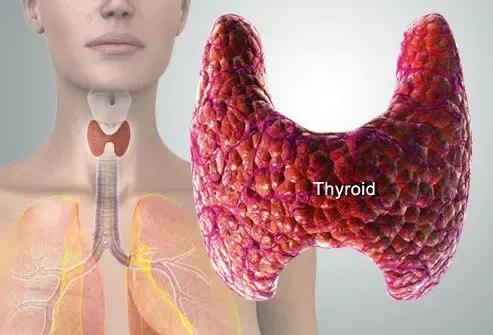
The thyroid gland is one of the body’s main metabolic control centers.
It produces:
- Thyroxine (T4)
- Triiodothyronine (T3)
These hormones influence how quickly the body uses energy.
Healthy thyroid function supports:
- Normal body temperature
- Energy production
- Heart function
- Digestion
- Brain activity
When thyroid hormone levels are too low, metabolism may slow.
Common signs of low thyroid function include:
- Fatigue
- Feeling cold
- Weight gain
- Dry skin
- Low mood
On the other hand, excessive thyroid activity may increase metabolism too much and cause:
- Unexplained weight loss
- Rapid heartbeat
- Anxiety
- Increased sweating
The Gut Hormone Connection
Scientists now understand that the digestive system produces many hormones that affect metabolism.
Important gut hormones include:
- GLP-1
- Peptide YY
- Gastrin
- Cholecystokinin (CCK)
These hormones influence:
- Hunger
- Digestion
- Insulin release
- Feeling full after meals
For example, GLP-1 helps slow digestion and encourages insulin production after eating.
This discovery has increased interest in treatments that target gut hormones to support metabolic health.
Lifestyle Factors That Improve Metabolic Regulation
Hormones respond strongly to daily habits.
Fortunately, many lifestyle choices can support better metabolic function.
1. Eat a Balanced Diet
A nutrient-rich diet provides the foundation for healthy metabolism.
Focus on:
- Protein-rich foods
- Vegetables
- Fruits
- Whole grains
- Healthy fats
- High-fiber foods
Protein is especially important because it supports muscle maintenance and increases feelings of fullness.
2. Exercise Regularly
Physical activity is one of the strongest tools for improving metabolic health.
Benefits include:
- Better insulin sensitivity
- Increased muscle mass
- Improved fat metabolism
- Lower inflammation
A combination of:
- Strength training
- Walking
- Cardiovascular exercise
- Flexibility exercises
often provides the best results.
3. Prioritize Sleep
Sleep is closely connected with hormone balance.
Poor sleep may disrupt:
- Insulin function
- Hunger hormones
- Stress hormones
- Appetite control
Adults generally benefit from around 7–9 hours of quality sleep each night.
4. Manage Stress
Chronic stress increases cortisol levels.
High cortisol over long periods may contribute to:
- Increased appetite
- Abdominal fat storage
- Blood sugar problems
- Sleep difficulties
Stress management techniques such as meditation, breathing exercises, and outdoor activities can support healthier hormone patterns.
Hormonal Changes, Aging, and Metabolic Regulation
As the body ages, hormone production naturally changes. These changes are a normal part of life, but they can influence energy levels, body composition, and metabolic health.
Understanding these changes allows people to take proactive steps instead of simply accepting unwanted symptoms.
Metabolism During Midlife
Midlife is a period when many people notice changes in:
- Muscle mass
- Fat distribution
- Energy levels
- Sleep patterns
- Appetite control
One major reason is that hormone levels gradually shift.
For example, declining estrogen during menopause can affect how the body stores fat. Many women notice more fat around the abdomen compared with earlier years.
However, lifestyle choices remain powerful. Regular strength training, balanced nutrition, and proper sleep can help maintain healthy body composition.
How Female Reproductive Hormones Influence Metabolic Health
Female hormones have a strong connection with metabolism throughout life.
Estrogen, progesterone, and other hormones influence how the body processes nutrients and manages energy.
Estrogen and Fat Distribution
Estrogen helps regulate where fat is stored in the body.
Before menopause, women typically store more fat around the hips and thighs.
After estrogen levels decline, fat storage may shift toward the abdominal area.
Abdominal fat is metabolically active and can increase inflammation when present in excess.
This is why maintaining muscle strength and healthy eating habits becomes especially important during menopause.
Hormonal Changes During Menopause
Menopause involves a natural decline in ovarian hormone production.
Common metabolic changes may include:
- Lower resting energy expenditure
- Increased abdominal fat
- Reduced muscle mass
- Changes in cholesterol levels
- Altered insulin sensitivity
However, menopause does not automatically mean poor health.
Many women continue to maintain excellent physical and metabolic health by adopting supportive habits.
How Male Hormones Affect Metabolism
Hormonal balance is important for everyone.
In men, testosterone plays a major role in maintaining muscle, energy, and body composition.
Male reproductive hormones influence:
- Muscle protein production
- Fat metabolism
- Bone strength
- Energy levels
- Physical performance
When testosterone levels decline with age, some men experience:
- Reduced muscle strength
- Increased body fat
- Lower motivation
- Fatigue
Healthy lifestyle habits, including resistance training and adequate protein intake, can help support hormone function.
Common Metabolic Problems Linked to Hormonal Imbalance
Hormonal changes do not always cause health problems. However, when hormone signals become disrupted, metabolic issues may develop.
Insulin Resistance
Insulin resistance occurs when cells respond less effectively to insulin.
As a result, the body may produce more insulin to keep blood sugar controlled.
Common risk factors include:
- Excess body fat
- Physical inactivity
- Poor diet
- Chronic stress
- Lack of sleep
Signs may include:
- Increased hunger
- Fatigue after meals
- Difficulty losing weight
- Increased waist size
Early lifestyle changes can significantly improve insulin sensitivity.
Metabolic Syndrome
Metabolic syndrome is a combination of risk factors that increase the chance of developing heart disease and diabetes.
It may include:
- High blood pressure
- Elevated blood sugar
- High triglycerides
- Low HDL cholesterol
- Increased abdominal fat
Improving diet, increasing physical activity, and maintaining a healthy weight are key strategies.
Obesity and Hormone Signaling
Obesity is not simply a result of eating too much.
It involves complex interactions between:
- Brain signals
- Hunger hormones
- Fat tissue
- Insulin function
- Inflammation
Fat tissue itself produces hormones that influence appetite and metabolism.
This means excess fat can change hormonal communication within the body.
The Connection Between Inflammation and Metabolism
Chronic inflammation is closely connected with metabolic health.
When inflammation remains elevated, it may interfere with normal hormone signaling.
Factors that may increase inflammation include:
- Poor diet
- Lack of exercise
- Chronic stress
- Smoking
- Poor sleep
On the other hand, anti-inflammatory habits can support better metabolic function.
Helpful choices include:
- Eating colorful vegetables
- Consuming omega-3-rich foods
- Exercising regularly
- Managing stress
- Getting enough sleep
The Future of Metabolic Regulation Research
Scientists continue discovering new connections between hormones and metabolism.
Modern research is exploring:
Personalized Medicine
Instead of using the same approach for everyone, future treatments may consider:
- Genetics
- Hormone patterns
- Lifestyle
- Individual metabolism
This could lead to more accurate and effective health strategies.
Artificial Intelligence and Health Tracking
Technology is changing how people understand their metabolism.
Future tools may analyze:
- Blood glucose patterns
- Sleep quality
- Activity levels
- Nutrition habits
- Hormone-related signals
These developments may help people make earlier lifestyle adjustments.
Gut Microbiome Research
The gut microbiome is becoming an important area of metabolic research.
Scientists are studying how gut bacteria influence:
- Appetite
- Inflammation
- Blood sugar control
- Hormone activity
A healthy gut environment may become an important part of future metabolic care.
Practical Daily Strategies for Better Metabolic Regulation

Supporting metabolism does not require extreme diets or complicated routines.
Simple, consistent habits often create the greatest benefits.
Morning Habits
Start the day with:
- A protein-rich breakfast
- Hydration
- Natural sunlight exposure
- Light movement
These habits support energy regulation.
Eating Habits
Try these approaches:
- Include protein at every meal.
- Choose high-fiber carbohydrates.
- Add healthy fats.
- Reduce highly processed foods.
- Eat slowly and mindfully.
Balanced meals help stabilize blood sugar and reduce unnecessary cravings.
Movement Habits
A healthy routine may include:
- Daily walking
- Strength training several times per week
- Stretching or mobility exercises
Muscle is metabolically active tissue, meaning maintaining muscle helps the body use energy more efficiently.
Recovery Habits
Recovery is just as important as exercise.
Focus on:
- Quality sleep
- Rest days
- Stress reduction
- Relaxation practices
A healthy metabolism depends on balance, not constant effort.
Common Myths About Metabolic Regulation
Myth 1: A Slow Metabolism Cannot Change
Fact: Metabolism can adapt. Exercise, nutrition, sleep, and muscle development can positively influence metabolic function.
Myth 2: Only Calories Matter
Fact: Hormones influence hunger, fullness, energy use, and fat storage. Metabolism involves much more than calorie counting.
Myth 3: Hormonal Changes Cannot Be Managed
Fact: Although some hormone changes are natural, lifestyle choices can support better balance and reduce symptoms.
Myth 4: Supplements Are the Best Solution
Fact: Supplements may help in specific situations, but healthy habits remain the foundation of metabolic health.
Conclusion
The human body is an intelligent system that constantly adjusts energy use, storage, and repair. At the center of this process are hormones that communicate with cells and organs to maintain balance.
Understanding metabolic regulation helps explain why hormones influence so many areas of health, from weight management and energy levels to aging and disease prevention.
While genetics and age play important roles, daily choices still have a significant impact. Eating nutritious foods, building muscle, sleeping well, and managing stress can support healthier hormone signals throughout life.
The future of metabolic health is moving toward personalized approaches that recognize each person’s unique biology. By learning how hormones work today, we can make better decisions for a healthier tomorrow.
Frequently Asked Questions
How do I regulate my metabolism?
You can support metabolism by eating balanced meals, exercising regularly, building muscle, sleeping well, managing stress, and maintaining healthy hormone function.
What is metabolic regulation in humans?
Metabolic regulation is the process through which the body controls energy production, energy storage, blood sugar, and nutrient use through hormones and biological signals.
What are the 5 signs of metabolic health?
Common signs of good metabolic health include:
- Stable energy levels
- Healthy blood sugar levels
- Normal blood pressure
- Healthy cholesterol levels
- Balanced body composition
Which hormone regulates metabolism in the body?
Several hormones regulate metabolism, including insulin, thyroid hormones, leptin, ghrelin, cortisol, and reproductive hormones.
What is the female hormone that burns fat?
No single female hormone directly burns fat. However, estrogen plays an important role in fat distribution, insulin sensitivity, and energy balance.
⭐ Make MindLiva Your Preferred Source on Google
Get trusted health, wellness, and lifestyle articles from MindLiva.
Add MindLiva
Samie Babaei is a medical science student at Shahid Beheshti University of Medical Sciences with a strong interest in health, wellness, and medical research. As a health writer and researcher at MindLiva, she focuses on creating clear, evidence-based content that helps readers better understand health and well-being.