



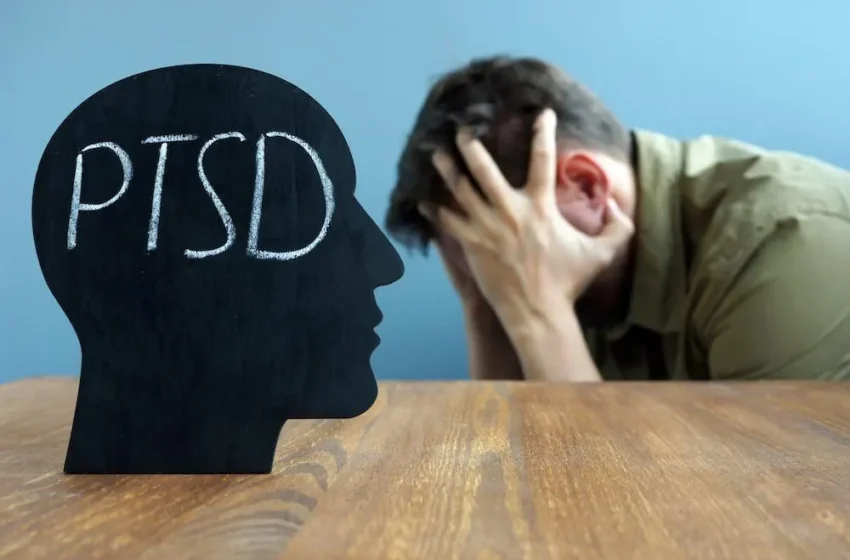
Understanding PTSD: Symptoms, Causes, and Treatments
Have you ever wondered why some people continue to relive a frightening event months or even years after it happened?
Trauma affects everyone differently. While many people gradually recover from distressing experiences, others develop PTSD, a mental health condition that can deeply affect daily life, relationships, work, and physical well-being.
Today, awareness of trauma-related disorders is greater than ever. Researchers continue to discover how traumatic experiences influence the brain and body, making early recognition and support more important than ever.
In this guide, you’ll learn what is PTSD, its causes, common symptoms, diagnosis, treatment options, recovery strategies, and ways to help someone living with trauma. You’ll also find practical examples, expert insights, and answers to common questions.
What Is PTSD?
PTSD (Post-Traumatic Stress Disorder) is a mental health condition that develops after experiencing or witnessing a traumatic event.
Trauma may include:
- Serious accidents
- Military combat
- Natural disasters
- Physical assault
- Sexual violence
- Childhood abuse
- Domestic violence
- Medical emergencies
- Terrorist attacks
Although many people experience trauma during their lifetime, not everyone develops PTSD. The condition occurs when the brain continues responding to danger even after the threat has ended.
Why PTSD Happens
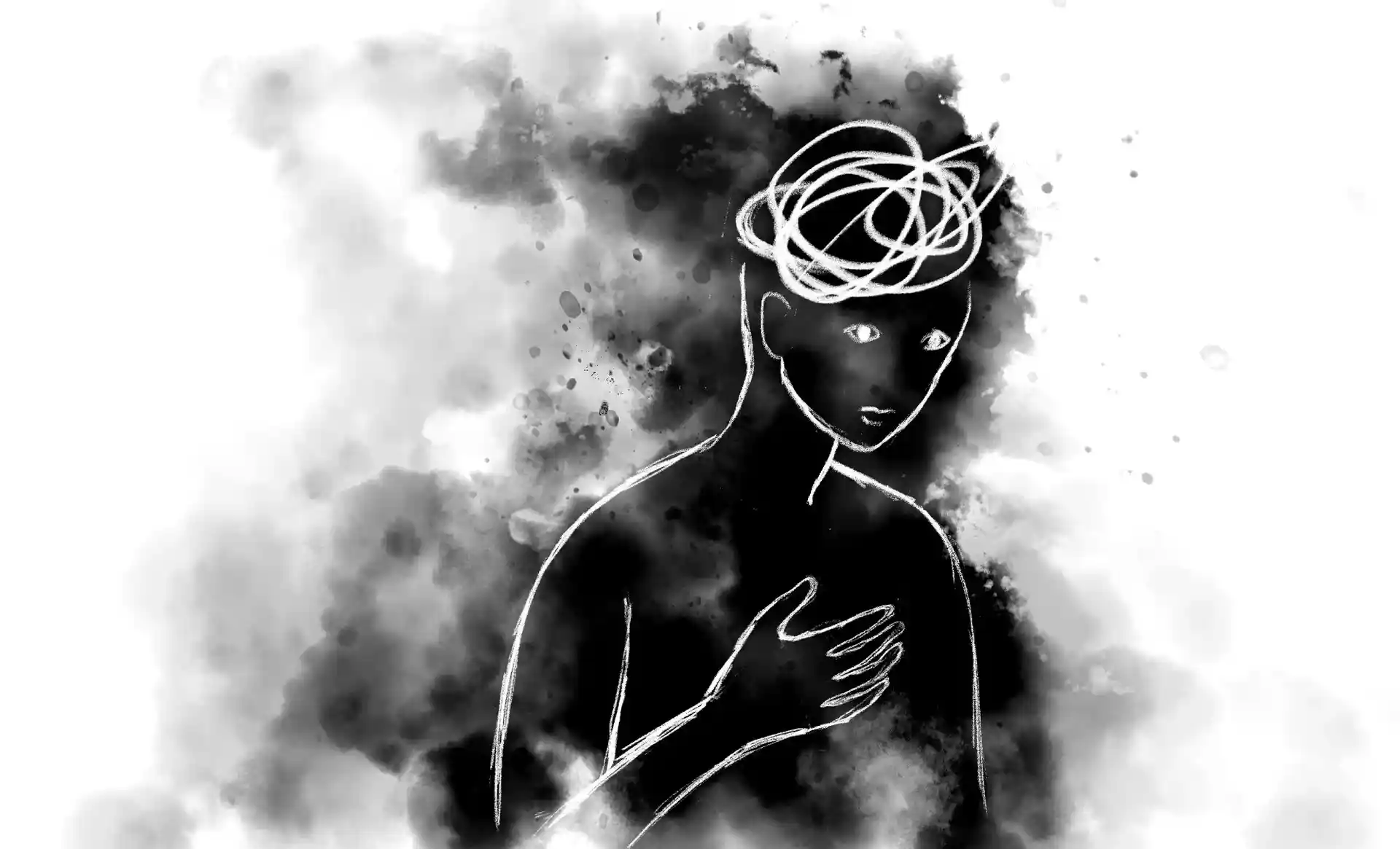
Scientists believe PTSD develops through a combination of biological, psychological, and environmental factors.
Changes in the Brain
Research suggests trauma can affect several brain regions, including:
- Amygdala (fear processing)
- Hippocampus (memory)
- Prefrontal cortex (decision making)
These changes may cause a person to remain in “survival mode” even when they are safe.
Hormonal Changes
Stress hormones like cortisol and adrenaline may become unbalanced after trauma, making the body react strongly to reminders of the event.
Risk Factors
Several factors increase the likelihood of developing PTSD:
- Previous trauma
- Childhood adversity
- Family history of anxiety or depression
- Lack of social support
- Ongoing stress
- Severe or repeated traumatic events
However, these factors do not guarantee someone will develop PTSD.
Common PTSD Symptoms
Recognizing trauma responses early can improve recovery.
Typical ptsd symptoms may include:
Intrusive Memories
People may experience:
- Flashbacks
- Disturbing dreams
- Unwanted memories
- Emotional distress when reminded of trauma
Avoidance
Many individuals avoid:
- Places
- Conversations
- People
- Activities
- Memories linked to the event
Negative Changes in Mood
Someone may experience:
- Sadness
- Fear
- Shame
- Emotional numbness
- Loss of interest
- Difficulty trusting others
Increased Alertness
This may include:
- Trouble sleeping
- Irritability
- Angry outbursts
- Difficulty concentrating
- Feeling constantly on guard
- Being easily startled
PTSD in Everyday Life
PTSD affects much more than emotional health.
It may interfere with:
- School performance
- Career growth
- Parenting
- Friendships
- Marriage
- Physical health
For example, a firefighter who survived a deadly rescue may avoid returning to similar situations. A car accident survivor might stop driving completely. These behaviors are understandable responses to trauma, but they can gradually limit everyday life.
Causes of PTSD
Trauma is highly personal.
Events that may trigger PTSD include:
Physical Trauma
- Serious injury
- Car crashes
- Burns
Emotional Trauma
- Emotional abuse
- Bullying
- Witnessing violence
Military Experiences
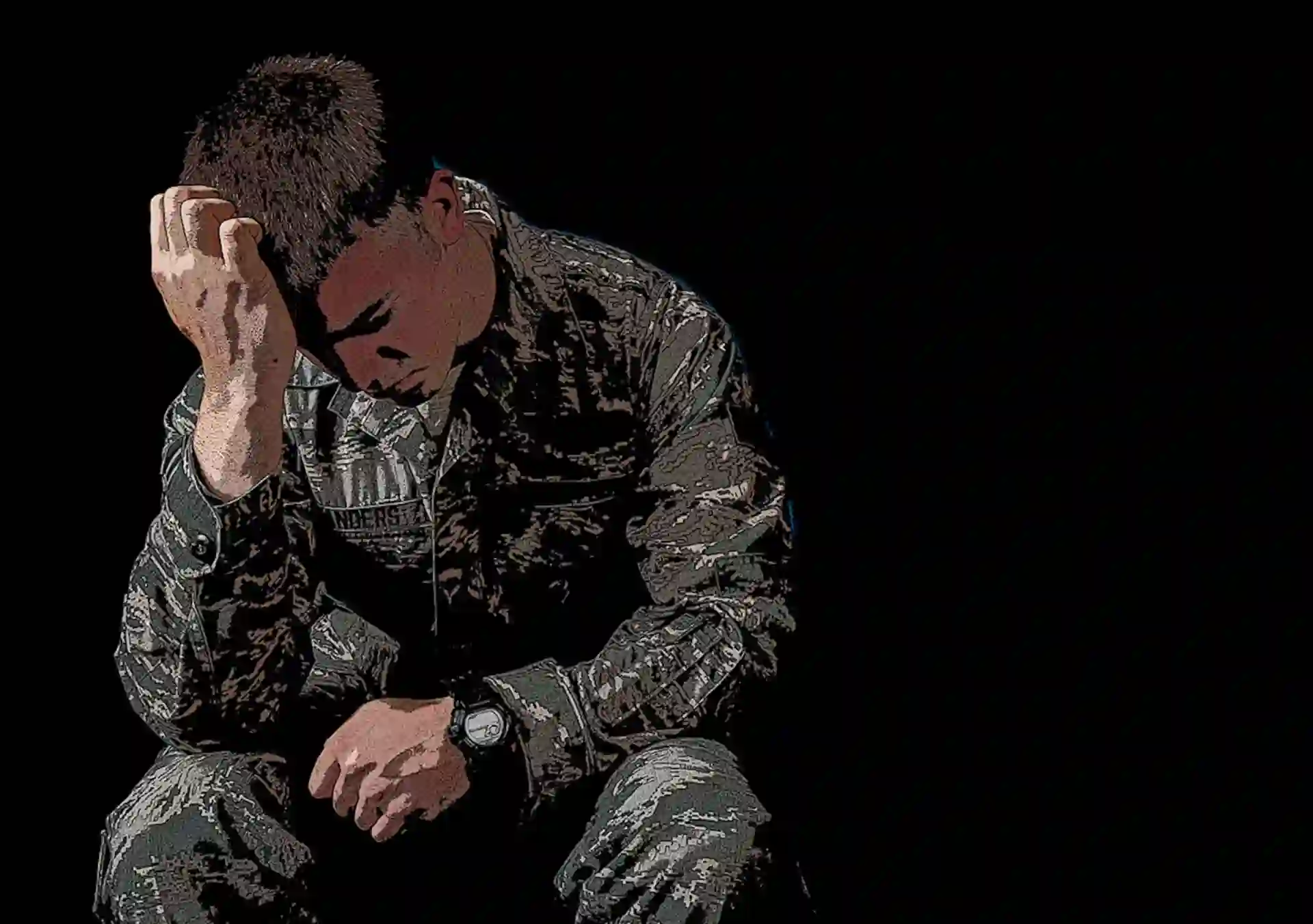
Combat remains one of the most recognized causes of PTSD.
Childhood Trauma
Long-term neglect or abuse during childhood significantly increases the risk.
Medical Trauma
Life-threatening illnesses, emergency surgeries, or intensive care experiences may also lead to PTSD.
Types of PTSD
Although PTSD is diagnosed under one medical condition, clinicians often describe different types of ptsd based on how symptoms appear.
Acute PTSD
Symptoms last less than three months.
Chronic PTSD
Chronic ptsd continues for months or years if left untreated.
Delayed-Onset PTSD
Symptoms may not appear until months after the traumatic event.
Complex Trauma
Repeated trauma, especially during childhood, may produce symptoms beyond traditional PTSD.
CPTSD vs PTSD
Understanding cptsd vs ptsd helps explain why trauma affects people differently.
PTSD usually follows a single traumatic event.
Complex PTSD often develops after prolonged trauma, such as long-term abuse, captivity, or repeated domestic violence.
People with Complex PTSD may also experience:
- Low self-esteem
- Difficulty managing emotions
- Persistent relationship problems
- Deep feelings of shame
Both conditions deserve compassionate, professional care.
PTSD Symptoms in Different Groups
Trauma affects everyone, but symptoms may vary.
Children
Children may:
- Act out traumatic events during play
- Become clingy
- Have nightmares
- Regress in behavior
Older Adults
Older adults sometimes experience stronger memories of past trauma after retirement, illness, or losing loved ones.
PTSD Symptoms in Women
Research shows ptsd symptoms in women may include stronger emotional distress, anxiety, depression, and avoidance behaviors. Women are also more likely to experience certain forms of interpersonal trauma, although PTSD affects people of every gender.
How Doctors Diagnose PTSD
Diagnosis involves more than checking symptoms.
Mental health professionals usually:
- Review medical history
- Discuss traumatic experiences
- Evaluate emotional health
- Use standardized psychological assessments
Symptoms generally need to continue for more than one month while causing significant daily difficulties.
Self-diagnosis is not recommended.
PTSD Treatment Options
Fortunately, recovery is possible.
Modern ptsd treatment often combines several evidence-based approaches.
Trauma-Focused Therapy
Therapists help patients safely process traumatic memories while learning healthier coping skills.
Examples include:
- Cognitive Behavioral Therapy (CBT)
- Cognitive Processing Therapy (CPT)
- Prolonged Exposure Therapy
EMDR
Eye Movement Desensitization and Reprocessing (EMDR) helps many trauma survivors reduce emotional distress connected to painful memories.
Medication
Doctors may prescribe antidepressants or anti-anxiety medications when appropriate.
Medication is usually most effective when combined with therapy.
Healthy Daily Habits That Support Recovery
Treatment extends beyond therapy sessions.
Helpful habits include:
- Regular exercise
- Healthy eating
- Good sleep routines
- Mindfulness meditation
- Spending time outdoors
- Connecting with supportive people
- Limiting alcohol and recreational drugs
These habits cannot replace professional care, but they can strengthen recovery.
Supporting Someone With PTSD
Supporting a loved one requires patience.
Helpful approaches include:
- Listen without judgment.
- Respect personal boundaries.
- Encourage professional help.
- Learn about trauma.
- Stay calm during emotional moments.
- Avoid forcing conversations.
Sometimes simply saying, “I’m here whenever you’re ready,” can be more comforting than offering advice.
Myths About PTSD
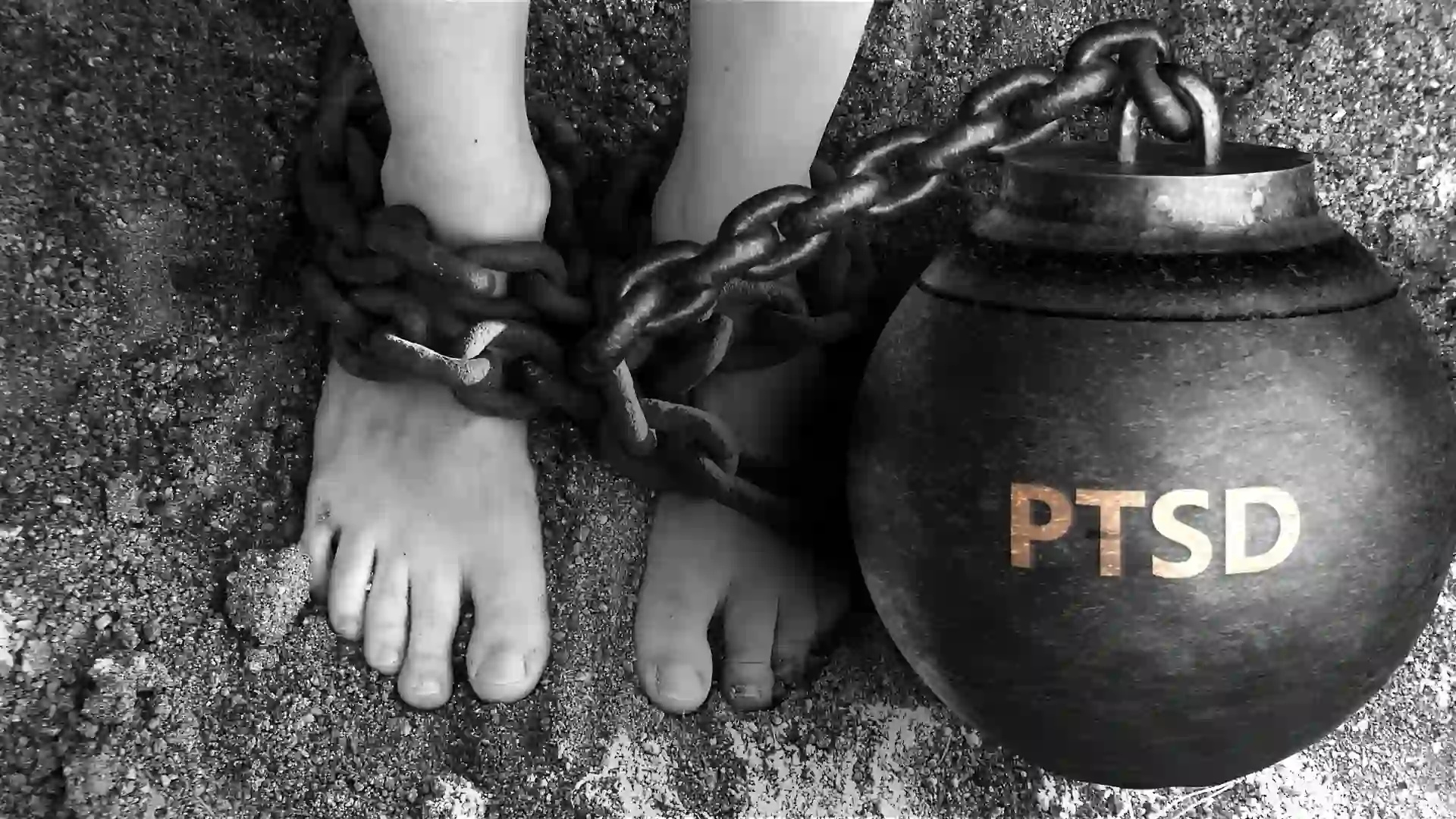
Many misconceptions still exist.
Myth: Only soldiers develop PTSD.
Fact: Anyone can experience PTSD after trauma.
Myth: PTSD disappears on its own.
Some people improve naturally, but many benefit from professional treatment.
Myth: Talking about trauma always makes things worse.
When guided by trained professionals, discussing trauma safely often supports healing.
Recent Research and Future Directions
Trauma research continues to advance.
Scientists are exploring:
- Personalized therapy approaches
- Virtual reality exposure therapy
- Artificial intelligence screening tools
- Improved brain imaging
- Digital mental health support
These developments may improve diagnosis and access to care in the coming years.
Expert Perspective
Mental health specialists consistently emphasize one important message: recovery is possible.
Early treatment often improves long-term outcomes. Moreover, asking for help demonstrates strength rather than weakness.
Millions of people have successfully rebuilt meaningful lives after trauma through therapy, support, and consistent self-care.
Practical Example
Imagine Sarah, who survived a severe car accident.
Months later, she avoided highways, experienced nightmares, and became anxious whenever she heard screeching tires.
After beginning trauma-focused therapy and practicing relaxation techniques, she slowly regained confidence. Recovery took time, but each small step helped restore her independence.
Stories like Sarah’s remind us that healing rarely happens overnight, yet progress is absolutely possible.
Conclusion
Trauma can leave lasting emotional scars, but it does not have to define someone’s future.
Understanding what is PTSD, recognizing warning signs, seeking evidence-based treatment, and building strong support systems can dramatically improve recovery.
Whether you are experiencing trauma yourself or supporting someone else, remember that healing is a journey. Every step toward understanding, professional care, and self-compassion brings hope for a healthier future.
Frequently Asked Questions
What are 5 signs of PTSD?
Common signs include flashbacks, nightmares, avoiding reminders of trauma, feeling constantly alert, and negative changes in mood or thinking. These symptoms usually last for more than a month.
What is a PTSD person like?
Every person is different. Some seem anxious or withdrawn, while others appear irritable, emotionally numb, or easily startled. Many continue functioning normally while struggling internally.
Does PTSD ever go away?
Yes. Many people recover with therapy, healthy coping strategies, and support. Recovery timelines vary, but symptoms often improve significantly with proper care.
What happens when PTSD is triggered?
A trigger may cause intense fear, panic, flashbacks, or emotional distress. The brain reacts as if the traumatic event is happening again, even when the person is safe.
How do I know if I have PTSD?
If trauma-related symptoms continue for more than one month and interfere with daily life, speak with a qualified mental health professional for a complete evaluation.
⭐ Make MindLiva Your Preferred Source on Google
Get trusted health, wellness, and lifestyle articles from MindLiva.
Add MindLiva
Samie Babaei is a medical science student at Shahid Beheshti University of Medical Sciences with a strong interest in health, wellness, and medical research. As a health writer and researcher at MindLiva, she focuses on creating clear, evidence-based content that helps readers better understand health and well-being.