



Chronic PTSD and Sleep Disorders: What You Need to Know
Have you ever woken up from a frightening dream and struggled to fall asleep again? Now imagine that happening several nights every week for months or even years. For many people living with chronic PTSD, disturbed sleep is more than an inconvenience—it becomes a daily battle that affects physical health, emotional well-being, relationships, and work.
Although public awareness of trauma has grown in recent years, many people still underestimate how deeply long-term trauma can affect sleep. Researchers continue to discover new connections between the brain, stress hormones, and the body’s natural sleep cycle, making this an important topic for both patients and healthcare professionals.
In this article, you’ll learn why chronic trauma disrupts sleep, the science behind these changes, common warning signs, treatment options, practical coping strategies, and expert recommendations for improving sleep quality. You’ll also discover how early intervention can help people regain healthier sleep and improve their quality of life.
Why Chronic PTSD Affects Sleep
Sleep and emotional health are closely connected.
After a traumatic experience, the brain may remain in a constant state of alertness. Instead of recognizing that the danger has passed, it continues scanning the environment for possible threats. As a result, falling asleep becomes difficult, and staying asleep becomes even harder.
Unlike temporary stress, chronic PTSD keeps the body’s stress response active for months or years. This ongoing activation interferes with the normal sleep cycle, preventing deep and restorative sleep.
Moreover, poor sleep increases anxiety, reduces emotional control, and weakens concentration. The next day becomes harder, creating a cycle that feeds itself.
How Trauma Changes the Brain During Sleep
Modern brain imaging has helped researchers understand why sleep problems are so common after trauma.
Several brain regions work differently in people living with long-term trauma.
The Amygdala Becomes Overactive
The amygdala is responsible for detecting danger.
After trauma, this area often becomes extremely sensitive. Even small sounds or harmless situations may trigger a strong fear response, making it difficult to relax before bedtime.
The Hippocampus Struggles With Memory
The hippocampus organizes memories.
Traumatic memories may remain fragmented instead of being stored like ordinary experiences. During sleep, these memories can return as vivid nightmares or disturbing dreams.
The Prefrontal Cortex Has Less Control
Normally, the prefrontal cortex helps calm emotional reactions.
However, prolonged trauma may reduce its ability to regulate fear, allowing anxious thoughts to become stronger at night.
Common Sleep Disorders Linked to Chronic PTSD
Sleep problems appear in many forms.
Some people struggle to fall asleep, while others wake up repeatedly throughout the night.
The most common disorders include:
1. Insomnia
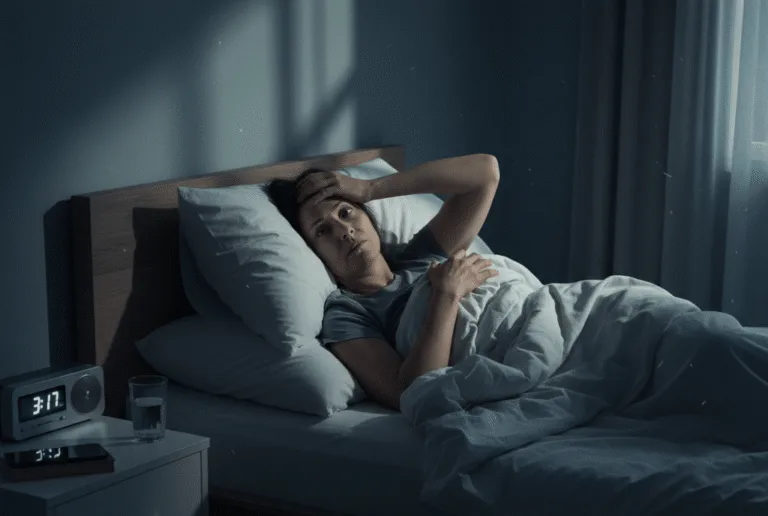
Insomnia is one of the most frequent complaints.
People may:
- Stay awake for hours
- Wake several times each night
- Feel exhausted despite spending enough time in bed
2. Trauma-Related Nightmares
Nightmares are not simply unpleasant dreams.
They often replay traumatic events or create new frightening situations that produce similar emotions.
Many individuals begin fearing bedtime because they expect another nightmare.
3. Night Terrors
Unlike nightmares, night terrors usually happen during deep sleep.
People may suddenly scream, sweat, or sit upright without remembering the episode the next morning.
4. Sleep Paralysis
Some trauma survivors briefly wake up unable to move.
Although frightening, sleep paralysis usually lasts only seconds or minutes.
5. Sleep Apnea
Recent research suggests that obstructive sleep apnea appears more often among trauma survivors than previously believed.
Interrupted breathing further reduces sleep quality and contributes to daytime fatigue.
The Hidden Cost of Poor Sleep
Many people think sleep loss simply causes tiredness.
However, the consequences reach much further.
Poor sleep may affect:
- Memory
- Learning ability
- Mood regulation
- Decision-making
- Physical health
- Immune function
- Heart health
For example, someone who sleeps only four or five hours because of recurring nightmares may struggle to focus during work meetings. Small mistakes become more common, patience decreases, and relationships may suffer.
Over time, chronic sleep deprivation increases the risk of depression, anxiety disorders, obesity, diabetes, and cardiovascular disease.
Recognizing the Warning Signs

Sleep disturbances often develop gradually.
Common warning signs include:
- Frequent nightmares
- Difficulty falling asleep
- Waking suddenly with panic
- Feeling unsafe at bedtime
- Loud startling reactions
- Constant daytime fatigue
- Trouble concentrating
- Irritability
- Morning headaches
- Emotional numbness
Many people ignore these symptoms for years, assuming they will disappear naturally.
However, early recognition often leads to better recovery outcomes.
Who Is Most at Risk?
Trauma affects people of every age, profession, and background.
However, some groups experience higher rates of long-term trauma-related sleep problems.
These include:
- Military veterans
- Emergency responders
- Survivors of domestic violence
- Survivors of sexual assault
- Refugees
- Victims of natural disasters
- People exposed to childhood abuse
- Healthcare workers involved in traumatic events
Importantly, experiencing trauma does not guarantee someone will develop long-term symptoms. Strong social support, early counseling, and healthy coping skills can reduce the overall risk.
How Stress Hormones Keep the Body Awake
One of the biggest reasons sleep becomes difficult is the body’s stress system.
Normally, cortisol levels decrease before bedtime.
However, prolonged trauma may keep cortisol and adrenaline elevated throughout the night.
As a result, the body behaves as though danger is still nearby.
This explains why many people suddenly wake after hearing a small sound that others would never notice.
Moreover, elevated stress hormones prevent the body from entering deep restorative sleep, where healing and memory processing normally occur.
The Emotional Impact of Sleepless Nights
Sleep affects nearly every emotion.
Without enough quality sleep, people often experience:
- Increased sadness
- Greater anxiety
- Reduced patience
- Emotional exhaustion
- Loss of motivation
- Difficulty enjoying everyday activities
Family members sometimes misunderstand these changes.
They may think their loved one has become distant or uninterested, when in reality exhaustion is limiting emotional energy.
The Science Behind Trauma and Dreaming
Dreams help the brain organize emotional experiences.
After severe trauma, however, this process becomes disrupted.
Instead of reducing emotional intensity, dreams may repeatedly replay frightening memories.
Researchers believe this happens because the brain struggles to safely process traumatic events during rapid eye movement (REM) sleep.
Consequently, nightmares become frequent, sleep becomes fragmented, and emotional healing slows.
How Sleep Problems Are Diagnosed
If sleep disturbances continue for several weeks and begin affecting daily life, it is important to seek professional help. Sleep problems related to trauma rarely improve by willpower alone.
A healthcare provider may recommend:
- A detailed medical history
- A psychological evaluation
- A sleep diary
- Sleep questionnaires
- An overnight sleep study if sleep apnea is suspected
Doctors also evaluate whether symptoms are caused by another medical condition, medication, or mental health disorder.
Early diagnosis often leads to better long-term outcomes.
Recognizing PTSD Symptoms Early
Many people delay seeking help because they believe their reactions are “normal” after trauma.
While temporary stress is expected, persistent ptsd symptoms that interfere with work, relationships, or sleep deserve professional evaluation.
Common signs include:
- Repeated nightmares
- Flashbacks
- Avoiding reminders of trauma
- Feeling constantly on guard
- Difficulty concentrating
- Irritability
- Emotional numbness
Recognizing these signs early may reduce the risk of long-term complications.
Evidence-Based PTSD Treatment for Better Sleep
Fortunately, several therapies have been shown to improve trauma-related sleep disturbances. The goal of ptsd treatment is not only to reduce distress but also to help the brain feel safe enough to sleep normally again.
1. Cognitive Behavioral Therapy (CBT)
CBT helps people identify unhealthy thought patterns and replace them with healthier responses.
For insomnia, a specialized form called CBT-I has excellent evidence for improving sleep.
2. Eye Movement Desensitization and Reprocessing (EMDR)
EMDR helps many trauma survivors process distressing memories more effectively.
Studies have shown that reducing the emotional intensity of traumatic memories can also reduce nightmares.
3. Medication
Some individuals benefit from medication prescribed by a physician.
These may include:
- Certain antidepressants
- Anti-anxiety medications
- Medicines that reduce trauma-related nightmares
Medication should always be supervised by a qualified healthcare professional.
Daily Habits That Support Better Sleep
Professional treatment works best when combined with healthy daily routines.
Consider these habits:
Maintain a Regular Sleep Schedule
Go to bed and wake up at the same time every day.
Consistency helps regulate the body’s internal clock.
Limit Screen Time
Blue light from phones and tablets may delay melatonin production.
Turning off electronic devices an hour before bed can improve sleep quality.
Exercise Regularly
Moderate physical activity helps reduce stress and supports deeper sleep.
Even a 30-minute walk can make a difference.
Reduce Caffeine
Avoid coffee, energy drinks, and large amounts of tea in the evening.
Practice Relaxation Techniques
Helpful options include:
- Deep breathing
- Gentle stretching
- Meditation
- Progressive muscle relaxation
- Mindfulness exercises
These techniques help calm the nervous system before bedtime.
Nutrition and Sleep Recovery
Food choices also influence sleep.
A balanced diet rich in whole foods supports both brain and body health.
Helpful foods include:
- Leafy green vegetables
- Whole grains
- Nuts
- Seeds
- Salmon
- Yogurt
- Cherries
- Kiwi
- Herbal teas (when appropriate)
Meanwhile, heavy meals late at night may worsen sleep problems.
Hydration also matters, although drinking large amounts of water just before bedtime may interrupt sleep.
PTSD Symptoms in Women and Sleep
Research suggests that ptsd symptoms in women may sometimes present with greater anxiety, emotional distress, and sleep disruption.
Hormonal changes during pregnancy, postpartum recovery, and menopause may also influence sleep quality.
However, every person’s experience is unique.
Healthcare providers should always consider individual circumstances when planning treatment.
Understanding the Types of PTSD
Experts recognize several types of ptsd, each with unique characteristics.
These commonly include:
- Acute PTSD
- Delayed-onset PTSD
- Complex PTSD
- Dissociative PTSD
Although symptoms vary, sleep disturbances are common across all forms.
CPTSD vs PTSD: What’s the Difference?
The discussion around cptsd vs ptsd has become increasingly important.
PTSD often develops after a single traumatic event, such as a serious accident or natural disaster.
Complex PTSD usually results from repeated or prolonged trauma, including childhood abuse, domestic violence, or long-term captivity.
People with Complex PTSD may also experience:
- Persistent shame
- Difficulty trusting others
- Problems regulating emotions
- Negative self-image
- Relationship challenges
Despite these differences, both conditions deserve compassionate, evidence-based care.
Supporting Someone Living With Trauma
Family members and friends play an important role in recovery.
Helpful ways to provide support include:
- Listen without judgment.
- Be patient during difficult days.
- Respect personal boundaries.
- Encourage professional treatment.
- Learn about trauma.
- Celebrate small improvements.
Avoid saying things like “Just move on.”
Instead, simple statements such as “I’m here for you” often provide much greater comfort.
Common Myths About Trauma and Sleep
Several myths continue to prevent people from seeking help.
Myth 1: Poor sleep is just part of getting older.
Fact: Persistent nightmares and severe insomnia are not normal aging.
Myth 2: Talking about trauma always makes it worse.
Fact: Evidence-based therapy helps many people safely process traumatic memories.
Myth 3: Recovery is impossible.
Fact: Millions of people improve significantly with proper care, healthy routines, and ongoing support.
Expert Perspective
Mental health specialists agree on one important message: recovery takes time, but improvement is possible.
Many patients notice that better sleep becomes the foundation for progress in other areas, including mood, memory, relationships, and overall quality of life.
From clinical experience, small, consistent changes often produce lasting results. Building a calming bedtime routine, staying connected with supportive people, and working with qualified professionals can gradually restore both sleep and emotional well-being.
Conclusion
Living with trauma can make every night feel challenging. However, sleep problems do not have to last forever.
Understanding how trauma affects the brain, recognizing warning signs, seeking evidence-based care, and practicing healthy daily habits can make a meaningful difference.
Whether you are supporting a loved one or facing these challenges yourself, remember that healing is rarely immediate—but it is absolutely possible. Every restful night is another step toward recovery, resilience, and a healthier future.
Frequently Asked Questions
What is chronic PTSD?
Chronic PTSD is a long-lasting form of post-traumatic stress that continues for months or years after a traumatic event. Without treatment, symptoms may interfere with daily life, relationships, and sleep.
Does chronic PTSD ever go away?
Yes. Many people experience significant improvement through therapy, healthy lifestyle changes, and appropriate medical care. Recovery is different for everyone, but progress is possible.
What are the 17 symptoms of complex PTSD?
Complex PTSD can include emotional dysregulation, shame, low self-esteem, relationship difficulties, hypervigilance, avoidance, nightmares, flashbacks, and several other symptoms. A mental health professional can provide an accurate assessment.
What is the difference between PTSD and Cptsd?
PTSD often follows a single traumatic event, while Complex PTSD usually develops after prolonged or repeated trauma. Complex PTSD also includes difficulties with emotional regulation and self-identity.
How do people with complex PTSD behave?
People with Complex PTSD may appear withdrawn, anxious, emotionally overwhelmed, or highly alert. They may struggle with trust, relationships, and managing intense emotions, although experiences vary widely.
⭐ Make MindLiva Your Preferred Source on Google
Get trusted health, wellness, and lifestyle articles from MindLiva.
Add MindLiva
Samie Babaei is a medical science student at Shahid Beheshti University of Medical Sciences with a strong interest in health, wellness, and medical research. As a health writer and researcher at MindLiva, she focuses on creating clear, evidence-based content that helps readers better understand health and well-being.