



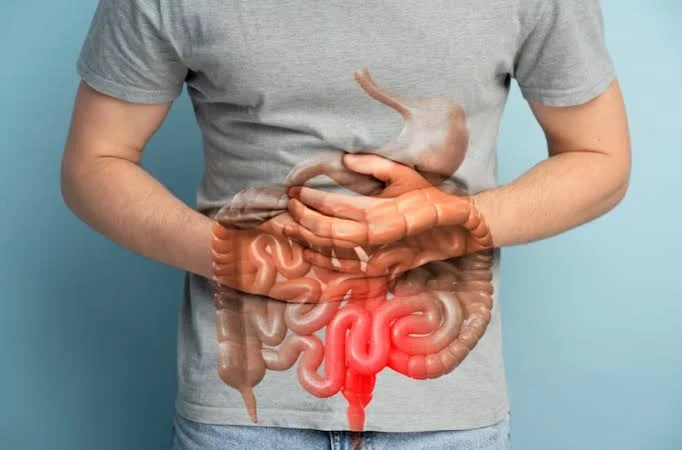
How to Relieve Constipation: 8 Easy Exercises
Have you ever felt uncomfortable, heavy, or bloated after several days of difficult bowel movements? It can affect your appetite, focus, sleep, and willingness to exercise. Fortunately, movement does not need to be intense to support better digestive habits.
Learning how to relieve constipation starts with understanding that exercise is only one part of the solution. Walking, gentle stretching, relaxed breathing, adequate fluid, fiber-rich meals, and a regular bathroom routine often work better together than any single trick.
This guide explains practical movements you can try at home, how to build a simple routine, which common mistakes to avoid, and when symptoms need medical attention. The advice is designed for generally healthy adults, with separate safety notes for pregnancy and medicine-related problems.
Medical note: This article provides general education, not personal medical advice. Stop any movement that causes pain, dizziness, bleeding, or nausea.
Why Exercise May Support Easier Bowel Movements
Physical activity can support the normal movement of the digestive system. It also reduces long periods of sitting, which often happen during travel, desk work, illness, or low-energy days.
The National Institute of Diabetes and Digestive and Kidney Diseases recommends regular physical activity as one part of home care. It also advises adequate fiber, fluids, and a steady bathroom routine. However, exercise should support these habits rather than replace them.
One practical lesson I would emphasize is that consistency is more useful than intensity. A relaxed walk performed most days is usually easier to maintain than a difficult workout completed once and then abandoned.
How to Relieve Constipation With Eight Gentle Exercises
The movements below are simple and require little or no equipment. They are not instant cures, and research does not prove that one specific pose will work for everyone.
Still, these exercises can reduce inactivity, encourage relaxation, and make a healthy bowel routine easier to follow.
1. Take a 10- to 20-Minute Walk
Walking is the easiest place to begin. Choose a comfortable pace that still lets you talk.
Try walking for 10 to 20 minutes after breakfast or dinner, either outdoors or on a treadmill. Build gradually; the goal is regular movement, not exhaustion.
A short walk may also help you break the habit of sitting for several hours without a break. For example, you could walk around the block after lunch instead of immediately returning to your desk.
2. Practice Diaphragmatic Breathing
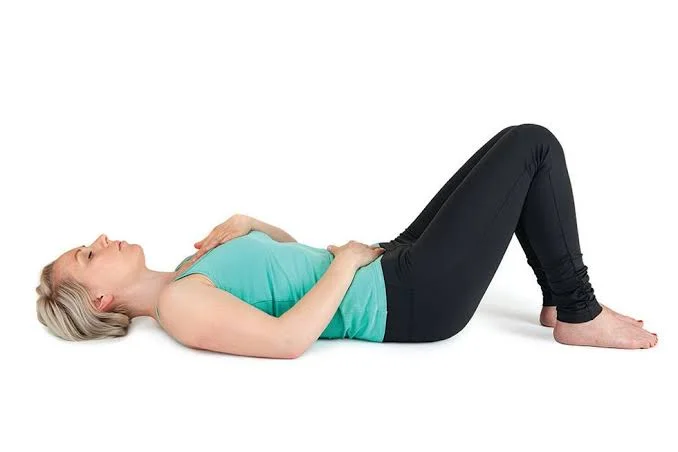
Stress can tighten the abdomen and pelvic floor. Slow breathing may help the muscles relax before a bathroom visit.
Sit comfortably and place one hand on your chest and the other on your abdomen. Breathe slowly through your nose and allow the lower hand to rise.
Exhale gently and repeat for two to five minutes. Do not hold your breath or forcefully push your stomach outward.
3. Try Gentle Pelvic Tilts
Lie on a mat with your knees bent and your feet flat. Gently tighten your lower abdomen and flatten your lower back toward the floor.
Hold the position for two seconds and release. Complete 8 to 12 slow repetitions.
Keep the movement small and controlled. Stop if it increases pain in your back, hips, or abdomen.
4. Use a Single Knee-to-Chest Stretch
Lie comfortably and bring one knee toward your chest. Hold behind the thigh instead of pulling directly on the kneecap.
Hold for 15 to 20 seconds, release, and change sides. Repeat two or three times with each leg.
This stretch can be helpful when the lower back and hips feel tight. However, skip it during severe abdominal pain or when lying flat feels uncomfortable.
5. Add a Seated Torso Rotation
Sit upright in a firm chair with both feet on the floor. Place your hands lightly across your chest or on your thighs.
Turn your upper body gently to the right, return to the center, and then rotate to the left.
Perform five slow repetitions on each side. Keep your hips facing forward and avoid sudden or forceful twisting.
6. Rest in a Supported Child’s Pose
Kneel on a padded surface and slowly move your hips toward your heels. Reach your arms forward or rest them beside your body.
Breathe calmly for 20 to 30 seconds. You can place a pillow under your chest if the position feels too deep.
Skip this pose if kneeling hurts or if pressure on your abdomen feels painful. People recovering from abdominal surgery should ask a clinician before trying it.
7. Perform a Gentle Standing Side Bend
Stand with your feet about hip-width apart. Raise one arm and lean gently toward the opposite side.
Hold for 10 to 15 seconds, return to the center, and change sides. Repeat twice in each direction.
Keep both feet grounded and avoid twisting your chest. This simple movement is also useful for breaking up long sitting periods.
8. Practice a Supported Squat Position
Hold a stable counter or sturdy chair. Bend your knees slightly and lower only as far as feels safe.
Keep your heels down and your chest lifted. Complete 6 to 10 controlled repetitions without bouncing.
For bathroom posture, a footstool may be more helpful than repeated deep squats. NIDDK notes that raising the feet can improve comfort during a bowel movement.
A Simple 15-Minute Movement Routine
You do not need to complete every exercise separately. A short routine may be more practical:
- Five minutes: Walk at an easy pace.
- Two minutes: Practice slow belly breathing.
- Three minutes: Perform pelvic tilts and seated rotations.
- Three minutes: Add knee-to-chest and side-bend stretches.
- Two minutes: Walk again and cool down.
Repeat the routine once daily for a week. Moreover, stand and move for a few minutes after long periods at a desk.
Choose a time that feels comfortable and repeatable. Some people prefer moving after breakfast, while others find an evening walk easier to maintain.
Avoid a hard workout immediately after a large meal. Gentle activity is usually the better choice when your stomach feels full or bloated.
Combine Exercise With Better Toilet Habits
Movement works best when your bathroom routine supports it. Do not repeatedly ignore the urge to go, because waiting may allow more water to leave the stool.
NIDDK suggests trying to use the bathroom at a regular time. Sitting 15 to 45 minutes after breakfast may be useful because eating naturally encourages activity in the colon.
Give yourself enough time to relax. However, avoid sitting and straining for a long period.
Place your feet on a small stool so your knees are slightly higher than your hips. Lean forward, rest your elbows on your thighs, and breathe out gently.
Do not hold your breath and push with maximum force. If nothing happens after several relaxed minutes, get up, move around, and try again later.
Food and Water Still Matter
Exercise cannot compensate for a very low-fiber diet or poor fluid intake. Adults generally need about 22 to 34 grams of fiber per day, depending on age and sex.
Fiber should be increased gradually and paired with enough liquid. Adding a large amount of bran or seeds overnight may create more gas and discomfort.
A useful high-fiber foods chart for constipation can include the following everyday options:
| Food | Simple serving idea | Helpful feature |
| Oats | Cooked oatmeal at breakfast | Provides soluble fiber |
| Lentils | Add to soup or salad | Fiber and plant protein |
| Pears | Eat with the skin | Fiber and natural moisture |
| Raspberries | Mix into yogurt or oats | High-fiber fruit |
| Chickpeas | Use in hummus or grain bowls | Easy legume option |
| Broccoli | Steam or roast as a side | Fiber and food volume |
| Chia seeds | Add a small amount to oats | Absorbs liquid |
| Whole-grain bread | Replace white toast | Simple daily swap |
| Prunes | Begin with a small serving | Fiber and natural sorbitol |
Add one or two foods at a time because a sudden increase can cause gas and cramps. Drink fluids regularly unless a healthcare professional has told you to limit them.
People with heart or kidney disease may have specific fluid restrictions. In that situation, follow the plan provided by your doctor or dietitian.
What Causes Constipation Beyond Inactivity?
Food is only one possible factor. In many cases, several triggers occur at the same time.
Common causes include:
- Eating too little fiber
- Not drinking enough liquid
- Limited physical activity
- Travel or changes in routine
- Ignoring the urge to use the bathroom
- Pregnancy
- Changes in medicines or supplements
- Pelvic floor problems
- Diabetes or low thyroid function
- Irritable bowel syndrome
- A blockage in the digestive tract
People searching what causes constipation should therefore consider recent changes in diet, activity, medicines, stress, travel, and health.
NIDDK identifies low fiber intake, dehydration, limited movement, pregnancy, routine changes, certain health conditions, and several medicines as possible contributors.
Possible medicine triggers include opioid painkillers, iron, some antidepressants, calcium-containing antacids, and certain blood pressure drugs.
Never stop a prescribed medicine without professional advice. A doctor may be able to adjust the dose, recommend another product, or suggest a safe supportive treatment.
How Medicines May Change Bowel Habits
Does Iron Cause Constipation?

Oral iron supplements commonly can make stool harder or more difficult to pass. MedlinePlus also lists nausea, vomiting, diarrhea, and dark stools among possible side effects.
Do not stop prescribed iron without advice, especially when it is being used to treat anemia. Untreated iron deficiency can cause tiredness, weakness, and other health problems.
Ask the prescriber whether a different form, dose, schedule, or clinician-approved stool-softening plan is suitable.
Black stool can be normal while taking iron. However, tar-like stool, red streaks, sharp pain, or severe stomach discomfort should be reported promptly.
Do Steroids Cause Constipation?
The effect depends on the exact corticosteroid. Constipation is listed as a possible side effect of methylprednisolone, but it is not among the main common effects listed for prednisolone by the NHS.
Another medicine, reduced activity, dehydration, or the condition being treated may also contribute. Therefore, review your complete medicine list with a pharmacist or doctor.
Never stop a long-term steroid suddenly. Some corticosteroids must be reduced gradually under medical supervision to prevent withdrawal problems.
Exercise and Constipation During Pregnancy
Hormonal changes can slow digestion, while iron supplements and changes in activity may add to the problem.
Regular movement is generally considered safe during a healthy, uncomplicated pregnancy. However, exercise choices should be discussed during prenatal care, especially when there are pregnancy complications.
ACOG states that physical activity may ease digestive difficulty during pregnancy. It also recommends about 25 grams of fiber daily, increased gradually, with water as fiber intake rises.
Walking is often a simple starting point. Prenatal yoga or gentle swimming may also be suitable when approved by the maternity care team.
A pregnant person should stop exercising and seek medical advice for bleeding, painful contractions, dizziness, chest pain, fluid leakage, or unusual shortness of breath.
Do not begin a demanding new workout during pregnancy without professional guidance. Moreover, ask a doctor, midwife, or pharmacist before using laxatives or herbal products.
When Home Care Is Reasonable
Mild, occasional difficulty may improve with movement, food changes, fluid, and bowel training. This approach can provide practical constipation relief for adults who do not have warning signs.
Track your response for several days. Note your movement, fluid intake, meals, stool form, and level of discomfort.
If lifestyle steps are not enough, a pharmacist or doctor may suggest a short course of an appropriate laxative. Options include bulk-forming products, osmotic agents, stool softeners, and stimulant products.
These products work in different ways. Stimulant laxatives are generally used when the problem is severe or other approaches have not worked.
Avoid combining several laxatives without guidance. Moreover, seek medical advice before using them during pregnancy, after surgery, or when you have kidney, heart, or bowel disease.
Constipation Symptoms That Need Medical Attention
Typical constipation symptoms include fewer than three bowel movements per week, hard or dry stool, painful passing, and a feeling that stool remains. However, your usual pattern also matters.
Seek prompt medical care for:
- Rectal bleeding or blood in the stool
- Constant or severe abdominal pain
- Vomiting
- Fever
- Inability to pass gas
- Unexplained weight loss
- Lower back pain with digestive problems
- Symptoms that do not improve with self-care
These warning signs may point to a problem that exercise cannot fix. NIDDK advises medical assessment when they occur.
In particular, severe pain with vomiting and an inability to pass gas should not be treated only with food, exercise, or additional fiber.
Common Exercise Mistakes to Avoid
Doing Too Much Too Soon
A hard workout may leave you tired, sore, or dehydrated. Start with short walks and gentle movements before increasing the duration.
Expecting Immediate Results
Digestive habits often respond to repeated routines rather than one exercise session. Give safe lifestyle changes time to work.
Ignoring Hydration
Movement can increase fluid needs, especially during hot weather. Drink regularly unless you have been given a medical fluid limit.
Forcing Stretches

A stretch should feel mild and controlled. Sharp pain, nausea, or increasing pressure is a reason to stop.
Exercising Through Warning Signs
Severe pain, bleeding, fever, vomiting, or an inability to pass gas requires medical care. A harder workout will not solve an obstruction or serious illness.
What Helps With Constipation in Daily Life?
The most effective routine is usually simple:
- Walk or move every day.
- Increase fiber gradually.
- Drink suitable amounts of fluid.
- Respond when you feel the urge to go.
- Try a calm bathroom visit after breakfast.
- Use a footstool for better positioning.
- Review medicines with a professional.
- Seek care when warning signs appear.
In practice, changing one habit at a time is often easier than trying several remedies in one day.
For example, begin with a morning walk and oatmeal at breakfast. After a few days, add a regular bathroom time or an extra serving of vegetables.
This approach helps you identify which change is useful and which one causes gas, urgency, or discomfort.
Conclusion
The best approach is not a punishing workout. It is a steady combination of walking, gentle mobility, relaxed breathing, enough fiber, appropriate fluid, and sensible bathroom habits.
Start with a short routine you can repeat. Then make one food or schedule change at a time so you can see what truly improves your comfort.
In short, small actions often create the most sustainable progress. However, pain, bleeding, vomiting, fever, weight loss, or an inability to pass gas should always take priority over home remedies.
Frequently Asked Questions
Can a Walk Encourage a Bowel Movement?
A gentle walk may support normal digestive movement and reduce long periods of sitting. Try walking regularly rather than depending on one long or intense session.
Can Exercise Make the Problem Worse?
Very hard activity may increase discomfort when you are dehydrated, unwell, or already in pain. Choose gentle movement and stop when symptoms become stronger.
Is Walking Better Than Abdominal Exercises?
Walking is safer and easier for many beginners. Abdominal exercises can be added gently, but they are not required for a useful digestive routine.
How Often Should I Exercise for Digestive Health?
Aim for regular activity rather than one intense workout. Even short daily walks can reduce long sitting periods and help you maintain a consistent routine.
When Should I Consider a Laxative?
Consider professional advice when food, fluid, movement, and bowel training are not enough. A pharmacist or doctor can recommend a suitable short-term option based on your health and medicines.
⭐ Make MindLiva Your Preferred Source on Google
Get trusted health, wellness, and lifestyle articles from MindLiva.
Add MindLiva
Samie Babaei is a medical science student at Shahid Beheshti University of Medical Sciences with a strong interest in health, wellness, and medical research. As a health writer and researcher at MindLiva, she focuses on creating clear, evidence-based content that helps readers better understand health and well-being.