



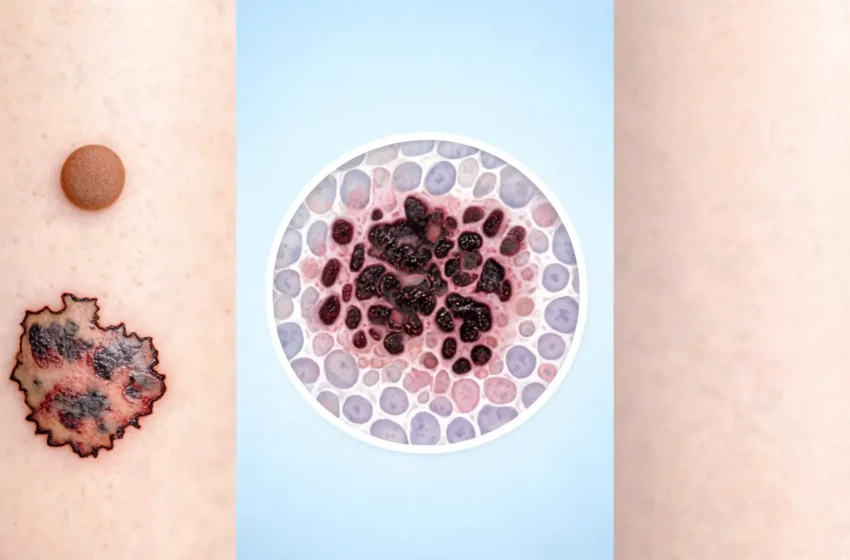
Metastatic Melanoma Side Effects: A Practical Guide
Starting treatment can feel like entering unfamiliar territory. You may feel hopeful about controlling the disease while worrying about your energy, appetite, skin, work, and family life.
Modern care includes immune checkpoint drugs, targeted medicines, radiation, selected surgery, and newer cell-based options. Each can create a different pattern of side effects. This guide explains what may happen, what can be managed with professional guidance, and which symptoms need fast attention.
Why Side-Effect Management Matters
Stage IV disease means cancer cells have traveled through the blood or lymph system and formed tumors in distant areas, such as the lungs, liver, brain, bone, digestive tract, or distant lymph nodes. Treatment depends on the disease location, symptoms, general health, past therapy, and tumor biomarkers.
Good symptom control is part of cancer care. When problems are reported early, clinicians may order tests, prescribe supportive medicine, pause a drug, change a dose, or treat inflammation before it becomes severe. Side effects vary widely, even among people receiving the same medicine.
A mild rash, loose stool, cough, or headache may seem ordinary. During immunotherapy, however, it can sometimes be an early clue that the immune system is affecting a healthy organ.
Main Metastatic Melanoma Treatments and Their Effects
Advanced treatment may include checkpoint inhibitors, BRAF and MEK targeted drugs for tumors with certain gene changes, radiation, surgery for selected tumors, or symptom-focused care. Clinical trials may also offer new combinations.
Immunotherapy
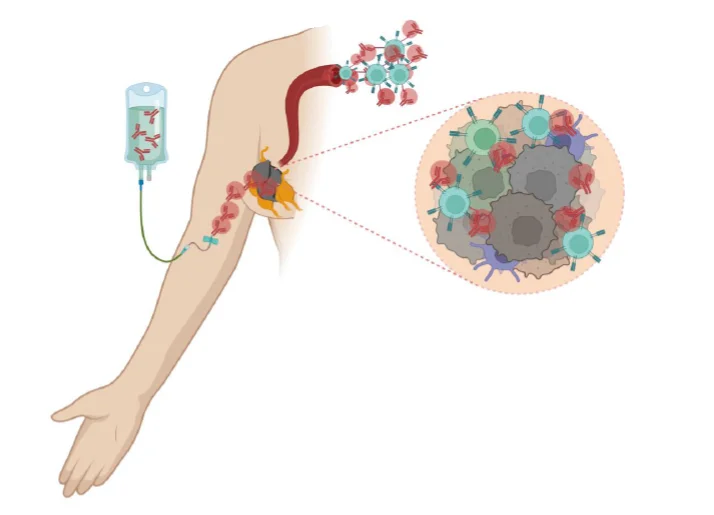
Checkpoint inhibitors help immune cells recognize and attack cancer. Options include pembrolizumab, nivolumab, ipilimumab, and nivolumab-relatlimab. Combination treatment may improve control for some patients, but it can also increase serious toxicity.
Common effects include:
- Tiredness
- Rash or itching
- Diarrhea
- Nausea or lower appetite
- Cough
- Joint or muscle pain
- Hormone changes
The main concern is immune-related inflammation. The activated immune system can affect the bowel, lungs, liver, kidneys, skin, heart, nerves, pancreas, thyroid, pituitary gland, or adrenal glands. Reactions may begin during treatment or after it ends.
Targeted Therapy
About half of cutaneous tumors have a BRAF gene change. When testing finds a suitable mutation, doctors often combine a BRAF inhibitor with a MEK inhibitor because the combination generally works better than either drug alone. Examples include dabrafenib with trametinib and encorafenib with binimetinib.
Possible effects include fever, rash, sun sensitivity, nausea, diarrhea, joint pain, swelling, fatigue, and changed liver tests. Serious problems may involve the heart, lungs, eyes, kidneys, muscles, bleeding, or severe skin reactions.
These medicines may shrink tumors quickly, but treatment order depends on the person, tumor biology, and urgency.
TIL Therapy and Other Treatments

Tumor-infiltrating lymphocyte therapy uses immune cells collected from a removed tumor, expanded in a laboratory, and returned by infusion. Lifileucel is an option for some people after other therapies. It requires chemotherapy beforehand and IL-2 afterward, so treatment is given in a hospital.
Risks include very low blood counts, infection, bleeding, low blood pressure, fever, and heart, lung, or kidney problems. Radiation may cause tiredness and local skin irritation. Surgery may cause pain, swelling, wound issues, or reduced movement, depending on the treated area.
Managing Metastatic Melanoma Fatigue
Cancer-related fatigue is more than ordinary sleepiness. It may feel like a deep lack of physical or mental energy that rest does not fully fix. Treatment, anemia, pain, poor sleep, low food intake, infection, stress, and hormone changes can all add to it.
Try a simple energy budget:
- Choose one or two essential tasks each day.
- Break large jobs into 10- or 15-minute steps.
- Sit while showering, cooking, or dressing when needed.
- Accept help with meals, driving, cleaning, or childcare.
- Use short rests instead of staying in bed all day, unless advised.
Gentle movement may help maintain strength. For example, a five-minute walk can be more realistic than a full workout. Ask what is safe, especially if disease affects bone, breathing, balance, or the brain.
Report sudden or worsening exhaustion. It may signal anemia, infection, dehydration, thyroid trouble, adrenal problems, or another condition that needs testing.
Skin, Hair, and Sun Sensitivity
Rash and itching are common with checkpoint and targeted treatment. Some targeted drugs may also cause dry skin, hair changes, nail problems, or strong sun sensitivity. New growths should be examined because certain BRAF inhibitors can be linked with other skin cancers.
Helpful habits include:
- Use a mild, fragrance-free cleanser.
- Apply a plain moisturizer after bathing.
- Take short, lukewarm showers.
- Wear loose, soft clothing.
- Use shade, clothing, and clinician-approved sunscreen.
- Avoid new acids, scrubs, retinoids, or herbal creams without approval.
Do not assume every rash should be treated with a non-prescription cream. Photograph new changes in good light. Call promptly for blistering, peeling, skin pain, mouth sores, facial swelling, or a fast-spreading rash.
People often search what does melanoma look like on the skin after noticing a changing spot. Treatment rashes, new lesions, infections, and harmless marks can look similar, so direct examination is important.
Diarrhea, Nausea, and Appetite Changes
Loose stools may result from medicine, infection, diet changes, or immune inflammation of the colon. Severe diarrhea can cause dehydration, and checkpoint therapy can produce colitis.
Track bowel movements and note blood, mucus, cramps, fever, dizziness, or reduced urine. Report how many stools occur above your normal daily pattern.
Clinicians may suggest fluids, electrolyte drinks, small meals, or temporary diet changes. Do not start anti-diarrhea drugs without guidance when immune colitis is possible.
For nausea, try small portions, cool foods, bland snacks, and frequent sips. Take prescribed anti-nausea medicine as directed. Call if vomiting prevents you from keeping down liquids or treatment tablets.
Fever and Flu-Like Symptoms

Fever can occur with targeted combinations, IL-2, cell therapy, infection, or an infusion reaction. Chills, weakness, body aches, dizziness, nausea, blood-pressure changes, or breathing problems may occur as well.
Use the temperature threshold and 24-hour number provided by your care team. Do not wait if your written plan says to call. Avoid steroids, leftover antibiotics, or unfamiliar remedies before speaking with the clinic.
Hormone and Organ Inflammation
Immune therapy can inflame hormone-producing glands. Thyroid changes may cause tiredness, weight change, constipation, diarrhea, feeling cold, sweating, or a fast heartbeat. Pituitary or adrenal inflammation may cause headache, weakness, poor appetite, dizziness, belly pain, or low blood pressure.
These changes are easy to blame on stress or cancer, so regular blood tests matter. Some hormone problems need long-term replacement medicine.
Call urgently for:
- New shortness of breath, chest pain, or persistent cough
- Severe belly pain, repeated vomiting, or bloody stool
- Yellow skin, dark urine, or marked confusion
- Very low urine output or rapid swelling
- New weakness, numbness, trouble walking, or vision changes
- Severe headache, fainting, unusual sleepiness, or personality change
These symptoms do not prove organ inflammation, but they require prompt assessment.
A Practical Daily Tracking Plan
A one-page symptom record can make clinic conversations clearer. Track treatment dates, temperature, bowel movements, food and fluids, pain, rash photos, sleep, energy, and new medicines.
For example, “I had six watery stools today, usually have one, and became dizzy when standing” is more useful than “I feel worse.”
Bring a complete medicine list, including vitamins, cannabis products, teas, protein powders, traditional remedies, and non-prescription drugs. Discuss all supplements and remedies with the oncology team before using them.
Nutrition, Hydration, and Everyday Comfort
No single diet removes treatment toxicity. The practical goal is to maintain fluids, calories, protein, and comfort while following restrictions from your team.
Choose foods you tolerate. Eggs, yogurt, soups, fish, beans, nut butter, tofu, or nutrition drinks may help when large meals are difficult. During diarrhea, rich or spicy foods may worsen symptoms.
Sip fluids through the day. Reduced urine, faintness, confusion, or inability to drink needs medical advice. An oncology dietitian can help with weight loss or taste changes.
Emotional and Practical Side Effects
Treatment can affect mood, sleep, focus, relationships, work, and finances. Scan days may bring anxiety, while steroids used for immune reactions can change sleep, appetite, or mood.
An oncology social worker, counselor, navigator, or peer group may help. A useful personal insight is that a “normal” day can be small: breakfast with family, one work task, a short walk, or quiet time away from cancer.
Understanding Search Terms Without Self-Diagnosing
Online searches often mix early detection, rare subtypes, and advanced care. early stage melanoma is usually discussed differently because localized disease is often treated mainly with surgery.
Terms such as nodular melanoma, amelanotic melanoma, subungual melanoma, nail melanoma, ocular melanoma, skin melanoma, and malignant melanoma describe different appearances, locations, or naming traditions. They are not interchangeable.
Searches for normal black line on nail vs melanoma, signs of melanoma, or how fast does melanoma spread may encourage an examination, but pictures and timelines cannot confirm a diagnosis. A dermatologist may use examination, dermoscopy, biopsy, imaging, and pathology. The broad phrase melanoma skin cancer also does not capture key differences in subtype, mutation status, and spread.
Questions to Ask Your Oncology Team
- Which effects are most likely with my treatment?
- Which symptoms need a same-day call?
- Which number should I use after hours?
- Can I take my usual medicines?
- What tests will monitor toxicity?
- Could a clinical trial be suitable?
Write down the answers because stress can make advice hard to remember.
Conclusion
Managing metastatic melanoma treatment is a shared process. Know the likely effects, keep a daily record, report changes early, and avoid treating new symptoms on your own.
Many problems can be reduced or controlled when the care team hears about them quickly. Stay involved, ask direct questions, and keep urgent contact details close. Preparedness cannot remove uncertainty, but it can make treatment safer and more manageable.
Frequently Asked Questions
What are the most common treatment side effects?
Fatigue, rash, itching, diarrhea, nausea, low appetite, joint pain, fever, and hormone changes are common possibilities. The pattern depends on the medicine or combination.
When should I call the cancer team?
Follow your written treatment plan. Breathing trouble, chest pain, severe diarrhea, confusion, fainting, heavy bleeding, severe headache, or a fast-spreading rash needs urgent assessment.
Can side effects start after immunotherapy stops?
Yes. Immune-related effects can appear during therapy or after it ends, so tell every clinician about past checkpoint treatment.
Should I stop treatment if side effects begin?
Do not stop, skip, or change cancer medicine without speaking with your oncology team, unless your written emergency plan tells you to do so.
Do side effects mean treatment is working?
Symptoms alone cannot show whether therapy is effective. Scans, examinations, laboratory results, and your oncology team’s assessment are used to judge response.
⭐ Make MindLiva Your Preferred Source on Google
Get trusted health, wellness, and lifestyle articles from MindLiva.
Add MindLiva
Samie Babaei is a medical science student at Shahid Beheshti University of Medical Sciences with a strong interest in health, wellness, and medical research. As a health writer and researcher at MindLiva, she focuses on creating clear, evidence-based content that helps readers better understand health and well-being.