



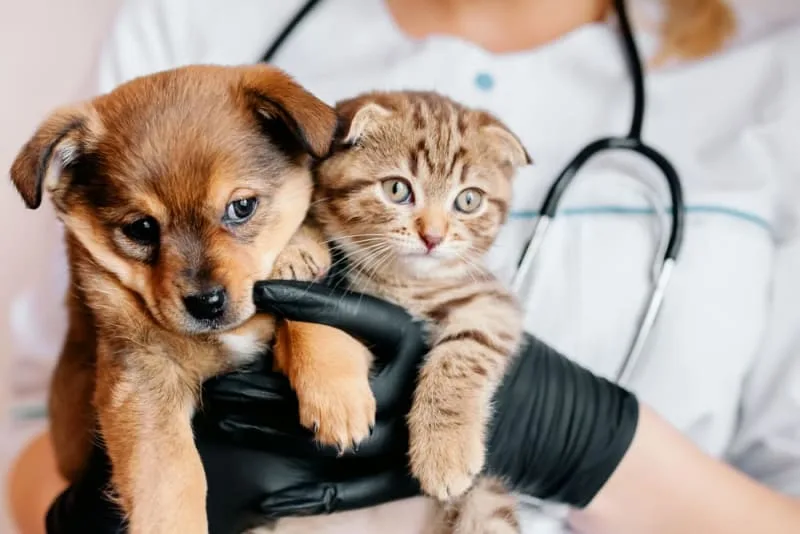
How Pet Wellness Exams in New York Improve Your Pet’s Health
Have you ever looked at your dog or cat and wondered if they are truly as healthy as they seem? Pets are experts at hiding discomfort, and many health issues can develop quietly before visible symptoms appear.
This is why pet wellness exams New York have become an important part of responsible pet ownership. These routine veterinary visits are designed to prevent problems, identify early warning signs, and create a healthcare plan based on your pet’s unique needs.
In this guide, we will explore how wellness exams work, why preventive veterinary care matters, what happens during a checkup, and how regular visits can help your furry friend enjoy a longer and healthier life.
Why Pet Wellness Exams New York Are Essential for Preventive Care
Many pet owners schedule a veterinary appointment only when their animal becomes sick. However, waiting until symptoms appear can sometimes allow a small problem to become a serious health condition.
A wellness exam focuses on prevention rather than reaction.
During a routine visit, veterinarians evaluate your pet’s overall health and look for subtle changes that may indicate future problems.
For example, a cat that stops jumping onto furniture may appear to simply be getting older. However, this behavior could be an early sign of arthritis or joint discomfort.
Similarly, a dog that drinks more water than usual may have an underlying condition that requires attention.
Moreover, regular examinations create a health history for your pet. Veterinarians can compare current results with previous visits and identify changes over time.
Benefits of Regular Pet Wellness Exams
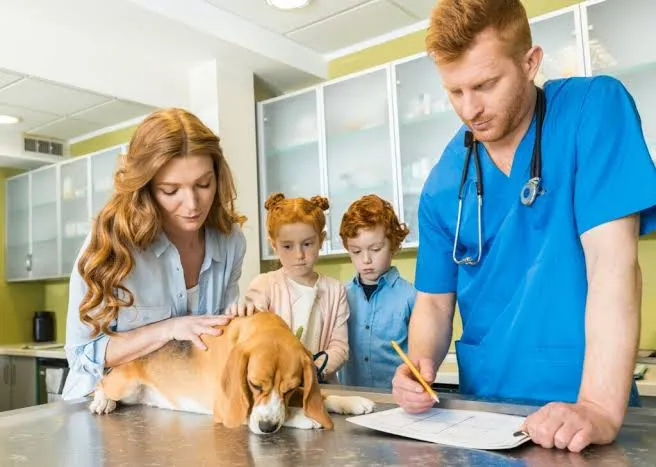
Routine veterinary visits provide several important advantages:
- Early disease detection: Problems can often be treated more easily when discovered early.
- Preventive care planning: Veterinarians can recommend vaccines, parasite protection, and lifestyle adjustments.
- Better nutrition guidance: Pets receive diet recommendations based on age, breed, and activity level.
- Improved quality of life: Health monitoring helps pets remain comfortable and active.
In short, preventive veterinary care is one of the most effective ways to protect your companion.
What Happens During Pet Wellness Exams New York?
Many pet owners feel uncertain about what happens during a wellness appointment. In reality, these visits are usually simple, comfortable, and focused on understanding your pet’s complete health picture.
A veterinarian typically performs several evaluations.
Physical Examination From Nose to Tail
The physical examination is one of the most important parts of a wellness visit.
Veterinarians usually check:
Eyes and Ears
The veterinarian examines the eyes for irritation, infections, vision concerns, or unusual changes.
The ears are checked for redness, odor, inflammation, and signs of allergies or infections.
Teeth and Oral Health
Dental disease is extremely common among pets. Studies from veterinary organizations show that many adult dogs and cats experience some level of dental problems during their lifetime.
Poor dental health can lead to:
- Bad breath
- Pain while eating
- Gum infections
- Bacteria entering the bloodstream
Therefore, regular oral evaluations are an important part of preventive healthcare.
Skin and Coat Assessment
Changes in the skin or fur may reveal:
- Allergies
- Parasites
- Hormonal issues
- Nutritional problems
A healthy coat often reflects good internal health.
Heart and Lung Examination
Using a stethoscope, veterinarians listen for unusual heart sounds or breathing problems.
Early detection of heart conditions can make treatment more effective.
Weight and Body Condition Check
Maintaining a healthy weight is essential for preventing many common problems.
Extra weight can increase the risk of:
- Diabetes
- Joint pain
- Reduced mobility
- Heart-related issues
A veterinarian can recommend exercise routines and feeding adjustments to maintain a healthy body condition.
How Pet Wellness Exams New York Help Detect Hidden Health Problems
One of the greatest advantages of regular veterinary visits is discovering problems before they become emergencies.
Pets often hide pain because of natural survival instincts. As a result, owners may not notice small changes until a condition becomes advanced.
Common Conditions Found During Wellness Visits
Kidney Disease
Kidney problems are especially common in older cats. Routine blood and urine tests can help identify changes in kidney function.
Early management may slow progression and improve comfort.
Arthritis and Joint Problems
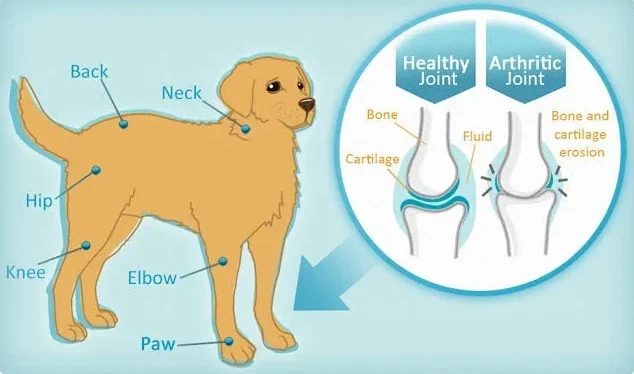
Many senior dogs develop joint stiffness. Owners may assume slower movement is normal aging, but veterinarians can suggest ways to improve mobility.
Solutions may include:
- Weight management
- Joint supplements
- Modified exercise
- Pain management strategies
Skin Allergies
Pets may develop allergies caused by food, environmental factors, or parasites.
Signs may include:
- Excessive scratching
- Hair loss
- Red skin
- Frequent licking
Early evaluation prevents discomfort and improves daily wellbeing.
Diabetes and Metabolic Conditions
Changes in appetite, thirst, and weight can sometimes indicate metabolic issues.
Routine examinations help identify warning signs before complications develop.
The Role of Nutrition During Pet Wellness Exams
Nutrition is a major part of overall animal health. A balanced diet supports energy, immune function, healthy skin, and proper weight management.
During wellness appointments, veterinarians often discuss:
- Food quality
- Portion sizes
- Feeding schedules
- Supplements
- Weight goals
For example, an active young dog may require a different nutritional plan compared with an older indoor cat.
Moreover, nutritional needs change throughout life. Puppies and kittens require growth-supporting diets, while senior pets may need food designed for joint, kidney, or weight support.
The concept of pet wellness includes not only preventing illness but also creating daily habits that support long-term health.
Pet Wellness Exams New York for Different Life Stages
Every stage of a pet’s life requires different healthcare priorities.
Puppy and Kitten Wellness Visits
Young animals need careful monitoring because their bodies are rapidly developing.
Veterinarians focus on:
- Vaccinations
- Parasite prevention
- Growth progress
- Early behavior guidance
- Nutrition planning
Early veterinary care helps establish a strong foundation for lifelong health.
Adult Pet Wellness Exams
Adult pets may appear healthy, but regular examinations remain important.
Annual visits help monitor:
- Weight changes
- Dental health
- Lifestyle risks
- Early disease indicators
Many conditions develop slowly, so consistent monitoring is valuable.
Senior Pet Wellness Exams
Older pets often need more frequent attention because aging increases the risk of chronic conditions.
Specialized programs, including senior pet wellness exams Kirkland, focus on age-related concerns such as mobility changes, organ function, and comfort management.
Senior pets can continue enjoying active and happy lives when their health needs are properly monitored.
How to Choose the Best Clinic for Pet Wellness Exams New York
Choosing the right veterinary clinic is an important step in protecting your pet’s health. A good veterinarian does more than treat illnesses; they become a long-term healthcare partner who understands your pet’s history, lifestyle, and individual needs.
When searching for pet wellness exams New York, pet owners should look for clinics that provide complete preventive services and clear communication.
A reliable veterinary clinic should offer:
- Experienced veterinary professionals
- Comprehensive physical examinations
- Vaccination management
- Dental evaluations
- Laboratory testing when needed
- Nutrition and lifestyle guidance
- Preventive parasite control
Moreover, a comfortable clinic environment can make veterinary visits less stressful for pets. Anxiety during appointments is common, especially for cats and nervous dogs, so a calm and patient approach matters.
Questions to Ask Your Veterinarian During a Wellness Visit
Many pet owners want to make the most of their appointment but are unsure what questions to ask.
Consider discussing:
1. Is My Pet at a Healthy Weight?
Weight management is one of the most important parts of preventive care.
Your veterinarian can explain whether your pet’s current weight is appropriate and suggest changes if needed.
2. Does My Pet Need Additional Testing?
Some pets may benefit from blood work, urine tests, or other screenings depending on their age and health history.
For example, an older cat may need kidney monitoring even if it appears healthy.
3. What Health Changes Should I Watch For?
Veterinarians can teach owners which signs require attention, such as:
- Sudden appetite changes
- Increased thirst
- Unusual tiredness
- Behavioral changes
- Changes in bathroom habits
Early action can prevent minor concerns from becoming serious problems.
Understanding the Cost of Pet Wellness Exams New York
One common concern among pet owners is the cost of preventive veterinary care.
The price of a wellness examination can vary depending on several factors, including:
- Location of the clinic
- Type of pet
- Age of the animal
- Additional tests required
- Vaccination needs
A basic wellness exam usually includes a physical assessment and health consultation. However, some pets may need additional services such as laboratory testing or dental evaluations.
Although preventive visits require an investment, they can reduce future healthcare expenses.
For example, detecting early dental disease may prevent painful infections that require more advanced treatment later.
In short, wellness exams are not simply a cost; they are an investment in your pet’s future health.
Preventive Veterinary Care vs Emergency Treatment
Understanding the difference between preventive care and emergency care helps pet owners make better healthcare decisions.
| Preventive Wellness Care | Emergency Veterinary Care |
| Focuses on maintaining health | Focuses on urgent medical problems |
| Detects issues early | Responds after symptoms become severe |
| Usually scheduled regularly | Often unexpected |
| Helps reduce future risks | May involve complex treatment |
Both types of veterinary care are important. However, preventive examinations give pets a better chance of avoiding serious health problems.
How Technology Is Changing Pet Wellness Exams New York
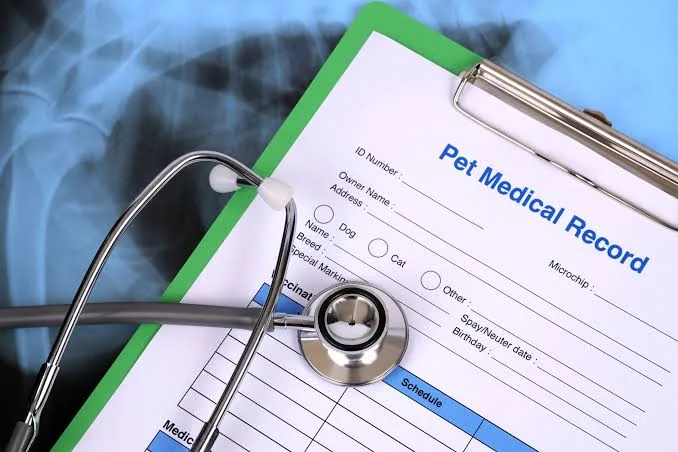
Veterinary medicine continues to improve through technology and advanced diagnostic tools.
Modern veterinary clinics increasingly use:
- Digital medical records
- Online appointment systems
- Advanced laboratory testing
- Diagnostic imaging
- Electronic health tracking
These tools allow veterinarians to make faster and more accurate decisions.
For example, digital records allow a veterinarian to compare your pet’s current weight, previous test results, and medical history in seconds.
Moreover, technology helps pet owners become more involved in healthcare decisions.
Some modern tools also allow owners to track activity levels, eating habits, and behavior changes at home.
The Importance of Location-Based Preventive Pet Care
Pet healthcare needs can vary depending on location, lifestyle, and environment.
Urban pets may experience different challenges compared with animals living in quieter areas.
For example, pets living in busy cities may face:
- Less outdoor activity
- Higher exposure to other animals
- Stress-related behaviors
- Weight management challenges
Because of these factors, local preventive care is especially valuable.
Some owners may search for pet wellness exams Lynwood when looking for nearby veterinary services. Regardless of location, the purpose remains the same: providing early detection and ongoing health support.
A personalized approach helps veterinarians address the specific needs of each community and pet population.
How Pet Owners Can Prepare for a Wellness Appointment
A successful veterinary visit starts before arriving at the clinic.
Preparing information ahead of time helps your veterinarian understand your pet better.
Before the Appointment:
Bring Medical Information
Prepare:
- Previous veterinary records
- Medication information
- Vaccine history
- Recent test results
Observe Your Pet’s Daily Behavior
Pay attention to:
- Appetite changes
- Energy levels
- Sleeping patterns
- Drinking habits
- Bathroom routines
Small details can provide important health clues.
Write Down Questions
It is easy to forget concerns during an appointment.
Creating a short list ensures you discuss everything important.
How Regular Wellness Exams Improve Your Pet’s Quality of Life
Health is not only about preventing disease. It is also about helping pets feel comfortable, active, and happy.
Regular examinations help veterinarians create plans that support:
- Better mobility
- Healthy nutrition
- Strong immune function
- Mental stimulation
- Comfortable aging
For example, a senior dog experiencing mild stiffness may benefit from lifestyle adjustments before the problem affects daily activities.
Likewise, a cat with early weight gain can receive feeding recommendations before obesity creates additional health risks.
Moreover, preventive care allows owners to enjoy more healthy years with their companions.
The Future of Pet Wellness Exams New York
The future of veterinary care is moving toward more personalized and preventive solutions.
Instead of treating diseases only after they appear, veterinarians are focusing on predicting risks and maintaining wellness.
Future developments may include:
- More advanced genetic testing
- Personalized nutrition programs
- Remote health monitoring
- Artificial intelligence-assisted diagnostics
- Improved preventive treatments
This approach mirrors trends in human healthcare, where prevention and early detection are becoming increasingly important.
Pet owners today have more tools than ever to support their animals’ health.
Expert Tips for Maintaining Pet Health Between Wellness Visits
Veterinary visits are important, but daily care at home plays an equally valuable role.
Experts recommend:
1. Provide Balanced Nutrition
Choose food appropriate for your pet’s age, size, and activity level.
Avoid excessive treats, which can contribute to unhealthy weight gain.
2. Encourage Regular Exercise
Daily movement supports:
- Healthy weight
- Strong muscles
- Joint flexibility
- Mental wellbeing
3. Maintain Dental Care
Regular brushing and professional dental evaluations can protect your pet’s oral health.
4. Monitor Behavior Changes
Changes in normal behavior are often early indicators of health concerns.
A pet that suddenly becomes withdrawn or less active may need evaluation.
Conclusion: Why Pet Wellness Exams New York Matter for Every Pet Owner
Your pet cannot tell you when something feels wrong, which is why preventive healthcare is so important.
Pet wellness exams New York provide a proactive way to protect your companion through early detection, professional guidance, and personalized care.
Regular veterinary visits help identify hidden problems, improve nutrition decisions, support healthy aging, and strengthen the relationship between pets and their owners.
Whether you have a playful puppy, an adult dog, a curious kitten, or a senior companion, routine wellness care can make a meaningful difference.
The best time to protect your pet’s health is before a problem appears.
A healthier pet means more adventures, more companionship, and more unforgettable moments together.
Frequently Asked Questions
1. How often should pets have wellness exams in New York?
Most healthy adult pets benefit from yearly wellness exams. Puppies, kittens, and senior pets may require more frequent visits based on their health needs.
2. Are wellness exams necessary if my pet looks healthy?
Yes. Many health problems develop without obvious symptoms. Regular exams help veterinarians detect hidden concerns early.
3. What does a pet wellness exam include?
A wellness exam usually includes a physical checkup, weight evaluation, dental assessment, health discussion, and preventive care recommendations.
4. When should senior pets receive wellness examinations?
Senior pets often benefit from more frequent checkups because aging increases the risk of chronic conditions such as arthritis, kidney problems, and heart disease.
5. Can wellness exams help reduce veterinary costs?
Yes. Finding health problems early can prevent more expensive emergency treatments and improve treatment outcomes.
⭐ Make MindLiva Your Preferred Source on Google
Get trusted health, wellness, and lifestyle articles from MindLiva.
Add MindLiva
Samie Babaei is a medical science student at Shahid Beheshti University of Medical Sciences with a strong interest in health, wellness, and medical research. As a health writer and researcher at MindLiva, she focuses on creating clear, evidence-based content that helps readers better understand health and well-being.