




Senior Pet Wellness Exams Kirkland: Signs Your Pet Needs One
Has your once-energetic dog started sleeping more? Has your cat become less interested in jumping onto the couch or climbing stairs? Many pet owners assume these changes are simply part of aging. However, subtle behavior changes can also be early signs of health conditions that deserve attention.
That is why senior pet wellness exams Kirkland are becoming a priority for responsible pet owners. Older pets have different healthcare needs than younger animals, and regular wellness visits help veterinarians detect problems before they become serious. From arthritis and dental disease to kidney problems and heart conditions, preventive care can improve both lifespan and quality of life.
In this article, you’ll discover when your senior pet needs a wellness exam, what veterinarians check during these visits, and how proactive healthcare helps aging companions stay comfortable and active.
Why Senior Pet Wellness Exams Kirkland Matter More as Pets Age
Every pet experiences aging differently. Some dogs remain playful into their senior years, while others slow down much earlier. Likewise, some older cats continue acting energetic even while hidden illnesses develop.
This is why routine veterinary care becomes increasingly valuable over time.
Unlike emergency visits that focus on treating illness, senior pet wellness exams Kirkland are designed to prevent problems before they become severe.
Veterinarians monitor your pet’s overall health, compare previous medical records, and identify small changes that may otherwise go unnoticed.
Moreover, preventive care allows treatment to begin earlier, which often improves outcomes while reducing long-term medical costs.
How Aging Changes Your Pet’s Body

Growing older affects every body system.
As pets age, they may experience:
- Slower metabolism
- Reduced muscle mass
- Joint stiffness
- Weaker immune function
- Changes in vision and hearing
- Reduced organ function
These changes happen gradually.
Because they develop slowly, many owners overlook early warning signs until a condition becomes advanced.
For example, a dog that hesitates before climbing stairs may not simply be “getting old.” Instead, that hesitation could be caused by arthritis or hip discomfort.
Similarly, an older cat that suddenly prefers sleeping in quiet places may actually be hiding pain.
Early Detection Is the Biggest Advantage of Senior Pet Wellness Exams Kirkland
One of the greatest benefits of preventive veterinary care is discovering problems before they affect daily life.
Many diseases progress silently.
By the time obvious symptoms appear, treatment may become more difficult.
Routine wellness exams help veterinarians recognize subtle health changes through careful observation and diagnostic testing.
Health Conditions Commonly Found During Senior Wellness Visits
Arthritis
Arthritis affects millions of aging dogs and cats.
Common signs include:
- Difficulty standing
- Slower walking
- Less interest in playing
- Trouble climbing stairs
- Stiffness after resting
Fortunately, early diagnosis allows veterinarians to recommend treatments that improve comfort and mobility.
Kidney Disease
Kidney disease is especially common in senior cats.
Early symptoms are often difficult to notice.
Routine blood and urine testing may identify kidney changes months before obvious illness develops.
Earlier treatment often helps pets enjoy a better quality of life.
Dental Disease
Many older pets experience dental problems.
Without treatment, bacteria from infected teeth can affect other organs.
Regular examinations help identify:
- Tooth damage
- Gum disease
- Oral infections
- Pain while eating
Maintaining oral health is an important part of healthy aging.
Heart Disease
Some heart conditions produce almost no visible symptoms during the early stages.
Veterinarians listen carefully for abnormal heart sounds during every wellness examination.
If necessary, additional testing may be recommended.
Signs Your Senior Pet Needs a Wellness Exam
Although regular checkups are recommended, certain warning signs should encourage owners to schedule an appointment sooner.
Watch for changes including:
1. Reduced Energy
A pet that suddenly sleeps longer or avoids normal activities may be experiencing discomfort rather than simple aging.
2. Weight Changes
Unexpected weight gain or weight loss deserves professional evaluation.
Weight changes may indicate:
- Hormonal disorders
- Digestive disease
- Kidney problems
- Dental pain
3. Increased Drinking or Urination
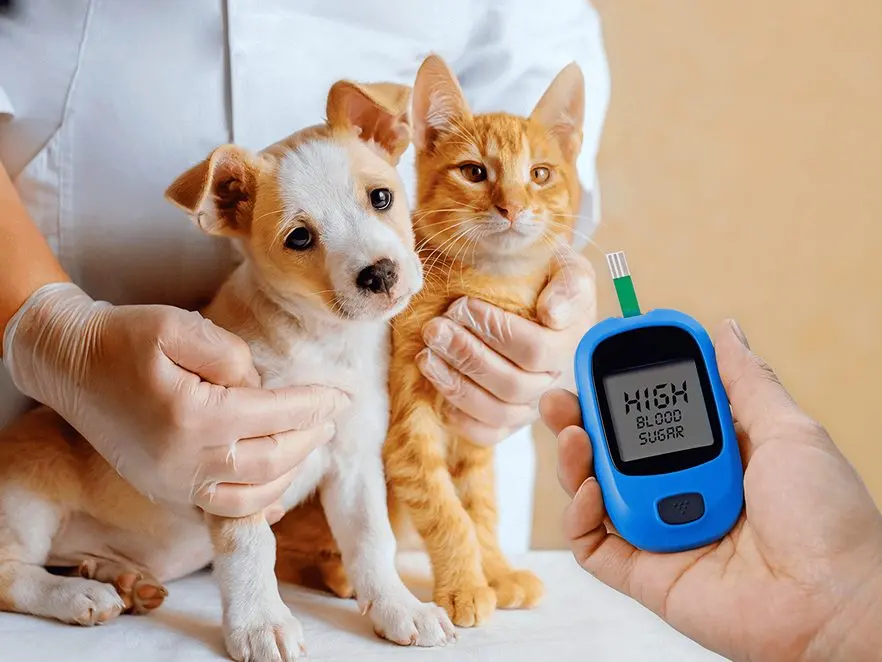
Drinking significantly more water than usual can sometimes indicate:
- Diabetes
- Kidney disease
- Hormonal conditions
Early diagnosis improves treatment success.
4. Difficulty Walking
Joint pain often develops gradually.
Your veterinarian may identify arthritis long before mobility becomes severely limited.
5. Behavioral Changes
Even small personality changes can be important.
Examples include:
- Hiding more often
- Irritability
- Confusion
- Less interest in family interaction
Behavioral changes sometimes indicate pain rather than emotional problems.
What Happens During Senior Pet Wellness Exams Kirkland?
Many owners wonder what actually takes place during a senior wellness appointment.
The process is designed to evaluate every aspect of your pet’s health.
Complete Physical Examination
Veterinarians carefully examine:
- Eyes
- Ears
- Teeth
- Skin
- Coat
- Heart
- Lungs
- Abdomen
- Joints
Each body system provides valuable information about overall health.
Weight and Body Condition Assessment
Weight is one of the easiest ways to monitor long-term health.
Unexpected changes often reveal underlying disease.
Veterinarians also evaluate muscle condition because muscle loss commonly occurs with aging.
Laboratory Testing
Many senior pets benefit from routine laboratory screening.
Common tests include:
- Blood chemistry
- Complete blood count
- Urinalysis
- Thyroid testing when appropriate
These tests help detect hidden diseases before symptoms appear.
Nutrition Plays a Key Role in Senior Pet Health
Food becomes even more important as pets age.
Older animals often require different nutritional support than younger pets.
Veterinarians may recommend diets based on:
- Kidney health
- Joint support
- Weight management
- Digestive health
- Heart function
For example, a senior dog with arthritis may benefit from foods containing omega-3 fatty acids and joint-support ingredients.
Likewise, cats with kidney disease often require carefully balanced prescription diets.
The goal of pet wellness is not simply preventing illness but helping pets enjoy the highest possible quality of life through proper nutrition, exercise, and preventive healthcare.
How Often Should Senior Pets Visit the Veterinarian?
Most veterinarians recommend wellness exams more frequently for senior pets than for younger adults.
Although every animal is different, many older dogs and cats benefit from checkups every six months.
This schedule allows veterinarians to detect health changes earlier and adjust treatment plans when necessary.
Interestingly, owners comparing preventive care options may also research pet wellness exams New York or pet wellness exams Lynwood to understand how different veterinary clinics approach senior care. Regardless of location, the goal remains the same: identifying health concerns early and helping pets enjoy healthier, more comfortable lives.
How Technology Is Improving Senior Pet Wellness Exams Kirkland
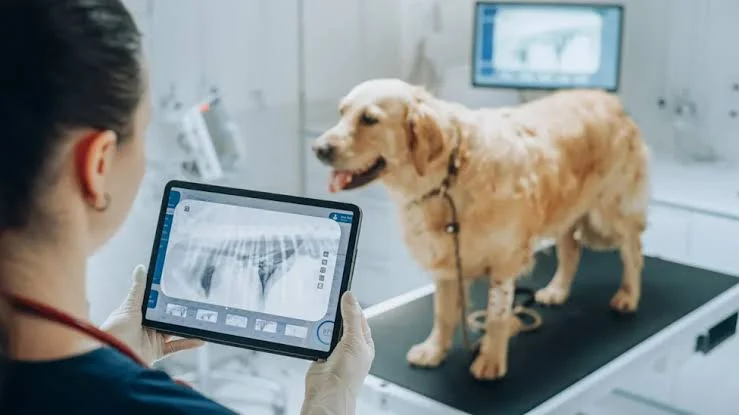
Veterinary medicine has changed dramatically over the last decade. Today, modern clinics use advanced technology to identify health concerns earlier and provide more accurate treatment plans for aging pets.
During senior pet wellness exams Kirkland, veterinarians may use digital health records, improved laboratory equipment, and advanced diagnostic imaging to monitor your pet’s condition.
These tools allow veterinary teams to compare results over time and recognize small changes that may otherwise go unnoticed.
Moreover, technology helps veterinarians make evidence-based decisions that improve long-term health outcomes.
Digital Medical Records
Electronic health records provide a complete picture of your pet’s medical history.
Veterinarians can quickly review:
- Previous examinations
- Weight history
- Blood test results
- Vaccination records
- Medication history
- Previous illnesses
For example, a slight decrease in weight over several months may appear minor during one visit. However, comparing multiple visits can reveal a meaningful trend that deserves further investigation.
Advanced Laboratory Testing
Routine blood work has become one of the most valuable tools for senior healthcare.
Modern laboratory testing can help identify:
- Kidney disease
- Liver disease
- Diabetes
- Thyroid disorders
- Anemia
- Infections
Many of these conditions develop gradually and show few symptoms during the early stages.
Early diagnosis often leads to simpler treatment and better long-term outcomes.
The Long-Term Benefits of Preventive Veterinary Care
Preventive healthcare is about much more than avoiding illness.
It focuses on helping pets stay active, comfortable, and happy throughout their senior years.
Regular wellness visits offer several important long-term advantages.
Better Mobility
Early arthritis management helps many pets continue walking, climbing stairs, and enjoying daily activities.
Simple lifestyle adjustments often make a noticeable difference.
Improved Comfort
Pain management strategies can significantly improve a senior pet’s quality of life.
For example, a dog experiencing mild joint discomfort may benefit from:
- Weight management
- Joint supplements
- Gentle exercise
- Medication when appropriate
Small improvements can lead to happier and more active pets.
Lower Emergency Risks
Routine examinations reduce the likelihood that hidden diseases will become medical emergencies.
Although emergencies cannot always be prevented, regular monitoring helps veterinarians recognize problems before they become severe.
Comparing Preventive Care With Emergency Veterinary Visits
Many owners wait until something appears wrong before scheduling an appointment.
However, preventive care and emergency treatment serve very different purposes.
| Preventive Wellness Exams | Emergency Veterinary Care |
| Focus on preventing illness | Focus on treating urgent illness |
| Regularly scheduled | Unexpected visits |
| Detect hidden diseases early | Treat advanced symptoms |
| Usually lower overall costs | Often more expensive |
| Improve long-term health | Restore immediate stability |
This comparison highlights why preventive care remains one of the most valuable investments for senior pets.
Caring for Your Senior Pet Between Wellness Visits
Veterinary appointments are only one part of keeping an older pet healthy.
Daily care at home also plays an essential role.
1. Keep Your Pet Active
Regular movement helps maintain:
- Muscle strength
- Healthy joints
- Good circulation
- Mental stimulation
Choose activities appropriate for your pet’s age and physical condition.
Short, gentle walks are often more beneficial than long periods of intense exercise.
2. Monitor Eating Habits
Changes in appetite may indicate health problems.
Watch for:
- Eating less
- Difficulty chewing
- Increased hunger
- Sudden food refusal
Report any lasting changes to your veterinarian.
3. Maintain Dental Hygiene
Good oral care helps reduce pain and lowers the risk of infection.
Helpful habits include:
- Brushing teeth when possible
- Dental chews approved by your veterinarian
- Routine professional cleanings
Healthy teeth contribute to overall health.
4. Observe Behavior Carefully
Senior pets often communicate discomfort through behavior instead of obvious physical symptoms.
Pay attention to changes such as:
- Sleeping more
- Avoiding stairs
- Less interaction
- Confusion
- Increased anxiety
These subtle signs deserve professional evaluation.
The Future of Senior Pet Healthcare
Veterinary medicine continues to evolve rapidly.
Researchers are developing better methods for helping pets age comfortably and live healthier lives.
Future innovations may include:
- Artificial intelligence-assisted diagnostics
- More personalized nutrition plans
- Earlier genetic screening
- Improved pain management
- Remote health monitoring devices
These developments reflect a growing understanding that pets deserve lifelong preventive healthcare, especially during their senior years.
Conclusion
Growing older is a natural part of life, but aging should never mean ignoring your pet’s health.
Senior pet wellness exams Kirkland provide a proactive approach to veterinary care by detecting health concerns early, monitoring age-related changes, and helping veterinarians create personalized treatment plans.
From routine physical examinations and blood testing to nutrition guidance and mobility support, preventive care gives pets the best opportunity to enjoy comfortable, active lives.
The greatest gift we can give our aging companions is not simply more years—it is better years.
Scheduling regular wellness exams today can make tomorrow healthier, happier, and more rewarding for both you and your pet.
Frequently Asked Questions
1. When is a pet considered a senior?
Most dogs and cats are considered seniors between 7 and 10 years of age, depending on breed, size, and overall health.
2. How often should senior pets have wellness exams?
Many veterinarians recommend wellness examinations every six months because health changes occur more quickly in older animals.
3. What tests are usually included in senior wellness exams?
Senior wellness visits often include a physical examination, blood work, urinalysis, weight evaluation, dental assessment, and discussion of behavior and nutrition.
4. Can wellness exams really detect disease before symptoms appear?
Yes. Routine laboratory testing and physical examinations frequently identify health conditions long before pets begin showing obvious signs of illness.
5. Are senior wellness exams worth the cost?
Absolutely. Preventive care often reduces expensive emergency treatments while improving your pet’s comfort and overall quality of life.
⭐ Make MindLiva Your Preferred Source on Google
Get trusted health, wellness, and lifestyle articles from MindLiva.
Add MindLiva
Samie Babaei is a medical science student at Shahid Beheshti University of Medical Sciences with a strong interest in health, wellness, and medical research. As a health writer and researcher at MindLiva, she focuses on creating clear, evidence-based content that helps readers better understand health and well-being.